

Key Takeaways
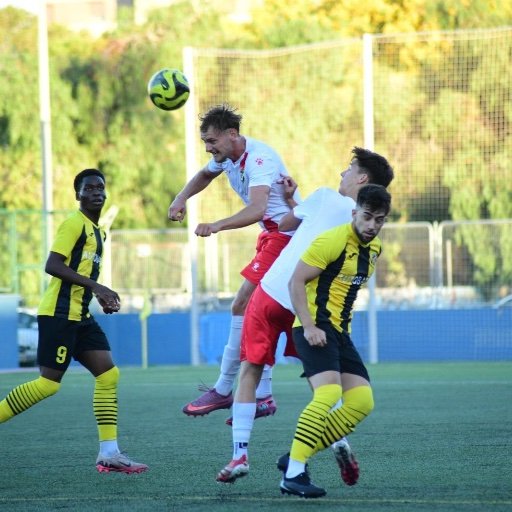
- Work as a unit when pressing. If you are closing down an opponent, make sure someone is covering behind you.
- Pay attention to the ball and your teammates, not only to instructions from the coach.
- Practice how you respond when your team wins or loses possession.
- Choose exercises that address the specific issue, not just those that are physically demanding.
Table of Contents
Pressing Drills In Football
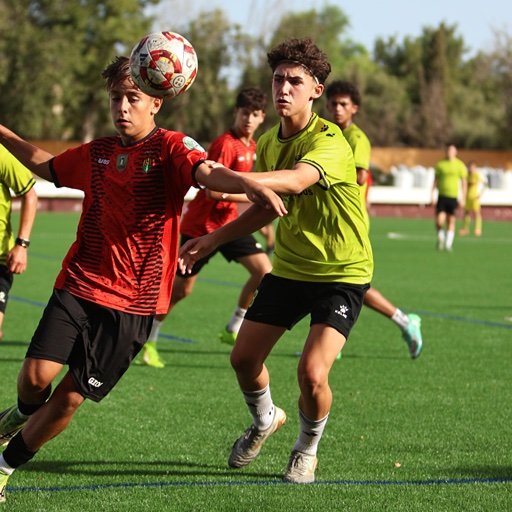
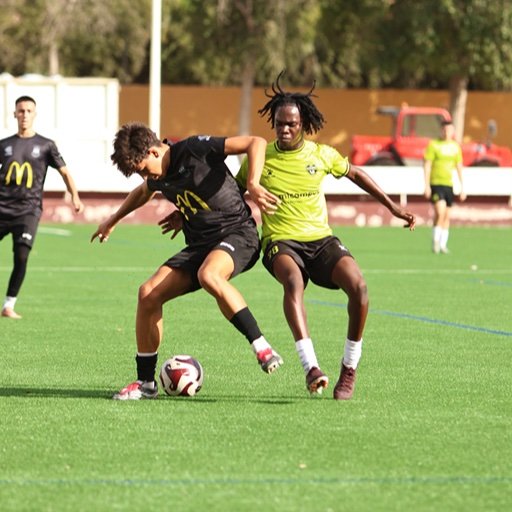
Pressing drills help players learn how to close down opponents, limit their passing options, and win the ball back as a team. Good pressing is not just about one player chasing the ball. The defender putting on pressure needs to work with teammates who cover and protect the spaces nearby.
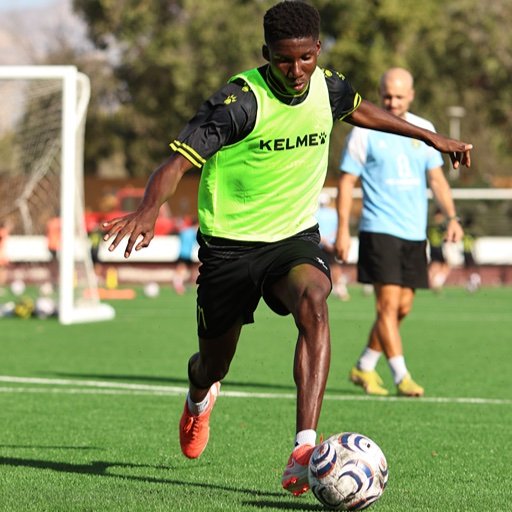
Begin with basic 1v1 drills to practice the right approach angle, body position, and timing. Players should also learn to spot pressing triggers, like a bad first touch, a backward pass, or an opponent receiving the ball under pressure.
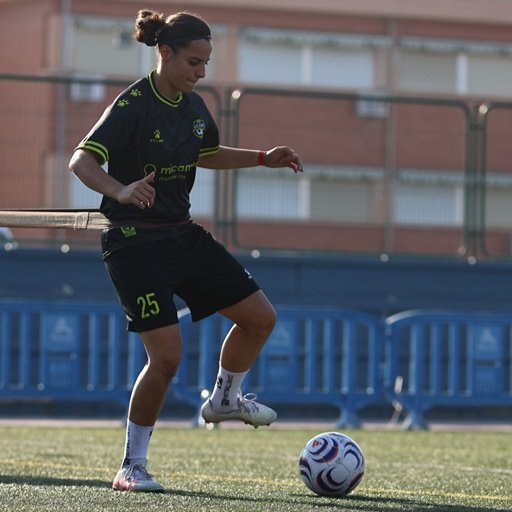
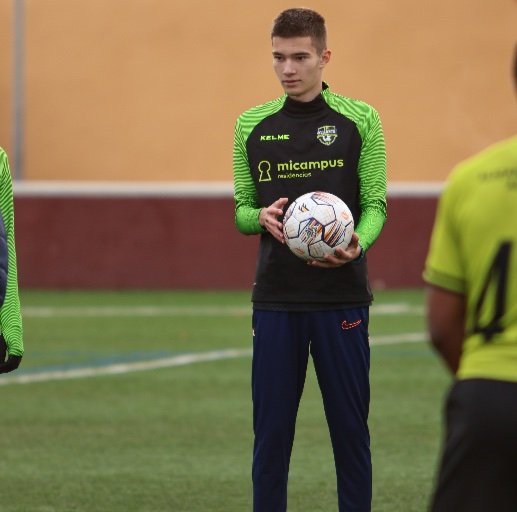
At Alicante Football Academy, we use a one-touch rondo with four players on the outside and one defender in the middle. We focus on getting your body ready before the pass comes and reacting fast to press the player who receives the ball.
To practice pressing as a group, add a second defender and coach them to work together. One defender goes to the player with the ball, while the other covers and looks out for the next pass. Both need to talk to each other and stay close to block easy passes.
As players get better, move on to small-sided games with goals and chances to score. These drills help players press as a team, win the ball back, and quickly switch to attacking.
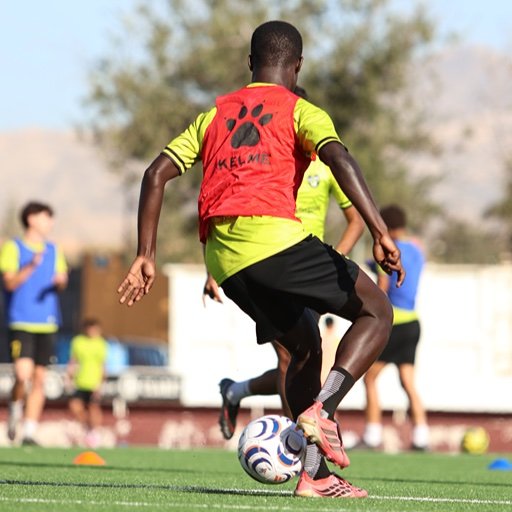
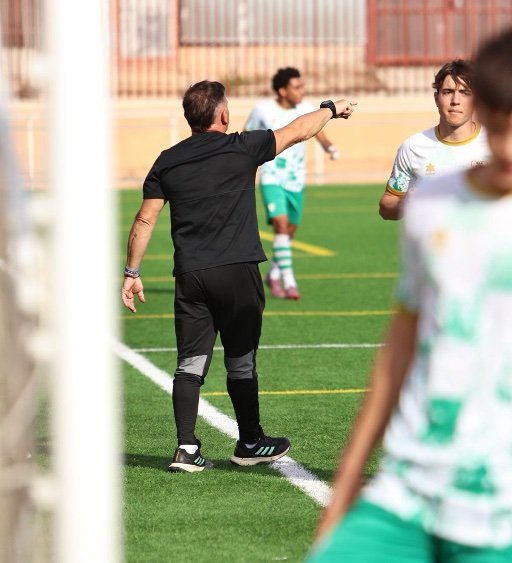
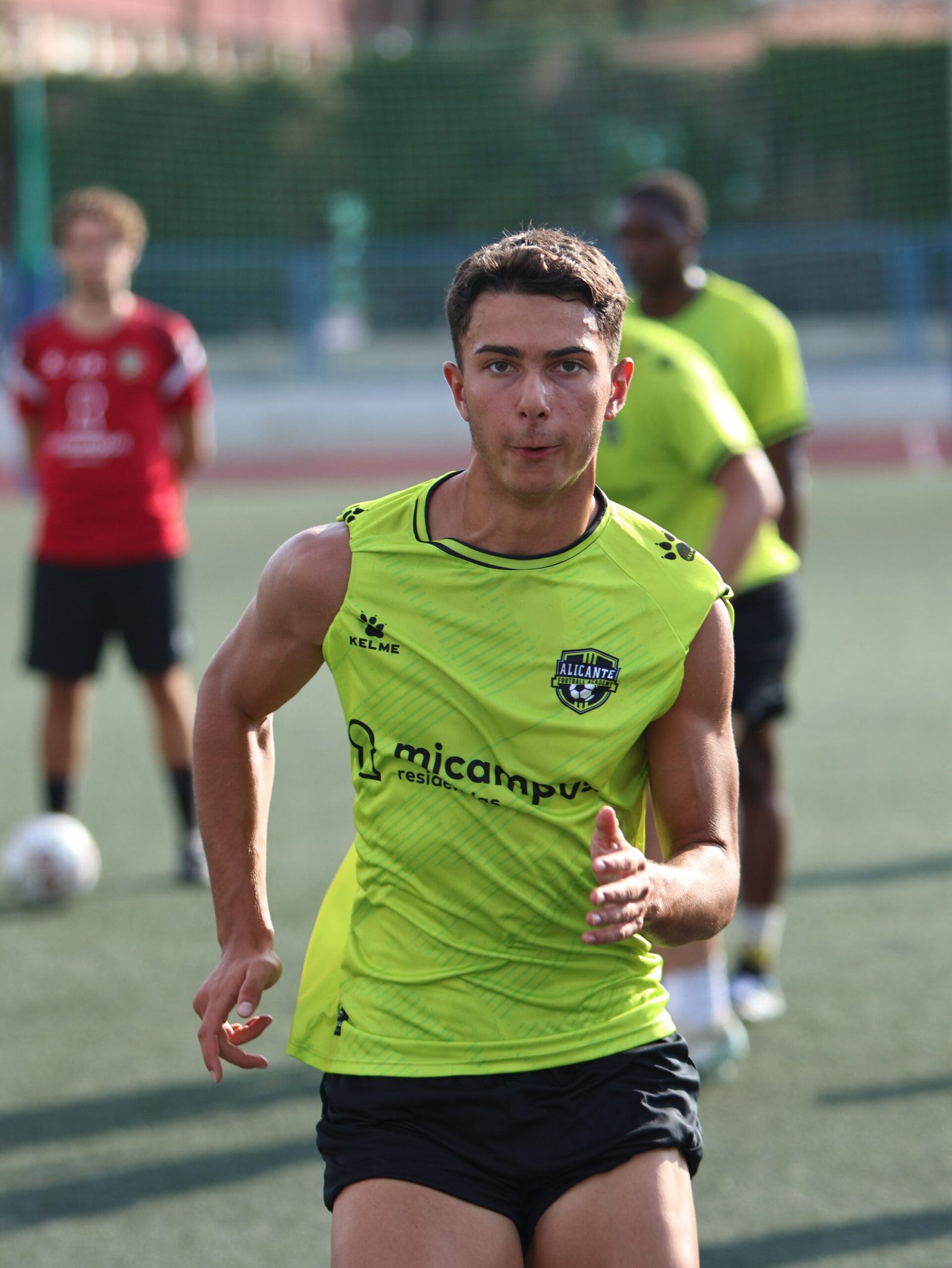
Our morning sessions with UEFA Pro licensed coaches help players build these defensive skills before using them in real matches with Spanish clubs. It’s important to know how to press, but learning when and how to do it against real opponents is what really matters.
What Are The Main Pressing Principles Players Need To Understand?
Pressure, cover, and balance give each player a specific role. The closest player puts pressure on the ball, while teammates support by covering, blocking passing lanes, and keeping balance to guard against threats in other areas.
Staying compact helps players stay close and support each other. Screening is about using your body to block passing options. Good communication and moving together help everyone know when to step up, hold their spot, or get back. The FA’s press, cover, and balance session also teaches these ideas.
Before you press, think about what will happen if the opponent passes around you. Your teammates should be ready to handle that. Knowing these basics will help you do more advanced pressing drills well.
SEE HOW OUR TRAINING FITS TOGETHER
Learning to press takes more than one intense session. Explore how we combine morning coaching, a structured academy routine and opportunities to train with Spanish clubs when your level is suitable. Understand the programme before deciding whether it fits your next step.
Explore our football academy
Which Pressing Drills Should Football Coaches Use?
Pick the exercise that matches your team’s problem. If your players rush at opponents without control, begin with individual closing-down drills. If there are gaps behind the first defender, try numerical pressing games and possession exercises to build cover and teamwork.
Start pressing drills by teaching players to spot pressing cues, like a poor first touch or a backward pass. Then move on to coordinated team pressure. After that, introduce pressing traps, counter-pressing games, and small-sided matches so players can use these skills in real game situations.
At Alicante Football Academy, we focus on game-based exercises to develop pressing, not just isolated running. As we mention in our possession training, each exercise needs a clear tactical, technical, or defensive goal. Just because an exercise is tiring does not mean it is a good pressing drill.
Use the suggested starting areas below, and adjust them based on your players’ age, skill level, and the space you have. Get cones, bibs, spare balls, and goals ready as needed.
| Practice | Players | Starting area | Main task |
|---|---|---|---|
| Closing-down duel | Two plus a server | 10 × 8 metres | Recognize pressing cues, approach at the correct angle and prevent forward dribbling. |
| Press and cover (possession game) | 4v2 | 10 × 8 metres | Apply pressure together, provide cover and intercept passes without tackling. |
| Counter-pressing transition | 4v2 into 6v4 | 12 × 8 metres inside 24 × 20 metres | React immediately after losing possession and stop the first escape pass. |
| Directional pressing game with traps | 6v6 plus two goalkeepers | 50 × 40 metres | Force opponents into wide areas, close passing lanes and connect the front press with the rest of the team. |
How Can A Pressed Into Action Practice Develop Across A Full Session?
Begin with an eight-minute warm-up that works on closing down, quick reactions, and approach angles. Have players practise speeding up towards an opponent, slowing down before reaching them, and blocking their passing options.
Next, set up a twelve-minute exercise with twelve players split into three groups of four, each in its own zone. Start with one defender pressing but not tackling. Then add a second defender who looks for pressing triggers, like a bad first touch or a pass backwards. Slowly add more players and passing options to help everyone learn how to press and cover together.
End with a twenty-minute small-sided game where players use these skills in a real-game setting. Give teams points for winning the ball back in certain areas. After a while, take away the marked zones so players make decisions on their own.
Give five minutes for coaching breaks and feedback. The aim is to help players learn when to press, how to support each other, and what to do after they win the ball.
When does your team struggle most with pressing?
What is the biggest problem you want to solve?
Solution:
Start with a closing-down duel in a 10 × 8 metre area. Have a server pass to an attacker while a defender approaches at an angle, slows down before making contact, and blocks the forward route. Focus on recognising pressing triggers, controlling the approach, and forcing mistakes without rushing into tackles.
Solution:
Use a 6v6 directional pressing game with goalkeepers in a 50 × 40 metre area. Have one team build from the back while the other presses together, blocks central passing lanes, and forces play wide. Award bonus points for winning possession high up the field and creating a scoring opportunity.
What is the biggest problem you want to solve?
Solution:
Practice a 4v2 counter-pressing possession game. Four players keep possession against two defenders. When the defenders win the ball, they attempt to dribble out of the area. The original attackers must react immediately, apply pressure, and recover possession before the defenders escape. Add a five-second bonus to encourage faster reactions.
Solution:
Progress to a 4v2-to-6v4 counter-pressing transition drill. Set up a 12 × 8 metre area inside a larger 24 × 20 metre space. When the two defenders regain possession, the four attackers must press together and block passes to the four outside players. If the ball escapes, expand into a 6v4 possession game. Focus on coordinated pressure, closing passing lanes, and recovering defensive shape when the press is beaten.
What Is The Southampton Pressing Warm-Up And What Can It Develop?
This diamond-shaped passing warm-up, which does not involve contact, helps players get better at reacting quickly, communicating, choosing the right approach angles, and working together when pressing.
Set up players at the four corners of a diamond. When one player passes the ball, someone from another corner moves in to pressure the receiver, who needs to pass the ball before being closed down. The ball is passed in one direction, while the pressing player moves in the opposite direction.
After a while, switch the direction of passing. Then, let the receivers decide where to pass next. Players should react quickly, adjust their positions based on what their teammates do, and talk to each other about who is pressing and who is supporting.
Start to speed up the drill little by little, making sure players stay in control and keep the right positions. This helps get them ready for tougher pressing drills, where it is important to spot pressing triggers, block passing lanes, and work as a team to win the ball back.
How Can Plug And Press Be Used As A Pressing Practice?
Focus on protecting the center before moving toward the ball. The Plug and Press drill helps players work as a unit, block central passes, and press when the time is right.
To make it easier, set up a 4v4 game in a 24 by 20 meter space split into three long channels. Teams score by dribbling over the far end line. Defenders should move together to guard the middle, then press the player who gets the ball.
Players need to talk to each other and spot pressing triggers, like a bad first touch, a slow pass, or a pass going backward. Practice these moments often to build quick reactions, teamwork, and solid defense.
To make it harder, shrink the playing area, let teams switch sides faster, or add a neutral player for more passing choices. When players lose the ball, they should react right away and get organized to press again.
Remember, the aim is to press together as a team, not just run after the ball.
What Are Pressing Triggers And How Can You Train Them?
Pressing triggers are moments that show players when to press the other team more. Common triggers include a poor first touch, a backward pass, a slow pass, a bouncing ball, an isolated receiver, or an opponent with the ball facing their own goal.
But not every backward pass means players should rush forward. They need to judge if it’s the right moment and if their teammates are ready to help. Pressing all the time without noticing these triggers can leave spaces in defense and let the other team break through.
To practice, pick two pressing triggers to focus on during a directional game. Give a bonus point when players spot a trigger, press as a group, and win the ball back. Let them decide when to press instead of telling them every time.
COMPARE YOUR TRAINING OPTIONS IN ALICANTE
A month of focused training and a longer academy stay involve different commitments. Review our programme lengths, fees and what is included, then choose an option that fits the time you have available to work on your game.
View programmes and fees
How Can Players Press And Close Down An Opponent Properly?
Move in fast to close the gap, then slow down so you can react. Run at an angle to block one side and steer the attacker toward your teammates. Stay balanced with your knees bent and feet apart so you can adjust if the opponent changes direction.
The FA’s speed of the press guidance also highlights the importance of changing speed.
In the closing-down duel shown in our table, a server passes to an attacker near one end of the area. The defender starts on the opposite side and moves in as the ball is played. The attacker scores by dribbling over the far end line, while the defender scores by winning the ball or forcing it out.
Begin with basic closing-down drills. Then, vary the passing angles and add a second receiver. This helps defenders learn to adjust and react to unpredictable passes instead of just running straight at the ball.
How Can A Team Press As A Unit Instead Of Pressing Individually?
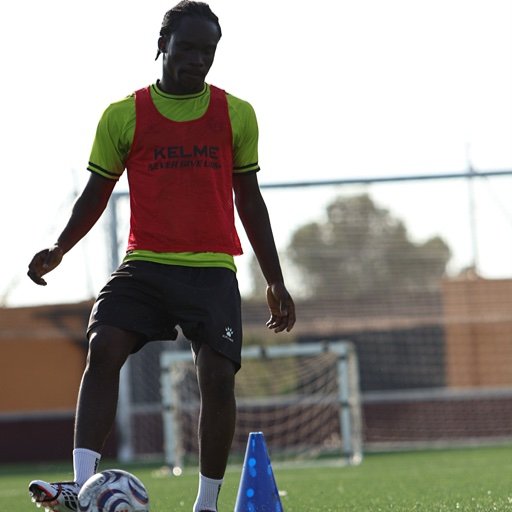
For pressing to work well, the whole team needs to move as one, instead of just one player chasing the ball. If a defender presses by themselves, the other team can pass around them and use the open spaces. Teammates should help by closing passing lanes, talking to each other, and staying close between the defense and midfield.
At Alicante Football Academy, we use 2v2 possession drills in set zones to help players learn their roles. As they get better, we take away the restrictions so they have to talk, move, and press as a group.
A study of 153 Bundesliga matches showed that teams who applied more defensive pressure were more likely to win the ball back. This shows how important it is for defenders to work together.
To practice this, try a small-sided game. Give teams one bonus point if they force a backward pass and two points if they win the ball back by pressing together.
Encourage teamwork instead of focusing on single tackles. Keep track of how often your team wins the ball, forces backward passes, or lets opponents get past the press. This helps players see how talking, good positioning, and moving together make defense stronger.
Which Counter-Pressing Exercises Can Improve A Team’s Reaction After Losing The Ball?
Counter-pressing helps players react right after losing the ball and try to win it back before the other team gets away. The closest player puts pressure on the opponent, while teammates close passing lanes and block escape routes.
Begin with a 4v2 possession drill. Four attackers try to keep the ball away from two defenders. If the defenders win the ball, they try to dribble out of the area. The attackers must quickly switch to defense and try to win the ball back before the defenders get out.
Next, move to a 4v2-to-6v4 drill with two playing areas. Place four attackers and two defenders in a small area, and have four more players outside to support the defenders. If the defenders win the ball, the attackers should try to win it back before the defenders can pass to someone outside. If the pass goes through, all ten players move to the bigger area and play a 6v4 possession game.
Keep counter-pressing as long as teammates can help apply pressure and block passes. If the other team gets away with the ball, players should get back into their defensive positions instead of chasing. Giving a five-second bonus for winning the ball back can help players react faster.
FIFA’s counter-pressing training session explains that stopping opponents from moving into another zone is a good training goal.
Players should also prepare to lose the ball by staying close to teammates and protecting the middle of the field. Good counter-pressing relies on positioning, communication, and quick reactions, not just speed.
CAN YOU KEEP THE BALL WHEN THE PRESS ARRIVES?
Swap roles and work on the other side of the same problem. Our technical training guide explains how first touch, scanning and body position help you receive under pressure. Use it to choose what to practise next, whether you play in defence, midfield or attack.
Explore our technical training guide
How Can A Press-From-The-Front Practice Progress Into A Small-Sided Game?
High pressing begins when the forwards put pressure on defenders and push them into making predictable passes. The goal is to win the ball back near the opponent’s goal as the whole team moves up together.
Begin with a goalkeeper, two centre-backs, and a midfielder playing against two pressing forwards. Run passing drills where the forwards practice curved runs and different approach angles. One forward presses the centre-back and blocks the pass to the midfielder, pushing play toward the sideline. The other forward covers the return pass or switch.
Move on to situations where the goalkeeper can play to either side. Forwards should look for pressing triggers, like a bad first touch or a slow pass, instead of just chasing the ball every time.
Next, add midfielders and defenders who move up together with the pressing forwards. They need to stay close, block passing lanes, and stop the other team from playing through the press.
End with a 6v6 small-sided game including goalkeepers. Give bonus points when a team wins the ball near the opponent’s goal and creates a shot. In the last round, take away the bonus to see if players still make good pressing choices on their own.
How Can Coaches Train A High Press?
Assign one team to build up play from their goalkeeper, while the other team focuses on pressing high up the field. Forwards should start the press, midfielders block central passing lanes, and defenders move up to keep the team compact. Keeping the lines close together stops opponents from breaking through and helps teammates support each other.
FIFA’s high-press analysis shows that pressing works best when the whole team, including the goalkeeper, stays organized.
For a 6v6 small-sided game, restart play with the goalkeeper and mark out an attacking third at both ends. Give bonus points if a team wins the ball high up the field and creates a chance to shoot. Begin with short build-up passes, then add longer passes to make pressing situations more realistic.
When practicing goal kicks, follow IFAB Law 16. This rule says opponents must stay outside the penalty area until the ball is kicked and has clearly moved.
Defenders should move up when the team is pressing well, but be ready to drop back if an opponent has time and space to play a ball behind them. This keeps the high press strong without leaving open spaces in defense.
WORK ON YOUR GAME WITH US IN SPAIN
If you are ready for structured training with our UEFA Pro licensed coaches, send us your playing background, position and preferred dates. We’ll review your information and explain the next steps, including how our programme could fit your current level and goals.
Apply to Alicante Football Academy
How Can A High Press Create More Scoring Opportunities?
When a team wins the ball close to the opponent’s goal, it has a shorter distance to go before creating a scoring chance. It is important to attack quickly so the other team does not have time to get organized.
Once the team wins the ball back, supporting players need to react immediately. One player should be ready for a short pass, while another makes a run behind the defense. The player who wins the ball can then choose to shoot, pass quickly, or work with teammates.
How Can Teams Train Pressing From A Mid-Block?
Begin with a compact midfield shape and let the opponents keep the ball until they reach the halfway line. According to FIFA’s mid-block analysis, it is important to protect the central areas and pick the right time to press.
Play in a way where your team starts defending near the halfway line and lets the other team keep the ball. Stay close together and protect the central passing lanes until you spot pressing triggers, like a backward pass, a bad first touch, or a pass toward the sideline.
When you see a pressing trigger, the closest midfielder should press the ball. Forwards block passing options, and defenders step up to keep the team close together.
The aim is to press as a team at the right time, not to chase the ball all the time. This way, you can force the other team into predictable passes or win the ball back.
How Do Pressing And Transition Work Together?
After winning the ball back, keep play moving so the team can quickly switch from defense to attack. If there is a chance to pass forward, teammates should make fast runs to support and work together to create chances to score. If attacking right away is not possible, focus on keeping possession by choosing safe passes.
If the other team gets past the press, players should react quickly, talk to each other, and get back into a tight defensive shape instead of chasing the ball on their own.