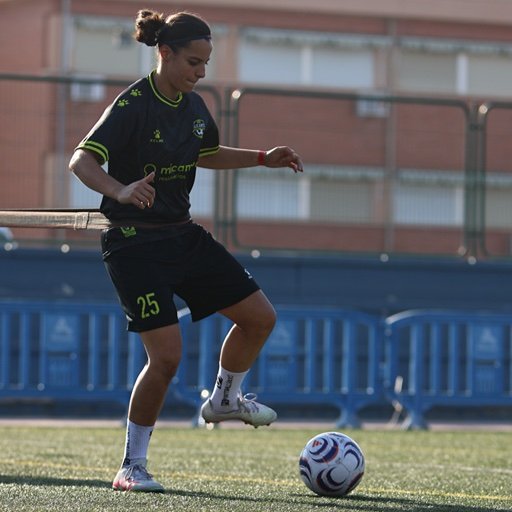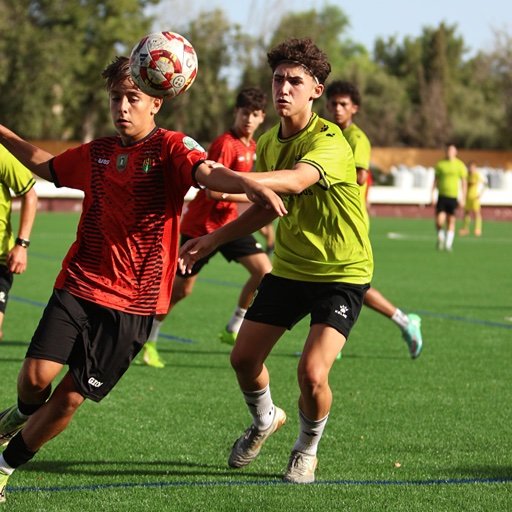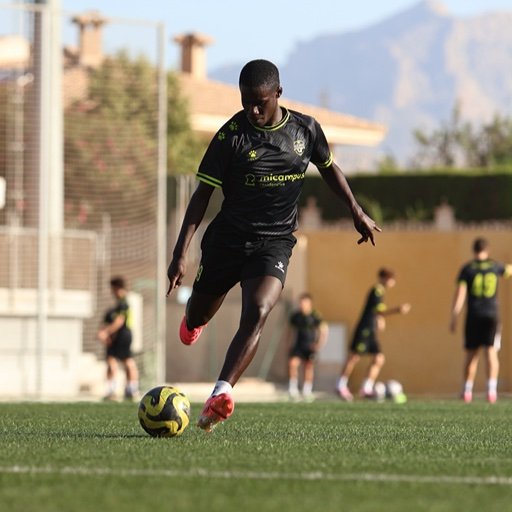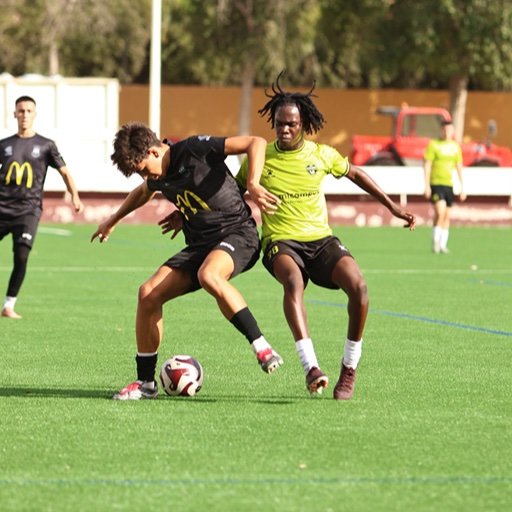


Key Takeaways
- Turning professional at 16 is tough, but it can happen if you have talent, discipline, and the right football environment.
- Playing in real matches is more important than showing training videos, since scouts want to see how you handle pressure.
- Professional clubs look at the whole player. They consider your skills, tactical awareness, fitness, mindset, and how consistent you are.
- There isn’t just one way to make it. Players can move forward through academies, local clubs, semi-pro teams, trials, showcases, college soccer, or lower-league chances.
- At 16, your daily habits really count. How you train, sleep, eat, study, recover, and your attitude all play a part in your success.
Table of Contents
How To Become A Professional Footballer At 16
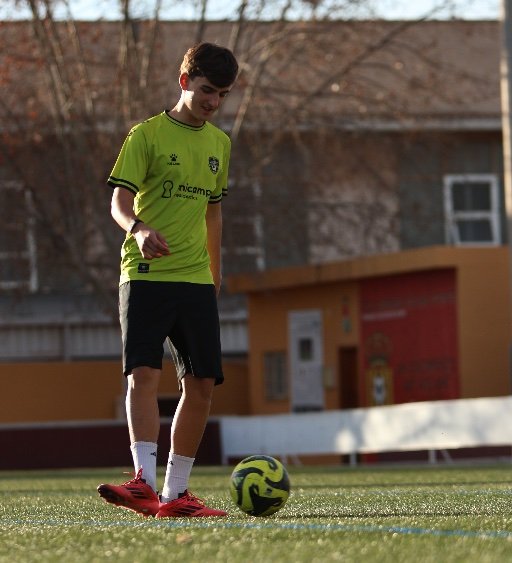
Becoming a professional footballer at 16 is challenging, but it’s possible with the right training, playing at a strong level, getting noticed, and staying disciplined. At this point, talent alone isn’t enough. You need a plan that includes good coaching, real match experience, physical development, exposure, and steady progress.
Being a professional footballer is about more than just playing well. FIFA says a professional player has a written contract with a club and earns more than it costs them to play.
Your goal isn’t just to get noticed. You also need to be ready for a club to trust you in real matches.
At 16, focus on these key areas:
- Play for the best team where you can compete well
- Train with coaches who help you improve your weaknesses
- Get real match experience and collect game footage
- Work on your fitness in measurable ways, such as speed, endurance, strength, and recovery
- Learn your position well and improve your understanding of tactics
- Get honest feedback before you attend trials
- Make sure scouts, coaches, and clubs see you playing in the right football environment
- Act like a professional and stay disciplined, even before you have a contract
Professional clubs look at the whole player. They want to see technical skills, tactical understanding, physical fitness, a good attitude, willingness to learn, and consistent performance.
There’s no single guaranteed path to becoming a professional footballer. Some players join through academies, others through clubs, trials, or by impressing scouts over time. No academy can promise you’ll go pro, and we don’t believe in making false promises. What we can do is help you train, live, and compete more professionally, so you’re ready when opportunities come.
Is 16 Too Late To Start Playing Football?
Most players in elite academies start football much earlier than 16, but starting at this age is not always too late. Your chances will depend on your athletic ability, the quality of your training, your discipline, and the opportunities you find.
The main thing to consider is whether you are starting from scratch or if you already play competitively.
If you already play regular 11-a-side matches, have good athletic skills, and understand the game, your next step might be to join a stronger club, an academy, or try out for a team.
If you are just starting at 16, begin by setting realistic goals. Join a local club, focus on improving your technique, get some match experience, and see how quickly you can progress to higher levels.
If you start at 16, you will need a faster and more focused training plan than someone who has been playing for eight or ten years.
This does not mean you need to train for seven hours a day until you are worn out. Instead, focus on making the most of your training time.
How Do Players Aged 14 To 16 Transition To Professional Football?
For a lot of players, ages 14 to 16 are key years to join academies, pick a position, and get serious about football. This is when many start moving from playing for fun to understanding what real training and competition involve.
At this stage, just training casually is no longer enough.
Players need to learn how to train with structure, play regular matches against stronger teams, and start understanding tactics. It’s also important to settle into a clear position, because clubs want to see where each player fits best on the field.
From our experience, the biggest change at this age is not just physical but also mental.
By the time they turn 16, players should start asking themselves:
- Am I training hard enough?
- Am I working on my weaknesses, or just doing what I enjoy?
- Do I really understand my position on the field?
- Do I perform well in matches, not just in training?
- Can I handle feedback without letting it affect me too much?
Clubs may check if you already have the technical, physical, and mental foundation to progress.
Your path can also depend on your country, club system, skill level, education, family situation, and whether you have access to scouts or academies.
READY FOR A MORE SERIOUS FOOTBALL ENVIRONMENT?
At 16, the next step should be clear: structured training, competitive matches and honest feedback from coaches who know what higher-level football demands. Send us your details and we’ll review where you are now.
Apply to join Alicante Football Academy
What Does A Realistic Player Pathway Look Like?
There are several paths to becoming a professional footballer. The best option for you will depend on your current skills and experience.
| Pathway | Best For | What It Gives You | Main Limitation | Good Next Step |
|---|---|---|---|---|
| Local club | Beginners or players building match rhythm | Regular games and basic development | Limited scout visibility | Move to a stronger league when ready |
| Professional academy | Serious players aiming for elite football | Coaching, structure, matches and exposure | High competition and commitment | Use feedback to prepare for trials |
| Football school or residential academy | International players or late developers | Daily training, lifestyle structure and development support | Requires relocation and discipline | Build footage and test yourself in matches |
| Semi-pro or lower-league club | Older youth players who need senior intensity | Physical games and adult football experience | Less technical development in some teams | Perform consistently and move upward |
| College or university soccer | Players who want football and education | Balance between sport and academics | Level varies by country and programme | Use the platform for development and exposure |
| Trials and showcases | Players with evidence of ability | A chance to be evaluated quickly | Short window to impress | Arrive fit, prepared and with match footage |
The path can look different for everyone. Some players begin at a local club, then join an academy, go to trials, and play for a semi-pro or lower-league team before moving up again.
What’s important is that each step offers you coaching, competition, exposure, and a way to see your progress.
How Do You Get Scouted By Professional Clubs?
Scouts, coaches, and club contacts are more likely to notice you if you perform well in places where they can see you play.
This often happens at competitive matches, tournaments, trials, academy games, school competitions, showcases, strong local leagues, or even through online match videos.
Scouts need real proof of your ability. They cannot judge your level from a few tricks in the park, a message about your talent, or only training clips.
A strong player profile makes it easier for scouts to evaluate you and should include:
- Your full name and age
- Position and strongest foot
- Current club or team
- Clear match footage, not only training clips
- Recent competition level
- Height and basic physical information
- Accurate contact details for you, your parent or your coach
- A short, honest explanation of what you are looking for
A lot of young players make the same mistake. They say they are talented but forget to include match videos, their position, team level, or clear football background.
This makes it difficult for scouts or coaches to evaluate them.
Our scouting contact guide explains that scouts and coaches usually need useful evidence like match schedules, player background, and clear footage before they can take a player seriously.
Why Is Competitive Match Experience Essential?
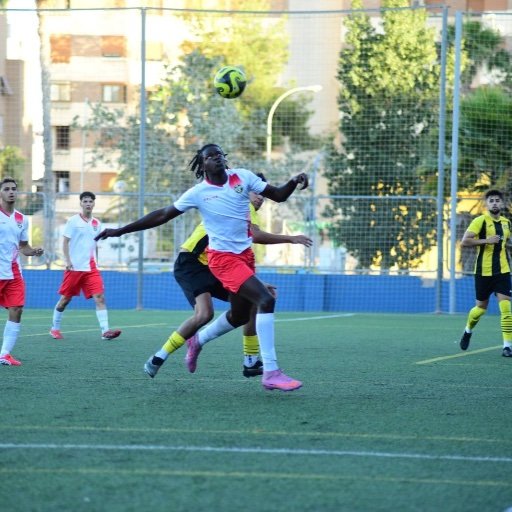
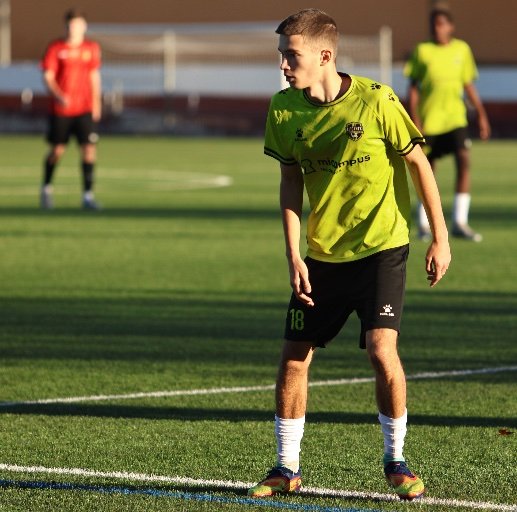
Competitive matches show things that training can’t. Professional clubs want to see how you play in real games, not just in drills or small practice sessions.
In real games, coaches watch your decisions, energy, teamwork, communication, body language, and how you deal with pressure. They see how quickly you think, how you react to mistakes, how you handle tough play, and if you stay focused when things get hard.
A player might do well in drills but struggle when the game is fast, physical, and unpredictable. That’s why your training skills need to show in real matches. Being good in practice isn’t enough. You need to prove you can help the team in real games.
At 16, look for the toughest competition you can handle and still get playing time. Sitting on the bench for a top team isn’t always better than playing a lot for a slightly lower-level team. Your goal is to keep improving, keep competing, and show what you can do in matches where coaches and scouts are watching.
COMPARE PROGRAMMES BEFORE YOU CHOOSE YOUR PATHWAY
Different players need different timeframes. Some need a short stay to prepare for trials, while others need a longer academy season to build consistency, match rhythm and exposure. Review the options before deciding.
View programme pricing
How Do You Play In Competitive Leagues And Tournaments?
Try to join the best team you can find nearby. This could be your local club, your school team, a regional league, an academy, a showcase team, or a tournament squad.
When choosing a team, look beyond just the club’s reputation. Pick a place where you’ll get plenty of playing time, face the right level of challenge, and get useful feedback from coaches. Playing regularly in a competitive environment is often better than sitting on the bench for a top team.
Tracking your progress matters. Save your match videos, keep track of your playing time, review your games, and ask your coaches what you can improve. At Alicante Football Academy, we encourage players to understand their own growth. Players who know what they’re working on often develop faster than those who wait for others to tell them.
What Technical Level Do You Need To Become A Professional Footballer?
If you want to play professional football, you need solid technical skills that work even when the pressure is on. Fancy tricks alone will not cut it. Your technique has to hold up when the game gets fast, tough, and crowded.
Some of the most important technical skills include first touch, passing range, receiving the ball under pressure, dribbling with purpose, shooting, finishing, crossing, defending, using your weaker foot, striking the ball, and turning away from pressure.
Your first touch is especially important. If it is not good, the game slows down and opponents can close you down quickly. Your weaker foot is important as well. You do not need both feet to be equal, but you should be able to pass, receive, and escape pressure with either foot.
You have to practice these skills again and again until you can trust them. Training is only the start. The real test comes in real games, at full speed, against defenders who are trying to stop you. That is when your technique really matters.
What best describes your current football situation at 16?
What is your biggest problem right now?
Solution:
Your next step is to move into a more serious football environment where you train with structure and play regular competitive matches. Focus on improving your position, collecting match footage, and getting honest feedback from coaches before attending trials.
Solution:
Your priority is to build a trustworthy player profile with clear match footage, position details, current club level, and recent game experience. Then look for trials, academy games, showcases, or club opportunities where coaches can evaluate you in real match situations.
What is your biggest problem right now?
Solution:
Start by joining the best local team or academy environment where you can actually play, not just sit on the bench. Build your basics quickly through regular training, real matches, position-specific work, and consistent feedback from qualified coaches.
Solution:
Do not rush into trials before you have proof of your level. First, get regular match experience, improve your fitness and technical foundation, record good game footage, and create a simple player profile so coaches can take your application seriously.
How Do You Refine Technical Skills?
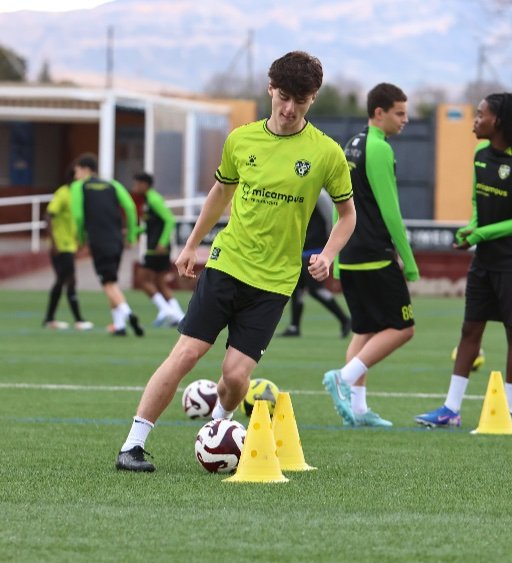
Getting better at technical skills takes regular practice, but it’s important to make that practice realistic. Practicing ball control every day helps you feel more confident and comfortable with the ball. Still, only doing cone drills is not enough. You should also work on your technique at game speed, with awareness, under pressure, and while making quick decisions.
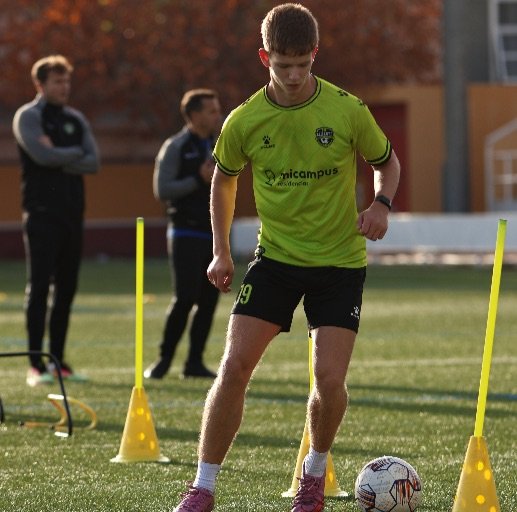
A strong technical plan should have daily ball control, passing while under pressure, first-touch practice, finishing drills, position-specific exercises, and small-sided games. Players need to train both their strong and weak foot, because in professional football you often have to receive, pass, dribble, or finish quickly with either foot.
Practice finishing from real angles and in situations that feel like a real match, not just from easy shots with no pressure. Position-specific training matters too, since wingers, midfielders, strikers, and defenders each need different technical skills.
The goal isn’t just to look good in training. What really matters is keeping your technique sharp at game speed and being able to use it in real matches when opponents are putting you under pressure.
How Do Clubs Assess Tactical Understanding And Football IQ?
Football IQ is about reading the game, making quick decisions, and understanding what your team needs tactically. It goes beyond just having the ball. It means knowing where to be, when to move, when to press, when to cover, and how to help your team throughout the match.
Clubs judge your tactical level by watching your positioning, scanning, movement, pressing, transitions, and decisions. They want to see if you truly understand the game, not just if you have good technique.
A smart player knows when to press or hold their position, when to pass forward or keep the ball, and when to make a run or create space for a teammate. They also know how to slow the game down, cover for others, and talk to teammates before problems happen.
Research on football talent shows that being a good player is about more than just one skill. A major review found that talent identification in men’s football considers many things, like physical ability, maturity, technical skills, tactics, and psychology, not just one trait.
This is why being tactically aware can help you stand out, even if you are not the fastest or strongest player.
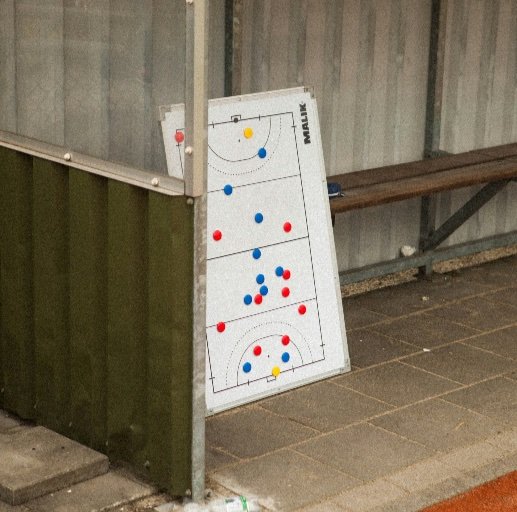
When you watch games, focus on your position. Don’t just follow the ball. Watch the player who plays your role. Notice where they stand before getting the ball, how they look around, how they move after passing, and how they defend when their team loses the ball. Also, learn how your role changes in different systems, such as a 4-3-3, 4-2-3-1, high press, mid block, or counter-attacking team.

What Physical Standards And Conditioning Do Professional Footballers Need?
If you want to play professional football, you need speed, endurance, strength, agility, power, and the ability to stay injury-free. Your training should help you play better during matches, not just lift more in the gym.
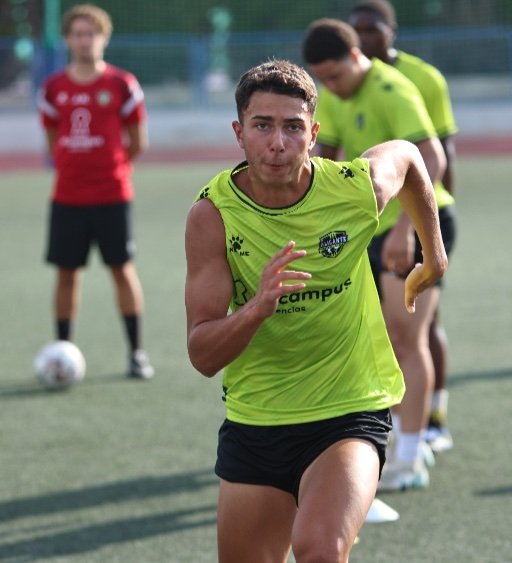
At 16, your training should be right for your age and guided by qualified coaches. Work on getting faster, doing repeated sprints, changing direction, competing physically, recovering quickly, and moving well to help prevent injuries.
The goal isn’t just to run faster or get stronger. You also need to stay fit enough to keep your first touch, passing, receiving, shooting, pressing, and decision-making sharp, even when you’re tired near the end of a game.
A common mistake at your age is copying adult professionals without understanding what works for your own body. Your training plan should consider your growth, training background, injury history, and playing position.
Your conditioning should make you a better footballer, not just improve your gym numbers.
How Do Nutrition, Recovery, And Lifestyle Affect Your Chances?
Your daily habits affect how often you can train well and how quickly you improve. What you eat and how you recover play a big role in your performance, growth, injury risk, and consistency.
If a young player does not sleep enough, eats too little, does not drink enough water, or skips recovery, it will be hard to train and compete at a high level. Even with talent and effort, the body will not adapt well if habits outside training are poor.
If you are a serious 16-year-old football player, focus on the basics. Eat enough good food to help you grow and train. Get carbohydrates for energy and protein to help your body recover. Drink water throughout the day, sleep well, rest after tough sessions, speak up if you feel pain, and avoid habits that hurt your performance.
Poor lifestyle choices can slow your progress, even if you train hard. If you want to become a professional footballer, start building good habits before you sign a contract.
PREPARE FOR REAL FOOTBALL TRIALS
Trials are not only about showing skill. Coaches look at your decisions, intensity, attitude and how you perform in game situations. Learn how our trial pathway works before you take your next step.
Learn about football trials in Spain
What Mentality And Discipline Do You Need To Become A Professional Footballer?
Mindset is what sets serious players apart from casual ones. At 16, talent might get you noticed, but discipline is what helps you keep going.
To play football professionally, you need resilience, patience, humility, competitiveness, and the ability to learn from others. Serious players are ambitious, but they also stay disciplined. This means showing up on time, training with focus, accepting feedback, respecting teammates, staying calm after mistakes, and working hard even after setbacks.
Rejection is part of the process. Injuries, mistakes, and bad games are normal. Sometimes trials do not go as planned. These setbacks are just steps along the way, not reasons to give up.
A serious player does not give up when football gets tough. They also know that what they do off the pitch is important. School, family life, sleep, attitude, communication, and personal choices all shape how coaches view them.
At our academy, we often learn more from how a player responds to feedback than from a single good training session. Players who listen, make changes, and keep improving usually earn more trust from coaches.

How Can Coaching, Mentorship, And Support Improve Your Pathway?
Good coaching helps you get better more quickly because it points out things you might not notice on your own. It also helps you avoid picking up bad habits before they become hard to fix.
A mentor can guide you through trials, club choices, tough decisions, setbacks, and help you figure out your next steps.
Your support network might include people like:
- Parents
- Coaches
- Teachers
- Teammates
- Physios
- Strength coaches
- Agents or club contacts
- Experienced players
It’s important to look for honest feedback, not just encouragement. Encouragement matters, but if you want to improve, you also need people who will tell you where you can get better.
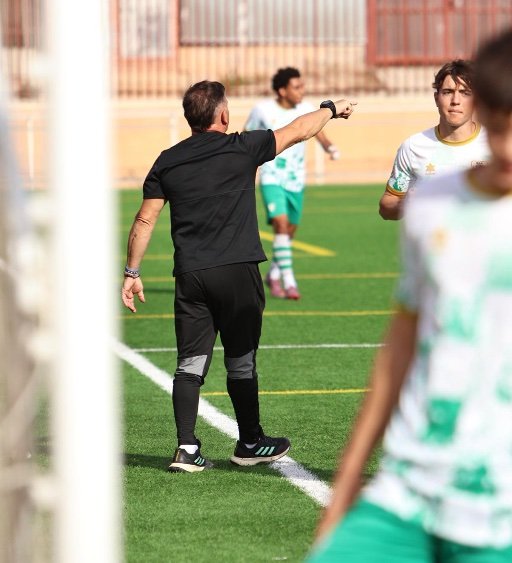
At Alicante Football Academy, our UEFA-certified coaches help players grow both on and off the field. They focus on technical skills, tactics, fitness, match performance, and career choices. We want players to train with a clear purpose, not just train more.
Our trial pathway is designed to help players get ready for the next step. We welcome international players to Alicante, train them every day, and help them prepare for chances with clubs in Spain and Europe.
This kind of support can really help a 16-year-old player who needs structure, confidence, and a practical plan.
What Common Mistakes Derail Football Careers?
A lot of talented players don’t make it because of their habits, not their skills. Things like a negative mindset, not getting enough exposure, making bad choices, or having low daily standards can hold a player back, even if they have talent.
Some common mistakes include waiting too long to join a competitive team, training alone without playing in real matches, overtraining without adequate support, neglecting school, choosing low-quality trials, eating poorly, failing to recover well, not communicating clearly with coaches or scouts, and not collecting good match footage.
Avoiding these mistakes helps you become more professional. Serious players need to know that getting better at football isn’t just about training harder. It’s also about making smart choices, taking care of your body, finding the right place to grow, and showing coaches real proof of your skills.
Players should often check their plan, be honest about what’s working and what isn’t, and ask coaches or experienced people for clear feedback. Ignoring honest feedback is one of the quickest ways to stop getting better.
International players should also watch out for rules and big promises. Families need to stay away from people who offer unrealistic contracts, fake trials, or guaranteed club signings. A real football path should protect the player, not take advantage of their dreams.
MAKE YOUR PLAYER PROFILE EASIER TO TRUST
Scouts need more than a short message saying you are talented. Clear footage, match details and honest player information make it easier for coaches and clubs to evaluate you properly.
Read the scouting contact guide