
Key Takeaways
- Good passing drills train scan, body shape, first touch, and movement, not just the kick.
- Start with partner work and accuracy gates to clean up the technique.
- Move into triangles, rondos, and small-sided games to test decisions under pressure.
- Teach players when to play forward and when to recycle possession.
- Keep cues consistent: scan early, open up, receive across, play, and move.
Table of Contents
Football Passing Drills That Actually Translate To Match Day
The best drills go beyond just practicing passing. Good passing is not only about striking the ball well. It means checking your surroundings before you get the ball, keeping your body open, picking the right amount of power, receiving from the right angle, and moving again after you pass. A good pass starts before the ball reaches you and finishes when you are ready for the next play.
If a drill only has players standing still and passing the ball back and forth, it can help with rhythm and basic skills at first. But it will not prepare them for pressure, tight spaces, or deciding when to play it safe or attack. That is why the best passing sessions combine strong technical practice with real decision-making and movement.
Coaches should not rely solely on game-like drills. Players still need focused practice to improve their technique, timing, and consistency. The key is to use both types, and in 2026 the best passing sessions still balance clean technical repetition with game-like pressure instead of relying on only one training style. Start with structured passing to build good habits, then test those skills under pressure in more realistic games. After a few sessions, players often see better first touches, stronger passes, and fewer simple mistakes.
In this guide, we will cover everything from basic partner drills to rondos, passing patterns, and small-sided games. There are options for coaches, players, parents, and PE teachers, so everyone can find the right level.
What Is Football Passing And Why Does It Break Down Under Pressure?
Good passing is about finding the right teammate at the right time to help set up the next play. It’s not just about technique. Accuracy, timing, and smart decisions all need to work together.
Passing can break down for simple reasons. A player might receive the ball square instead of side-on. The support angle could be wrong, or the first touch might be rushed. The ball might be underhit or overhit. Under pressure or in tight spaces, these small mistakes stand out even more. Sometimes, players try to force a tough pass when it’s better to keep the ball and help the team stay in control.
In our experience, the fastest improvements don’t come from adding more drills. They come from repeating the same coaching points until they become habits: scan early, open up, receive across your body, play with purpose, and move to support again. This is how passing practice starts to show up in real games. Better passing not only helps one player look better on the ball, but also improves the team’s shape, speeds up play, and keeps everyone connected.
WANT MORE FOOTBALL TRAINING DRILLS THAT ACTUALLY CARRY INTO MATCHES?
Passing gets better faster when it sits inside a bigger training plan. This guide shows how we structure technical work, decision-making and progression so players are improving habits, not just collecting drills.
Read our football training drills guide
What Are The Types Of Passes And Why Do They Matter In Soccer Training?
The FIFA Training Centre describes common types of passes as push, lofted, driven, and switch of play. This is important because each type of pass needs its own training drill. For example, you would not coach a short support pass the same way as a long switch or a driven ball to a forward.
| Pass type | What it is for | Best drill family | Main coaching cue |
|---|---|---|---|
| Push pass | Keeping the ball moving over short or medium distance | Partner work, gates, rondos | Firm on the ground, clean angle, next action ready |
| Driven pass | Breaking lines or firing into feet faster | Diamond, split passing, target player | Punch through the ball without losing balance |
| Lofted pass | Escaping pressure or clipping into space | Long-passing zones, switch drills | Land it where the receiver can control it |
| Switch of play | Moving the ball to the weak side | Channel games, wide switch drills | Attract pressure first, then change the point |
In training, we start with retention and support passes to help the team settle into its rhythm and shape. Next, we introduce line-breaking passes, third-man combinations, and switches. Players should remember that not every pass needs to be difficult. Sometimes, making a simple pass is the best option.
How Do You Do Passing Drills In Football With The Right Setup And Rules
A good setup is simple. Put out cones, bibs, and plenty of balls so drills can restart quickly. Adjust the space to match the player’s skill level and the drill’s purpose. Beginners need shorter distances, while youth groups do well with medium ones. Advanced players can handle longer or more challenging passing lanes because they play faster and more accurately. Keep groups small so everyone gets lots of turns and no one is left waiting.
Setting clear rules makes passing drills work better. For beginners, a two or three-touch rule is helpful. With more advanced players, you can add one-touch limits, scoring, time limits, or defenders to push quicker decisions. The main thing is to keep the drill moving. Long lines slow everyone down, and players lose focus. It’s better to split into two or three smaller groups than have everyone wait in one big line. Players improve faster when coaching points stay consistent, like scanning early, receiving the ball across the body, playing with purpose, and moving to support, instead of changing the drill too often.
SEE HOW WE COACH THESE DETAILS INSIDE OUR ACADEMY
Good passing does not improve in isolation. It improves when players train every week with clear coaching cues, realistic practices and honest feedback. See how our academy in Spain is set up.
Explore the academy
How Does Footwork Create Precision Passing?
Precision starts before you even touch the ball. Take small steps to adjust, keep your plant foot steady, and stay balanced at your hips. These habits help you set up the passing lane, control your direction, and use the right amount of force. If you keep missing by a few inches, it’s probably not about effort. Usually, your feet arrived late or your body wasn’t set, especially when you’re under pressure.
This matters even more in one-touch and two-touch situations. The basics really count: get there early, adjust your feet, set your plant foot, and keep your balance as you pass. If your feet are slow, your touch will feel rushed. But if you arrive early, you can disguise your pass, be more accurate, and get ready for the next play more quickly.
Why Are Vision Awareness Space And Timing Key For Effective Passes?
When you are about to get the ball, try not to stand in line with a defender or wait flat without an angle. Good support starts with checking your surroundings early and spreading out to make it harder for defenders and open up a clear passing lane. A simple rule for young players is to look once before the ball is passed and once while it is on the way.
Timing matters just as much. If you get to your spot too early, you will be standing still. If you are too late, the passing lane disappears. The best support players do not just run anywhere. They move at the right moment and from the right angle, so they are ready to receive the ball and not blocked by defenders.
How Do You Maintain Composure And Accuracy In Tight Situations?
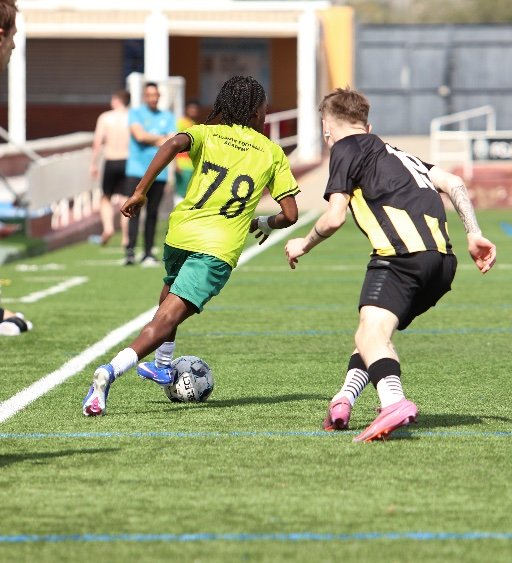
When space is limited, players tend to rush. This is a good time to focus on controlling the tempo. Remind players to breathe, stay calm, and use their first touch to move away from pressure. During training, set up smaller grids and tighter spaces to safely recreate the chaos of a real match, but make sure the setup still allows for clear repetitions and smart decisions.
This is an important part of passing during a match. Players do not always have to force a risky forward pass. If the forward lane is blocked, they should make a safe pass, keep possession, move the opponent, and wait for a better chance. Good teams know when to take risks and when to stay in control.
What Are The Best Partner Passing Drills For Football To Build Rhythm?
Starting with partner work is helpful because it gives players lots of good repetitions and helps them develop coordination, timing, and a better feel between the passer and receiver. Place two players 8 to 15 yards apart, and set a small cone gate next to each receiver so they can practice both short and medium passes. The aim is not just to pass and stop. The receiver should use their first touch to go through the gate, keep their body open when they can, and get ready to make the next pass quickly.
Coach players to pay attention to their body shape, how hard they pass, using their weaker foot, taking their first touch into space, and receiving the ball while turning. To make the drill more challenging, you can change the distance, add one-touch passes, or include a passive defender who blocks one side. For some competition, set goals like being the first pair to finish 25 clean passes or earning a point for every clean first touch through the gate. This drill is simple for young players to learn but still gives coaches lots of ways to help them improve.
CHECK THE PROGRAMME OPTIONS BEFORE MAKING A DECISION
Some players need a shorter block to sharpen up. Others need a longer academy period with more time to develop. Compare the programme options and see what fits your stage, timing and budget.
View programme options
What Drills Improve Passing Accuracy?
To help players pass more accurately, use gate passing or target passing instead of random passes. Set up two or three gates so players pay attention to the ball’s path, their angle, and speed. You can also add a scoring system to give players a clear goal and help them track progress. For example, ask them to make 8 out of 10 passes through the gate or see which pair can complete 20 clean passes first.
Start with unopposed drills so players can work on their technique. Next, add some passive pressure, and then introduce a defender. If a player keeps missing slightly, it’s often a technical problem. Look at their body shape, plant foot, locked ankle, contact point, and whether they are leaning away from the ball. That’s why it’s important to have sessions focused just on technique. The 2025 study on passing-skill training also shows that isolated passing drills are still helpful for improving pure passing accuracy.
What Are The Best Passing And Movement Drills In Football For Team Play?
Triangle, diamond, and Y-shaped drills work well when players understand why they use them. These drills help players learn about support angles, third-man runs, and why it’s important to move after passing instead of just watching. With this approach, players have more passing options and the ball moves faster because support is ready.
Use clear coaching cues such as pass and move, create the third man, and don’t stay on the same line. Begin the drill without defenders so players can learn the pattern. Then add one defender. In the last step, turn it into a directional possession game. This helps players experience the same passing situations they’ll face in real matches.
What Technical Passing Drills Improve First Touch And Receiving?
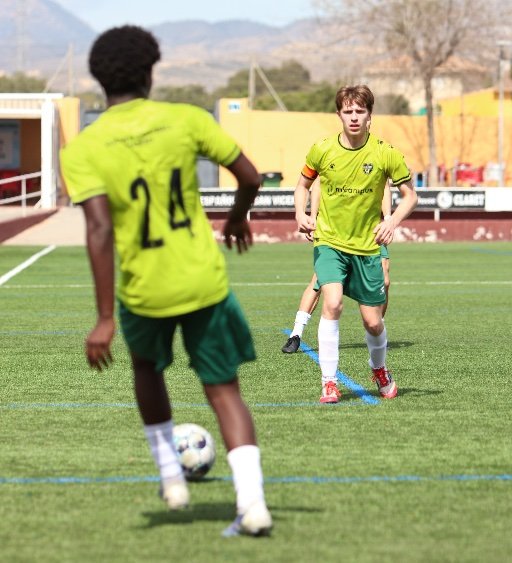
Good passing begins with a strong first touch. Try this drill: set up a server, a receiver, and a pressure cue. The server passes the ball, and the receiver moves to create space, opens up, receives the ball across their body or away from pressure, and passes to a new target in two touches or less. To make it harder, add a mannequin or defender on one side. This forces the receiver to scan early, find the safer side before the ball comes, and receive on the half turn to play more quickly.
The FA’s receiving guide emphasizes looking around, and FIFA training materials focus on scanning, staying open, and making quick, firm passes. That’s why every first-touch drill should answer one main question: where is the next pass?
What Are The Best Quick Passing Drills For Football With One Touch And Two Touch Rules?
Use rondos and box possession games for this. Start with two-touch play to maintain quality. Move to one-touch when players are ready, and the spacing is right. One-touch helps with ball speed and quick decisions, but it doesn’t work well when the area is too tight, and players are just poking at the ball. Set up the space with clear passing angles and good support, but keep it small enough so players still have to move the ball quickly.
A simple progression works well: begin with two-touch, then switch to one-touch, and finally add live defender pressure in a 4v2 or 5v2 setup. The team scores only if the pass before the split has the right weight or if the passer quickly moves to create a new angle. This keeps the drill realistic and focused on real football skills, not just speed. Keep each round short and intense, and give players a short rest between rounds so the tempo and technical quality stay high, just like in a game.
What is the main passing issue you want to fix first?
What training setup do you have access to most often?
Solution:
Start with partner passing and gate drills over short to medium distance. Use two or three touches, focus on scan early, open body shape, receive across the body, and play firm passes through small targets. This is the best fit if you need clean repetitions to build rhythm, accuracy, and a better first touch before adding real pressure.
Solution:
Use triangles, diamonds, and Y-patterns first, then progress into directional possession. Keep the coaching points simple: pass and move, create a support angle, and do not stay on the same line. This setup helps players improve technique while also learning third-man support and better team spacing.
What training setup do you have access to most often?
Solution:
Use partner passing with gates, then add a passive defender, blocked side, or touch limit. The goal is to turn basic passing into decision-making by forcing the receiver to scan, choose the safer side, and play the next action quickly. This is the right progression if you do not have a full group but still need match-relevant pressure.
Solution:
Build around rondos, box possession games, and channel games with scoring rules for split passes, switches, or moving after the pass. Start with two-touch, then go one-touch only when spacing and quality are good enough. This is the strongest option for improving composure, quicker decisions, and passing that actually carries into real match situations.
What Are The Best Team Passing Drills In Football For Groups And Full Squads
For bigger groups, start with simple passing patterns and then move on to possession games, channel games, and end-zone build-up drills. One drill to try is an 8v8 channel game where teams must move the ball from one side of the field to the other before scoring. Give each player a basic zone or role at the start to avoid crowding. This approach teaches players patience, how to switch play, and how to draw pressure before using the open side.
To keep the drills competitive, reward the actions you want to encourage. For example, give a team a point for switching play and another point for a clean line-breaking pass into the next zone or end zone. If you want to add finishing without creating a shooting line, only allow shots after a switch or line break. This way, passing and finishing stay connected to real game situations.
What Are Long Passing Drills In Football And When Should You Increase Distance?
Instead of telling players to just “kick it far,” start teaching long passing by setting up zones and targets. Begin with driven passes over medium distances. Once players can strike the ball cleanly and keep good form, introduce lofted passes or bigger switches. When working on driven passes, focus on a steady plant foot, a firm ankle, and a clean strike through the ball. For lofted passes, teach players to control where they hit the ball and how it travels, so every pass has a clear purpose and isn’t just kicked high without direction.
A helpful guideline is to increase the passing distance only when the player can still pass with balance and accuracy, and help the receiver get a good first touch. For younger or beginner players, keep passes shorter and use bigger targets. For older or more advanced players, gradually make the passes longer and the targets smaller. Remember to coach the receiver as well: have them get side-on early, read the ball’s flight, and use their first touch to control the ball and prepare for the next move.
READY FOR A MORE SERIOUS FOOTBALL ENVIRONMENT?
For players looking for structured coaching, honest feedback and a clear route into Spanish football, the next step is a simple application. We will review your details and explain what comes next.
Start your application
What Are Common Mistakes To Avoid In Passing Drills
One common mistake is letting players stand still too often. If you always pass directly to their feet, it becomes predictable and easy for defenders. Try mixing up passes to the front foot, back foot, or into open space, and remind players to move after making a pass.
Another mistake is having long lines and too much waiting around. If only one player is active while the rest stand in line, the drill isn’t effective. Split the group into smaller stations, keep the lines short, and have extra balls ready so everyone gets more touches and practice.
Poor spacing is another issue. If players are too close, the drill becomes crowded and unrealistic. Passing angles are lost, touches feel rushed, and it doesn’t reflect real game situations. Use a big enough area to allow for clear passing lanes and proper support.
Adding one-touch rules too early is another mistake. While speed matters, players should first develop a comfortable rhythm before moving to faster play.
Ignoring decision-making is also a problem. Not every pass has to break through the defense. Players need to learn when to play forward, when to pass back, and when to keep possession by recycling the ball.
Changing the drill too frequently is another mistake. Most players improve more when the setup stays consistent and you adjust the challenge by tweaking the rules, adding pressure, or changing how you score.