
Key Takeaways
- The best football drills for 10-year-olds are easy to understand, quick to do, and simple to follow.
-
- A good session for under-10s should include ball control, dribbling, passing, shooting, defending, and small-sided games.
-
- Try to use the ball during warm-ups whenever you can, rather than only running or stretching.
-
- Most drills are most effective when they last between 6 and 12 minutes. This helps players stay focused and interested.
-
- For 10-year-olds, building confidence is just as important as teaching technique. When players feel comfortable with the ball, they tend to learn faster.
Table of Contents
Best Football Drills For 10 Year Olds
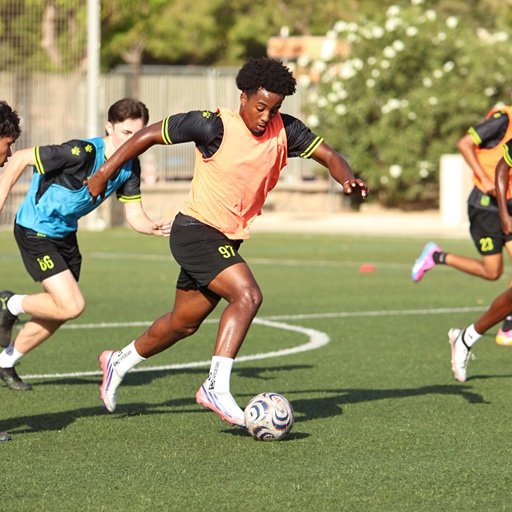
When you plan football drills for 10-year-olds, make sure each player gets plenty of meaningful touches on the ball.
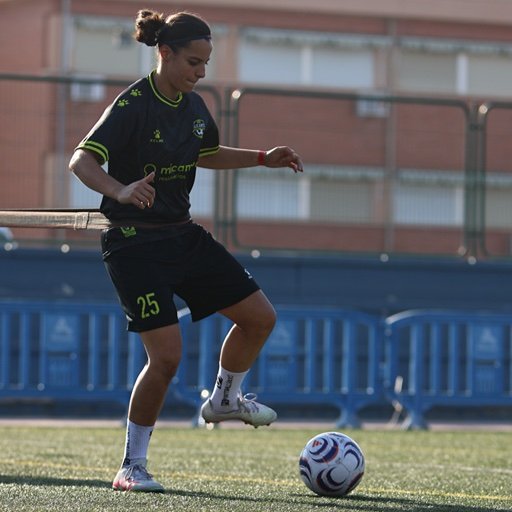
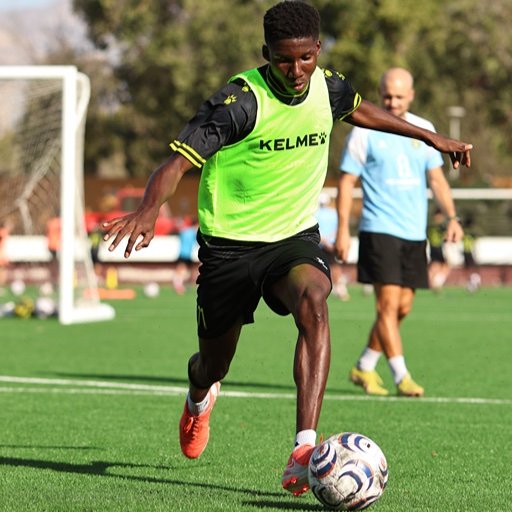
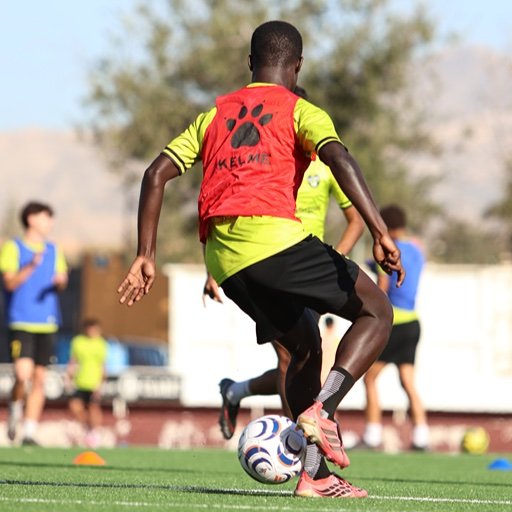
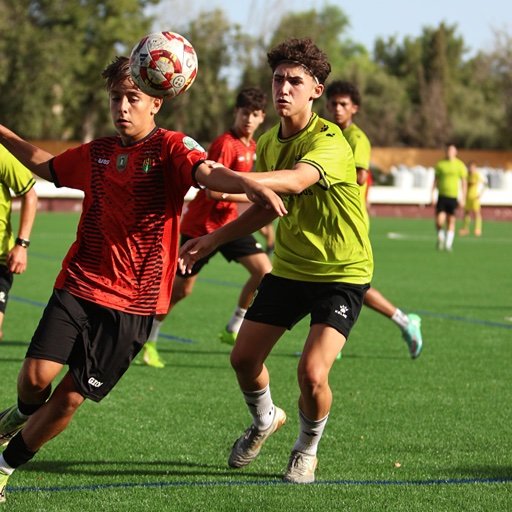
At the U10 level, kids are still picking up basic skills, building confidence, and learning how the game works. Drills should be simple, active, and easy to understand. Work with small groups, set clear rules, and try to avoid long lines. If kids are waiting around too much, the drill needs adjusting. The best sessions keep everyone moving, touching the ball, looking up, changing direction, and making quick choices.
Whatever you call them, basic, beginner, easy, or simple football drills, the best sessions help kids improve while still having fun.
In our experience, the best football drills for 10-year-olds focus on four main areas: ball control, dribbling under pressure, passing accuracy, and small 1v1 or 2v2 games for both attacking and defending. Repeating skills matters at this age, but it should not get boring. We add short challenges, races, scoring, and small competitions so players practice the same skill many times and stay interested. We also encourage kids to use both feet early,which helps them feel more confident and not depend only on their stronger side.
| Drill type | Skill developed | Simple example | Coaching tip |
|---|---|---|---|
| Ball control | First touch and comfort | Toe taps, sole rolls, inside-outside touches | Keep the ball close before adding speed |
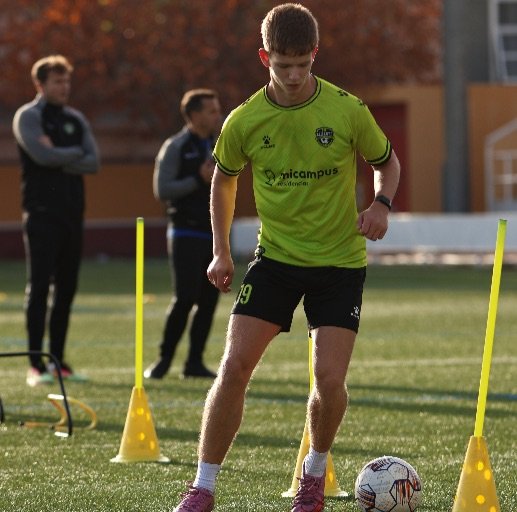
| Dribbling | Balance and confidence | Cone gates or 1v1 gate dribble | Encourage both feet and head-up moments |
| Passing | Accuracy and timing | Passing pairs or wall passes | Focus on weight of pass, not just direction |
| Shooting | Finishing confidence | Pass, move, shoot | Avoid long lines; use quick rotations |
| Defending | Patience and body shape | 1v1 channel defending | Delay first, tackle second |
| Small-sided games | Decision-making | 2v2 or 3v3 mini game | Let players solve problems before stopping play |
Small-sided games are especially usefulbecause they turn technical practice into real football decisions. Kids learn better when they use their skills in real situations.
Which Warm-Up Drills Prepare 10-Year-Olds To Train Well?
Warm-up drills for 10-year-olds should be fun and interesting, not just a routine before the main session. This is when players raise their energy, get moving, improve their movement skills, and practice their first touches.
The best warm-up drills for 10-year-olds mix movement with the ball. Kids this age shouldn’t just stand still, jog without purpose, or spend too long stretching before playing. A good warm-up should include dribbling, passing, turning, stopping, changing direction, speeding up, slowing down, and following simple instructions.
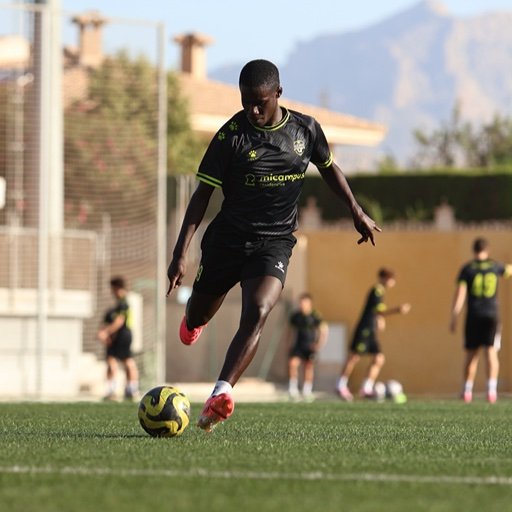
One easy and effective warm-up for 10-year-olds is a basic dribbling and passing drill.
Set up a 15 by 15 meter square with cones. Give each player a ball, or let two players share one. Players dribble around the area, keeping the ball close and avoiding others. When the coach calls out, they find a partner, make two passes, and then dribble away again. The coach can also give commands like turn, stop, use your weaker foot, pass, change direction, or speed up.
This drill prepares players both physically and mentally. They need to look around, listen, control the ball, avoid others, find space, react quickly, and make simple choices. That’s why we use warm-ups with the ball whenever possible. A good U10 warm-up should not only get the body ready, but also help players focus and prepare for the session.
READY TO MOVE FROM RANDOM DRILLS TO REAL FOOTBALL DEVELOPMENT?
A 10-year-old can improve with simple practice, but the biggest progress comes when every drill has a purpose. At Alicante Football Academy, we use structured training, professional coaching, and match-based development to help players build habits that transfer into real games.
Apply to join Alicante Football Academy
How Should A Warm-Up Balance Movement, Touches, And Focus?
A good warm-up should get players energized without making them tired. For U10s, it’s best to use warm-ups that combine movement with simple football skills. Rather than jogging or standing in lines, players can dribble, turn, change direction, move after passing, look for space, and react to the coach’s signal.
It also helps to match the warm-up to the main focus of your session. If you want to work on passing, include short passes, receiving, and moving into new spaces. If you’re focusing on dribbling, add close control, turns, changes of direction, and quick sprints.
For 10-year-olds, keep the warm-up lively and manageable. Run short activities for two to three minutes. Change up. Kids this age are interested when the movement is quick, but make sure the warm-up isn’t too tough so that they get tired before the session.
Here’s one way to warm up effectively:
- 3 minutes of free dribbling.
- 3 minutes of dribbling through cone gates.
- 3 minutes of pass-and-move with a partner.
- 2 minutes of a quick reaction game.
This routine gets players moving, gives them plenty of touches, keeps them focused, and makes the warm-up fun. It also helps make sure they don’t get tired before the main practice.
Which Passing And Receiving Drills Improve Accuracy And Soccer Possession?
After kids get the hang of dribbling, it’s time for 10-year-olds to work on passing and receiving. They need more than just the skill to “kick it to a teammate.” It’s important for them to learn about pass weight, timing, angles, body position, first touch, and how to talk to each other on the field.
The best passing drills for this age are simple to repeat and feel like real game play. Good drills also teach kids about keeping the ball, helping teammates, and moving into better spots after they pass.
One useful drill is gate passing. Place small cone gates around the field. Players work in pairs and score a point each time they pass through a gate to their partner. After each pass, both players move to a new gate.
This drill improves passing accuracy and teaches players to move when they don’t have the ball. The receiver shouldn’t just stand and wait. They should find a good angle, talk to their partner, receive the ball with the right body position, and use their first touch to set up their next move.
Another helpful drill is 3v1 keep away. Three players try to keep the ball from one defender inside a small square. The goal isn’t just to pass quickly, but also to help the player with the ball, use good body position, play away from pressure, and see how passing helps the team keep the ball.
Why Are Wall Passes, Passing Pairs, And Two-Ball Passing Useful?
Wall passes, passing pairs, and two-ball passing drills give young players plenty of useful practice.
A wall pass is great for practicing at home. The player kicks the ball against a wall, controls the rebound, and passes again. This helps build good inside-foot technique, control, and rhythm.
Passing pairs are great for building communication. Players practice calling for the ball, opening up, receiving across their body, and passing with both feet. These drills also work well in small groups, since players can switch partners, change angles, and keep the ball moving without waiting too long.
Two-ball passing is more challenging, but it really improves focus. Each player starts with a ball and both pass at the same time. It can be messy at first, but after a few minutes, players get better at watching each other, timing their passes, and staying alert.
That’s the main point. Passing drills should help players use their feet while also training their eyes and minds.
Which Shooting And Attacking Drills Help 10-Year-Olds Score With Confidence?
Start teaching shooting drills to 10-year-olds once they are comfortable with dribbling and passing. Keep finishing activities quick and enjoyable, giving kids lots of chances to shoot instead of having them stand around in long lines.
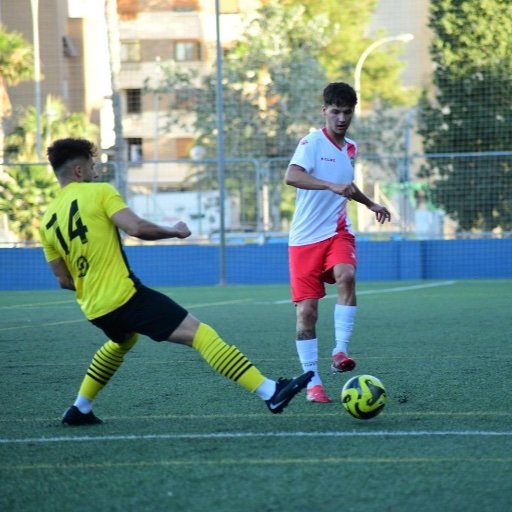
A simple drill to try is called pass, move, shoot. The player passes to a coach or teammate, runs forward to receive the ball again, and then takes a shot. This drill helps kids practice timing, movement, and builds their confidence in front of goal.
To help players learn to make decisions, use a 2v1 drill to goal. The player with the ball decides whether to pass, dribble, or shoot. This type of practice feels more like a real game and helps kids develop speed, timing, and confidence when attacking.
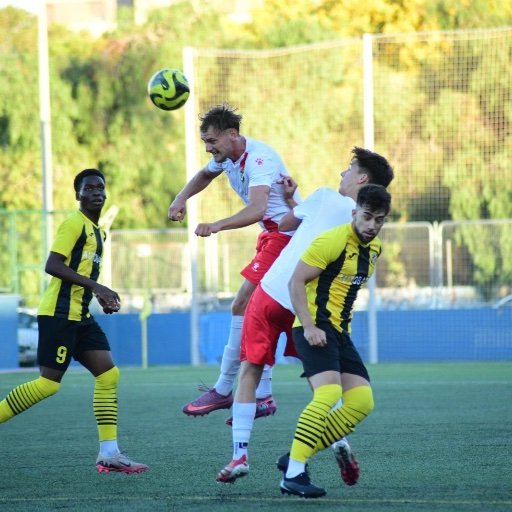
When teaching shooting, keep it simple. Focus on good balance, placing the standing foot next to the ball, and making clean contact. For this age group, it’s better to practice finishing with their feet rather than heading. IFAB has approved a deliberate heading trial for U12 and below, and England Football guidance says heading should not be introduced in training for U7 to U11 players.
WANT TO UNDERSTAND WHAT A FULL ACADEMY SEASON LOOKS LIKE?
If your family is comparing football development options, it helps to know exactly what is included before making a decision. See our programme lengths, accommodation, training structure, and full academy fees so you can plan with confidence.
View academy pricing
Which Defensive Drills Teach Pressure, Positioning, And Protection?
When coaching 10-year-olds on defense, focus on helping them stay calm and in control. Young defenders often rush toward the attacker and try to kick the ball right away. While this is a common reaction, it does not lead to good defending. The most important skill to teach first is patience.
Good defensive drills for 10-year-olds focus on body position, putting pressure on the attacker, recovering, and basic defending skills. Young players should learn to move in quickly, slow down as they get close, stay sideways, keep their balance, guide the attacker away from the goal, and get back into position if needed.
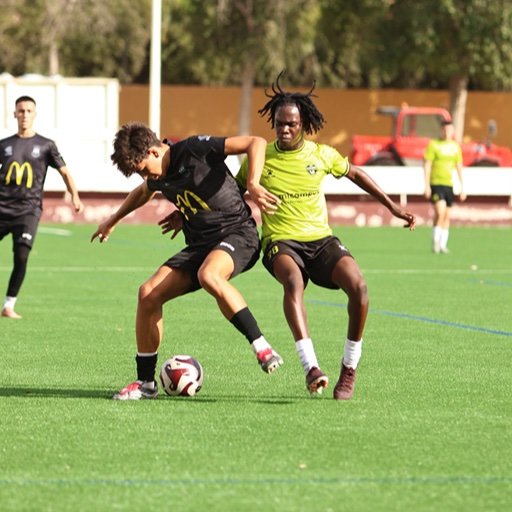
A simple defensive drill is the 1v1 channel. Set up a narrow channel with two cone gates at the end. The attacker tries to dribble through one of the gates, and the defender tries to slow them down, block them, or win the ball. The narrow space helps defenders practice staying in good position and staying in control instead of charging in.
Practicing defense also helps players feel more confident and understand the game better. They learn to spot danger, protect space, and know when to press, hold back, or get back into position.
What does your 10-year-old need most from football practice right now?
What training situation fits them best?
Solution:
Start with short ball mastery and dribbling work: toe taps, sole rolls, inside-outside touches, cone gates, and 5 minutes of juggling progressions. Keep it fun, use both feet, and finish with a small challenge like “how many gates in 60 seconds?”
Solution:
Use 1v1 gate attack and small-sided games. Let the player dribble at a defender, protect the ball, change direction, and decide when to pass or keep going. This builds confidence because the skill is practised in a real football situation.
What training situation fits them best?
Solution:
Focus on wall passes, passing pairs, first touch, and pass-and-move habits. Ask the player to receive across the body, use both feet, and move after every pass. This improves accuracy, rhythm, and confidence before adding defenders.
Solution:
Use 3v1 keep-away, 2v1 attacking, and 2v2 or 3v3 games. These drills help the player decide when to pass, dribble, shoot, support a teammate, or protect space, which is exactly what they need to transfer training into matches.
How Does One-On-One Defending Teach Timing And Control?
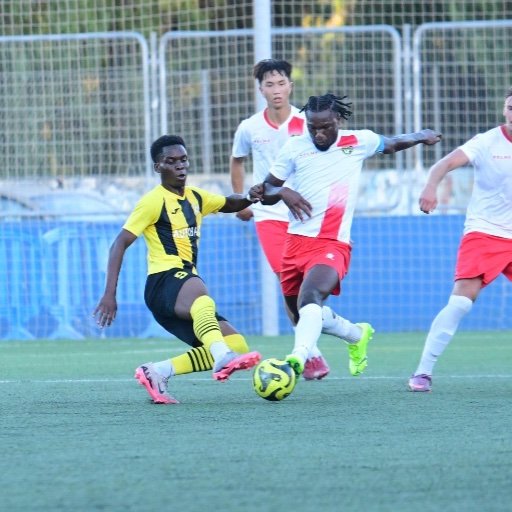
One-on-one defending is a useful drill for 10-year-olds because it helps every player. Attackers, midfielders, and defenders all have moments when they need to press, delay, recover, or win the ball back.
In a 1v1 defending drill, defenders work on getting close quickly, slowing down as they approach, staying balanced, and steering the attacker into a safer spot. The goal is not always to tackle right away. Sometimes, good defending means holding up the attacker until teammates arrive to help.
Keep the coaching cues simple:
- Fast, then slow.
- Side-on body.
- Stay balanced.
- Watch the ball.
- Do not dive in.
- Show them away.
If the defender wins the ball too easily, try making the space wider. If the attacker wins too easily, make the space smaller. The aim is not to embarrass anyone, but to create the right level of challenge.
Which Dribbling And Ball Control Drills Are Best For U10 Players?
Dribbling and ball control drills are key for helping 10-year-olds improve their football skills.
At this age, it’s important for kids to get as many touches on the ball as they can. They should practice moving the ball with every part of their foot, the inside, outside, sole, and laces. It’s also good for them to use both feet, even if one is stronger.
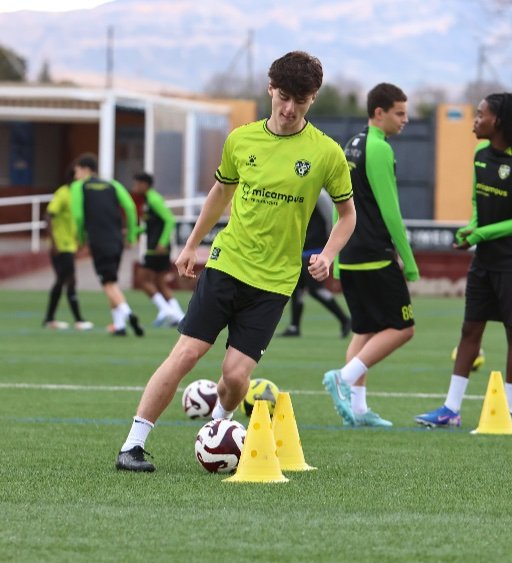
A helpful dribbling drill is called cone gates. Set up small gates in a square, and give each player a ball. They try to dribble through as many gates as possible in 60 seconds. You can repeat the drill and have them use their weaker foot or turn after each gate.
For a more advanced drill, try the 1v1 gate attack. One player is the attacker and tries to dribble through a gate, while the other is the defender and tries to stop them. This drill helps players handle pressure, improve timing, and build confidence.
Keep footwork drills short. If there’s too much cone work without any pressure, players can get bored and may not perform as well in real games. It helps to start with repetition, then add a defender or a small game to make practice more realistic.
Should 10-Year-Olds Do Ball Mastery And Juggling Work?
Keep ball mastery and juggling activities short, simple, and fun for 10-year-olds. These drills build touch, coordination, rhythm, and focus, but they should not be frustrating.
Start with kick-and-catch, where the player kicks the ball up once and catches it. Next, try two touches and catch, then move to foot-thigh-catch and right foot-left foot-catch. These steps help players learn juggling without feeling overwhelmed.
For ball mastery, use short sets like these:
- 20 toe taps
- 20 sole rolls
- 20 inside-outside touches
- 10 pull-backs with each foot
After that, play a dribbling game so the player can use those touches while moving. Practice should be regular but not too long. Five minutes each session works better than one long, boring session once a month.
Which Goalkeeper Drills Should 10-Year-Olds Practice?
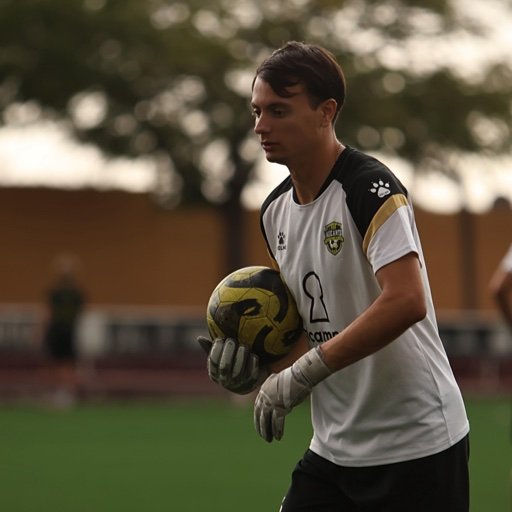
Goalkeeper drills for 10-year-olds should be simple, safe, and help them build confidence. Kids this age do not need to play only as goalkeepers. It is good for them to try different positions. You can still introduce basic goalie drills in short sessions to help them learn handling, body shape, reactions, and footwork.
Start by teaching the set position. Ask them to stand with their feet shoulder-width apart, knees slightly bent, hands ready, and eyes on the ball.
Next, practice simple handling. Roll the ball to the goalkeeper so they can move into position, bend their knees, get their hands behind the ball, and hold it. Then, repeat the drill with gentle throws to their chest and low balls to each side.
You can introduce safe diving techniques, but make sure they are right for their age. At 10, goalkeepers should first learn to move their feet and get behind the ball. Many good saves happen before a dive because the goalkeeper is already in the right spot.
The aim is not to create pressure or fear. Instead, help young goalkeepers feel safe, confident, and ready to enjoy playing in goal.
How Do Goalkeeper Footwork Exercise And Two-Cone Goalie Drill Build The Basics?
A goalkeeper footwork drill teaches players to move before making a save. Place two cones one metre apart and have the goalkeeper start in the middle. When the coach points left or right, the goalkeeper shuffles to that cone, returns to the center, gets ready, and then faces a simple shot or roll.
The two-cone drill helps goalkeepers work on balance, set position, and movement. It also keeps young goalkeepers active. At this age, good footwork matters more than diving because moving early helps the goalkeeper get behind the ball and make a safer save.
You can set up these drills as short stations during team practice. For example, while one group works on passing, another group can spend five minutes at the goalkeeper station. This lets goalkeepers build their skills without turning the whole session into goalkeeper training.
What Soccer Skills Should 10-Year-Olds Develop First?
When teaching football to 10-year-olds, it’s important to build skills step by step. The main aim isn’t to create a perfect player right away. Instead, focus on helping kids become confident, control the ball, move well, make simple decisions, and enjoy getting better.
The best football drills for 10-year-olds help kids grow in five key areas:
- Technique: first touch, passing, dribbling, shooting, and ball control.
- Awareness: looking before receiving, scanning, seeing space, and noticing pressure.
- Movement: changing direction, accelerating, stopping, opening the body, and moving after the pass.
- Confidence: wanting the ball, trying again after mistakes, using both feet, and playing without fear.
- Simple tactical understanding: when to pass, when to dribble, when to press, when to recover, and how to support teammates.
That’s why training for 10-year-olds shouldn’t be random. Each drill should relate to real game situations. For example, passing drills should also teach players how to move after passing. Dribbling drills should show when to keep the ball and when to pass it. Defending drills should help kids learn good body position, how to recover, and how to protect important areas on the field.
Teaching tactical and spatial awareness matters even for 10-year-olds, but it should be kept simple. Kids this age don’t need complex team tactics. They just need to learn the basics, like spotting where the pressure is, finding open space, knowing where teammates are, and deciding what to do next.
At Alicante Football Academy, we don’t treat drills as separate tasks. We link technical skills with decision-making, movement, confidence, and understanding the game. Our academy focuses on professional growth, with UEFA Pro licensed coaches, full-time training, and a Spanish football setting for players from around the world.
For 10-year-olds, we use the same approach but adjust it for their age. Good academy training isn’t about making kids train like adults. It’s about helping them build good habits early, with coaches who know how to guide young players step by step.
BETTER TOUCH COMES BEFORE COMPLICATED TACTICS
Many young players want to learn formations too early, but the real base is first touch, passing, ball control, movement, and confidence under pressure. Our technical training guide explains how we build those skills in a more complete way.
Read our football technical training guide
How Long And How Often Should 10-Year-Olds Practice Soccer Drills?
A 10-year-old doesn’t need a long technical session every day. For most kids, a good football practice is about 45 to 60 minutes. That’s enough time to warm up, practice a few skills, play a small-sided game, and cool down. Keeping it short also helps them stay focused.
Each drill should last around 6 to 12 minutes. If a drill is very active, keep it shorter. If the players are enjoying it and improving, you can let it go a little longer. For this age, short, focused drills work better than long ones, as kids tend to lose interest.
Here’s a simple example of a practice plan:
- 8 minutes warming up with the ball.
- 10 minutes on dribbling and ball control.
- 10 minutes practicing passing and receiving.
- 10 minutes working on shooting or defending.
- 12 minutes playing a small-sided game.
- 5 minutes to cool down and review the session.
How often should 10-year-olds practice football drills? Two to three structured sessions per week is a good starting point, depending on the child’s team schedule, school, rest, and how much they enjoy it. If the child is interested, short home practice can help too. This could be 10 minutes of ball mastery, wall passes, or dribbling through cones.
Balance is important. Kids also need time for school, rest, friends, family, and free play. The CDC says children and teens ages 6 to 17 should get at least 60 minutes of physical activity each day. This activity should be varied, age-appropriate, and fun.
If a player seems tired, frustrated, or less excited to train, it’s a good idea to ease up. More training isn’t always better. Quality is more important than quantity.
What Cool-Down Exercises Should 10-Year-Old Football Players Do After Drills?
Cool-down exercises for 10-year-old football players should be simple. They don’t need a long stretching routine after every session. What matters most is a calm finish that helps them settle down, breathe, reflect, and move on from training.
Here’s an example of a good cool-down:
- 2 minutes of light jogging or walking.
- 2 minutes of simple mobility exercises.
- 1 minute of slow, deep breathing.
- Ask the team a quick question: “What did we improve today?”
- Finish with a positive recap from the coach.
This matters more than many people think. Kids often remember how the session ended as they head home. If the last message is calm and positive, players are more likely to recover well, feel confident, and want to return for more training.
At Alicante Football Academy, we remind players that making mistakes is part of learning. The cool-down is a good time to talk about this. Ask what they tried, what improved, and what they want to work on next time.
This helps build good recovery habits, confidence, and a strong mindset, not just stronger muscles.
NEED MORE SIMPLE DRILLS FOR YOUNGER PLAYERS?
If you are coaching at home, in a small group, or with limited space, you do not need complicated exercises. Use simple football drills that keep kids moving, give them more touches, and make training feel like a game.
See more football drills for kids