
Key Takeaways
- Football training for girls should help them learn new skills, feel more confident, get fitter, and have fun playing the game.
-
- Beginner sessions should teach passing, receiving, dribbling, shooting, first touch, and basic defending.
-
- Girls need lots of time with the ball before they start learning too many tactics.
-
- Good coaches treat each girl as an individual, not just as part of the group.
-
- Fitness training should help girls play better football and never feel like a punishment.
-
- When they are ready, girls can move on from fun beginner sessions to advanced training, trials, and talent programs.
Table of Contents
Football Training For Girls
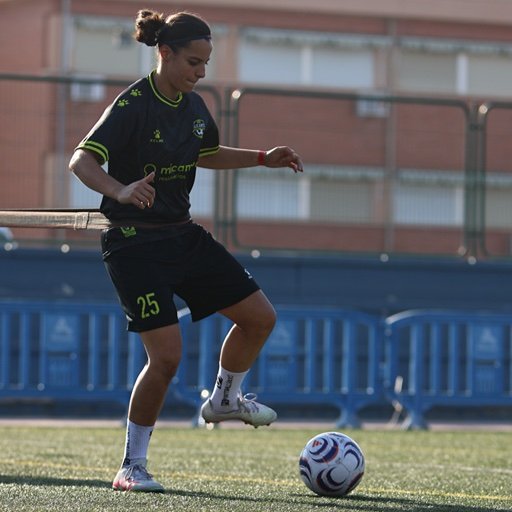
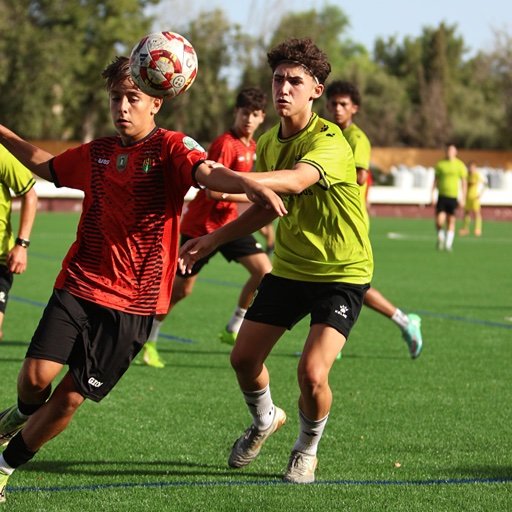
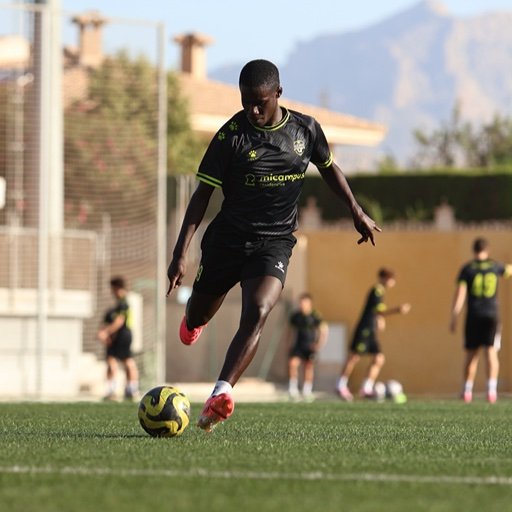
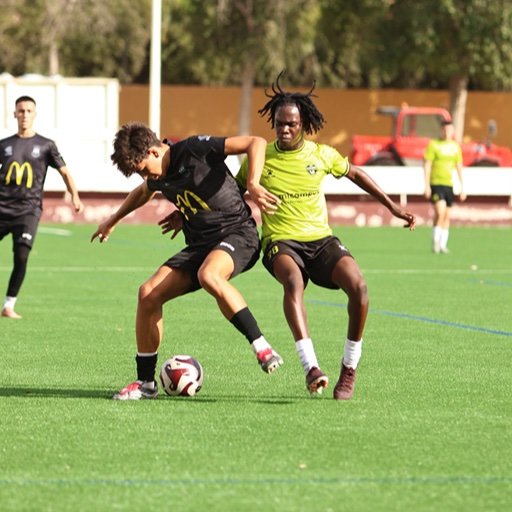
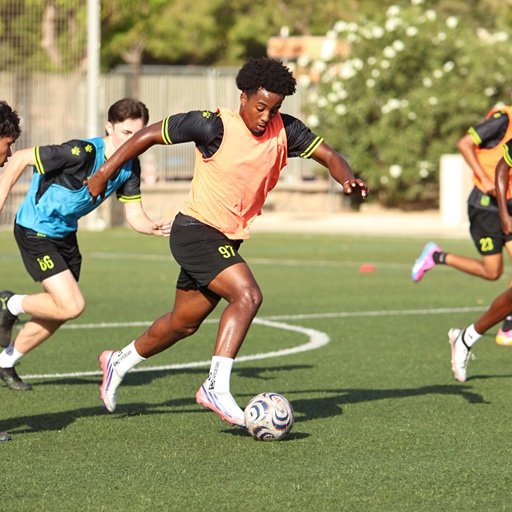
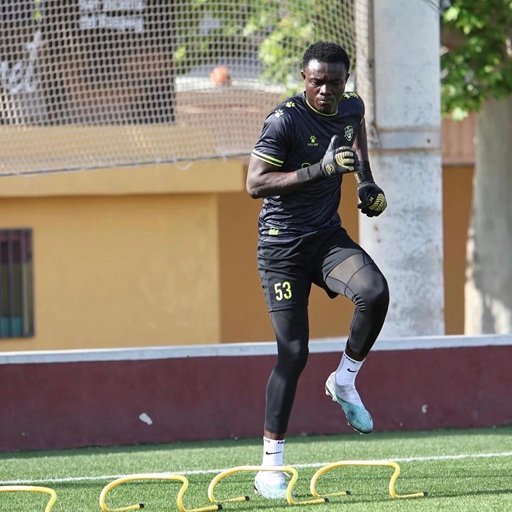
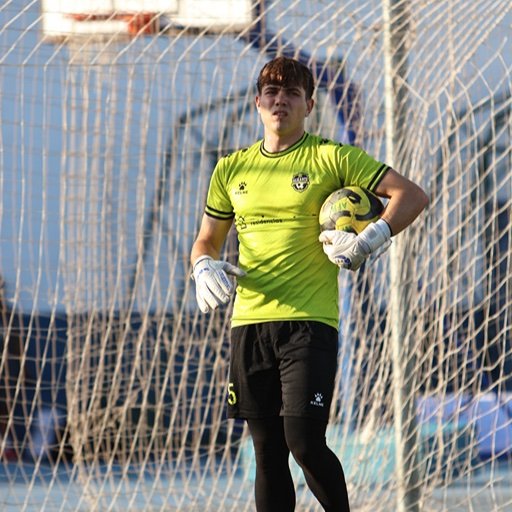
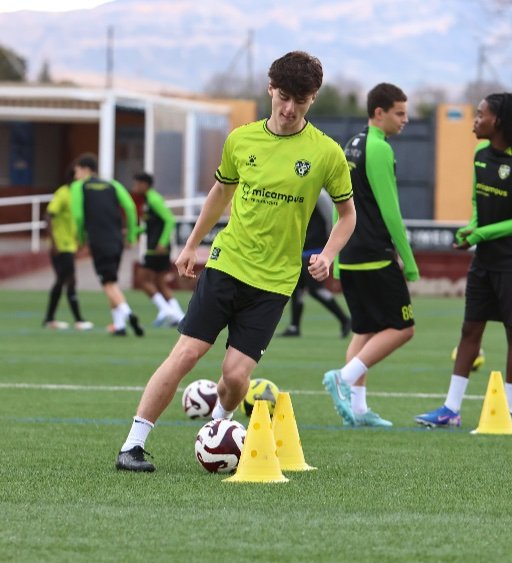
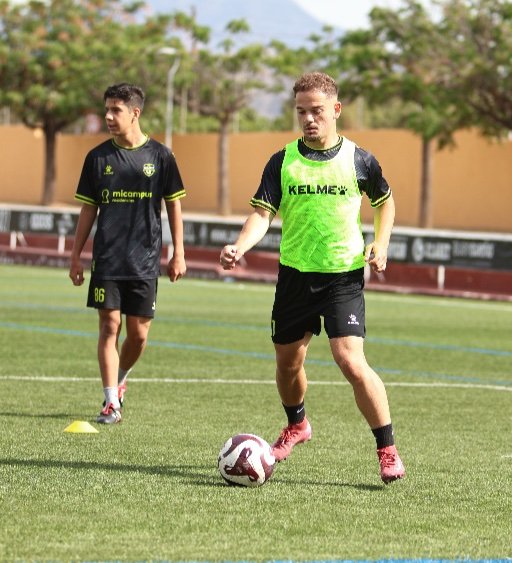
Football training for girls includes any organized session that helps them learn, improve, and enjoy the game. It usually starts with fun first-touch drills, easy ball control games, basic passing, and activities that build confidence. As girls get better, training becomes more structured and focuses on coaching, tactics, match preparation, and long-term growth.
This training is open to everyone, not just experienced players. Beginners usually start by learning basic techniques, doing simple drills, and joining a friendly group where they feel welcome. Players returning to football might work on building confidence, fitness, and match sharpness. Advanced players often want more detailed technical work, tactical training, position-specific coaching, video feedback, trials, and chances to join higher-level clubs.
Girls can choose from many types of football training, including group lessons, classes, sessions, one-on-one coaching, girls-only environments, football experiences, academy training, camps, and full-time development programs.
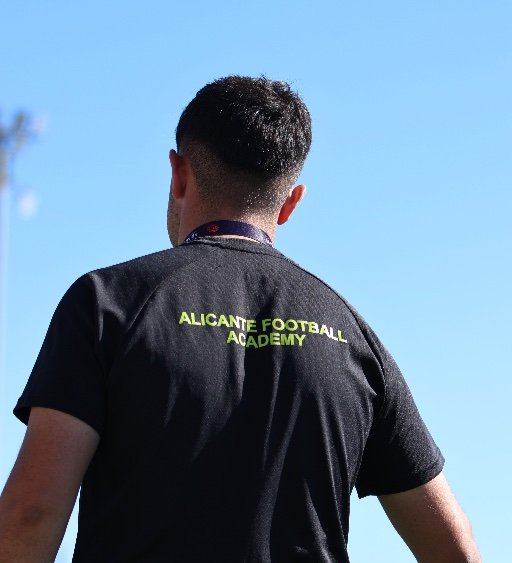
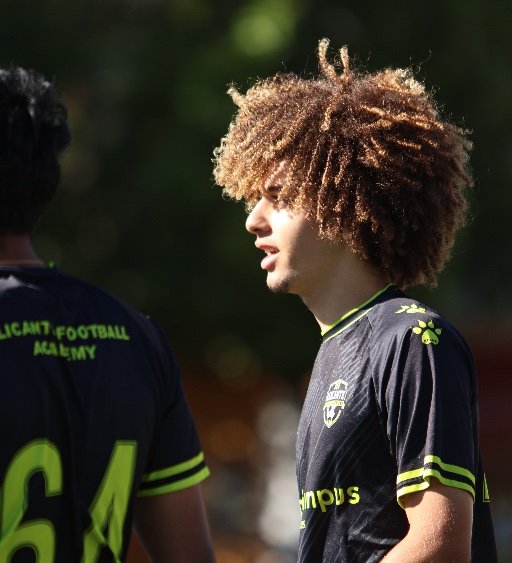
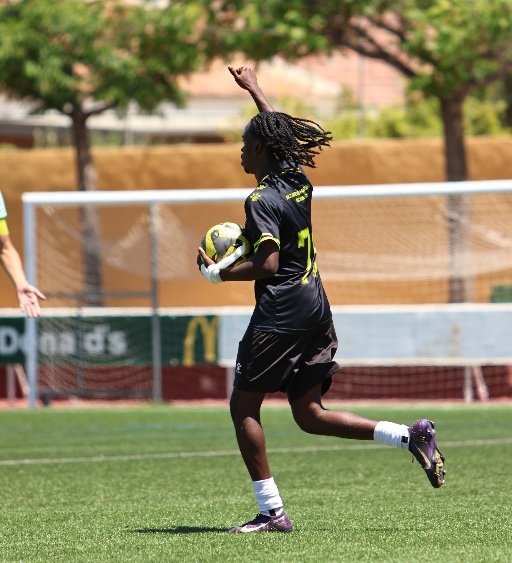
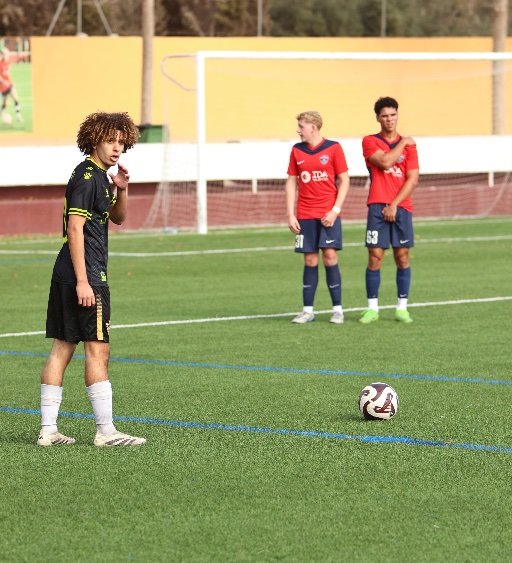
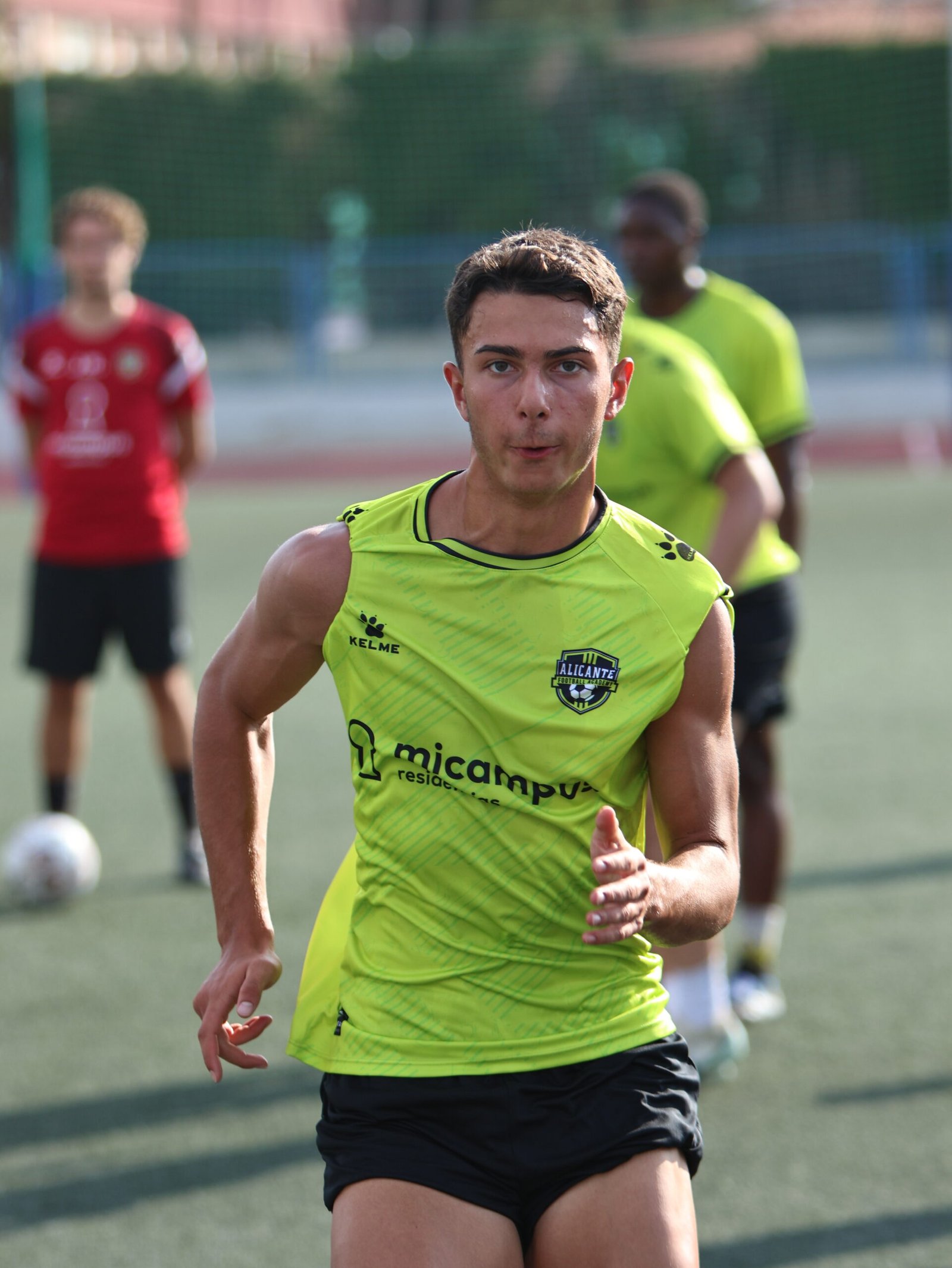
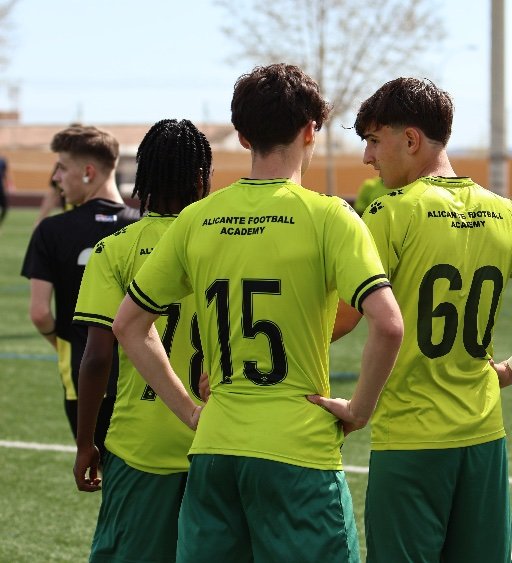
At Alicante Football Academy, our girls’ academy helps players develop for professional women’s football in Spain. On our academy page, you can see that players train with UEFA Pro-licensed coaches, learn the Spanish women’s football style, and get introduced to women’s clubs for trial opportunities when they are ready.
A good girls’ football training program has qualified coaches who know how to help young players grow. It offers a safe, respectful place where girls feel comfortable, uses drills that match each player’s age and skill level, shows clear progress from beginner to advanced skills, and makes training fun so players want to keep coming back.
What Should Girls Football Training Sessions Focus On?
Girls football training should help players develop their skills, get fitter, feel more confident, and grow as people. A good session is more than just drills or fitness. The best training combines practice, decision-making, real game situations, and fun.
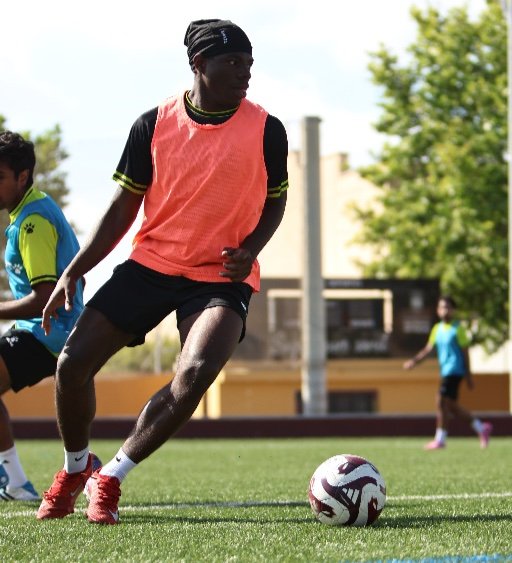
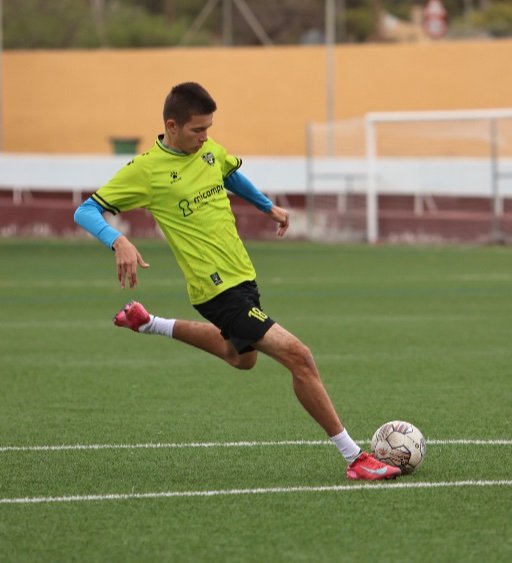
Players should practice skills like first touch, passing, dribbling, shooting, and defending often. They also need to play in game-like situations where they look around, talk to teammates, make decisions, and solve problems.
Coaching should fit each player’s level. Beginners learn best with simple games, lots of touches, and a safe space to make mistakes. Developing players need more challenge, practice looking around, and small-sided games. Advanced players benefit from detailed tactics, faster play, position-specific coaching, video feedback, and real match situations.
At Alicante Football Academy, we want every player to see clear progress. Beginners, returning players, and advanced players might focus on the same topic, but the level of challenge, detail, and feedback should match what they need.
| Training Focus | What It Develops | Example Session Ideas |
|---|---|---|
| First touch and receiving | Ball confidence and control | Receiving under pressure, turning away from a defender |
| Passing | Teamwork, timing, and decision-making | Rondos, give-and-go games, passing through gates |
| Shooting | Confidence and composure near goal | Finishing from angles, 1v1 with the goalkeeper |
| Dribbling | Creativity, bravery, and balance | 1v1 duels, change of direction games |
| Defending | Discipline, body shape, and timing | Pressing, delaying, blocking, recovery runs |
| Fitness | Stamina, speed, and movement quality | Agility games, short sprints, football-based circuits |
| Confidence | Communication and leadership | Small-sided games, captain tasks, player-led choices |
| Individual development | Personal progress and role-specific improvement | Coach feedback, personal targets, position-specific tasks |
Effective girls football training goes beyond completing exercises. It should develop each player’s technique, game understanding, and confidence, guiding them from basic to advanced skills.
WANT PROFESSIONAL GIRLS FOOTBALL TRAINING IN SPAIN?
Some players need more than weekly football classes. At Alicante Football Academy, we help girls train in a structured environment with professional coaching, daily development, and real football expectations.
Apply For Girls Football Training
Which Technical Skills Matter Most In Beginner Sessions?
When coaching football to beginners, start by teaching the skills that make the game easier to understand.
The main basics are passing, receiving, first touch, dribbling, shooting, basic defending, and simple movement without the ball.
Passing and receiving help girls learn teamwork. First touch lets them feel comfortable when the ball comes to them. Dribbling builds confidence with the ball. Shooting is fun and helps them believe in themselves. Defending shows that football is about getting the ball back, not just waiting.
When teaching defending, start with the 5 S’s: sprint to close the space, slow down before reaching the attacker, stay side-on, steer the attacker away from danger, and steal the ball at the right time. Coaches should use clear words and make these ideas easy to practice.
Beginner sessions should focus on simple, active, and game-like skills. Instead of long lines or complicated drills, girls should get lots of touches, play small-sided games, make choices, and learn through real football situations.
It is also important to teach the official rules and spirit of football. IFAB says that football’s laws are based on fairness, respect, safety, and enjoyment, and these values should guide how coaches work with young players.
What is the player’s current football level?
What is the main goal right now?
Solution:
Start with beginner girls football lessons focused on first touch, passing, dribbling, shooting, simple defending, small-sided games, and confidence. The best next step is a welcoming environment with lots of ball touches, simple instructions, and no pressure to move too fast.
Solution:
Choose a foundation-to-academy pathway where the player can build confidence first, then gradually add more structure, fitness, decision-making, and personal feedback. She should not be rushed into advanced training until her skill level, confidence, attitude, and game understanding are ready.
What is the main goal right now?
Solution:
Keep training regular but make sessions more focused. A good option is technical football training with first touch, passing speed, 1v1s, finishing, movement, and game-like practice, while still keeping enjoyment and confidence at the centre of the programme.
Solution:
A full academy environment is the strongest fit. The player should look for structured girls football training with professional coaching, position-specific work, fitness support, match preparation, and possible club exposure when she is ready to test herself in a more competitive Spanish football setting.
How Does Physical Conditioning Support Soccer Development?
Physical conditioning helps girls play with more confidence and consistency. It improves agility, strength, balance, coordination, movement, stamina, speed, and recovery. When girls move well, they can change direction easily, compete for the ball, repeat actions during a match, and stay focused longer.
Conditioning for girls should support football and feel connected to the game. The best sessions use football movements, like sprinting to receive a pass, changing direction in 1v1 situations, jumping, landing, pressing, recovering, and playing small-sided games with energy.
Conditioning should fit the player’s age. A 9-year-old does not need the same fitness session as a 17-year-old academy player. Younger girls benefit from movement games, coordination, running, jumping, balance, and agility. Older or more advanced players can gradually add more structured strength, sprint, and conditioning exercises.
The World Health Organization says children and teens aged 5 to 17 should get at least 60 minutes of moderate to vigorous physical activity each day, plus muscle and bone strengthening activities at least three times a week. Football can be a fun way to reach these goals with good training plans.
A scientific study on girl football players found that responses to high-intensity training can vary depending on biological maturity. This means coaches should not train every girl the same way. Age, maturity, confidence, experience, and training history should all shape the conditioning plan.
Why Should Some Sessions Be More Passing Focused And Others More Shooting Focused?
Coaches don’t need to cover every skill in each girls’ football session. The best sessions have clear goals, so players know exactly what they’re working on.
For example, a passing session might focus on first touch, body shape, communication, movement, and playing at speed. A shooting session could help players build confidence near the goal, try different ways to finish, and feel comfortable taking shots without worrying about making mistakes.
Girls shouldn’t feel like they have to use only one shooting style. Some players rely on power, others on accuracy, and some stay calm when it matters most. Coaches should help each player discover and use her own strengths.
It’s a good idea to change up session topics over time. Include passing, shooting, defending, 1v1s, fitness, and match understanding in different sessions. This way, girls can build their skills gradually.
How Do 5 To 11-Year-Olds Develop Their Skills On The Ball?
Girls ages 5 to 11 learn best when they have plenty of chances to handle the ball, repeat enjoyable activities, and make simple choices.
For this age group, try to keep the ball moving as much as you can. Avoid long lines, long talks, or too much waiting, since these can spoil the session. Let young players dribble, turn, stop, start, receive, pass, shoot, make simple choices, and keep practicing.
Don’t teach too many tactics too early with this age group. Focus on helping them build a strong foundation first. When players feel confident with the ball, it’s easier for them to learn positions, team play, and match decisions later.
Good sessions for this age include dribbling games with small goals, receiving and turning games, 1v1 challenges, passing games that get players moving, small-sided matches, and practicing ball control with both feet.
When Should A Player Stay On The Ball Instead Of Releasing It Early?
A player should keep the ball if she has room to move forward, can pull a defender closer, has no passing option yet, or if keeping possession helps her team.
Young players often hear “pass it” too early. Passing is important, but girls also need to learn when to dribble, shield the ball, turn away from pressure, or move into open space.
Coaches can teach these skills by using simple game situations instead of giving strict instructions:
- Can you dribble if the defender is far away?
- Can you shield if the defender is tight?
- Can you turn if the pressure comes from one side?
- Can you pass when a teammate is in a better position?
- Can you keep the ball if the team needs time to support you?
This type of training helps girls learn to read the game for themselves. When players feel confident with the ball, they are more likely to try new things. It also helps them stay calm when opponents put on pressure.
That’s why training for girls should focus on decision-making, not just following directions. Good coaching helps players read the situation, choose the best move, and trust themselves with the ball.
How Should Coaches Work With Women’s And Girls’ Football Players?
Coaches should treat women’s and girls’ football players with respect, communicate clearly, and set high expectations.
Girls don’t need gentle coaching. They need quality coaching that gives honest feedback, clear expectations, and a training space where they feel safe to learn, make mistakes, compete, and ask questions.
When parents and clubs look for the right girls’ football environment, coaching style matters as much as the session plan. Good coaches see each player as an individual, understand different confidence levels, respect personal space, and choose their words carefully, especially when talking about body shape, size, development, and confidence.
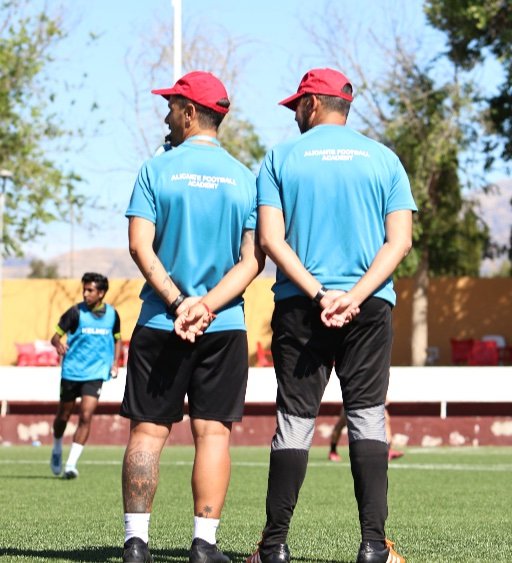
At Alicante Football Academy, we take girls’ football training seriously and focus on real player development. Our programme is designed for women’s football, with adapted facilities, dedicated girls’ sessions, UEFA-qualified coaches, and chances to experience Spanish women’s football.
Good coaches should do the following:
- Give clear explanations.
- Avoid embarrassing players.
- Respect personal space.
- Allow questions.
- Use careful language when talking about body shape, size, and confidence.
- Encourage girls to be assertive on the pitch.
- Teach controlled aggression through pressing, tackling, duels, and fair competition.
- Help players communicate, lead, and play with confidence.
- Consider practical details like comfortable kit, suitable footwear, changing spaces, and training environments where girls feel respected.
Confidence is a key part of player development. Some girls need support to be more aggressive in duels, press harder, or take more responsibility with the ball. Coaches should encourage this in a positive way. The aim is not to make reckless players, but to help girls become brave and ready to compete.
England Football also highlights how important female health and wellbeing are in women’s and girls’ football. That’s why a strong girls’ football program should focus on the whole player, not just the football session.
Why Should Coaches Treat Girls As Individuals Instead Of One Group?
Coaches should recognize that each girl is unique, as every player responds differently to feedback, challenges, and encouragement.
Some players need more confidence, while others do best when challenged. One girl may ask many questions, while another might stay quiet even if she is unsure. That’s why coaches shouldn’t make assumptions based only on age, gender, or personality.
At Alicante Football Academy, we look at more than just technique during training. We notice how players react after mistakes, whether they ask for the ball again, how they talk to teammates, and how they handle pressure.
Giving each player personal attention helps build trust. When a player trusts her coach, she is more open to feedback, more likely to ask questions, willing to try new things, and stays confident during training.
Coaches should respect players’ personal space, answer questions clearly, and use thoughtful language when discussing body size, confidence, or competitiveness. The aim is to help girls become brave and assertive on the pitch, not to make them feel embarrassed or afraid of mistakes.
Trust and good communication are important for helping girls stay in football. When players feel respected, supported, and challenged in the right way, they are more likely to enjoy the game, keep improving, and believe they belong on the pitch.
NOT SURE WHICH TRAINING LEVEL FITS YOUR DAUGHTER?
Some girls need beginner football lessons. Others are ready for academy-style training, gym work, and club exposure. The right next step depends on confidence, age, level, and goals.
Explore The Girls Academy Pathway
Can Soccer Improve Fitness For Girls And Women?
Football is a fun way for girls to get fit. It is more than just a competitive sport. Playing football involves running, quick turns, coordination, balance, strength, teamwork, and most importantly, having a good time.
One of the best parts about football is that it often does not feel like exercise. Some girls may not enjoy running laps, but they might like sprinting, turning, tackling, passing, and shooting in a game. That is why football is a great way for girls to be more active.
Playing football can help girls get better at many things, such as:
- Stamina, because running and repeating actions during matches helps build endurance
- Agility, as turning, stopping, and changing direction make players quicker on their feet
- Coordination, since dribbling, passing, receiving, and shooting all require good control
- Balance and core strength, because moving with and without the ball helps strengthen the body
- Movement confidence, as girls get more comfortable using their bodies in different ways
- Social confidence, because playing together builds teamwork, communication, and friendships
- General motivation, as training feels more like playing a game than just working out
The FA’s Soccercise program shows how football-themed fitness can make exercise more fun. It combines fitness exercises with football and can be changed to suit different skill levels, whether you are indoors or outdoors.
What Does The Female Football Talent Pathway Look Like?
Girls can start playing football just for fun, and if they choose, they can try more advanced opportunities when they feel ready.
Here’s an example of how the journey could go:
- Beginner football sessions focused on fun
- Girls-only football classes or training with a local team
- Learning basic football skills and techniques
- Advanced football sessions for girls
- Joining advanced training centres or extra development groups
- Taking part in talent centres, club trials, or academy programs
- Playing in higher-level competitions or getting experience with professional clubs
Every girl’s journey is unique. Some play football for fun, friendship, or exercise. Others want to compete more seriously, and some may aim for full-time training or club experience. The most important thing is not to rush. Everyone grows at their own pace, and confidence, maturity, skill, and motivation all matter.
This is what makes broad participation different from a performance pathway. With broad participation, girls play regularly, stay active, have fun, build confidence, and enjoy being part of a team. A performance pathway is more structured, with harder training, more focus on skills and tactics, tryouts, and a more competitive environment.
FIFA also supports women’s football by providing resources and expert help to member associations. This shows a worldwide commitment to creating strong opportunities for girls and women in the sport.
READY TO TRAIN IN A REAL ACADEMY ENVIRONMENT?
If you want more than casual football sessions, our girls academy in Spain gives players structured training, professional standards, and a pathway to test themselves around Spanish women’s football.
Join The Girls Football Academy
How Do Foundation And Advanced Sessions Fit Into Long-Term Development?
Foundation sessions help players develop their skills, while advanced sessions push them further.
In foundation girls’ football training, the focus is on touch, movement, first touch, passing, dribbling, shooting, basic defending, and building confidence. Players should enjoy having the ball and learn the game without too much pressure.
Advanced sessions add more speed, pressure, tactical detail, and responsibility. Players may work on scanning, pressing, finishing under pressure, combination play, position-specific skills, and analyzing matches.
The most important thing is to make sure a player is ready. She should not move to advanced sessions just because of her age, outside pressure, or comparisons with others. She should take the next step when her skills, confidence, attitude, and decisions show she is prepared.
At Alicante Football Academy, this approach is important because we focus on both development and giving players exposure. We want players to grow and also learn what Spanish clubs, coaches, and football environments expect from them.
The journey should be exciting, not rushed. Every stage matters. Players should enjoy learning the basics, building confidence, improving step by step, and moving up when they are truly ready.
How Can You Encourage Girls To Play Football?
You can help girls get started with football by making sure their first experience is welcoming, fun, and feels possible for them.
Some girls are unsure about starting football because they think it’s too late, they feel shy, or they worry they aren’t good enough. Sometimes, they just don’t see football as something for them. That’s why it matters so much to create the right environment. Families, schools, clubs, and coaches can all help girls feel confident, included, and excited to try.
Here are some ways to support girls as they start playing:
- Give girls a chance to try football in a relaxed and pressure-free setting.
- Offer girls-only football sessions whenever you can.
- Celebrate effort, not just winning.
- Introduce girls to role models from women’s football.
- Avoid negative comments when mistakes happen.
- Make space for friendship and fun.
- Make sure training feels safe, well-organized, and welcoming for everyone.
- Encourage girls to feel confident when competing, speaking up, leading, and trying again
Being inclusive works better than just focusing on winning, especially for beginners. If a girl’s first experience is stressful, embarrassing, or too competitive, she might quit before she builds confidence. But if the environment is fun, safe, and supportive, girls are more likely to keep playing and become more competitive over time.
This matters because confidence is a big challenge in girls’ sports. The Youth Sport Trust’s 2025 Girls Active findings show that girls are much more likely than boys to lack confidence in physical activity. Only 45% of girls aged 5 to 18 met the recommended activity levels, compared to 51% of boys.
A good girls’ football program helps girls feel like they belong, but it should also challenge them. The best environment isn’t always easy. It’s one where girls feel supported enough to keep trying, even when football gets tough.
WANT SIMPLE FOOTBALL DRILLS TO PRACTISE FIRST?
Before joining a full academy programme, many girls improve by practising first touch, passing, shooting, and movement at home or with a parent. Small habits can build confidence quickly.
Try Football Drills For Kids