

Key Takeaways
- Most players from U9 to U16 are registered with an academy instead of being on a senior-style contract.
- Getting a scholarship is a big step, but it is not the same as signing a first-team professional contract.
- A professional contract might be offered during the U16 year, but a player cannot sign it until they turn 17.
- Exclusive registration rules are important. Families should always take approaches, guest sessions, or contact from agents seriously.
- Before signing anything, parents should check the contract’s length, review dates, education arrangements, welfare contacts, and the release terms.
Table of Contents
Football Academy Contracts And What They Really Mean
People often use the term “football academy contract” to mean different things. It can refer to academy registration for younger children, scholarship agreements for players aged 16 or older, or professional contracts for older, more skilled players. This can be confusing, especially for parents of younger kids. A form signed at U9, U12, or U13 is not the same as a scholarship or professional contract later on.
As players move forward, both the agreement and the roles of the club and player change. In this article, we explain what each stage means, what families should check before signing, what the club offers, and what the player is expected to do. We also remind parents to read all paperwork carefully, ask questions, and keep in mind that signing up at a young age is not the same as getting a professional contract.
What Is An Academy Contract And How Is It Different From A Football Academy Contract?
People often use the term football academy contract in different ways. Parents, players, coaches, and the media may all mean something slightly different. In reality, the paperwork changes as players grow older. For younger players, the documents usually cover registration, codes of conduct, safeguarding, education, attendance, and development expectations. These are different from a senior employment contract. As players get older, they might sign a scholarship agreement, and if they reach the right age and level, they could eventually sign an employment contract.
This difference matters because many families believe a contract means long-term security, payment, or a guaranteed professional career. It is important to understand exactly what the player and club are agreeing to, how long the agreement lasts, when it will be reviewed, and what the terms are for renewal, release, or ending the agreement, because in 2026 families are paying closer attention to the real meaning of academy paperwork rather than assuming every signature is a pro deal.
See what academy players actually get
Contract talk becomes much easier to understand once you know what younger academy players usually receive, what counts as support, and when the conversation starts to move toward scholarship or professional terms.
Read the academy pay guide
Do Academy Players Have Contracts?
Most younger academy players are registered with the club instead of being employed. According to the EFL handbook, a Contract Player is someone with a written employment contract, but this does not include Scholars or Academy Players. The handbook also says a Scholar is a player aged 16 or older who has signed a Scholarship Agreement.
This is the simplest way to explain how the system works. A younger player can sign academy forms, but that does not mean they have the type of contract most fans think of. For younger players, the agreement usually covers things like registration, training, behavior, attendance, education, welfare, and taking part in academy activities, not pay or employment rights. This is why the terms can be confusing. Parents, fans, clubs, and the media often use the word contract in a general way, but the official documents and legal meanings are different.
How Do Youth Development Phase Contracts U9 To U16 Work In Practice?
Players from U9 to U16 begin by registering for the academy’s development program. The Elite Player Performance Plan leads them through the Foundation Phase (U9-U11), Youth Development Phase (U12-U16), and then the Professional Development Phase (U17-U23). In the early years, the focus is on coaching, matches, education, player care, medical support, and regular progress checks.
Paperwork matters. Players must register, show ID, follow the code of conduct, and join the organised system. Once registration is done, families have seven days to cancel by contacting the Premier League. Clubs should explain how the academy works during induction and keep families updated on the player’s progress.
The clearest way to view the pathway is like this:
| Stage | Typical age | What it usually is | What families should check |
|---|---|---|---|
| Academy registration | U9-U16 | Entry into the academy programme, with rules, reviews, education and welfare support | Duration, review dates, cancellation window, code of conduct, safeguarding contacts |
| Scholarship agreement | Usually U17-U18 pathway | Registration extending beyond U16 with an apprenticeship-style football + education structure | Education model, weekly timetable, standards, aftercare, route after scholarship |
| Professional contract | 17+ | Contract of employment with wages and stronger legal obligations | Length, option clauses, representation, release terms, parent/guardian sign-off if under 18 |
That’s why we encourage families not to focus too much on the word contract alone. Instead, start by asking, What stage are we in? This simple question often makes the paperwork easier to understand.
Which situation sounds closest to your family right now?
What do you need the most clarity on first?
Solution:
Treat this as academy registration rather than a professional contract. Focus first on duration, review dates, the seven-day cancellation window, codes of conduct, and the fact that this stage is usually about development, welfare, and participation rather than wages or employment.
Solution:
Review the practical details closely: exclusivity rules, whether guest sessions or outside training need permission, who the safeguarding and welfare contacts are, how feedback and review meetings work, and what support exists if the player is released.
What do you need the most clarity on first?
Solution:
Start by separating a scholarship from a professional deal. If it is a scholarship pathway, review the football-plus-education structure, attendance and behaviour standards, daily routine, and aftercare, because it is a major development step but not the same as a senior employment contract.
Solution:
Treat this as a contract review issue. Confirm when the deal can legally be signed, whether any agent contact followed the current minor-approach rules, and whether contract length, option clauses, release terms, representation, and future pathway are clearly explained before you commit.
What Does Commitment Exclusive Registration Mean For Playing Elsewhere?
Exclusive registration means that when a player joins an academy, they are committed to that academy and cannot train, play, or join another academy without permission. This rule can affect everyday situations families might not think about, like guest sessions, trial invitations, informal games, or training with another academy during school holidays.
This rule also applies to football activities outside the academy. If a player wants to guest play, join another event, or do something outside their usual schedule, families should check what is allowed and what permissions are needed. Do not assume a casual invitation is fine. Always ask the current club, make sure the activity is allowed, and get clear approval before the player joins in. This helps families avoid breaking rules by accident through informal games, outside training, or contact from other academies.
Compare this with a structured academy pathway
If you want to see what a clear football pathway looks like in practice, look at how we organise training, residence and club exposure in Spain. It helps families compare real structure against vague promises.
Explore the academy pathway
How Do Release Stages And Review Points At U12 U14 U16 Work?
There isn’t one specific day, such as U12 or U14 contract day, when everything changes at once. Instead, players have regular reviews, and certain ages feel more important because clubs make bigger decisions as scholarship age gets closer. The Premier League recommends that academy players receive regular feedback, with multidisciplinary reviews taking place four times each season. This feedback usually comes through meetings, conversations with staff, and written targets or summaries so families can understand how the player is progressing.
If a club chooses not to extend a player’s registration, it should offer support, like helping the player find new chances to keep playing football. For players leaving during the Professional Development Phase, clubs need to have plans to help them adjust. The Premier League now requires clubs to support these players for three years after they leave. This support might include advice, referrals, and help with next steps, rather than ending the relationship right away.
This support matters more than many families realize. Research shows that leaving a professional football academy can be difficult, and players often feel upset, unsettled, or unsure of their identity. That’s why good feedback, realistic planning, and strong support after leaving are essential. Families can prepare for review meetings by asking clear questions, looking for practical next steps, and supporting the player emotionally and in their football journey.
How Do Scholarship Agreements U17 To U18 Work And When Are They Agreed?
Once a player has registered with the academy at a young age, the next step is signing a scholarship agreement. The first set of paperwork is mainly about registration, development, conduct, and participation. A scholarship is a bigger commitment because it covers both football and education. Because of this, people often see it as an apprenticeship-style pathway rather than a professional contract.
The timing often surprises families. Scholarship discussions can start well before a player begins the scholar programme, so the years from U14 to U16 are especially important. The agreement explains what is expected for training, education, attendance, behaviour, punctuality, and daily routines.
Getting a scholarship is a sign of real progress, but it does not guarantee a professional career. This is why education and welfare remain so important.
Check pricing before you commit
Families usually make better decisions when the football side and the living side are cost properly. Review what is included before you compare academy options.
View academy pricing
Why Is The Nature Of A Scholarship An Apprenticeship Training Plus Education?
A scholarship aims to give equal importance to both education and football training each week, so school does not take a back seat to the sport. Clubs may use different education models, like college courses, hybrid learning, or other structured programs. No matter the approach, players are expected to keep moving forward in both their studies and their sport.
This matters because completing the education part benefits players in the long run, especially for those who do not go on to become professional athletes. Clubs consider more than just football skills. They also look at attendance, academic progress, punctuality, behavior, and daily routines. A scholarship is not just extra training. It is a period when football gets more demanding, but education must still be taken seriously and tracked.
When Can A Professional Deal Start And What Are Professional Contracts U17 Plus?
In England, players may be offered a professional contract while they are still in their U16 year, but they cannot sign it until they turn 17. Once they do, the agreement changes significantly. It is no longer just about being part of the academy or having a scholarship. Instead, it becomes a real job contract, with wages, legal terms, and greater daily responsibility.
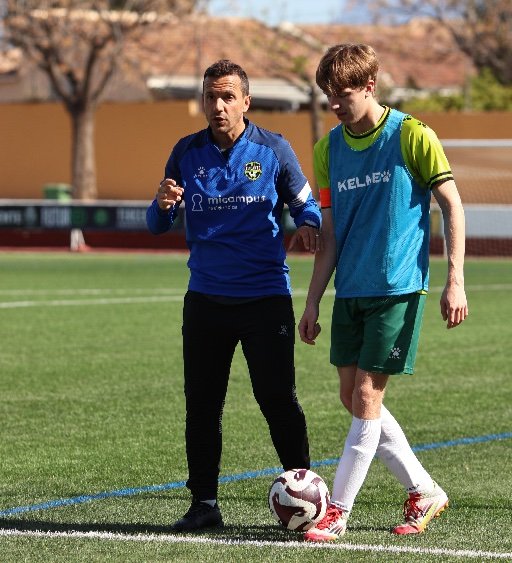
Clubs consider more than just a player’s current performance. They also look at long-term potential, physical development, attitude, and how the player could fit into future teams. That is why top prospects often receive professional contract offers early.
When a player turns professional, expectations for their lifestyle also increase. Families should think about more than just the contract length and release terms. It is important to consider training routines, behavior, recovery, ongoing education, who represents the player, and what steps to take if the player does not reach the first team.
FIFA has an important rule for young players: anyone under 18 cannot sign a professional contract that lasts longer than three years. The EFL adds that this rule includes any option periods, so any deal for an under-18 player that goes beyond three years will not be accepted. Because of this, families should take their time and read all the paperwork carefully. The main things to check are the contract length, release terms, who represents the player, and what the future path looks like after signing.
Do Football Clubs Provide Compensation In Other Forms Like Travel Or Family Support?
Clubs may provide support beyond just wages, so families should understand what is and isn’t included. This support can cover things like travel, accommodation, meals, kit, medical care, education, and player welfare. Sometimes, clubs also help families, especially if distance, school schedules, or transport make things harder each week.
The most important thing is to find out which support is officially included in the agreement and which is only offered sometimes. Families shouldn’t assume every offer of help is automatic, permanent, or guaranteed. It helps to ask what support is included, what needs approval first, how reimbursements work, what proof is needed, and where these details are kept. This matters because some support is genuine, but other offers could cause problems if they are used as improper incentives.
Apply when you are ready for a serious environment
If you want structured daily coaching, honest feedback and opportunities to train with clubs in Spain, send us your details and we will explain the next steps clearly.
Apply to join Alicante Football Academy
What Welfare Safeguards Protect Academy Players And Families?
A good academy offers more than football training. It also focuses on safeguarding, player care, education, and medical support. Education is a key part of player welfare and helps protect young players if their football path changes.
Families can get independent advice outside the club. For example, the PFA Youth Advisory Service can help. This support is important because parents may need help with academy paperwork, scholarship offers, welfare issues, release situations, or questions about representation. It is especially helpful before signing, when paperwork can feel rushed or promises seem larger than what is written.
Representation rules matter as well. Families should be careful about who gives advice, when intermediaries can get involved, and whether the advice is truly independent. This is also important when a player leaves, since feedback, paperwork, and support should help them move forward, not leave them without guidance. At Alicante Football Academy, we want families to fully understand the paperwork and welfare expectations before signing, including education support, review points, and what the club promises.
When Can Intermediaries Approach And What Does January 1 Of The Year Of The Player’s 16th Birthday Mean?
Families need to make sure they have the most current information. For instance, the Premier League parent hub still says an intermediary cannot approach a player before 1 January in the year the player turns 16. But the FA’s 2025/26 Football Agent Regulations Guidance is more recent and explains that an agent cannot approach a minor or their legal guardian before 1 September in the academic year when the minor turns 16. The FA also says that any approach must have written consent from the legal guardian, and the agent must have special FA approval to work with minors.
This rule helps protect young players and their families from early pressure and from getting involved with agents too soon or in the wrong way. It’s important to understand that an “approach” is not just a formal contract offer. The FA’s rules include any contact with the player or their legal guardian about football agent services or other services. So, even informal contact, introductions, or early talks about representation should be taken seriously. Legitimate contact is allowed, but only at the right time, with guardian consent, and with an agent who is properly authorised.
To stay safe, don’t rely on old online summaries. Always check the latest FA guidance. If you are not sure about something, tell the club. If someone contacts you too early or in a way that feels off, speak to the club’s safeguarding lead and use the PFA Youth Advisory Service for independent advice. The Premier League parent guidance also suggests families use both the club safeguarding route and the PFA for support.

What Education Must Academies Provide Alongside Training?
Education should go together with training and not be left until later. The Premier League sees its education program as an important part of football development. Young players on full-time scholarships take part in a formal education system while they are apprentices.
This matters in other countries too. According to FIFA rules, if a player aged 16 to 18 moves to another country under an exception, the new club must provide good football training as well as academic, school, or vocational education. The club must also support the player’s welfare and care.
Families should ask how attendance, academic progress, behaviour, and safety are checked, and who is responsible for this. They should also find out what support is offered for the curriculum, how exams are handled, and what happens if training and education schedules clash. Good football development should protect a player’s future, not put it in danger.