

Key Takeaways
- Think about what you want to do next, not just how to stop the ball.
- Practice using both feet, try passing from different angles, and always aim for a clear target.
- Gradually add movement and defenders, and see if you can still control the ball well during games.
Table of Contents
First Touch Soccer Drills
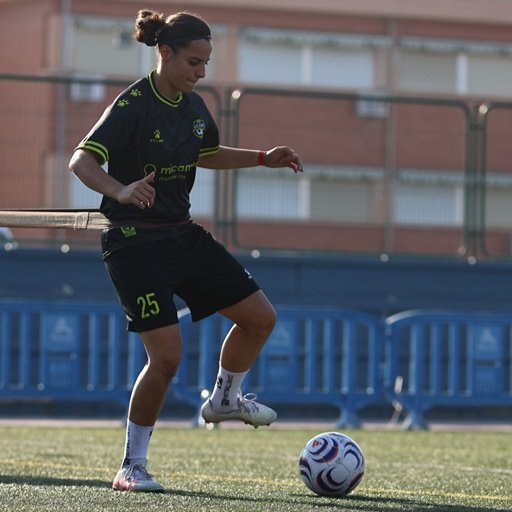
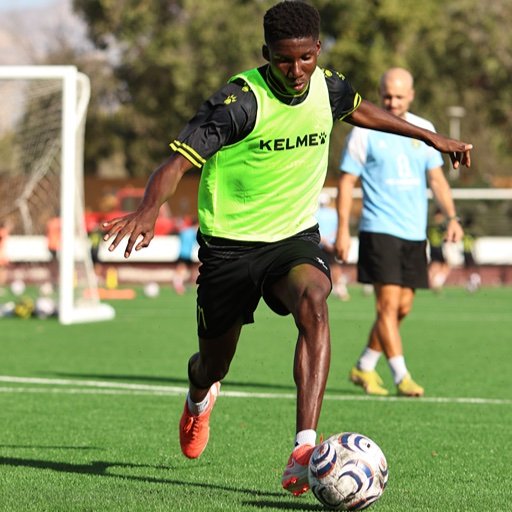
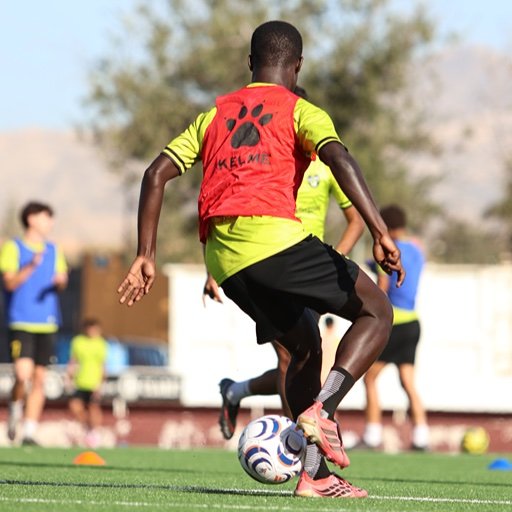
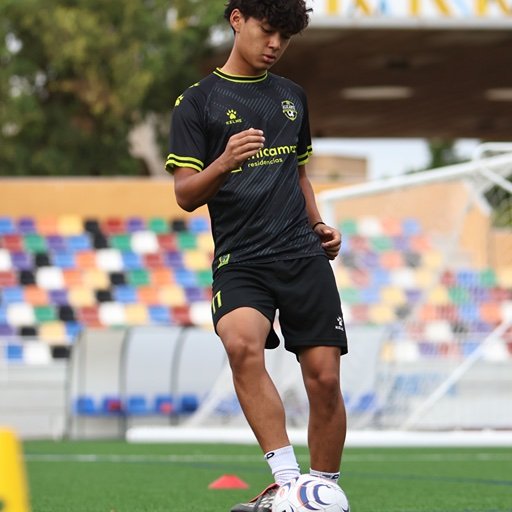
First-touch training helps you control the ball, move it into space, and get ready for your next move. It also builds your awareness, so you can look around before receiving, decide faster, and play at a higher speed.
Begin with easy, unopposed drills to build your confidence and consistency. As you get better, add movement, try different passes, and include defenders until you can do the exercises at game speed. Practising often helps you receive passes more cleanly, take fewer extra touches, and keep the ball even when opponents pressure you.
You can practise by yourself with a wall, work with a partner who changes the direction and speed of passes, or train with teammates using passing drills, rondos, and small-sided games.
In our technical training, we mix repetitions with direct feedback and simple scoring, like counting clean receptions through a gate. This gives players clear goals to track as they get better.
The distances and repetitions below are just suggestions to help you start. Change them to fit your skill level and the space you have.
How reliable is your first touch when receiving a simple pass?
How do you usually practise your first touch?
Solution:
Start with wall receiving drills. Stand three to five metres from a wall, pass the ball against it, and control the return before passing again. Practise with both feet and count your clean receptions. Focus on keeping the ball close and maintaining balance before increasing the speed.
Solution:
Start with the receive-and-return drill. Stand six metres apart, receive passes inside a two-metre square, and return the ball accurately. Complete ten passes before switching roles. Practise with both feet and gradually change the speed and angle of the passes as your control improves.
How do you usually practise your first touch?
Solution:
Progress to directional wall drills. Set up two cone gates and use your first touch to guide the returning ball towards a chosen gate before passing again. Change your receiving angle, alternate feet, and gradually increase your speed. Focus on directing the ball into useful space rather than simply stopping it.
Solution:
Progress to triangle passing, rondos, and opposed receiving drills. Start with moving triangle passes to improve your body positioning, then introduce defenders through a 4v1 rondo or small-sided game. Scan before receiving, direct your first touch away from pressure, and choose your next action quickly. Increase the difficulty only when you can maintain control consistently.
Why Is A Good First Touch Important In Football?
A good first touch gives you more time and space to choose your next move. When you direct the ball away from pressure, you can keep possession, pass quickly, or get into a better spot to attack. This way, you do not waste time adjusting the ball and are ready to pass, dribble, or shoot. FIFA Training Centre
Picture yourself getting the ball in midfield while a defender comes from your right. If you control the ball to your left, you can avoid pressure and open up a forward passing option, giving your team a chance to attack. But if you stop the ball right under you, the defender might have time to catch up.
At higher levels, defenders close you down faster and give you less space. Every extra touch can slow you down or cause you to lose the ball. Controlling your first touch well helps you decide faster and stay calm under pressure, especially if you have already looked around and know your next move.
How Can You Improve First Touch At Home?
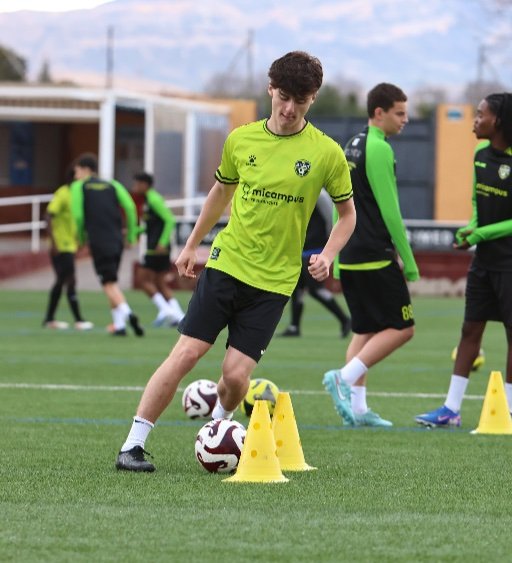
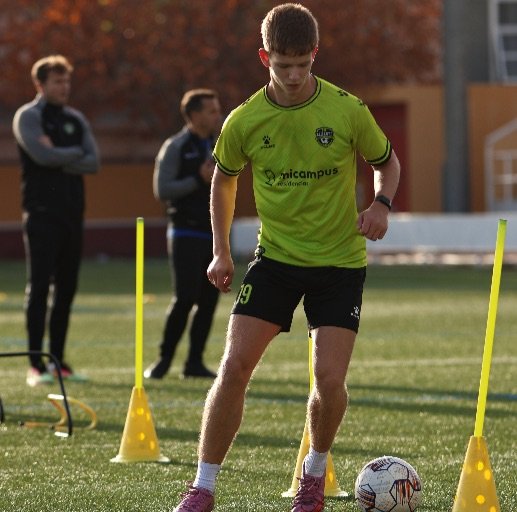
To work on your first touch at home, all you need is a ball, a wall, a few cones, and a small open space. Check that you have enough room to move around safely without bumping into furniture, windows, or anyone else.
Begin by gently tossing the ball below your waist, let it bounce, and then control it toward a cone. Switch between using your inside foot, outside foot, and instep, and make sure to practice with both feet. You can also pass the ball against a wall, control it when it comes back, and play another short pass, changing which foot you use and the direction you pass.
Do two sets of ten ball controls with each foot. Once you have controlled the ball, try adding a short dribble, a turn, or a touch through a gate made with cones. If you are using a wall, practice simple passing patterns and use your first touch to set up your next pass.
As you get better at controlling the ball, try moving faster, changing the angles where you receive the ball, making the space between cones smaller, or using only two touches. Change just one thing at a time so you can keep your technique solid before making it harder.
Practicing by yourself helps you build consistency, balance, and control, but it does not fully match the pressure you would feel from a real defender.
BUILD A HOME ROUTINE AROUND YOUR FIRST TOUCH
A ball and a small space can give you something useful to work on between sessions. Explore our home-training guide for practical ways to combine receiving, passing and ball control with the equipment you already have.
Explore home training
How Can You Use A Wall To Train Your First Touch?
You can use a wall to practise your first touch over and over, even if you do not have a partner. Stand about three to five metres from the wall and mark out a one-metre-wide target to aim your passes.
When the ball comes back, use your first touch to control it, then pass it back with your second touch. Practice using both feet and switch often so you do not just use your stronger foot.
Next, set up a small gate on each side. Try to guide your first touch through one of the gates before passing the ball back. Change up your passing strength, distance, angle, which foot you use, and the direction of your touch.
As you get better, try to move faster while still keeping control. If your touches start to get too heavy, slow down and pay attention to your technique.
How Does The Receive-And-Return First-Touch Drill Work?
One player passes the ball, and the other controls it before passing it back accurately. Begin six metres apart, with the receiver standing inside a two-metre square.
Stand with your body turned slightly to the side. Use either foot to receive the ball, and keep your first touch close so you can easily pass it back. After ten passes, switch roles.
Change up which foot you use to receive, as well as the angle, distance, and speed of your passes. As you get better, try passing faster and use your first touch to move the ball sideways into space before passing it back.
Make sure you have good control and accuracy before making the drill harder.
How Does The Touch-Into-Space Drill Improve First Touch?
A good first touch lets you move the ball into open space, so you can make your next pass, dribble, turn, or shoot while staying clear of defenders.
Set up two gates, each one metre wide, diagonally on both sides of the receiver and about two metres away. Have a partner pass the ball from in front. Look around before you receive, then use your first touch to guide the ball through an open gate and move through it before passing back.
Begin by picking a direction. After your partner passes, have them move to one side so you have to use the other gate. Practice receiving the ball across your body or turning about 90 degrees to set up your next move.
Work on touches that help you control the ball for your next move. If you have a chance to score, take a shot instead of passing back.
SEE HOW WE CONNECT TECHNIQUE WITH TEAM FOOTBALL
Moving from individual drills to a full academy programme is a bigger decision. Read how we organise coaching, accommodation and opportunities with Spanish clubs, so you understand the environment before considering an application.
Explore our academy
How Can Triangle Drills Improve First Touch?
Triangle passing gives you different angles to receive the ball, making it easier to plan your next pass. Set up three players, three cones, and one ball, with each side about six metres long.
Pass the ball from A to B to C. Look around before you receive the ball, open your body, and when you can, use your back foot, the one farther from the passer, to control it. Try to direct your first touch toward your next passing option so you are ready to play forward.
Switch directions to practice using both feet. Next, move away from the cones, limit each player to two touches, and try to pass faster. You can find more variations in our pass-and-move exercises.
Finally, add a fourth player to act as a defender. This turns the drill into a 3v1 possession game, where players need to control and pass the ball while under pressure.
How Can A Warm-Up Rondo Improve First Touch?
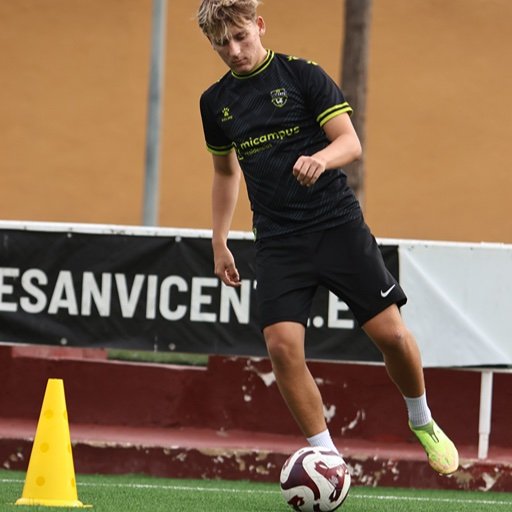
Rondos help you get better at your first touch because you have to control and pass the ball quickly while under pressure. Unlike solo drills, rondos include defenders and quick choices, so the training feels more like a real game.
Set up four attackers in an eight-metre square with one defender in the middle. Let each player take up to three touches at first, and switch the defender every minute.
Look around and position your body before you get the ball. Move to make passing options and talk with your teammates. Use your first touch to move the ball away from pressure so you can make your next pass.
If you want to make the drill easier, use a bigger space. To make it harder, use a smaller area, limit the number of touches, or try 5v2 with the right spacing.
Rondos help you use your first-touch skills in real games, but they do not fully copy goal-scoring or transitions.
Is One-Touch Soccer Better Than Two-Touch Soccer?
There is no single best option between one-touch and two-touch play. The right choice depends on how much space you have, the pressure from defenders, and what you plan to do next.
One-touch passing helps you play faster and take advantage of openings right away. Two-touch play gives you more control, so you can adjust your body or move away from defenders.
Practice both styles using wall passes, partner drills, rondos, and passing combinations. Begin with simple repetitions, then add defenders and situations where you have to choose between passing right away or taking a touch first.
The main aim is to make the best decision for the situation, not just to use fewer touches.
FIFA Training Centre
How Can You Train First Touch At Game Speed?
Good first-touch control needs to work when you are under match pressure, not just in easy drills. When opponents get closer and space gets tight, you have less time to control the ball and choose what to do next.
Begin with easy, predictable passes. Then make things harder by passing faster, changing angles, reducing space, and limiting touches. Add defenders and moving teammates to make decisions more realistic. Raise the difficulty step by step so you keep good technique as things get faster.
At Alicante Football Academy, our UEFA Pro-licensed coaches mix technical training with real-game pressure. This helps players improve their first touch in ways that go beyond just repeating drills.
End the session with a 3v3 game on a 20 by 15 metre pitch, using two metre end zones. You score by controlling a teammate’s pass in the attacking zone. If you lose the ball, the other team attacks the other way.
This drill helps you work on ball control, make faster decisions, and keep possession even when under pressure.
WORK ON YOUR RECEIVING WITH OUR COACHES
You can repeat a drill alone, but working with coaches and teammates gives you different problems to solve. Apply to train with us and share your football background, current level and goals so we can discuss the next steps.
Apply to train with us
How Can Opposed First-Touch Drills Develop Technical Ability?
When you add defenders, you practice your first touch under real pressure. This helps reveal mistakes in control, positioning, or decision-making that you might not notice in solo drills.
Set up a server, a receiver, and a defender in an area that is eight by six metres, with two exit gates. Begin with the defender giving light pressure from behind. The receiver should protect the ball, take their first touch away from the defender, and either turn through a gate or pass the ball back safely.
Next, move to full opposition and switch roles so everyone gets a turn. Practice near the touchline or when receiving the ball between defenders, and then try 2v2 drills.
Pay attention to whether mistakes happen because of poor control, body position, or choices made under pressure.
How Can You Train Your Brain For A Smarter First Touch?
A good first touch is about what you notice and decide, not just your skills. Before the ball comes to you, look around for teammates, opponents, pressure, and open space so you can pick your next move.
How you position your body is important too. If you open up, it’s easier to receive the ball and play forward. Standing between the defender and the ball helps you keep possession.
To practice, have a partner pass to you while another person shows a colored cone or calls out which gate is open. Look up before you get the ball and use your first touch to move it toward the right gate.
As you get better, try using real defenders and teammates instead of cues. Focus on making good decisions, not just on controlling the ball.
How Can Five Progressive Drills Improve Your First Touch?
Start with basic ball control and work up to receiving the ball under real match pressure. Each step adds a new challenge to help you build your technique, awareness, and decision-making, all while keeping control.
| Stage | Drill | What to look for before progressing |
|---|---|---|
| 1. Clean contact | Self-served or partner receive-and-control exercises | You control passes with both feet, maintain balance and rarely need to chase the ball. |
| 2. Useful direction | Direct your first touch towards a cone gate | Your touch consistently moves the ball into useful space and prepares your next pass, dribble or turn. |
| 3. Receiving on the move | Moving triangle passing with changing angles | You adjust your body position, receive while moving and maintain control without stopping the ball unnecessarily. |
| 4. Quicker decisions | Rondos with restricted touches | You scan before receiving, identify passing options and release the ball quickly under manageable pressure. |
| 5. Match demands | Opposed receiving and small-sided directional games | You maintain control at game speed, recognise pressure and make effective decisions to retain or progress possession. |
Move on only when you can repeat good first touches consistently, not just after one successful try. Make sure your control, body position, and next move stay steady before making things harder.
When you can control passes well with both feet, start working on guiding the ball into helpful areas. Next, add movement, try different passing angles, and limit your touches before moving on to defenders and real game situations.
As things get harder, keep your technique solid while making faster choices. If your control slips, make things easier until you can do it well again.
Keep track of your good first touches and what you do next as separate things. This way, you can see if mistakes happen because of your control or your next decision.
If you have trouble controlling easy passes and end up chasing the ball, start with stage one. If your control is steady but your touches don’t go where you want, work on stage two.
When you’re good at both, figure out if you find it harder to receive the ball while moving or when under pressure. Use stage three to get better at moving, and stages four and five to make quicker choices against real opponents.
The aim isn’t to rush through every stage, but to build a first touch that works well in real games.
CHOOSE A TRAINING PERIOD YOU CAN COMMIT TO
Developing your first touch takes a routine you can maintain. Compare our programme lengths and fees, check what is included, and decide which training period fits your football plans, available time and budget.
Compare programme lengths and fees