


Key Takeaways
- Choose a place where you feel comfortable with your current skills, rather than focusing on joining the most prestigious club.
- Grassroots football offers both social sessions and organised teams. Joining an academy is just one option, not something you have to do.
- Before you join, look into the age-group rules, costs, safety measures, and whether there are real chances to play.
- Having fun and improving your skills should go hand in hand, even as games get more competitive.
Table of Contents
Girls Grassroots Football
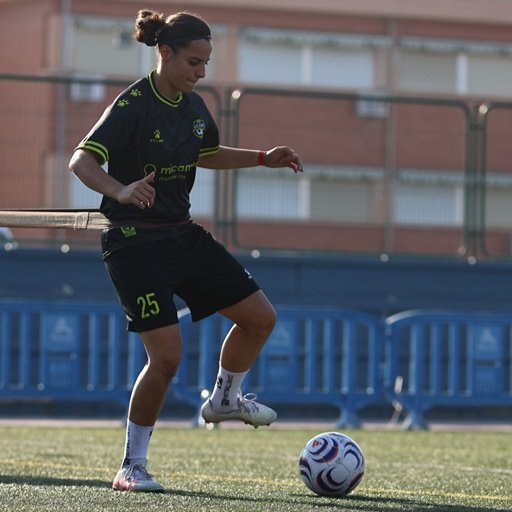
Girls’ grassroots football takes place outside the professional and elite levels, happening in schools, community sessions, and amateur clubs. The main goal is to give girls a chance to join in, learn, and have fun. Unlike elite academies that select players based on skill, grassroots football welcomes girls of all experience levels and puts more emphasis on participation than on winning.
This could be a weekly game with friends, beginner coaching sessions, or playing for a local team in league matches.
Grassroots football helps girls build skills, gain confidence, and get ready for new opportunities. You might begin with casual sessions, then join regular club training, and later play in local or regional leagues. Some players move on to academy or elite football, while others keep playing just for the love of the game.
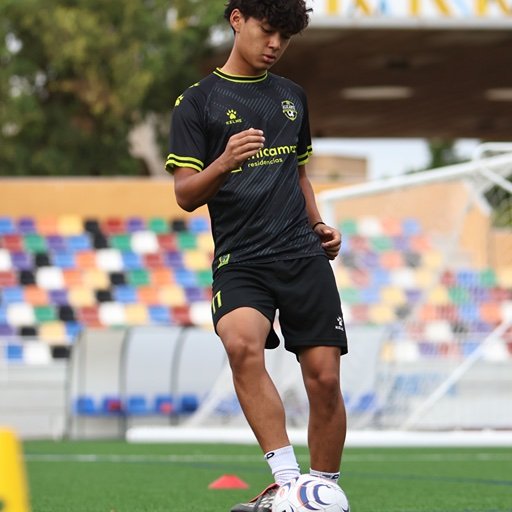
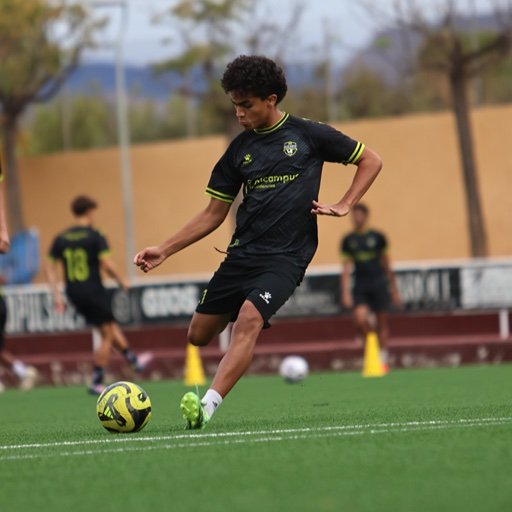
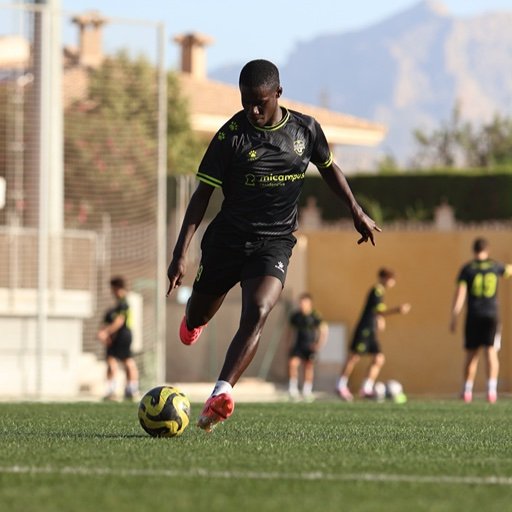
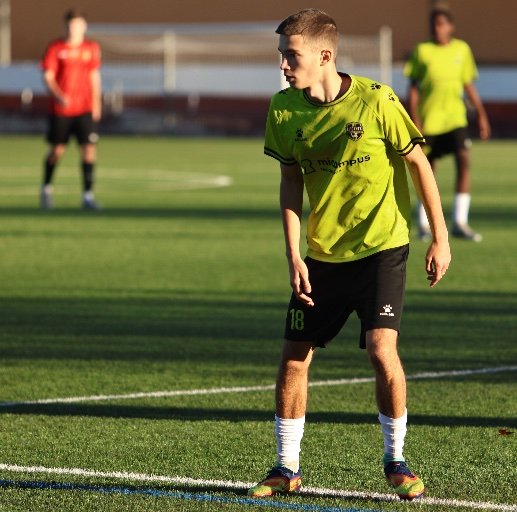
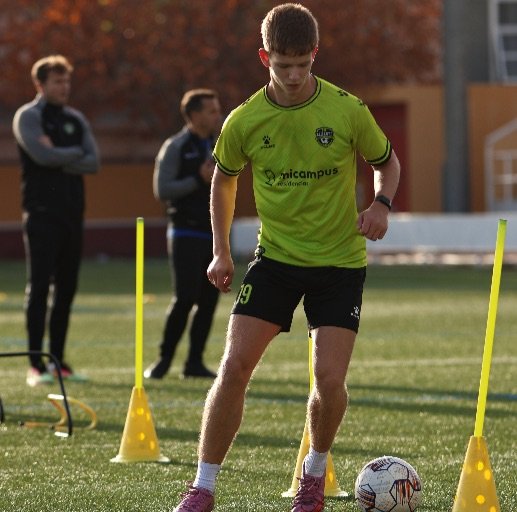
We believe development begins with what you can do with the ball. At Alicante Football Academy, our morning coaching includes individual technical work, focusing on ball control and first touch. These basics are important both before and after a player joins a more advanced program.
For beginners, we look for simple progress, like controlling a pass calmly, looking up before moving, and finding a teammate. Scoring is important, but it’s not the only way to see improvement. Getting comfortable asking for the ball is also a big step. These small gains build confidence and help get you ready for more competitive football if you want to move forward.
Why Is Girls’ Grassroots Football Growing?
Girls’ grassroots football is on the rise. More girls want to play, and there are more chances for them to get involved. When women play for their clubs and countries, it gives young players role models and shows them what’s possible in football. After England won UEFA Women’s EURO 2025, England Football reported that searches for girls’ football opportunities jumped by 196% the next day.
This growing interest shows in the numbers. In September 2026, The FA reported that female football participation went up by 15%, reaching 255,000 players. They also created 20,000 new chances for women and girls to play in their communities. But for this growth to continue, there need to be enough coaches, pitches, and regular training sessions.
Local progress is important as well. Since 2023, Essex FA has seen a 41% rise in girls’ teams. More teams mean more chances for girls to join clubs, train often, and play competitive football near where they live.
Schools can help girls get started with football through PE classes and after-school clubs. Community programs offer friendly sessions for beginners. Grassroots clubs provide regular training and league games. Governing bodies support participation by offering coaching courses, funding, and development programs. Professional clubs and their foundations can also run community sessions and help young players grow.
What matters most is making sure that when a girl tries football for the first time, she has a place to keep playing, get better, and enjoy the sport.
BUILD CONFIDENCE BEFORE YOUR NEXT SESSION
Your first sessions should help you understand the game, not make you feel behind. Our training guide explains the skills to practise, what useful coaching looks like and how to approach improvement at your own level.
Read our girls’ training guide
Why Are More Football Opportunities For Girls And Women Still Needed?
Even as the sport grows, not every girl can find a suitable team close to home. In some places, boys have more clubs and teams to choose from, while girls may have fewer options for their age or skill level. Where you live can also affect what’s available, making it harder for some girls to start playing or find the right team as they improve.
Facilities and coaching can also be a challenge. Girls’ teams might have fewer pitches to use, training at awkward times, changing rooms that don’t work well, or not enough qualified coaches. Travel can be a problem too, especially if the closest good team is far away. It’s also hard to move up if there isn’t an older age group or a more competitive team to join.
A small study from 2025 looked at 15 current and former female football players aged 18 to 19 in Ontario. They found problems like not enough teams, scheduling conflicts, and negative experiences in football. While this study doesn’t cover every community, it helps explain why some girls stop playing even if they still enjoy the sport.
Before joining a club, it’s a good idea to look at everything: the quality of coaching, access to pitches, changing rooms, toilets, how far you’ll need to travel, training times, weekly costs, and chances to move up to older age groups or stronger teams.
Beginners need a friendly place where they can learn without feeling pressured, build confidence, and get better at their own speed. More experienced players need the right level of competition, advanced coaching, and chances to reach higher levels.
Both beginners and experienced players need the right places to play. Beginners shouldn’t feel pushed into teams that are too advanced, and experienced players shouldn’t have to settle for training that doesn’t challenge them anymore. By offering more options for different skill levels, girls can stay involved and keep improving, instead of leaving football because they can’t find the right fit.
How much football experience do you have?
What kind of football experience are you looking for?
Solution:
Start with girls-only social football sessions where you can learn at your own pace. England Football’s Wildcats (ages 5–11) and Squad Girls (ages 11–16) are good examples. You’ll build confidence, practise basic skills and make friends without competitive pressure.
Solution:
Join a beginner-friendly grassroots club with weekly coaching and age-appropriate games. Look for supportive coaches, manageable costs and opportunities to develop your skills before moving into more competitive football.
What kind of football experience are you looking for?
Solution:
Try social football, small-sided games or flexible community sessions alongside occasional skills training. You’ll maintain your fitness, improve your technique and enjoy football without committing to a demanding league schedule.
Solution:
Look for a competitive grassroots team that matches your age and ability. If you’re aged 16 or over and want more intensive development, you can also explore Alicante Football Academy’s women’s programme, which offers UEFA Pro coaching and potential training opportunities with Spanish women’s clubs.
Are There Girls’ Grassroots Football Leagues?
Yes, girls can join organised grassroots teams, competitive leagues, and recreational football programmes. League structures depend on the region, age group, number of players, and competition level. Younger players usually start with smaller-sided games like 5v5 or 7v7 before moving up to 11v11. In some areas, leagues have divisions to group teams with similar abilities.
Before you decide, consider these three practical questions:
- Does the team accept beginners, and which age group would I join?
- What are the total costs for training, matches, kit, and travel?
- How does the team manage playing time, team selection, and communication with parents?
We also suggest watching a training session before making your choice. Notice if coaches include everyone, explain activities clearly, and offer the right level of challenge. A local team where you get regular playing time and chances to improve might help your development more than joining a stronger club where you rarely play.
How Do The Rules Work In Girls’ Grassroots Football?
The rules for girls’ grassroots football can change based on the country, age group, league, and competition format. Younger players don’t just play a smaller version of the adult game. IFAB lets national football associations adjust youth football rules to help kids develop their skills.
Younger age groups usually play on smaller fields, with smaller goals, fewer players, and shorter games. For example, U.S. Soccer suggests formats like 4v4, 7v7, and 9v9. In some parts of Spain, competitions use fútbol 8, which is 8v8. The specific formats and age groups depend on the local federation.
Other rules, like ball size, substitutions, offside, and restarts, can also be different. In some youth competitions, players who are substituted can come back into the game later, so more kids get a chance to play. Be sure to check the rules for your own league.
These changes are meant to help players develop better skills. Smaller games let young players get more touches on the ball and more chances to dribble, pass, and make decisions. It’s best to focus on how much kids learn and take part, instead of how closely their games match professional football.
SEE HOW OUR WOMEN’S PROGRAMME WORKS
Moving beyond your current team should start with understanding the weekly routine. Explore our programme for female players aged 16 and over, including coaching, accommodation and how we approach opportunities with Spanish women’s clubs.
Explore our women’s academy
At What Age Does Girls’ Grassroots Football Become Competitive?
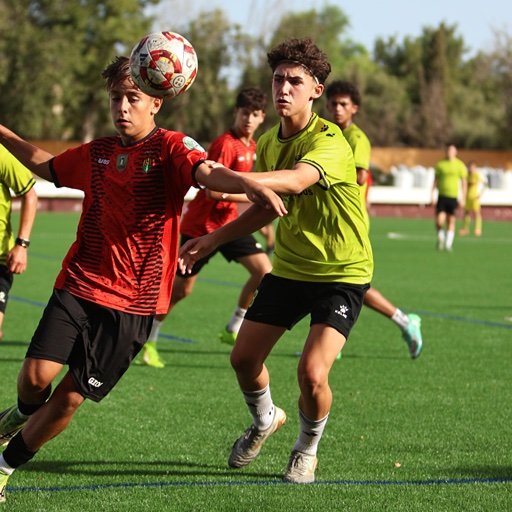
Girls’ grassroots football usually starts with participation and skill-building, then shifts toward more organized competition. Younger players often begin with friendly matches, football festivals, or local leagues that focus on learning and having fun. As they get older, competitions add regular games, league tables, divisions, and tournaments.
Competition formats change as players get older. In Spain, younger girls might play fútbol 8 before moving up to 11v11. In the U.S., players often start with smaller-sided games like 4v4, 7v7, and 9v9. The specific age groups and competition formats depend on the local federation or league.
Winning is important, but player development should always come first. Young players need lots of chances to touch the ball, make decisions, and feel comfortable trying new skills. After a match, it’s better to talk about what a player learned and how she can improve, instead of just looking at the score. Competition should challenge girls, but football should stay fun and make them want to keep playing.
How Do Girls’ Football Academies Differ From Grassroots Clubs?
Grassroots football and football academies both help girls grow as players, but they offer different types of training, competition, and commitment. Grassroots clubs usually focus on participation, enjoyment, and building teamwork. Academies, on the other hand, often give more focused coaching, personal feedback, and organized training.
Academies are usually more selective and challenging, but each one can be different. Professional club academies, independent residential programs, and private coaching centers may all have their own entry rules and ways to help players develop.
Here are the main differences to think about:
| What to compare | Grassroots club | Academy or intensive programme |
|---|---|---|
| Entry | Often welcomes local players, depending on availability and ability | May require assessments, trials or specific admission requirements |
| Weekly commitment | Usually fewer training sessions, with matches arranged around school and family life | More frequent training, analysis and greater time commitment, sometimes including travel or residence |
| Development | Learning through regular coaching, teamwork and match experience | More individual planning, technical development and performance feedback |
| Competition | Local leagues and age-group matches, often prioritising participation and development | Higher training and performance expectations; official matches depend on club registration |
| Costs | Club fees, equipment and travel expenses | Programme fees, accommodation, education and other included services |
We welcome female players aged 16 and up. Our program offers morning training with UEFA Pro-licensed coaches and, based on your level and available spots, the chance to train with Spanish women’s clubs.
Our main goals are to help you improve your skills, grow as a player, and experience Spanish football.
Grassroots football is important whether or not you join an academy. It helps girls get better at the game, become more confident, make friends, and enjoy playing often. Some players combine grassroots football with extra coaching, while others keep growing with their local teams.
The best path for you depends on your skills, goals, and how much time you have.

What Is A 16–18 Female Football Education Programme?
Football education programmes let players develop their football skills while also working towards academic or vocational qualifications. Depending on where you are and who runs the programme, you might study for secondary school exams, university entrance qualifications, or vocational certificates, all while following a set training and match schedule.
For older teenagers, these programmes make it possible to keep getting better at football without having to stop their education. This is especially helpful for players who want to aim for higher-level football but also want to keep their academic and career options open for the future.
These programmes are different from grassroots or recreational football for younger players because they mix regular training with a set education timetable. While traditional academies often focus mainly on football, some do include education. Football education programmes try to give equal importance to both football and studies.
We suggest that players look at the education side of a programme just as closely as the football side. Find out who teaches the classes, what qualifications you can earn, what the entry requirements are, and how lessons fit with training. A good programme should give you enough time for studying, recovery, and personal growth, not just football.
What Girls-Only And Social Football Sessions Are Available?
Girls-only beginner sessions, school clubs, and recreational football programs are a friendly way to start playing without worrying about competition. When girls learn with others at the same level, they can feel at ease, learn from mistakes, and grow more confident.
Programs like England Football’s Wildcats, designed for girls aged 5 to 11, introduce football with fun activities. Schools and community clubs in other countries also offer similar chances to get involved.
These sessions usually teach basic skills like passing, dribbling, and shooting. Small-sided games make sure everyone gets lots of time with the ball. Playing together also helps girls make friends, talk with each other, and feel more confident.
Not every girl is interested in competitive football. Some enjoy social sessions just for fun, while others want to join organised teams. It’s best to pick a program that fits the player’s skills, confidence, and interests.
READY FOR A MORE STRUCTURED FOOTBALL ROUTINE?
Already playing regularly and aged 16 or over? Tell us about your position, experience and goals. Apply to our academy so we can discuss whether our training environment and available programme options fit your next step.
Apply to train with us
What Is Squad Girls’ Football?
Squad Girls’ Football is a flexible, non-competitive program from England Football for girls aged 11 to 16. You do not need any football experience to join, beginners are always welcome. Each session lasts about an hour, and girls can come as often as they like.
Teenagers often have busy schedules with school, friends, and other activities, so regular team training and weekend matches are not always possible. Social football is a more relaxed option where girls can play with friends, build their skills, and enjoy the game without any pressure to compete.
These flexible sessions help girls stay connected to football, boost their confidence, and keep up with friends, even if they do not want to join a competitive team. They also make it easy for girls to come back to football after a break.
What Happens When A Girl Turns Up To Football For The First Time?
Start the first grassroots session by introducing everyone. This helps new players get to know their teammates and feel at ease joining in.
Reach out to the organiser ahead of time to check the location, what shoes and shin pads are needed, and if parents can stay. Bring water and comfortable sports clothes, but wait to buy a full kit until you know it’s needed.
Most sessions start with warm-ups, then move on to basic skills like passing and dribbling, and finish with small games. Coaches explain each activity clearly and encourage beginners to join in without any pressure.
The main goal is for everyone to have fun and build confidence, not to be perfect right away. New players need time to learn, make mistakes, and feel part of the group. After the session, parents can ask if their daughter had fun, felt welcome, and wants to come back.
How Can Clubs Create A Better Football Experience For Girls?
Getting girls interested in football is just the beginning. Clubs also need to make sure they feel welcome, with good coaching, respectful teammates, real friendships, and a positive team atmosphere.
A study on PubMed found that when coaches don’t support players’ independence, girls are more likely to quit. Coaches should listen, explain activities clearly, and give helpful feedback so girls aren’t afraid to make mistakes. Players gain confidence when they feel supported instead of judged.
Away from the field, it’s just as important to have good changing rooms, consistent training times, clear communication, and strong safety measures. Parents need to know who to contact about welfare issues and how to report any problems.
Having women in different roles is important too. When girls see women as players, coaches, referees, volunteers, and leaders, they have role models they can relate to. Older female players can help new girls feel welcome, make friends, and feel like they belong.
We think girls will keep playing if they feel safe, included, and connected to their teammates. Bringing in new players is important, but helping them stay is what really helps the club grow over time.
PLAN YOUR NEXT STAGE IN ALICANTE
For players aged 16 and over considering a stay with us, the practical details matter. Compare programme lengths, fees and what is included, then choose an option that fits your football goals, studies and family budget.
Compare programme options and fees
How Can Grassroots Clubs Develop Female Football?
Instead of holding just one-off recruitment events, clubs should focus on building long-term football programs for girls and women. To do this, they need reliable facilities, qualified coaches, dedicated volunteers, proper safeguarding, and a realistic budget.
Schools and community events are good ways to find new players, and clubs can form teams based on age and skill level. It is just as important to keep girls involved as it is to attract them, so supportive coaching, a friendly atmosphere, and clear opportunities to progress are key.
When more girls join, clubs can add new teams, age groups, and training sessions, as long as they have enough coaches, volunteers, and facilities to support everyone.
Clubs should make it easy to understand the age groups, skill requirements, training times, costs, and how to join. We believe it is better to grow steadily and give everyone a good experience than to expand too quickly without enough support.