

Key Takeaways
- Focus on gaining competitive experience before you make finding representation your main goal.
- Put together a clear CV, highlight clips, and full-match videos.
- Reach out to agents who work with players and markets similar to yours.
- Make sure you check who you are dealing with, read the agreement carefully, and know exactly what each payment is for.
Table of Contents
How To Get A Football Agent
Focus on making it easy for agents to evaluate you, instead of just reaching out to as many as you can.
Here are five steps to follow: play regularly and perform well, put together your player package, look for agents who fit your goals, reach out to them in a professional way, and follow up. Your package should have a football CV, recent match videos, your playing position, current club, and your experience in competitions.
Agents are more likely to notice you if you already show potential that clubs might want. Playing regularly, performing well, having good match videos, and building real football experience all help show your value. Moving up to stronger teams or getting interest from clubs also gives agents a reason to believe they can help you move forward.
You don’t have to wait for an agent to start improving your football career. Work on becoming the kind of player that clubs want to sign and agents want to represent.
What Should You Prepare Before Looking For A Football Agent?
Before you reach out to agents, put together a professional package that explains who you are, where you play, and what you can do on the field. Agents are usually busy, so having all your information in one place helps them review your profile quickly.
If you contact an agent without the right details or match footage, you might miss your chance to make a strong first impression. A complete package lets them quickly see your background, judge your skills, and decide if you might fit the clubs they represent.
When we talk to players during admissions, we ask for football CVs and match footage to learn about their background. We suggest you get these materials ready before reaching out to agents as well:
| Material | What to include | What it helps assess |
|---|---|---|
| Player CV | Age, nationality, position, preferred foot, height, current club, competition, contract status and contact details | Your background and current playing situation |
| Playing record | Recent appearances, minutes and relevant statistics, including the season and source | Your competitive experience and consistency |
| Highlight video | Recent match actions, clearly identifying yourself before each clip | Your strongest position-specific qualities |
| Full match | Match date, opposition, shirt number and a working viewing link | Your decisions, positioning and involvement beyond selected highlights |
| Coach reference | A coach’s name, role and contact details, shared with permission | Independent confirmation of your playing background |
If you play midfield, make sure to show how you receive the ball under pressure, your passing options, and how you move after passing. For defenders, highlight your positioning and how you recover, not just your tackles. Include enough footage before and after each play so agents can see the full situation and judge your decisions.
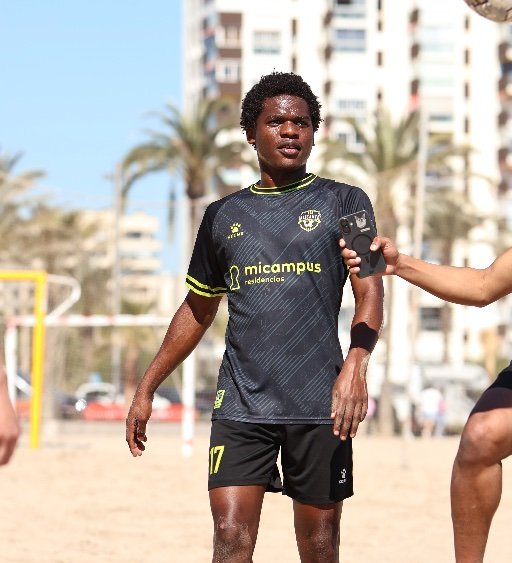
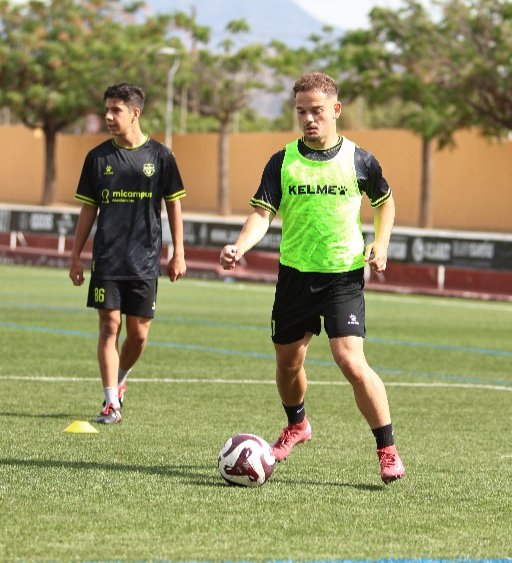
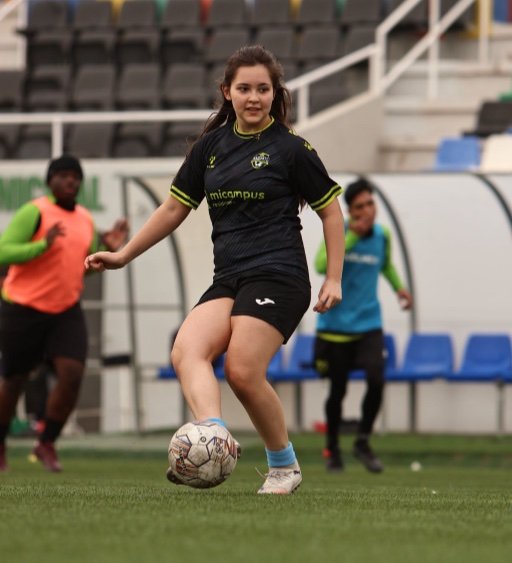
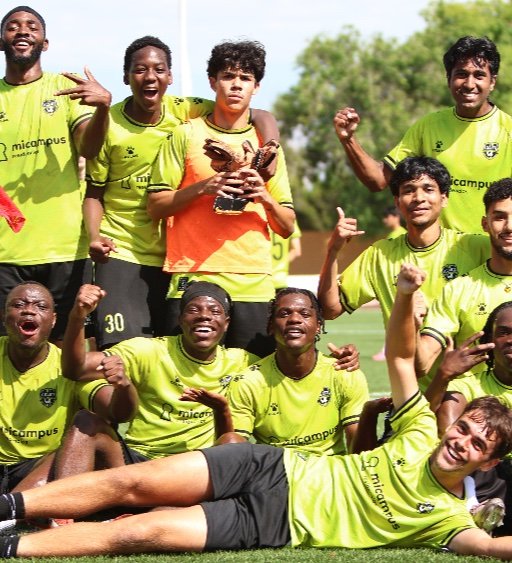
At Alicante Football Academy, we offer morning coaching and chances to train with Spanish clubs that match each player’s level. Our training sessions and video reviews help players improve their skills, spot areas to work on, and learn which performances to showcase.
Players can use their experience, video clips, and feedback to create a stronger football CV and player package. This makes it easier for agents to see their skills and potential.
Use the feedback to describe your strengths clearly. What you show on the field is more important than how your profile looks. Check every link before you send your package, and never share passport scans with people you do not trust.
DEVELOP YOUR GAME BEFORE SEEKING REPRESENTATION
A player profile needs strong football behind it. Train with us in Alicante to improve your technical, tactical and physical qualities. Send us your playing background so we can explain the programme and the next steps.
Apply to Join Our Academy
How Can You Find The Right Football Agents To Contact?
Make a shortlist of agents who work with players like you in terms of level, age, position, or football market. Reaching out to every agency probably won’t help, especially if they usually represent players at a much higher level. Instead, look for agents who have helped players make the kind of move you want to make.
Begin by checking FIFA’s agent directory to see if an agent is licensed. Next, visit their website and look at their current clients. Pay attention to the ages, positions, clubs, and levels of the players they represent. Also, look at recent transfers and club news to find out which leagues and countries they usually work in. This will show you if they have experience with players in situations like yours.
Your football network can help too. Coaches, teammates, club staff, or other contacts might know agents who work with players at your level. If someone who knows your skills introduces you, your approach will seem more credible than if you reach out on your own.
At Alicante Football Academy, we present players to Spanish clubs through relationships built on training and evaluation. In our experience, introductions matter more when they come from people who really understand your football skills and potential.
Before you reach out, make a list of agents who seem like a good fit. Write down their names, current clients, the leagues they work in, their contact details, and your reasons for choosing them. This way, you can send each agent a personal message instead of a generic email.
How Should You Pitch Yourself To A Football Agent?
Keep your first message brief, clear, and to the point. Since agents get a lot of inquiries, introduce yourself, say where you play now, and explain why you think they can help your career. Don’t send a long biography or use the same message for every agent.
Begin by sharing your age, position, current club, and the level you play at. Mention a recent achievement or important playing experience, then say why you chose to contact this agent. For example, maybe they already work with players like you or have helped players move to the leagues you want to join.
Add links to your football CV and highlight video, plus any important playing stats. Make sure everything is organised so the agent can easily look at your profile without downloading big files or asking for more details. Finish with a simple question, like asking if they would be interested in reviewing your profile.
If you don’t hear back, wait one or two weeks before sending a short, polite follow-up. Mention your first message and ask if they have had a chance to look at your information. Don’t send lots of messages or contact the agent every day.
If you still don’t get a reply, keep working on your game, update your videos, and reach out to other agents who might be a good fit. Not getting a response doesn’t mean you don’t have potential, but make sure your next message is backed up by strong football experience.
SEE HOW OUR FOOTBALL ACADEMY WORKS
Before choosing a development environment, understand how training, feedback and club opportunities fit together. Explore how we work with players in Alicante and what you should consider when comparing different training programmes.
Explore How Our Academy Works
What Should You Write In Your First Message To An Agent?
Start your message by sharing your name, age, nationality, position, and the club or competition you play for. Early on, mention your best recent achievement or football opportunity, and explain why you think this agent is a good fit for your career.
Use this template as a starting point:
Subject: (Position), (Age) – (Club/League) – Player Profile
Hello (Agent’s name),
My name is (Name). I am (Age) years old, from (Nationality), and I play as a (Position) for (Club) in (Competition). My current contract status is (Status).
This season, I have achieved (Verifiable achievement or current football opportunity, including appearances or minutes where relevant).
I am reaching out because you have worked with [Specific player or comparable players] and have experience helping players move to (Relevant league or country).
Here is where you can find my playing information:
- Football CV: (Link)
- Highlight video: (Link)
- Full match footage: (Link)
Would you be open to reviewing my profile to see if we could work together?
Thank you,
(Name)
(Contact details)
If you have had a trial, call it a trial, not a signing. Make sure your achievements are accurate and your links are easy to access. Agents need honest information to judge your abilities, so avoid exaggerating.
If you are under 18, make sure to involve your parents or guardian and check the rules that apply before contacting an agent.

What Do Football Agents Look For In Players?
Agents consider more than just your technical skills. They look at your age, position, playing level, athletic potential, consistency, mentality, and reliability. They also think about whether clubs are looking for someone with your qualities.
Having a realistic market is important. Even talented players can have trouble finding an agent if there are no clubs, leagues, or countries interested in their profile.
A 2014 study of 113 talented players aged 16–18 found that selected and deselected players differed in sprinting, dribbling, and decision-making or positioning. While the study looked at club selection, it highlights why it is important to assess different football skills.
At Alicante Football Academy, we help players improve their technical, tactical, and physical skills. We suggest showing all of these abilities in your match videos instead of just highlighting one main strength.
Being professional off the field is just as important. The way you handle mistakes, communicate, follow instructions, and keep your promises affects whether an agent will trust you. Agents risk their relationships with clubs when they recommend players, so your reliability is key to building long-term representation.
Why Does Your Current Playing Level Matter To An Agent?
Your current playing level shows an agent where you fit in the football pyramid and which clubs might be interested in you. Be sure to mention your exact team, league, and age group. Playing for a youth team is not the same as playing for the senior first team.
Playing regularly in real matches against strong teams shows your ability better than just training videos. Games reveal how you handle pressure, keep up with the pace, and make decisions when facing opponents who want to win.
When players move up to stronger teams or higher-level competitions, it gives agents a clearer picture of their progress. This makes it easier for agents to judge your current level and find the right opportunities for your next move.
Why Does Your Potential Market Value Matter To An Agent?
An agent has to believe that clubs would genuinely be interested in you. Factors like your age, position, experience, nationality, passport, and the leagues you want to play in all affect what chances you might have.
Working with an agent is a professional partnership. Agents should feel confident that their contacts and knowledge of the market can help you find real opportunities, not just offer vague promises about big-name clubs.
You can ask, “Which clubs or playing levels would you realistically approach for me, and why?” If the agent gives a clear answer, it shows they understand your situation.
For example, helping an experienced senior full-back find a club is not the same as supporting a teenage goalkeeper’s development. Pick agents who understand your level and what you want to achieve in your career.
What Does A Good Football Agent Actually Do For A Player?
A football agent helps you find opportunities, talk to clubs, negotiate contracts, and make career choices. FIFA’s agent rules explain what services agents offer.
Experienced agents use their contacts with sporting directors, scouts, and recruitment staff to learn what clubs need and to introduce players who might be a good fit. Still, having these connections does not mean you will get a contract.
Agents can help you plan your career and think about possible moves. They look at things like playing time, chances to develop, and contract details, not just the club’s reputation. Make sure you know exactly what your agent will do for you.
An agent cannot take the place of your coach, your performance, or your own responsibility for growing as a player. Keep in mind that scouts look for players to recruit, while agents give you the services you have agreed on.
UNDERSTAND THE DIFFERENCE BETWEEN A SCOUT AND AN AGENT
Not every football contact is offering representation. Our scouting guide explains how scouts may approach players, what information to prepare and how to respond professionally when someone shows interest in your football career.
Read Our Scouting Contact Guide
How Can You Check Whether A Football Agent Is Legitimate And Suitable?
Before you agree to work with an agent, make sure to check their credentials, experience, and professional background. Look up their current licence in FIFA’s agent directory and see if there are any extra national registration rules. Remember, an old certificate does not always mean someone is still authorised.
Find out who the agent’s current clients are, what transfers they have handled, their career history, and which agency they work with. Look for proof that they have helped players at your level. Check official club announcements and ask for references if needed.
Before you sign any contract, make sure you understand the agent’s fees, how long the contract lasts, if it is exclusive, and how you can end it. Check when you need to pay, if you have to do anything after the contract ends, and what services are included. It’s a good idea to have an independent lawyer or your player union look over the agreement.
If you are under 18, make sure your parent or legal guardian is involved. FIFA has extra rules and protections for minors who are being represented.
If you already have an agent, review your current agreement before letting another agent represent you. This is especially important if your contract is exclusive or you still have payment obligations.
What Questions Should You Ask An Agent Before Signing?
Before you sign with a football agent, make sure to ask clear questions about their experience, your career plan, what they will do for you, and how payments work.
- Which leagues, clubs, and countries do you usually work with? What real opportunities do you see for someone at my level?
- What services are included, who will take care of them, and how often will we talk?
- How long does the agreement last? Is it exclusive? How can I end it, and are there any duties that continue after it ends?
- How do you calculate your fees or commissions? Who pays them, when are they due, and are there any extra costs?
FIFA’s Football Agent Regulations limit player representation agreements to two years. You need a new agreement to extend beyond that. Always read the contract carefully and get independent legal advice before you sign.
What Warning Signs Should You Look For When Evaluating An Agent?
Watch out for anyone who promises you a trial or professional contract, asks for money upfront without a clear reason, or pushes you to sign right away. If an agent cannot show proof of their license, share references from past clients, or provide a solid work history, that is a red flag.
Always read any agreement carefully before you sign. If someone tries to rush you, you might miss hidden fees, strict exclusivity rules, or tough cancellation terms. A good agent will give you time to get advice from someone you trust.
Check every important detail for yourself. If you are offered a trial, reach out to the club directly using their official contact information. Make sure to confirm the invitation, dates, people involved, and any costs instead of just trusting what the agent says.
What Should You Do If Football Agents Do Not Respond?
If agents are not replying, don’t give up on your football goals. Take some time to look at your current playing level, your player package, and the agents you have contacted to see what you can improve.
Before reaching out to agents again, update your football CV with your latest performances, improve your highlight video, and check that all your links work. Keep your first message short, personal, and relevant to agents who work with players like you.
Keep working on your development through training, match analysis, and feedback. Try to spot your weaknesses, work on them, and gather clear proof of your progress.
Keep playing in competitive matches and building your experience. Getting more minutes on the field, improving your performance, or moving to a stronger team can give agents a reason to look at your profile again later.
Set a goal for the next month, such as updating your highlight video or reaching out to three new agents. Taking small, clear steps will help you move forward.
PLAN YOUR STAY AT OUR FOOTBALL ACADEMY
Ready to consider training in Spain? Compare our programme lengths, fees and included services before applying. Find an option that matches your football development needs, personal goals and the time you can commit.
View Programmes and Fees
How Long Should You Wait Before Following Up With An Agent?
It’s best to wait about 10 to 14 days before sending a short, professional follow-up, unless the agent tells you otherwise. This gives them enough time to look over your profile without feeling rushed.
When you follow up, reply in the same email thread and add something helpful, like recent match footage, updated stats, or news about an upcoming trial. Don’t send daily reminders or contact the agent on different platforms, since this can seem unprofessional.
If you don’t get a reply, try reaching out to other agents who might be a good fit. You can always contact the same agent again later if your skills, performance, or football situation have improved.
Can You Get A Football Agent For Free?
You can find a football agent who won’t charge you an upfront assessment fee, but keep in mind representation usually isn’t free. Paying a commission for professional services isn’t the same as paying someone just to look at your profile.
Before you agree to work with an agent, make sure you know what services the commission covers, how the fees are worked out, and when you’ll need to pay. Your agreement should explain all these details clearly.
Paying someone in advance does not mean you’ll get a real trial, a professional contract, or a chance with a club. Always check any promised opportunities directly with the club. FIFPRO also warns players about fake agents who ask for money in exchange for opportunities.
Always read your representation agreement carefully before you agree to pay anything. If you’re unsure about any part of it, get independent legal advice.
Are you currently playing regular competitive matches?
Do you have an updated football CV and recent match videos ready to share?
Solution:
You are ready to start contacting suitable football agents. Use FIFA’s agent directory to check their licences and shortlist agents who represent players at your level. Send a personalized message with your CV, highlights and full-match footage. Check their credentials, services and contract terms before agreeing to representation.
Solution:
Build your player package before contacting agents. Create a football CV showing your club, position, competition, playing experience and contract status. Prepare recent highlights and at least one full-match video. Ask your coach for feedback and check that your video links work before approaching licensed agents.
Do you have an updated football CV and recent match videos ready to share?
Solution:
Your next priority should be gaining consistent competitive experience. Use your existing CV and videos to approach suitable clubs or development programmes rather than focusing only on agents. Ask coaches to assess your level, work towards regular match opportunities and update your footage as you progress. Stronger recent performances will give agents more evidence to evaluate.
Solution:
Focus on your football development before seeking representation. Find opportunities to train with suitable teams, play competitive matches and receive feedback from qualified coaches. Start building your CV and recording match performances as you gain experience. Once you can demonstrate your playing level with reliable evidence, you can begin researching licensed agents who work with players like you.
How Much Does A Football Agent Usually Cost?
Football agent fees vary depending on the country, the rules that apply, your contract, and the services you need. There is no universal commission rate for all players.
It’s important to tell apart agent commissions, representation fees, and third-party costs. A commission is often a percentage of your agreed earnings and is just one type of representation fee. Other fees might be set up in different ways. Services like legal advice, training, accommodation, or video production should each have their own clear costs.
Before you sign anything, make sure to check the football regulations that apply to you. Some FIFA fee rules are currently suspended, so the published percentage limits might not always apply. Look at the latest FIFA guidance and your national football association’s rules.
Ask your agent to show you exactly how their fee would be calculated based on what you might earn. For example, if the commission is 5% on €20,000, the fee would be €1,000. This is just an example, not a suggested or legally binding rate.
Make sure you get all fees and payment terms in writing. This should include bonuses, taxes, extra costs, payment deadlines, and what happens if your contract ends early. Have someone independent review the agreement before you agree to any financial commitments.