What Happens When You Get Scouted For Football? A Soccer Players Path To Club Trials
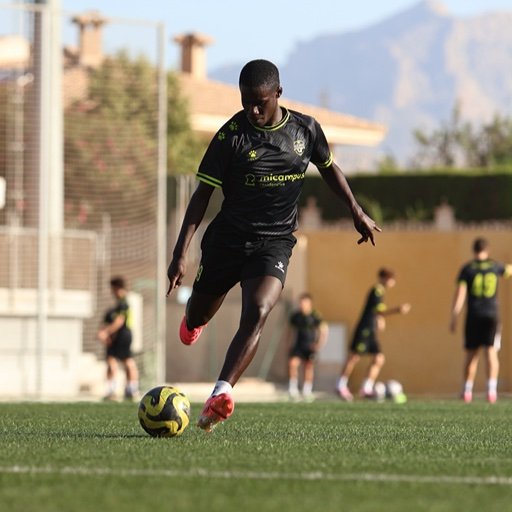
Getting scouted can feel like a huge moment, but it’s really just the start of being evaluated. Scouts might notice your potential, but the club will also check if you’re consistent, have good character, and fit in with the team.
Many players expect a contract after playing well in just one game. Some get nervous and try too hard to impress, forcing passes, shots, or dribbles because they believe every move needs to stand out.
This guide explains what happens after a scout notices you, how contact and trials work, what parents should watch for, and how to stay ready without thinking early interest guarantees an offer.
Spain Football Training Visa: What Soccer Players Need In 2026
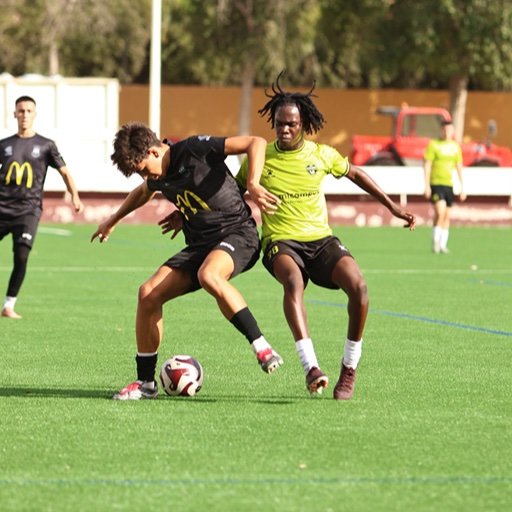
Spain does not have one official visa or checklist for football training. The process you need to follow depends on your nationality, how long you want to stay, and if you plan to only train, combine football with school, work for pay, or take part in official competitions.
Every season, we support international players and their families. The most common mistake is focusing on “football” first, instead of the legal reason and how long you plan to stay. Even if you have a real academy offer, picking the wrong visa or sending in documents that do not match can lead to a refusal.
This guide explains the main visa options for 2026 and how we help academy players prepare their documents. It uses official information and gives general advice, not personal legal help. The Spanish authorities always make the final decision on visas.
Pass And Move Football Drills: Soccer Exercises To Transform Team Play

Passing the ball is only the start. What you do after that decides whether your teammate gets help, if the defender can stay with you, and if your team can keep attacking.
We use pass-and-move drills to teach players to release the ball, scan the field, and get into a better spot. The following exercises include basic cone drills, three-player moves, one-twos, rotations, and small games with opponents. You can change each drill for young beginners or for experienced players who need to make quicker choices under pressure.
How Do I Get My Son Into A Football Academy? A Soccer Parents’ Path To Success
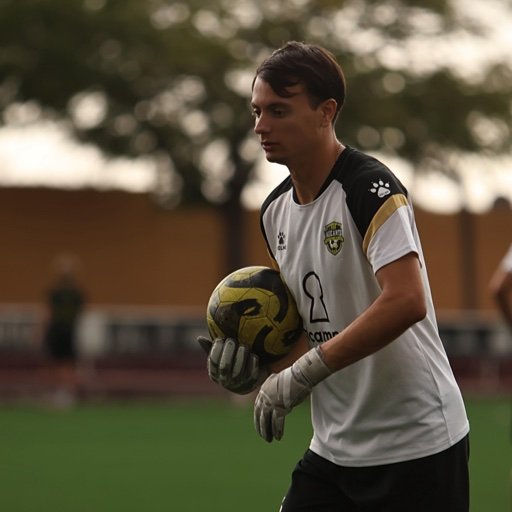
Getting your son into a football academy takes more than just sending in an application. It’s important that he plays competitive football often, works with good coaches, and has opportunities to be evaluated.
A lot of parents contact big clubs before making sure their son plays regularly, takes feedback seriously, and really enjoys the game. This guide will help you build a solid plan, find real trial opportunities, prepare an application, and keep your child safe.
Best Football Boots: Top Soccer Models For Every Position In 2026
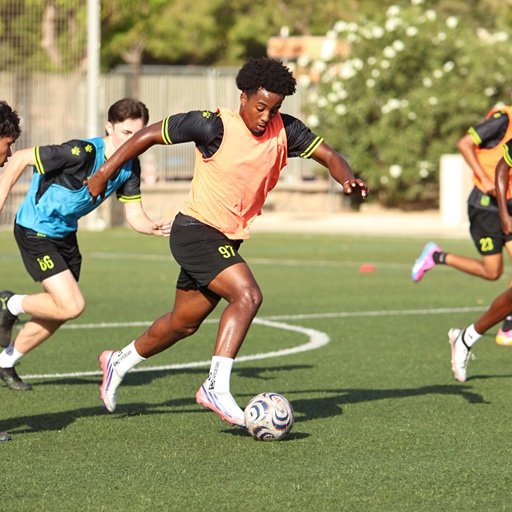
It is annoying to invest a lot of money in football boots only to discover that they pinch, slip, or just don’t feel right when you’re playing. Although a pair may look perfect on online pictures, it doesn’t necessarily suit you since fit and the soleplate are more important than colour, price, or endorsements.
The guide looks at the 14 best boots available in the 2026 season, evaluating them on the basis of speed, control, comfort, touch, traction, durability, and value before suggesting the most suitable ones for various types of feet, positions, and playing surfaces.
At Alicante Football Academy, boots are put through their paces during technical sessions, sprints, small-sided games, and matches. With the right boots, players can focus on the game instead of heel movement, pressure points, or painful studs.
What Age Do Goalkeepers Get Scouted, And How Can Young Football Keepers Get Noticed?
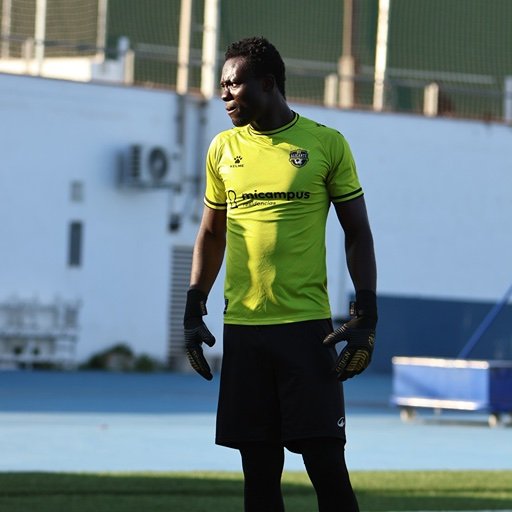
Parents and young goalkeepers often worry about the right age to get scouted. This can lead families to rush into trials, compare kids who grow at different speeds, or feel like they have missed out.
There is no fixed deadline. Scouts might start watching goalkeepers as early as eight or nine, but most academy evaluations happen between ages 11 and 14. Players can still get noticed at 15, 16, 17, or even later. Here’s what changes at each age and how young keepers can stand out.
Spain Football Academy Fees: What Should Soccer Players Expect To Pay?

The typical cost to join a residential football academy in Spain is about €2,300 to €4,500 per month. For a ten-month season, this usually adds up to €23,000 to €35,000. These amounts are general estimates, not official prices. Premium programs that include football, private education, and extra player services can be much more expensive.
From our experience, the key question is not just, “What is the fee?” but also, “What does the player get, and what extra costs are there?” At Alicante Football Academy, we arrange both training and daily living. This guide covers prices, what is included, options for shorter stays, academic choices, trials, payment terms, and any hidden costs. The prices listed were checked in July 2026 and may change.
Sharks And Minnows Football Drill: How Do Young Soccer Players Learn Dribbling Under Pressure?
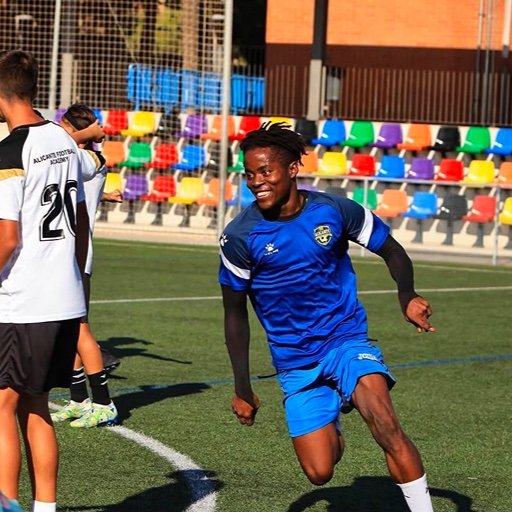
Sharks and minnows soccer may look like a simple chase game, but when played well, it helps young players learn to control the ball, find open space, protect it, and decide when to slow down or speed up.
The game can become too crowded or too easy. If the space is too small, beginners might lose the ball quickly. If it is too large, the fastest player can just run straight across without making real decisions.
This guide explains the setup, rules, coaching tips, and different ways to play. It also shows how to adjust the game so each round helps kids get better at dribbling, not just keep them busy.
How Does A Football Academy Work? A Guide For Young Soccer Players And Football Families
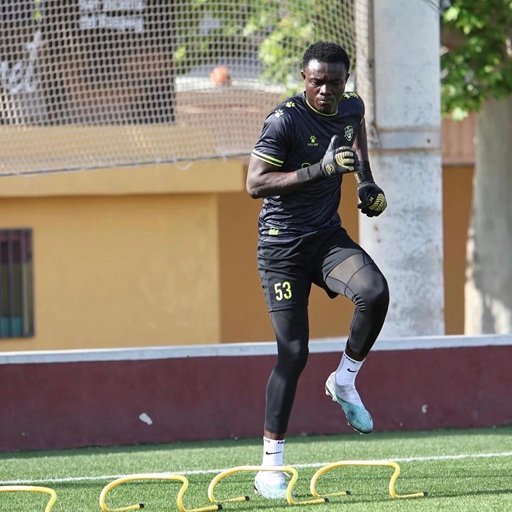
A football academy might seem impressive at first glance, but many families are unsure about what really happens once a player joins. Training is just one aspect. Players also need to adjust to coaching styles, competition, evaluations, schoolwork, and sometimes living away from home.
A good academy helps organize this journey. It evaluates each player, sets goals for their development, and offers regular chances to train, play, and get feedback. This guide will show families what to expect and explain why joining an academy does not guarantee a professional career.
Goalkeeper Drills For Football: How Soccer Keepers Build Handling, Reflexes And Sweeper Skills
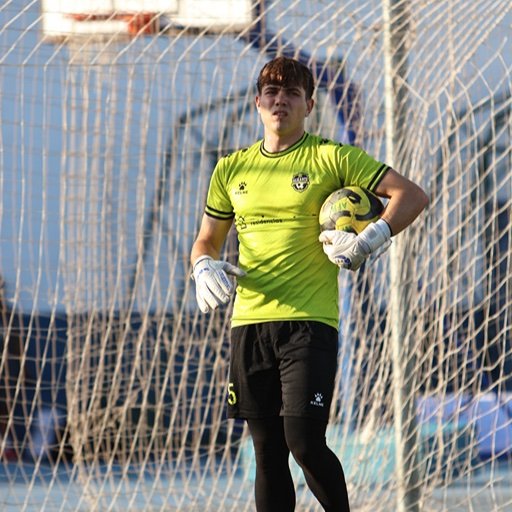
The best goalkeeper drills prepare keepers for real games. A good training session is not just about making players dive until they are tired. It should help them get better at handling, footwork, positioning, stopping shots, passing, and making decisions when under pressure.
At Alicante Football Academy, we often notice that some athletic goalkeepers have not learned their skills step by step. They might pull off an impressive save, but then lose their balance on the next shot or rush an easy pass. We focus on teaching the technique first. Players learn it, practice until it feels natural, add pressure, and finally use it in real game situations.