
Soccer ID Camps For College Recruiting: How Football Players Can Prepare And Stand Out

Soccer ID camps can be useful, but you need to choose the right one and come prepared.
A lot of players and parents believe that attending a soccer ID camp with many college coaches guarantees a recruiting opportunity. But it’s important to choose a camp that matches the player’s skill level, position, academics, and timing.
At Alicante Football Academy, we see that coaches look for more than just technical skills. They also notice how players make decisions, their attitude, how they communicate, their body language, and how quickly they follow instructions.
This guide explains how soccer ID camps work, how to choose the right one, how to prepare, and what to do after the camp.
How To Sign Up For A Football Club: A Soccer And Football Guide To Joining The Right Team

Signing up for a football club can look simple at first. Many players who join Alicante Football Academy have talent, but they might not know how to show their skills or what it really means to join a team or sign with a club.
The right path for you depends on your age, skill level, and your goals. For instance, if you want to play football just on weekends, your journey will be different from someone aiming to join an academy or a semi-professional team.
This guide will help you sign up for a football team, explain how youth registration works, show how trials are assessed, and help you choose the best path for your goals.
How To Join A Football Team As A Kid: A Soccer Guide For Young Players And Parents
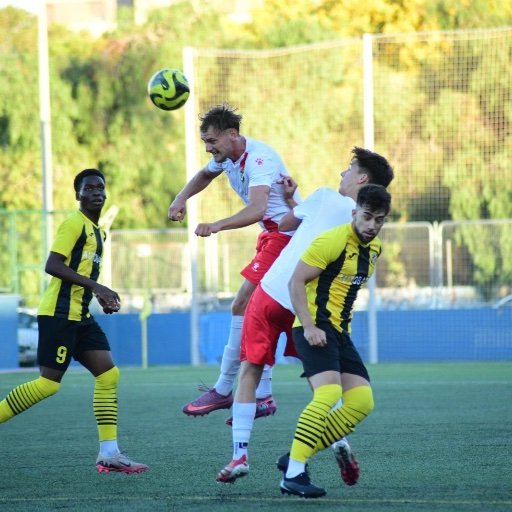
Starting out with a football team as a kid can be confusing. You might wonder when to begin, if you need to have skills already, how tryouts work, or which club will suit your child best.
Most young players don’t start out as experts. They learn by showing up, listening, making mistakes, practicing often, and playing with others.
The most important thing isn’t joining the best academy right away. It’s finding a place where your child feels safe, has fun playing football, and gets better each week.
This guide covers how kids can join a football team, how parents can pick the right club, what academies look for, and how girls and beginners can get started.
How To Become A Professional Footballer At 16: A Complete Soccer Pathway For Young Football Players

At 16, football starts to feel more serious.
This step involves better training, tougher games, honest feedback, watching match videos, and having a clear plan.
At Alicante Football Academy, we help players from all kinds of backgrounds. Some need more chances to be seen, while others focus on building discipline, fitness, playing harder in matches, or making better decisions before they try out for teams.
This guide will show you what to work on next as a 16-year-old football player.
Football Training Equipment For Players And Coaches: Soccer Gear That Improves Practice
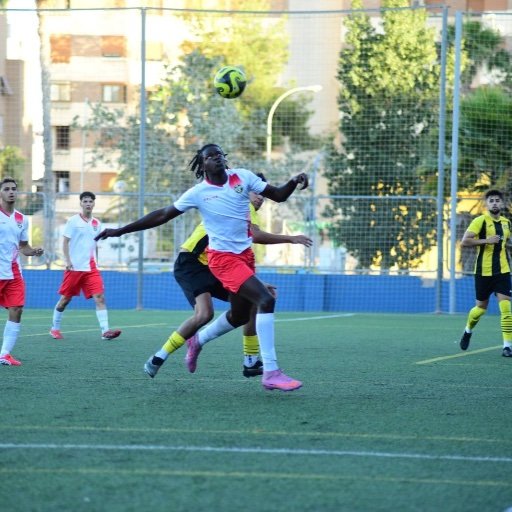
When you first start looking for football training equipment, it seems simple. You spot cones, goals, rebounders, ladders, bibs, and balls, and it might seem like you have to get everything.
In football training, equipment is only important if it helps players get better. For example, a cone can mark where to pass, create a dribbling gate, set up a sprint, or organize a possession drill.
At Alicante Football Academy, we notice that players improve the most when they pick the right equipment, train often, and pay attention to feedback, instead of just buying the most expensive gear.
This guide shows which soccer training gear is truly helpful and how to pick the right equipment for your age, skill level, space, budget, and goals.
What Is A Soccer Academy? How Football Academies Develop Young Players

The term soccer academy, or football academy, means different things depending on the country, the club, and the player’s level. This can be confusing for many families.
Some academies are connected to professional clubs. Others are private training programs. There are also residential academies where players live, train, study, and compete. In some cases, the word “academy” is used for programs that only offer a few extra sessions each week.
That’s why it’s important to know the differences.
At Alicante Football Academy, we often meet international players who ask, “Is this really different from my club back home?” The answer is yes, as long as the academy is well organized. A real academy gives players a clear routine, stronger coaching, more feedback, and a development plan that goes beyond just playing games.
In this guide, we’ll explain what a football academy is, what players do there, how it compares to high school, club, and ODP football, and what parents should consider before making a decision.
Best U8 Football Drills: Fun Football Games To Build Skills And Confidence
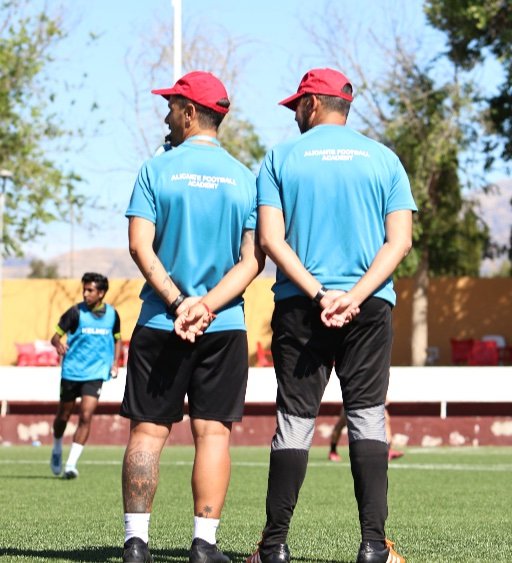
Good U8 football drills should never feel like schoolwork.
At this age, kids want to move, touch the ball, score goals, chase their friends, make mistakes, and try again. If a session has long lines, too much talking, or complicated tactics, most 7- and 8-year-olds will lose interest fast.
We notice the same thing later at Alicante Football Academy. Players get better faster when training has a clear goal but still feels lively. The best sessions give players lots of touches, quick decisions, and enough freedom to solve problems on their own.
That’s why U8 soccer drills should be short, fun, active, and feel like real games. They should teach real football skills, but in a way that feels simple for kids.
Football Exercises At Home: Soccer Drills To Build Skills, Fitness, And Ball Control

Training at home can feel challenging if you do not have a full field, teammates, gym equipment, or a coach to support you.
But many of the habits that help footballers improve are simple. Things like clean touches, repeated passes, stronger legs, sharper turns, better balance, and smarter movement all make a difference.
At Alicante Football Academy, we see this with our players all the time. Players who already have good home-training habits usually adapt faster because they understand how important repetition is. They know how to practise even when things are not perfect.
You don’t need a professional facility to start improving. All you need is a football, a small space, a wall if you have one, and a routine you can stick to.
This guide will show you football exercises you can do at home to work on ball control, your weaker foot, passing, speed, defending, shooting, fitness, and strength, even if you do not have any gym equipment.
Academy Vs Club Soccer: Which Football Path Is Right For Young Players?

Choosing between academy soccer and club soccer is not always easy.
Many parents and players think the choice is simple. They often view academy soccer as more serious and club soccer as less serious. But it is not always that clear.
Some clubs have excellent coaches, strong leagues, and good opportunities for players. Some academies are truly professional, but others use the word “academy” mainly because it sounds impressive.
However, the main issue is not simply choosing between academy and club soccer. The real question is:
Which environment will help the player develop, compete, stay motivated, and move forward?
At Alicante Football Academy, we welcome players from many different backgrounds. Some come from local clubs, others from school teams, and some already know what academy life is like. We have found that the best path depends on each player’s level, habits, attitude, and long-term goals.
4-5-1 Formation In Football: How Soccer Teams Use Midfield Control And Defensive Shape

The 4-5-1 formation shows that football is not only about sending more players forward to attack.
It is also about keeping control of the game.
When a team uses the 4-5-1 well, opponents find it tough to break through or take control of the midfield, and the team can strike quickly on the counterattack. At Alicante Football Academy, we notice that young players often think this system is too defensive at first. But after they learn about spacing, pressing, and counterattacking, they realize how effective it can be.
In this guide, we will explain how the 4-5-1 works, what each player does, why the midfield is important, how to train for this system, and how opponents might try to beat it.