

Key Takeaways
- Before you start playing, make sure to check the equipment, the field, the goalposts, and that emergency access is clear.
- Always prepare well by doing structured warm-ups and making sure to balance training with enough recovery time.
- If you notice pain, dizziness, or any symptoms after a hit, speak up right away and don’t try to hide it.
- Everyone has a role to play. Players, coaches, and organizers should each know their tasks and have a contact person if they need help.
Table of Contents
Health And Safety In Football
Managing safety is about preventing avoidable harm during training, matches, and daily club activities. This includes injury prevention, equipment checks, safe facilities, first aid, safeguarding, player wellbeing, and legal duties. Clubs should spot and control hazards before sessions or matches start, instead of waiting for accidents.
Players should speak up about any concerns and follow instructions. Coaches must plan safe and suitable activities. Organisers and volunteers should know their roles for maintenance and emergencies. Officials are responsible for applying the rules during matches.
The goal is not to take away tackling, competition, or physical effort. Instead, it is to tell the difference between normal challenges in sport and hazards that need to be managed.
A grassroots club can begin by making a short checklist, assigning clear responsibilities, and creating an emergency plan that fits its activities.
What Is Health And Safety In Sport?
Health and safety in sport is about making sure players, staff, officials, volunteers, and others are protected from harm that can be avoided. This means spotting things that could cause harm, judging the risk, and taking steps to control it.
A hazard is anything that could cause harm, like a broken goal. Risk is about how likely harm is and how bad it could be. Coaches, club organisers, and others in charge should look for hazards, put controls in place, and tell participants about any safety steps.
In football, these steps are important for training sessions, matches, and club facilities. It is important to set up safe shooting lanes, check the pitch, goals, and changing rooms, and make sure vehicle access is clear. The safety check should also consider who will be taking part.
Why Is Health And Safety Important In Sport?
Good preparation keeps everyone safe, not just the starting eleven. Substitute players, coaches, volunteers, and spectators all use the facilities, so safety management needs to include everyone involved in football.
A 2008 trial with 1,892 female footballers aged 13 to 17 found that a structured warm-up programme led to a 32% lower risk of injury.
This shows that careful preparation helps, but it does not mean injuries can be avoided completely. Good safety practices can lower the risk of preventable injuries and accidents by spotting hazards early, preparing players well, and having the right procedures in place.
Clear plans help families see how the club works and give players a way to share concerns without feeling responsible for fixing everything. When players know that risks are taken seriously, they can join in with more confidence. Consistent safety steps also cut down on problems, complaints, and avoidable incidents, making the club run more smoothly over time.
What are you mainly trying to make safer?
Is there an immediate safety concern right now?
Solution:
Stop the activity and report the problem immediately. Do not try to play through pain, dizziness, weakness, or possible concussion symptoms. Damaged equipment should be removed from use, and a player with a suspected concussion should not return to play that day and should follow medical advice before returning.
Solution:
Focus on prevention. Use a structured warm-up, wear suitable boots and shin guards, check equipment before playing, take regular water breaks, and balance training with enough food, sleep, hydration, and recovery between sessions.
Is there an immediate safety concern right now?
Solution:
Stop or restrict the affected activity until the hazard is controlled. Keep players away from unsafe goals or facilities, make sure first-aid support is available, keep emergency access clear, and contact emergency services when a serious injury or medical emergency requires it.
Solution:
Create a routine safety system with pitch and equipment inspections, clearly assigned responsibilities, first-aid arrangements, an emergency plan, and a simple process for reporting injuries, hazards, and near misses. Review the procedures whenever facilities, players, equipment, or guidance change.
How Can Health And Safety In Sport Be Improved?
Check your procedures whenever something changes, not just at the start of the season. New players, a different pitch, damaged equipment, an injury, or even a near miss all mean it’s time to reassess.
UK Coaching’s Safe to Practice guidance says you should keep checking regularly and learn from any incidents.
Players need to know who to tell about hazards and how to report them. Staff should be trained to respond quickly and in the same way every time. It helps to give each reported problem a specific person to handle it and a deadline. For example, instead of saying “Tell somebody about the broken fence,” say, “The facilities lead closes this area and confirms the repair before the next session.” This makes it clear what needs to happen.
Clubs should learn from injuries and near misses, not just serious accidents. When guidance changes, update staff training and club procedures so everyone carries these lessons into future sessions and matches.
What Football Safety Tips Can Help Players Stay Safe?
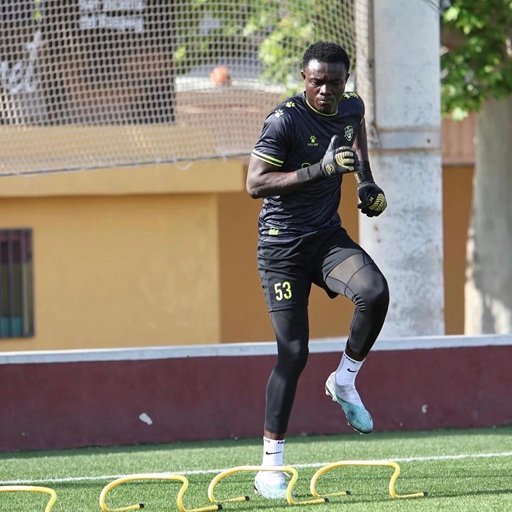
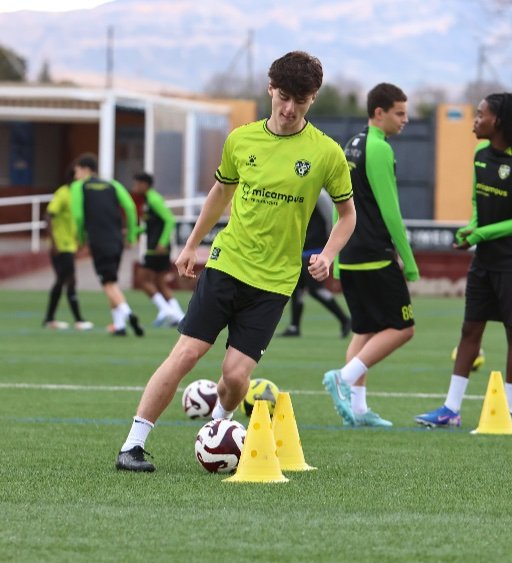
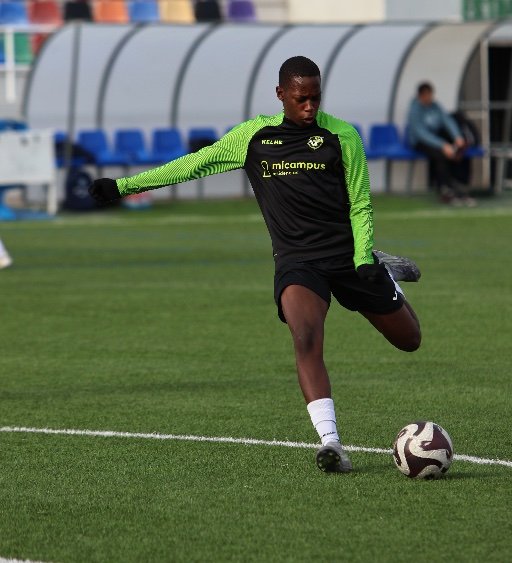
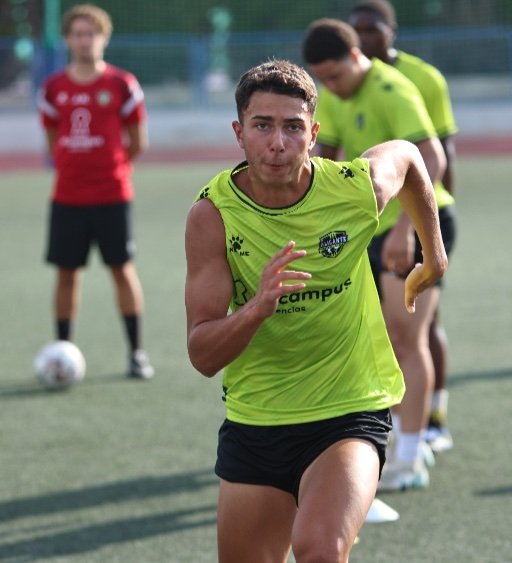
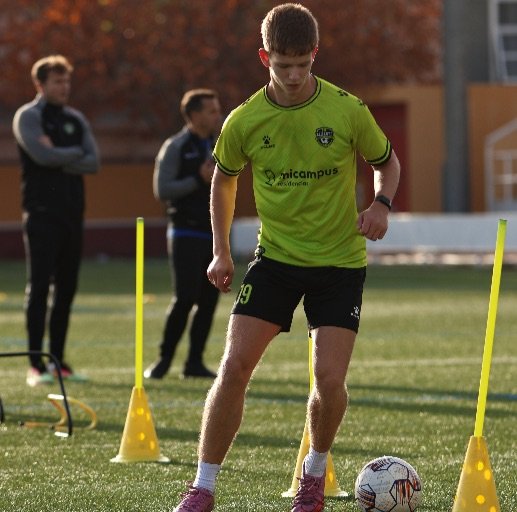
Before you start training, get ready for the movements you will do. Begin your warm-up with some light running and mobility exercises, then move on to balance, strength, changing direction, and faster football drills. Make sure you wear the right shoes for the surface and check that your boots, shin guards, and other gear are in good shape.
While you are training, listen to your coach, take regular water breaks, and let someone know right away if you have any problems. Do not ignore pain, dizziness, feeling weak, head bumps, or broken equipment just to keep playing. Coaches can help keep everyone safe by giving drills enough space, keeping waiting players away from active areas, and making sure everyone understands the contact rules.
After playing football, recovery is important. Drink water, eat well, get enough sleep, and tell someone if you notice any problems later on. If you train with us in the morning and with Spanish clubs in the evening, remember to think about both sessions when planning your rest and workload.
At Alicante Football Academy, we see player safety and wellbeing as a key part of our training. We focus on planning sessions, managing workload, supporting recovery, checking equipment, and keeping good communication with our players.
TRAIN IN A STRUCTURED FOOTBALL ENVIRONMENT
If you want to develop in Spain, the training session is only part of the experience. Our programme combines structured football development with accommodation, meals, transport and support throughout your stay.
Explore our football programme
What Football Equipment Is Essential For Player Safety?
Begin by choosing equipment that fits well, matches the playing surface, and is in good shape. Using the right, well-kept gear helps prevent injuries that can happen from poor fit, broken parts, or using the wrong equipment for the activity.
According to IFAB’s Law 4, players must wear a shirt with sleeves, shorts, socks, shin guards, and proper footwear. Shin guards need to offer good protection, fit well, and stay covered by the socks.
Players should pick boots based on the playing surface and venue rules, not just how they look. Before playing, check the soles, studs, fastenings, and fit. Replace any damaged gear instead of risking it for another game.
Check all equipment before every training session and match to spot any problems early. This includes shared training gear. If you find a damaged hurdle, sharp cone, or unstable goal, take it out of use until it is fixed or replaced.
Remove any dangerous accessories. Just covering something unsafe with tape does not always make it safe, so players need to follow the referee’s instructions and the competition rules.
Each player should take care of their own kit and report any issues. Clubs need to look after shared equipment, make it clear who checks it, and remove anything that is broken.
How Can Football Pitches And Facilities Be Kept Safe?
Walk around the pitch and nearby areas before the players arrive. Make sure to check the current conditions instead of relying on yesterday’s inspection.
Start with this checklist and add any hazards that are unique to your venue.
| Area | What to look for | Action before play |
|---|---|---|
| Playing surface | Holes, debris, uneven areas or standing water | Remove hazards or move, delay or cancel the activity |
| Pitch edges | Bags, spare equipment or nearby obstacles | Clear space for players to run beyond the line |
| Goals | Unsecured frames, loose fittings or damage | Keep players away until a competent person makes them safe |
| Changing and spectator areas | Slippery floors, poor lighting or blocked exits | Restrict unsafe areas and arrange correction |
| Emergency route | Locked gates or vehicles blocking access | Confirm the access route and who can open it |
Make sure the space and facilities match the players’ age, ability, and the type of activity. Work with the venue operator on repairs, and remember that finding a problem is different from making sure it’s actually fixed.
Weather can also affect your plans. For example, in August we moved training to 8:30 instead of the usual 9:45 to avoid the heat.
Starting earlier is just one way to stay safe. The CDC also recommends pacing activities and picking cooler times of day. Make sure to give breaks, offer water and shade, and slow down or stop if needed. If anyone feels faint or weak, they should stop and move to a cooler place.
READY TO TRAIN WITH US IN ALICANTE?
Tell us about your age, position, playing experience and preferred dates. We’ll review your application and explain which programme options are available for you.
Apply to join
How Should Goalposts And Other Football Facilities Be Checked?
IFAB’s Law 1 requires goals, including portable goals, to be firmly secured to the ground.
Someone qualified should make sure each goal is put together properly, stable, and anchored with the system provided by the manufacturer. They should also look for loose parts, frame damage, torn nets, sharp edges, and anything nearby that could be dangerous for players.
Players should not climb or hang from the crossbar. Clubs should also avoid making makeshift repairs or using weights that were not made for the goal.
If a goal or any equipment is unsafe, stop using it right away and keep players away until it is fixed or replaced. Check the goals again after moving or putting them back together.
What First Aid Should Be Available In Football?
Make sure every training session and match has first-aid supplies that are easy to reach and that someone with first-aid training is ready to help if needed. The kit should fit the activity and be checked and restocked often.
An emergency plan should clearly state the venue and pitch, who will call for help, who brings equipment, and who opens access for emergency services. Clubs should also know where the nearest AED is and if it can be used during the session.
In Spain, call 112 if there is an emergency. If someone collapses and does not respond, call right away. If they are not breathing normally, start CPR, send someone to get an AED, and follow the emergency operator’s instructions.
If you think someone has a concussion, stop playing. Headache, dizziness, confusion, or balance problems after a hit to the head or body mean the player should leave the game and see a doctor. A player does not have to lose consciousness for a concussion to be suspected.
FIFA and WHO’s Suspect and Protect guidance also says that symptoms can show up later. If a player might have a concussion, they should not play again that day and should only return after following a doctor’s advice and taking it step by step.
Serious injuries, loss of consciousness, seizures, or symptoms that get worse need to be checked by a doctor. Treating a player at the side of the pitch does not mean they are ready to play again.
Before going to an away game, clubs should check the venue’s emergency access, first-aid plans, and where the equipment is kept.
How Can Football Clubs Protect Player Wellbeing?
Look after players’ physical, emotional, and psychological wellbeing, not just whether they can play matches. Training should fit each player’s age, ability, physical growth, and recovery needs. If a player is often tired, sleeping poorly, or feeling discomfort, use that as a reason to talk with them, not to question their effort.
Change training plans if players seem too tired. Getting enough rest is important, especially for those who also have club training, gym sessions, or matches outside the academy.
In our residential programme, players have their own rooms and get three meals a day. This helps set a routine focused on football, but recovery still depends on how players spend their time. Extra running, gym sessions, or playing football for fun should not get in the way of the academy schedule or recovery.
UEFA recommends focusing on food first when it comes to nutrition. What players eat and drink should fit their own training and needs, not just copy what professionals do or depend too much on supplements.
Players need to feel safe reporting injuries, bullying, or other worries without being afraid they will lose their spot on the team. Reporting problems should be seen as responsible, not something to punish. If a concern is medical or psychological and outside a coach’s knowledge, it should be passed on to a qualified professional.
For players who live away from home, wellbeing also means getting enough sleep, handling school stress, settling in, and being able to talk openly. Support for their welfare should be explained clearly and in words they understand before any problems come up.
COMPARE PROGRAMME OPTIONS AND PRICING
The right length of stay depends on your goals, available time and budget. Compare our programme durations, prices and what is included before deciding which option suits you.
View programmes and prices
How Can A Football Club Create Its Own Health And Safety Policy?
A football club’s health and safety policy should help prevent avoidable harm, keep everyone involved safe, and make sure safety is managed in a consistent way. The policy needs to explain what the club will do, who is responsible, and what steps to take if something goes wrong.
Make sure everyone knows their responsibilities, including coaches, committee members, staff, and volunteers. The policy should say who inspects the pitch and facilities, checks equipment, provides first aid, manages emergencies, and handles safeguarding issues. It should also name deputies to cover when someone is away.
Write down clear steps for pitch inspections, equipment checks, first aid, emergency response, and accident reporting. Make sure staff, volunteers, players, and parents can easily find these instructions. Show new volunteers the procedures before they start helping.
Include risk assessments in the policy by noting the hazard, who might be harmed, what controls are in place, who is responsible, and when to review it. Keep records of injuries and near misses so you can spot and fix repeated problems.
Review the policy regularly and update it after big changes, incidents, or new advice. Test it in real situations: a volunteer should know who to call, where to find first-aid supplies, and how emergency services can get to the pitch without having to look through lots of documents.
How Does Safety In Other Sports Compare With Football?
Most sports share the same basic safety principles. These include proper warm-ups and coaching, checking equipment, using suitable facilities, having first aid available, and regularly reviewing risk assessments.
The risks and safety measures vary by sport. For example, swimming needs water-safety plans, while cycling has its own equipment and traffic risks. In football, it is important to focus on contact, stable goals, safe pitch conditions, and the demands of running, turning, and tackling.
This is why safety advice from one sport should not be used in another without considering the differences. For example, American football uses helmets and shoulder pads, which do not apply to soccer. While the idea of proper preparation is useful in any sport, the specific safety measures need to fit the activity.
BUILD A BETTER FOOTBALL WARM-UP
Good preparation starts before the main session. See practical football warm-up drills you can use for mobility, movement, ball work and gradually increasing intensity before training.
See our football warm-up drills