
Key Takeaways
- Pick your training group and coaching level first, then decide on the destination.
- If a camp says “girls accepted,” it does not always mean the sessions are only for girls.
- Look at the total cost of the trip, not just the training fee you see advertised.
- Make sure there is proper supervision, medical support, and travel plans in place before you pay.
- See camp as a chance to learn and gain experience, not as a promise of a professional contract.
Table of Contents
Football Camps For Girls In Spain
In Spain, girls can choose from several options for structured football training, such as short holiday camps or longer residential development programs. International players can also use these programs to train in a new setting and experience Spanish football.
Some camps are just for girls, while others are co-ed and include both girls and boys. A girls-only program might be part of a larger academy. You can also choose between short holiday camps and more intensive residential development programs.
Think about your age, experience, and main goal. You might want to build confidence, get ready for a season, or look into joining an academy for the long term. Your budget, where you want to stay, and your preferred location can also help you decide.
What Are The Top Soccer Camps In Spain For Girls?
The best choice is the one that suits you, not just the most famous name. Girls’ football programs in Spain differ in age groups, training levels, locations, accommodation, and what they focus on, so it helps to compare what each one really offers.
| program type | Consider it for | Check before choosing |
|---|---|---|
| Girls-only camp | Training specifically with other female players | Age range, playing level, training intensity and numbers attending |
| Co-ed camp | Training alongside girls and boys | Age groups, how players are matched by ability and how sessions are organised |
| Residential camp | Players who need accommodation as part of the program | Location, accommodation, supervision, length of stay and actual training hours |
| Professional club-style camp | Experiencing a particular coaching approach | Training intensity, age groups, who delivers sessions and whether assessment is included |
| Independent academy | More structured development beyond a short holiday camp | Entry ages, program duration, training frequency, feedback and local club arrangements |
These categories often mix. For example, a girls-only or co-ed program might also be residential. An independent academy could provide accommodation and a more intensive weekly training schedule.
Consider what you hope to get from your time in Spain. If you want a football experience during a holiday, a short camp could be a good fit. If you are interested in regular training, long-term development, and more exposure to Spanish football, a residential or academy program might be better.
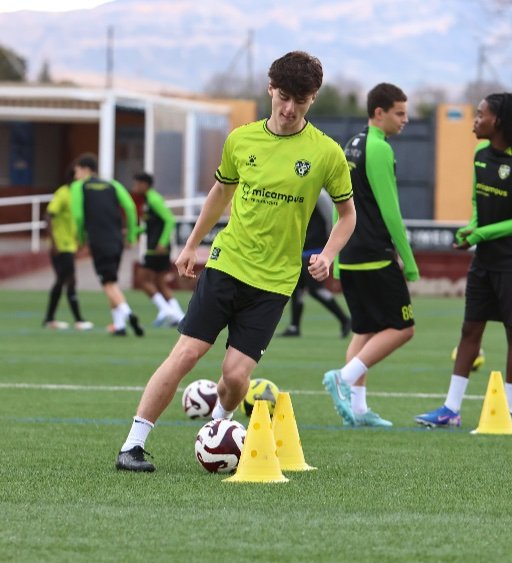
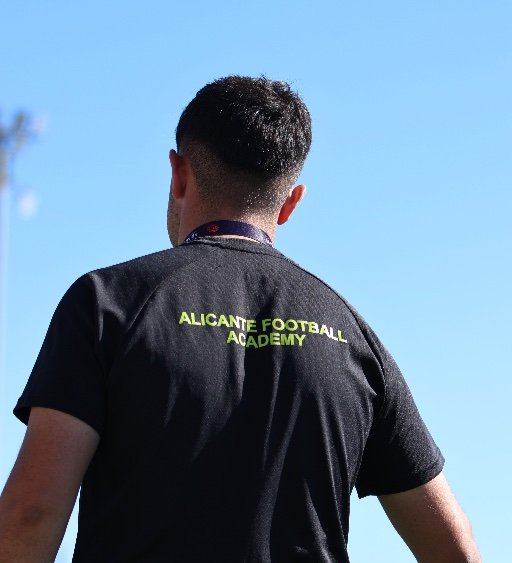
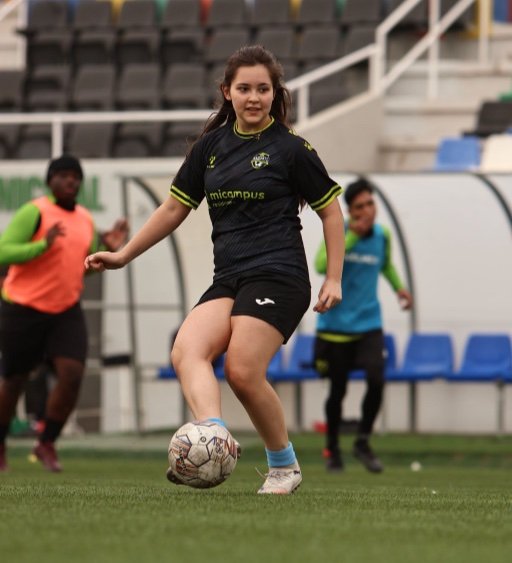
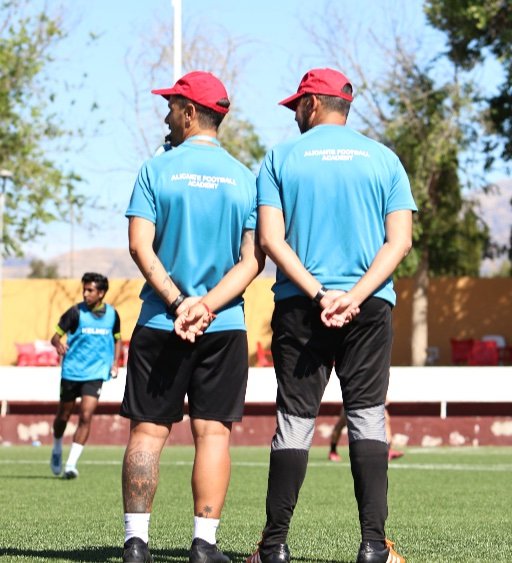
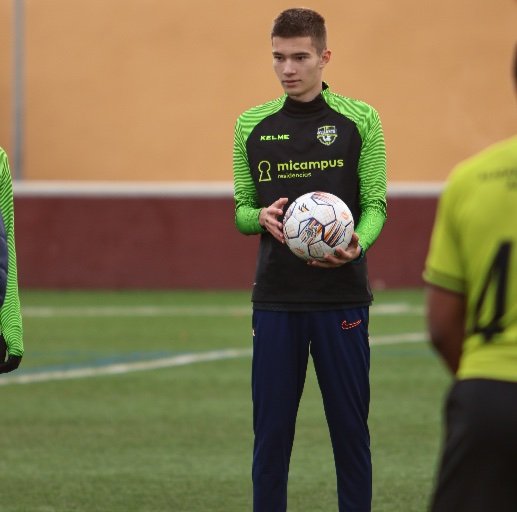
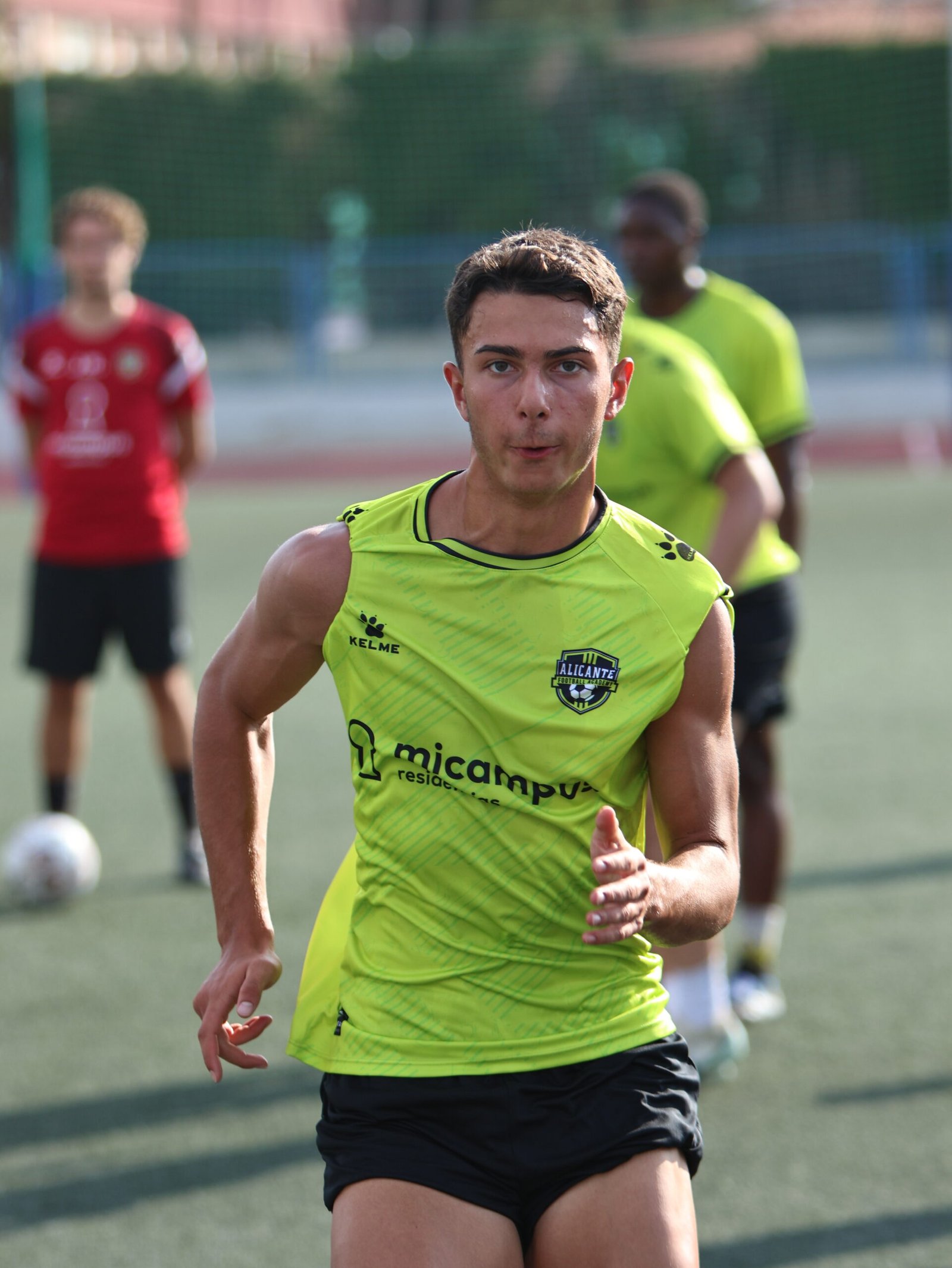
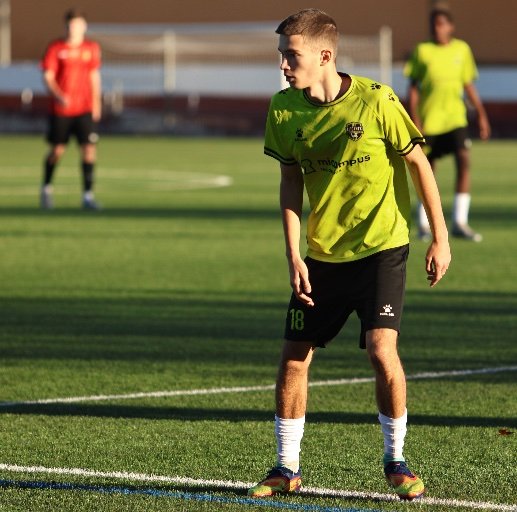
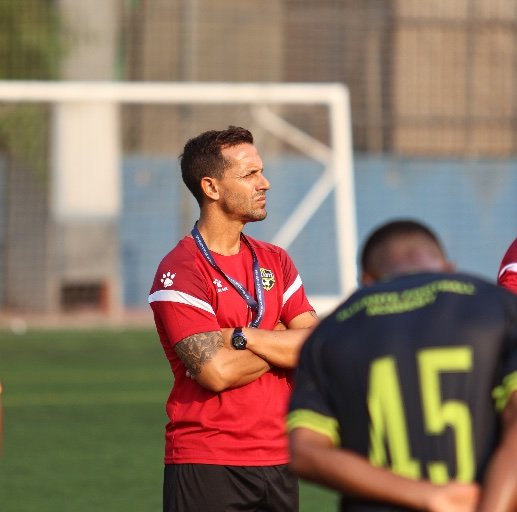
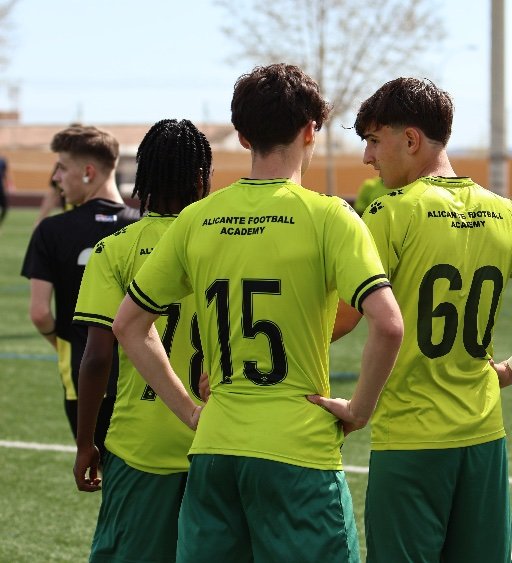
At Alicante Football Academy, we welcome female players aged 16 and up. Our coaches are UEFA Pro-licensed, and we offer a residential academy program in Spain. Our stays focus on structured football development, not just a one-week holiday camp for children.
What Can Girls Expect From Football Camp Training?
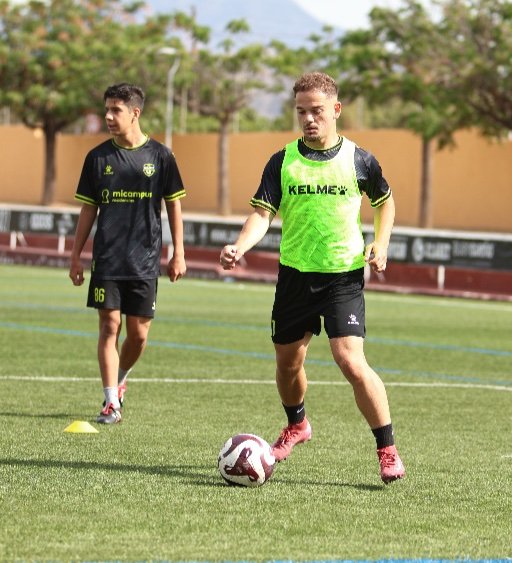
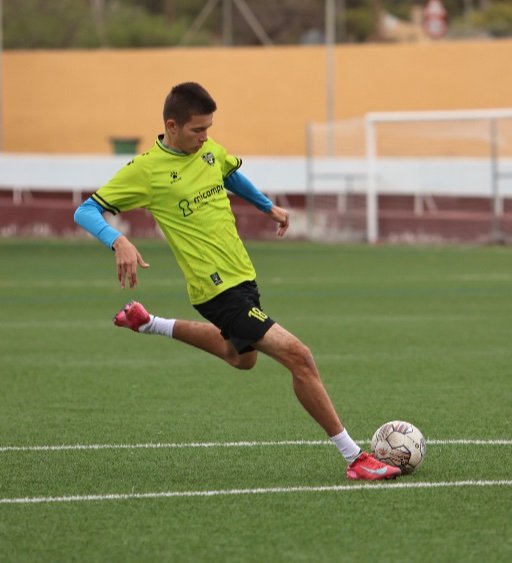
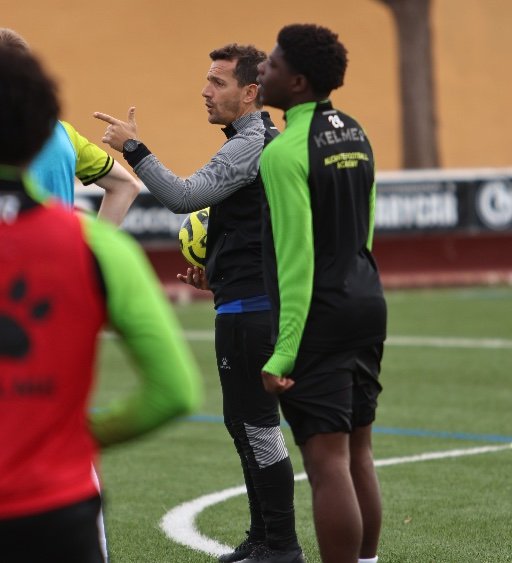
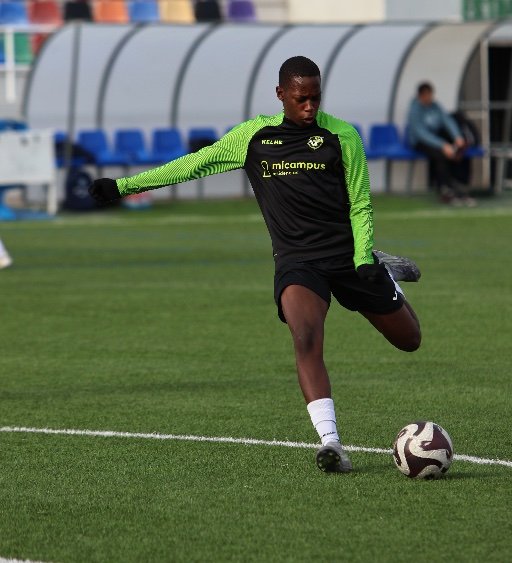
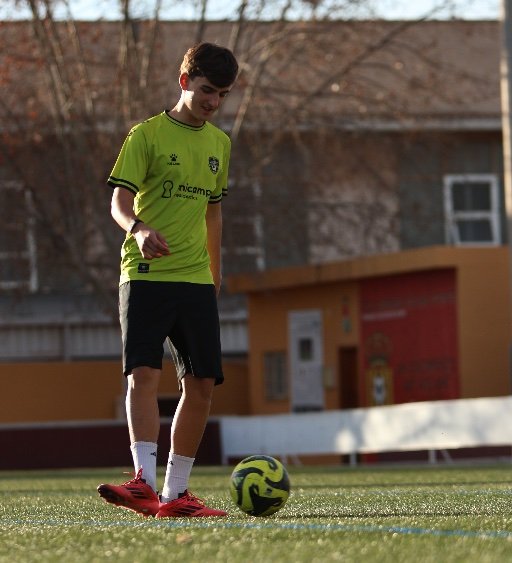
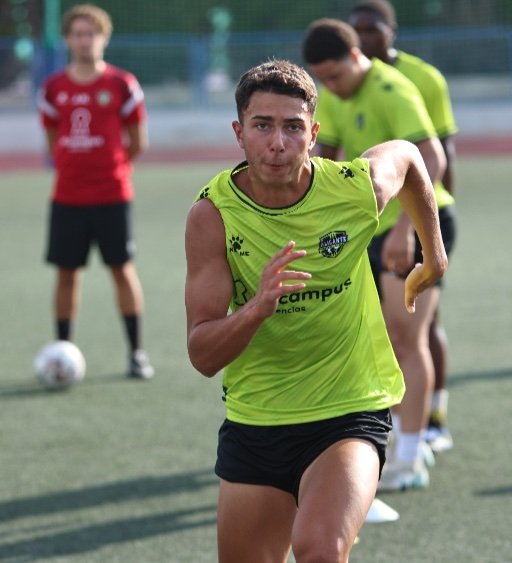
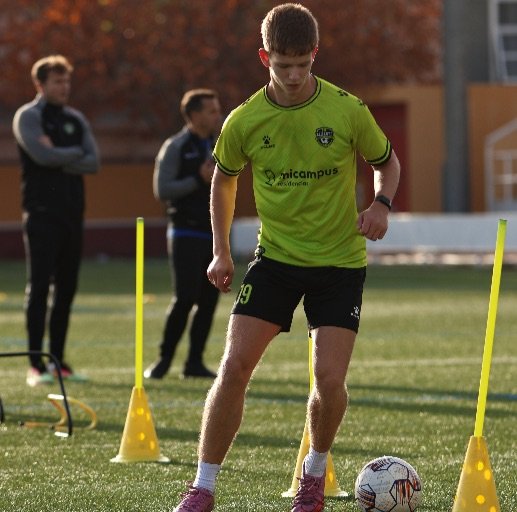
A good program mixes technical drills with chances to use those skills in real games. You should see activities like receiving, passing, dribbling, and finishing, as well as work on tactics, positioning, movement, defending, and making decisions.
Small-sided games help bring these skills together. According to FIFA, changing the number of players, the size of the pitch, or the rules can affect what players focus on during practice.
For example, in a possession game, you need to check your surroundings before receiving the ball and move into space after passing. Positional drills should help you link these choices to your position, whether you play in midfield or as a forward.
Fitness training is often included too, with exercises for football conditioning, speed, agility, and overall physical prep. Some camps also offer competitive matches or friendlies, giving players a chance to use what they’ve learned in training.
In our academy, we run coaching sessions in the morning and arrange evening training with Spanish women’s clubs. The Spanish style focuses on technical skills, movement, possession, and quick decisions, instead of just holding the ball without a clear goal.
Find out how much time is spent on coaching, fitness, and matches. A recreational camp and an advanced program should not have the same amount of training.
It’s also important to see how warm-ups, rest breaks, and recovery are included. A packed schedule isn’t always better. Ask how the staff adjust the timetable for the group, instead of just looking at the number of hours.
READY FOR A MORE STRUCTURED FOOTBALL ENVIRONMENT?
If you are 16 or older and want regular training, matches and the chance to experience football in Spain, you can apply to our academy. We will review your information and explain which programme could suit your age, level and goals.
Apply to Alicante Football Academy
How Can A Girls Football Camp Improve A Player’s Skills?
Focused practice lets you work again and again on skills like first touch, passing, dribbling, finishing, movement, positioning, and decision-making. It also helps you spot your weaknesses, but feedback is what really makes practice helpful. For example, “Improve your passing” is too general. If you focus on your body position, first touch, or passing angle, you have something clear to work on.
Getting regular feedback from your coach helps you see what you’re doing well, what needs work, and what to focus on next. Before you travel, pick two things you want to improve and talk them over with your coach after the camp.
Playing with new teammates pushes you to communicate more, notice different movements, and adapt instead of sticking to what you know. When you face new opponents, you also have to figure out their playing styles, movements, and defensive habits.
Be realistic about what to expect. A short camp gives you good training, feedback, and new experiences, but real progress depends on what you keep working on after the camp.
To check your progress, ask your coach what changed from your first session to your last. Can you receive the ball facing forward more often? Do you know when to pass instead of dribble? Are your movement and positioning better when the ball is somewhere else? Real examples like these mean more than just getting a certificate.
Bring your feedback home with you. A short camp can help you grow and give you new things to try, but it can’t replace steady, long-term training. To really improve your receiving, finishing, positioning, and decision-making, you need to keep practicing with your regular team after the camp.
Is Goalkeeper Training Available At Girls Football Camps?
Some programs offer specialist goalkeeper coaching, but make sure it is available on your chosen dates before you sign up. Just because you are accepted as a goalkeeper does not always mean you will get dedicated goalkeeper sessions.
Check if the training includes handling, positioning, footwork, distribution, shot stopping, crosses, and one-on-one situations. Also, ask how many goalkeepers will share the coach and how much individual feedback you will get.
A good goalkeeper program should include specialist training, team sessions, and match practice. Goalkeepers need time to work on their technique alone, and then chances to use those skills with teammates and in real game situations.
Ask for the number and length of goalkeeper sessions in writing before you sign up. Check if these sessions replace some team training or are extra, and whether goalkeepers also play in matches or friendlies.
What is your main goal for joining a girls football programme in Spain?
Will you be travelling without family and need accommodation, meals and transport arranged?
Solution:
Look for a short residential girls football camp that combines age-appropriate training with accommodation, meals, supervision and transport. Check the actual training hours, staff support and total package cost before booking.
Solution:
A non-residential or daytime football camp could suit you better. Compare the coaching level, training schedule, age groups and feedback offered while arranging your own accommodation, meals and local transport.
Will you be travelling without family and need accommodation, meals and transport arranged?
Solution:
Consider a residential academy programme that combines regular football training with accommodation, meals, transport and a structured weekly routine. If you are 16 or older, Alicante Football Academy is one option to explore for longer-term development in Spain. :contentReference[oaicite:0]{index=0}
Solution:
Focus on a structured academy or training programme where football development is the priority, then compare training frequency, coaching, matches, feedback and opportunities to experience Spanish football without paying for residential services you do not need.
What Is Included In A Residential Football Camp In Spain?
A residential program includes overnight accommodation along with football training. Some packages also cover meals, supervision, transport, activities, and planned recovery time. In contrast, a daytime or non-residential program focuses on football sessions, so players or their families arrange accommodation, meals, and trans,port themselves.
For players who travel without their families, what happens outside training is important. Residential programs are often a good choice for international players because accommodation, meals, transport, and supervision are all arranged together. It is helpful to ask about the schedule between sessions, during free time, and after dinner.
At our residential academy, we provide micampus accommodation with individual rooms, shared social and study spaces, and three meals each day. These features are essential for living abroad, not just added benefits to training.
Keep in mind that “residential” can mean different supervision arrangements at different places. Parents should get clear details about staff responsibilities, overnight support, age-appropriate rules, and activities during free time.
Are Accommodation, Meals And Transfers Included?
What’s included in each program or package can be different, so make sure you know exactly what is covered. Check and compare prices. Pay attention to accommodation, room type, meal plan, daily transport to training, and airport transfers, since these can vary a lot between providers.
Some programs show only a basic fee and then charge extra for other services. Accommodation, meals, airport pickup, local transport, and other parts of your stay can add up and raise the total price.
At Alicante Football Academy, we offer complete packages instead of just charging a training fee. Our package covers the football program, accommodation, three meals a day, airport pickup, local transport, and other services during your stay.
No matter which program you choose, it’s important to look at the total cost of the stay, not just the advertised fee:
Total trip cost = program fee + travel + any services not included + personal spending.
This approach helps you compare programs more fairly. Sometimes, a lower advertised price ends up costing more once you add accommodation, meals, transport, and other necessary services.
What Camp Packages Are Available For Girls?
Residential packages are for players who need a place to stay during the program. These packages often include meals, supervision, transport, and activities. Non-residential packages work well for players who live nearby or are staying with family, but you should check if meals, transport, and activities are included.
A player-only package covers just the participant, not any relatives. Family or companion packages might offer some services for parents or guests, like shared transport, activities, or excursions. However, accommodation and meals for companions are not always part of the package.
Request a detailed list that shows what is included, such as coaching, kit, accommodation, meals, activities, transport, and excursions. What is available can depend on the player’s age, the location, and the camp provider, so do not expect every package to be the same.
Check if activities and excursions are optional, what kind of supervision is offered, and what happens if a player chooses not to join in. Parents should know in advance if skipping an activity will leave a gap in the schedule.
The best package is the one that fits the player’s real needs. More extras are not always better if you will not use them. Focus on what will actually be useful during the stay, instead of just picking the package with the most add-ons.
COMPARE OUR PROGRAMME OPTIONS AND COSTS
Training is only one part of your stay. Before making a decision, check the programme duration, accommodation, meals, transport and other inclusions so you understand the full cost of joining us in Alicante.
View our programme fees
Where Are Girls’ Soccer Camps Located In Spain?
Barcelona, Madrid, and Alicante each offer a unique setting for a football stay in Spain. Barcelona and Madrid suit players who want a big-city experience, while Alicante offers a smaller, coastal feel. Still, the city alone does not show what the daily football program will be like.
Look at the exact addresses for training and accommodation instead of just the city name in the program. Travel time between where you stay and the pitches, how easy it is to get to the airport, local transport, and the type of accommodation all make a difference in how practical and enjoyable your stay will be.
The style of camp can also change depending on the location. Some programs are more like short holidays, while others focus on structured training and player development. Just because a destination is well-known does not mean the football program will be the best fit for you.
If you are looking at Barcelona or Madrid, find out if the accommodation and pitches are in the city center or further out.
Our academy runs training and residential life in Alicante. When you compare destinations, we suggest focusing on training quality, coaching, schedule, player level, and how well the program suits you, rather than just sightseeing or the city’s name.
Pick a location that fits your stay, but make sure the football program supports your development.
When Are Girls Football Camps In Spain Available?
Many short football camps take place during school holidays, especially in summer. Instead of running for just one set period, these programs often offer several sessions. Each week may have different age groups or participation options.
Make sure to check three things: your arrival day, the training dates, and your departure day. There may be no football on travel days, and if you join two sessions, you might need extra accommodation over the weekend.
Popular residential sessions often fill up quickly, so check if there are spaces left before you make any travel plans.
If you are interested in our academy, please contact us with your preferred dates and how long you want to stay. We will explain the arrangements. Make sure you get written confirmation before booking any non-refundable flights or accommodation.

What Age Is Best For A Girls Football Camp?
There isn’t one perfect age for a girls’ football camp. Different camps are made for different ages and experience levels. Younger beginners often enjoy fun daytime sessions, while older, more experienced players might be ready for a challenging residential camp with more training.
Football skills are just one thing to think about. Parents should also look at their child’s maturity, independence, and readiness to be away from home. Can your daughter take care of her gear, keep to a schedule, speak up if something is wrong, and ask an adult she doesn’t know for help?
These things matter even more for residential camps. Players need to be comfortable with daily routines, looking after their own things, and talking to staff if they need help.
Our camps for girls start at age 16. If your daughter is younger, look for a camp that is designed for her age and experience level.
Find out how the camp groups players within the age range. Even kids who are the same age might need different levels of challenge and support.
Before you pick a camp, check both the age requirements and the skill level expected. Just because your child is the right age doesn’t always mean the camp will be the best fit.
Are Girls-Only And Co-Ed Football Camps Available?
Both options are available, but the label alone does not give you all the details. Check who will be at your session and find out if training, accommodation, and activities are organized differently.
Some players may prefer a girls-only group, while others might enjoy a co-ed setting if the group is a good fit.
We aim to give female players the same technical support and opportunities as male players, while also considering each person’s needs.
Ask, “How many girls around my age and level will be there?” You should also find out what happens if there are not enough players for the planned group.
SEE WHAT RESIDENTIAL LIFE IS LIKE IN ALICANTE
If you are travelling to Spain without your family, where you live matters just as much as where you train. See how our accommodation, meals and daily routine are organised for academy players.
Explore our residential football academy
Which Languages Are Spoken At Spanish Football Camps?
Some international programs use both Spanish and English, but not all coaches or staff members speak both languages.
Find out which language is used for coaching, feedback, medical discussions, and updates for parents. Showing an exercise can help, but players still need to talk about any discomfort, confusion, or concerns.
Our academy program includes Spanish language courses. For players interested in football in Spain, learning Spanish supports their development on and off the field.
Before you book, ask for support that matches your daughter’s language skills. She should know who to go to if she does not understand something and feel comfortable asking for help.
What Should Parents Check Before Booking A Girls Football Camp?
Make sure you have all the important details in writing before you book. Look into who is running the program, what exactly is offered, age limits, opportunities for girls, coach qualifications, how intense the training will be, and the total cost.
If the program includes staying overnight, check the accommodation, meal plan, supervision, daily transport, insurance, and medical support. Request a written list that clearly shows what the fee covers and what you might need to pay extra for.
For overnight stays, UEFA’s Child and Youth Protection Toolkit suggests asking about parental consent, medical details, emergency contacts, proper insurance, and a named safeguarding officer. These are helpful topics for families to discuss.
Supervision: Find out who is in charge during training, travel, free time, and at night. Ask what background checks staff have and how players can share concerns privately.
Health: Ask who handles first aid, manages medication, and contacts parents if there’s an emergency. Check how allergies, injuries, and hot weather are managed, and make sure there’s a trusted staff member your child can talk to about personal issues.
Travel and arrival: Double-check where your child will be picked up, who will be responsible, the arrival process, and what happens if a flight is late. EU rules say that minors may need extra travel documents, depending on the country and airline.
Insurance and booking terms: Look into football insurance, cancellation rules, injury policies, refunds, and what happens if the program changes. Remember, the European Health Insurance Card does not cover private care or getting home, as the EU’s healthcare guidance explains.
Finally, get the full list of kit and equipment, including shoes, and check the room arrangements. Make sure your daughter knows who she can talk to about private matters, like period needs, without having to bring them up in front of others. Keep a copy of the contract and emergency contacts.
Check all the latest details with the camp before you book flights or accommodation. Dates, availability, transport, supervision, and what’s included can change, so trust the written information for your specific stay rather than an older brochure or general website.
It’s better to ask these questions before you travel than to find out something was missed after you arrive. A good answer should explain exactly what will happen, not just say that everything is included.
KEEP WORKING ON YOUR GAME BEFORE YOU TRAVEL
A football camp should support the work you are already doing, not replace it. If you want practical ideas for improving your technique and confidence, explore our training advice for female football players.
Read our girls’ football training guide
Are Girls Football Camps In Spain Worth It?
Football camps are worth it when the training and experience fit what the player needs. The value depends on the player’s goals, current skill level, training quality and intensity, program length, and total cost.
A good camp gives focused training, regular feedback, and a chance to experience football in a new setting. It also helps players gain confidence, become more independent, and learn about a new culture while living and training away from home.
Before you decide, ask yourself these questions:
If you need confidence and this is your first camp, look for an age-appropriate group, fun sessions, and a stay that feels manageable.
If you already play regularly and want to improve, focus on camps with detailed coaching, good opponents, position-specific training, high-intensity sessions, and regular feedback.
If you are thinking about playing football in Spain long-term, compare academy programs to short holiday camps. Look at the training schedule, living arrangements, and any education requirements.
At our academy, we work on player development and explore Spanish-club opportunities when a player’s level and the available opportunities align. The club always makes its own selection decisions.
Joining our academy does not mean you are guaranteed a trial or a professional contract with any club. We assess each player and look for opportunities that fit their level and development. This difference matters when you compare programs that promise exposure.
No camp can promise a path to professional football. Still, a good program should offer value even without a contract or club signing. It should help you develop, face the right challenges, build confidence, and gain useful experience in a new football setting.
Before you book, weigh these benefits against the time and money you will spend. The right program should give enough training and a good experience to make your family’s investment worthwhile, even if you do not get a club opportunity.
Pick the program that makes sense for you, and keep working on your skills when you get back home.