
Key Takeaways
- Getting noticed does not mean you have been signed.
- Scouts look at how you play both with and without the ball. They also pay attention to your decisions, attitude, and how you communicate.
- The next step could be another observation, joining a development centre, training with the club, or taking part in a formal trial.
- If you are under 18, make sure to include a parent or guardian and check that every approach is genuine.
- Keep up your regular training while you wait for the club’s decision.
Table of Contents
What Happens When You Get Scouted For Football?
The typical process starts with observation, followed by an internal review, more assessment, contact, and sometimes a trial. It is uncommon to go straight from one good match to getting an academy spot or contract.
The scout collects enough details to identify you. After that, the club might ask for another live viewing, a full-match video, or feedback from your coach. If they are still interested, someone from the club may contact your club, academy, parent, or you directly.
| Stage | What Happens | What It Means |
|---|---|---|
| Initial observation | A scout notices qualities that may suit the club | You are on the radar, not selected |
| Repeat viewing | The club checks consistency | Keep playing your normal game |
| Scouting report | Your strengths, risks and potential are reviewed | Senior staff decide whether to continue |
| First contact | The next step is discussed | Verify the person and involve a parent where needed |
| Development sessions | Coaches assess you over time | You are still being evaluated |
| Formal trial | You train or play in the club environment | A contract is only one possible outcome |
| Club decision | You may return, join, be monitored or be released | Keep developing whatever the answer |
From what we’ve seen, waiting can be the toughest part. Clubs have their own needs, like squad numbers, budgets, and which positions they want to fill. If you don’t hear back right away, it doesn’t always mean a no. It’s best to keep training and playing instead of stopping everything.
What has happened since the football scout noticed you?
What is your main concern right now?
Solution:
Verify the scout’s full name, role, organisation and official contact details before sharing personal documents or making plans. Contact the club independently to confirm the approach, and if you are under 18, involve a parent or guardian immediately.
Solution:
Keep training and playing your normal game while the club reviews the scout’s report. They may watch you again, request a full-match video, speak with your coach or invite you for further assessment, so early interest should not be treated as a guaranteed offer.
What is your main concern right now?
Solution:
Confirm the invitation directly with the club and check the date, location, responsible staff member and trial conditions in writing. If you are a minor, make sure your parent or guardian is involved and knows who is responsible for safeguarding and supervision.
Solution:
Prepare to show your normal strengths rather than trying to impress with every action. Arrive on time, listen carefully, communicate with teammates, work when you do not have the ball and respond positively to mistakes and coaching because the entire session can form part of your assessment.
What Does Getting Scouted Mean In Football?
Getting scouted means a football scout or club representative has seen something promising in you. They are thinking about whether your skills and potential could fit with an academy, development program, or team they need players for.
The scouting process usually has three main steps:
- First, you get noticed. A scout pays attention to you or mentions how you played.
- Next, you might be invited back. The club asks you to return for another tryout or assessment.
- Finally, if the club decides to choose you, you join by registering or signing a contract.
Scouts can watch league matches, tournaments, school games, academy games, or special trials. Because you usually will not know if a scout is watching, it is important to always play and act your best, not just when you think someone is there.
How Do Football Scouts Observe And Evaluate Players?
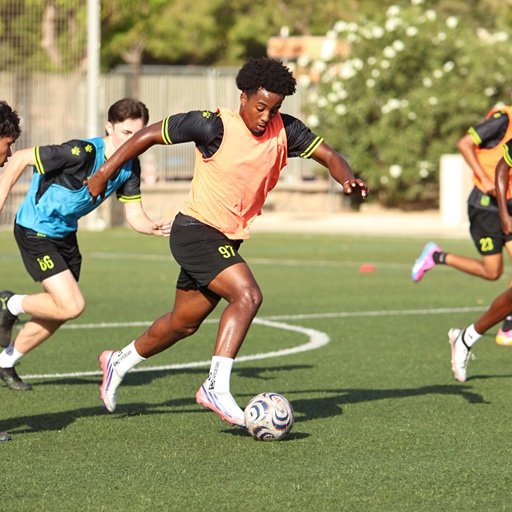
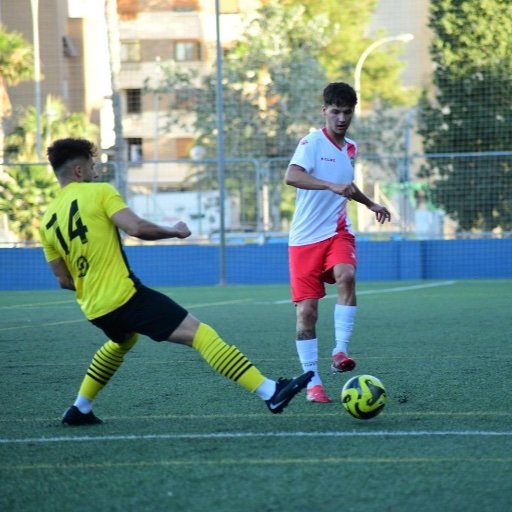
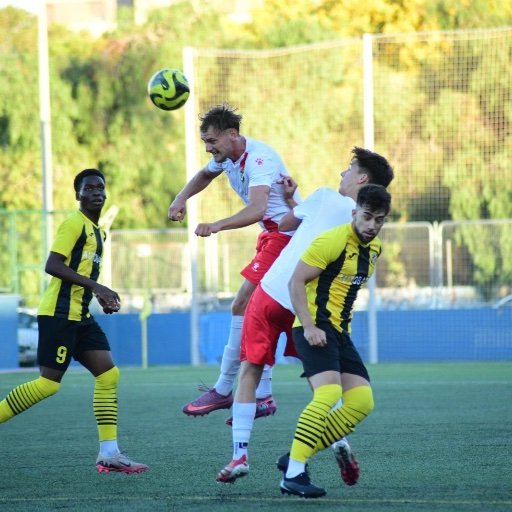
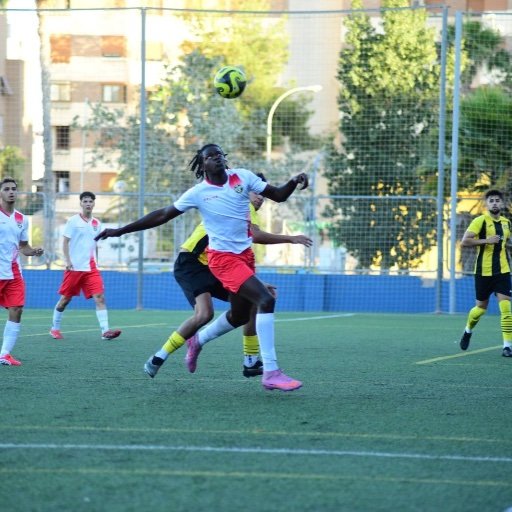
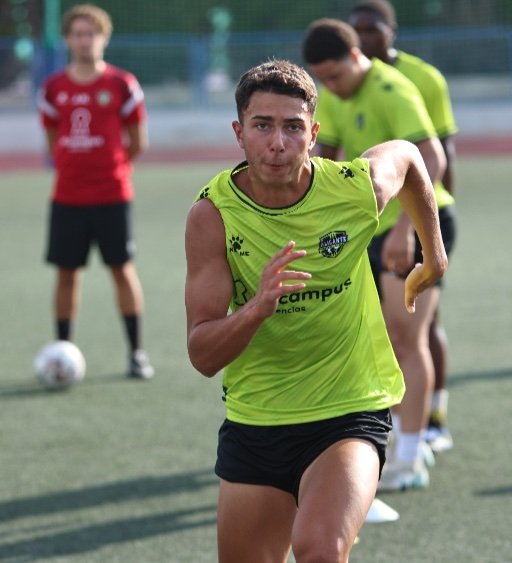
Scouts pay attention to the whole player, not just your best moments. They notice what you do before you get the ball, how quickly you react to pressure, and whether your movement helps the team.
They look at a few main areas:
- Technical skills include your first touch, passing, receiving, finishing, defending, and how well you use both feet.
- Tactical skills cover things like positioning, scanning the field, timing, and making good decisions.
- Physical qualities include your speed, mobility, strength, intensity, and how well you can repeat actions during a game.
- Psychological and social traits are also important, like concentration, resilience, communication, and being open to learning from coaches.
A FIFA Training Centre study with 125 scouts found that scouting is not fully standardized. Each club has its own way of judging players, but a scout’s instincts and overall impression still matter a lot.
A review of 70 studies on PubMed showed that technical, tactical, physical, and psychological strengths change as players grow and depending on their position. This means young players shouldn’t be judged only by their size, speed, or one statistic.
You can see this in training. One player might score a great goal but then stop pressing, react poorly after losing the ball, or not follow instructions. Another player might not stand out in highlights but always creates passing options and improves as the session goes on. Coaches notice both types of players.
READY FOR A REAL FOOTBALL ASSESSMENT?
If you want structured training, honest feedback and opportunities to be evaluated by Spanish clubs, start with an application. We review your playing background before explaining which programme may suit your current level.
Apply to the academy
What Happens During The Observation And Reporting Process?
The scout usually records your name, shirt number, position, age group, team, opponent, and match details. They sort these notes into technical, tactical, physical, and psychological categories, and then add an overall recommendation.
The club looks at the report and checks if it matches their needs. For instance, a skilled winger might not get invited if that age group is full, while a quieter player in an important position could get another chance.
UEFA says that modern scouting involves watching games, finding talent, managing recruitment, using data, and making different reports. The scout gathers the evidence, but senior recruitment staff, academy managers, or coaches usually decide whether to continue the process.
When clubs discuss our players, they ask more than just “Did he score?” Coaches also want to know if the player can keep up with the pace, understands their position, trains regularly, and handles tough training well.
How Do Football Scouts Contact You?
You might get a real opportunity through your coach, academy, parent, football agent, recruitment officer, or even a scout. If someone reaches out to you by phone or social media, it is not always a scam, but they should be able to prove who they are.
Ask for their full name, job title, organisation, official email address, why they are contacting you, and the name of a club representative your family can contact directly.
If the player is under 18, a parent or guardian should be involved right away. Manchester City’s official advice says their scouts carry ID, follow football authority rules, and never ask for payment for a City trial. It also says that not all real scouts wear club clothing.
Do not rely only on the phone number the person gives you. Find the club’s official contact details yourself and check if the scout and invitation are genuine.
What Happens Next After A Football Scout Notices You?
If your report is positive, the club may come to watch you play again, ask for a full match video, speak with your coach, or invite you for an assessment. Some players go straight to a trial, while others spend a few weeks at a development centre.
Sometimes, the process ends without a clear answer. The club might choose someone else, shift its focus, or think you need more time to develop. This does not take away from the qualities that made you stand out in the first place.
COMPARE PROGRAMMES BEFORE YOU COMMIT
A one-month stay and a full-season programme offer very different preparation periods. Review the current fees, programme lengths and what is included before planning your move to Spain.
View programme pricing
Could You Be Invited To A Football Development Centre?
A development centre is where clubs watch and assess talented players before deciding if they should join the academy. Different clubs might use other names or run their centres in their own way.
Coaches observe you over several sessions to see how quickly you learn new skills, how you get along with new teammates, and whether you keep playing at your best. Sometimes, you might spend a few weeks there and then go back to your regular team.
It’s like a longer tryout, but it doesn’t promise a spot. Arrive on time, stay focused, always do your best, and remember to keep up with your usual club duties.
Could You Eventually Be Invited To Join A Club Trial?
If your observation or development period goes well, you could be invited to a formal trial. The invitation will tell you the time and place, how long the trial will last, what equipment to bring, and who to contact.
During the trial, you may join team training, practice skills for your position, play small-sided games, or take part in friendly matches. FIFA’s trial rules say the club and player must agree on the conditions before the trial begins. The club is responsible for your well-being. If you are underage, you will need written permission from your parents, depending on your age and local rules.
After your first session, the club may ask you to come back for more sessions or extend your assessment instead of deciding immediately.
What Should Parents Do When Their Child Gets Scouted?
Parents should stay calm, pay attention to who is approaching them, and help their child avoid feeling too much pressure. Early interest is positive, but it does not guarantee a future career.
Ask who will supervise your child, whether the next step is just observation or a formal trial, what is expected from you, if you need to register, and who to contact for safeguarding.
The Premier League Parent Hub explains that clubs should have staff responsible for safeguarding, clear policies, and trained team members. Families should know who these people are and how to contact them.
From our experience, the best support is often simple. Keep your child’s routine steady, wait to share any signings until they are official, and avoid over-analyzing their performance on the way home.
What Happens At Football Scouting Trials?
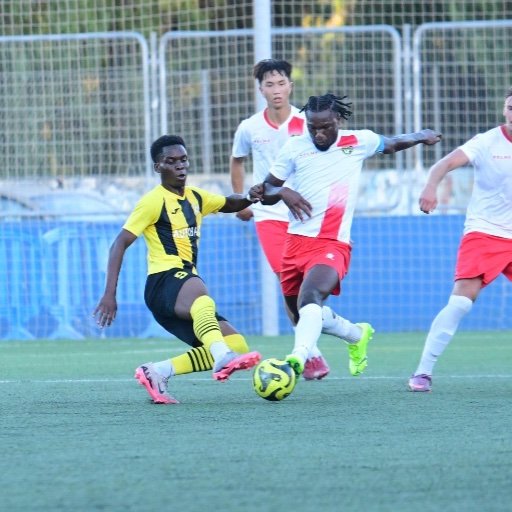
Most trials begin with registration, a briefing, and a warm-up. After that, players take part in technical drills, possession games, small-sided matches, and finally a full game. Groups are usually sorted by age, skill level, or position.
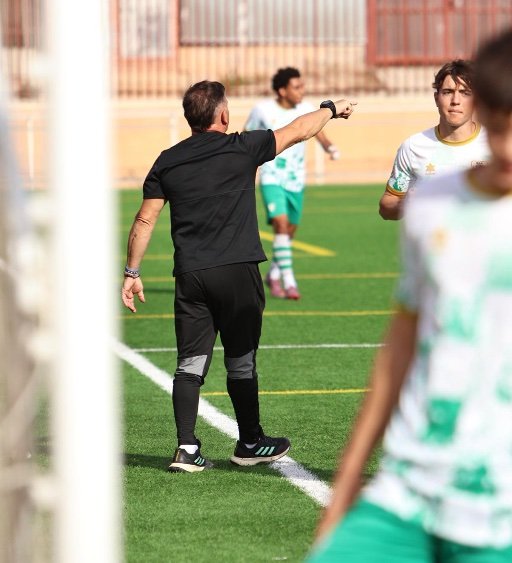
Coaches observe you during the whole event. They notice if you listen, move quickly between activities, communicate respectfully, and keep working even when you do not have the ball.
Here are some of the main things they look for:
- Your first touch and how you make decisions when you are under pressure.
- Your positioning on the field and how well you look for options.
- How much effort you show when the play changes from attack to defense or the other way around.
- How you talk and work with teammates you have just met.
- How you react to mistakes and feedback from coaches.
- Whether you can use your main strengths well during a real game.
At Alicante Football Academy, we help international players prepare with structured morning sessions led by UEFA Pro-licensed coaches. After we evaluate players, the players will train and play with Spanish clubs. This lets clubs see them in action.
You can find more details about this process on our football trials in Spain and Europe page.
A common mistake is trying to impress everyone right away. Sometimes players force difficult plays and forget to do their job for the team. Show your strengths, but also show you can work well with the team.
How Long Does A Football Scouting Trial Usually Last?
Most trial sessions last a few hours, but some club assessments can take several days or even weeks. The length depends on your age, your level of interest, and the club’s schedule.
Under FIFA rules, players 21 or younger can spend up to eight weeks on trial with each club per season. Players over 21 have a maximum of three weeks. These are only the maximum limits, and your official invitation or local rules may set different conditions.
Some players receive an answer quickly, but others might be invited back for another position, match, or training session. To know your exact schedule, check your written invitation.
Can Different Types Of Players Attend The Same Football Trials?
Organizers should make sure that conditions fit players’ ages, positions, and stages of development. For example, a 15-year-old centre-back should not be expected to meet the same physical standards as a senior winger.
When you sign up, use your actual date of birth and your main position. If you regularly play a second position, you can include that too, but please be honest about your experience and do not try to join a different group by exaggerating.
A holding midfielder might stand out because of scanning and control, while a winger is often judged more on one-on-one skills and recovery runs. Because players mature physically at different rates in youth football, evaluations should focus on more than just who is currently the biggest or fastest.
SEE HOW FOOTBALL TRIALS WORK IN SPAIN
Scouting interest is only one route into a club. Learn how we prepare players for football trials in Spain and Europe, what the sessions can involve and why the club always makes the final selection.
Explore football trials
Can Goalkeepers Attend The Same Trials As Outfield Players?
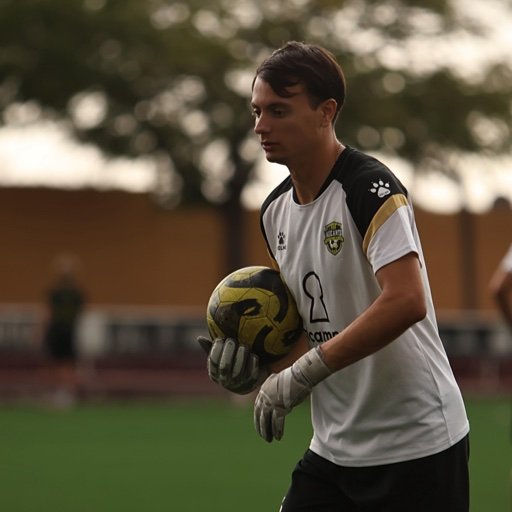
Goalkeepers can take part in the same event, but they usually have some special training before joining the match exercises. Coaches focus on handling, positioning, distribution, communication, and how keepers deal with crosses, through balls, and one-on-one situations.
In our sessions, a goalkeeper does not have to make lots of great saves to show their skills. Good starting positions, calm distribution, and clear organisation often show more about whether the keeper fits the team.
Ask if a goalkeeper coach will be there and check if you need to bring gloves, training bottoms, or any other special gear.
How Can You Stay Safe When Contacted By A Football Scout?
If you are a young player, do not go alone to a meeting, trial, or trip if it is new to you. Let your parent, guardian, club, or a trusted academy know where you are going and who will be looking after you.
Before sharing copies of your passport, medical records, or other important documents, find out why they are needed. Ask for written details, the approved location, the name of the adult in charge, emergency plans, and make sure you have enough time to read everything before signing.
Clubs advise families to check the identity of scouts and avoid private meetings with people you do not know. Parents should always be included in all communication.
What Are The Warning Signs Of A Fake Football Scout?
Be careful if someone promises you a guaranteed professional contract, asks for money right away, stops you from checking with the club, or wants to meet a minor alone. You should also watch out for inconsistent names, secrecy, or requests for documents you do not need.
You should understand the difference between a club trial and a paid private program. A real academy may charge for coaching, accommodation, meals, or transport, but no one should ever say that paying will guarantee you a place with the club.
FIFA rules do not allow you to pay just for the trial itself. However, the club and player can decide who will pay for travel, accommodation, and meals.
A real scout will not mind if you take your time, include your family, and check their credentials.
CHECK HOW A GENUINE SCOUT MAY CONTACT YOU
A real approach should be clear, verifiable and appropriate for your age. Read our separate guide to the most common contact routes and the details you should confirm before replying.
Read the contact guide