

Key Takeaways
- Begin with local football. A good grassroots team will give your son training, match experience, and a clear sense of his current ability.
- Focus on all-round development. Academies look at skills, decision-making, athletic ability, attitude, and how consistent a player is.
- See trials as opportunities to be assessed, not as guarantees. Check who is running the trial and be careful of anyone promising a contract.
- Make sure your child is safe. Look into the club’s safeguarding policies, staff qualifications, medical support, education, and how they communicate with families.
- Pick the next step that fits your child best. Sometimes, a smaller club offers a better place to grow than a big-name academy.
Table of Contents
How Do I Get My Son Into A Football Academy?
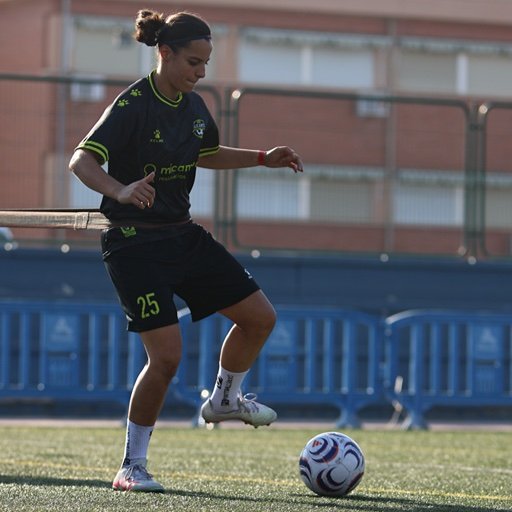
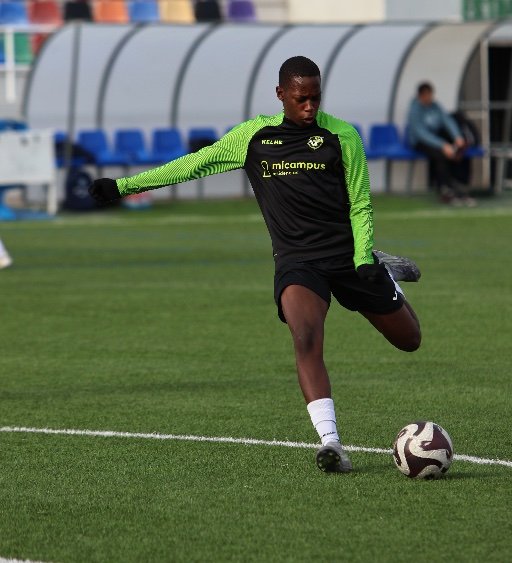
Begin by choosing an environment that matches your son’s current skills. Many players start with grassroots football, training regularly and playing in matches. Scouts may notice them or they might be recommended for a development centre or assessment. If all goes well, they could be invited to a trial and, if successful, join an academy.
Professional clubs often discover young players through organized development and scouting systems, rather than by accepting every direct application. Scouts watch grassroots games, local clubs, and development programs. Coaches and trusted contacts can also recommend players for further assessment.
When we speak with parents, we begin by asking a few simple questions: How old is your son? Where does he play now? How often does he train and compete? What position does he play? What feedback does his coach give about areas to improve? These answers help us understand his current level much better than just knowing which clubs he hopes to join.
Natural talent matters, but academies look for more than just one skill or a standout performance. Coaches notice technical skills, decision-making, consistency, attitude, athletic potential, tactical understanding, and a player’s potential to develop further.
As a parent, try to give your son opportunities to grow rather than putting pressure on him. Encourage him to train regularly, find good coaches, play at the right level, and build strong habits. You don’t need to treat every match as a scouting event or every trial as a crucial moment.
Is your son currently 16 or older?
Is he already playing regular competitive football?
Solution:
Keep him in a good grassroots or local club where he is playing consistently, developing his technical and tactical skills, and receiving honest coaching feedback. At this stage, focus on steady progress and suitable scouting or development opportunities rather than rushing into a full-time residential academy.
Solution:
Start by finding a suitable grassroots or local team where he can train regularly and play organised matches. Competitive football gives coaches a much clearer picture of his ability, decision-making, attitude and consistency than individual training alone.
Is he already playing regular competitive football?
Solution:
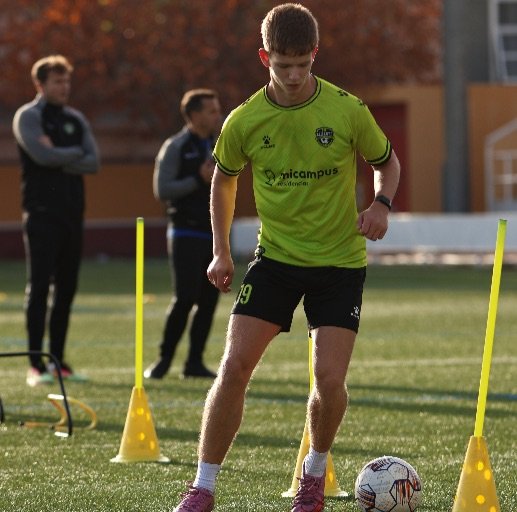
He may be ready to explore a more intensive academy environment. Prepare an accurate football profile and recent match footage, then consider applying to Alicante Football Academy, where players aged 16 and over train regularly and can receive opportunities to be evaluated by Spanish clubs when their level is suitable. :contentReference[oaicite:0]{index=0}
Solution:
Build regular match experience before focusing heavily on trials or professional-club exposure. Join a competitive team, develop consistent training habits and use coach feedback to identify weaknesses. Once he is performing regularly in organised football, you can consider an intensive academy programme or suitable club assessments.
How Do Kids Get Into Football Academies?
Young players can be noticed through grassroots scouting, coach recommendations, development centres, official talent-identification events, or invitation-only club assessments. The recruitment process is different depending on the country and organisation.
A professional club academy signs up chosen players for its youth teams. Independent academies help players improve and sometimes find them chances with other clubs. Private coaching gives extra training but does not guarantee a link to a professional club.
| Route | What It Offers | Best Starting Point For | What Parents Should Verify |
|---|---|---|---|
| Grassroots club | Weekly coaching and competitive matches | Most young players | Qualified staff, playing time and welfare standards |
| Development centre | Additional training and possible progression | Players performing well locally | Official club connection and selection process |
| Club assessment | Direct evaluation by club staff | Invited or recommended players | Invitation source, venue and club contact |
| Private coaching | Extra technical work | A player with a clear weakness | Coach qualifications, workload and purpose |
| Independent academy | Structured development and outside trials | Older, committed players | Exact services, costs and whether trials depend on level |
When your son plays regular organised football, coaches can judge him in the right context. They notice how he moves without the ball, how he reacts under pressure, and how consistent he is, not just a single highlight.
How Important Is Grassroots And Competitive Football For Academy Recruitment?
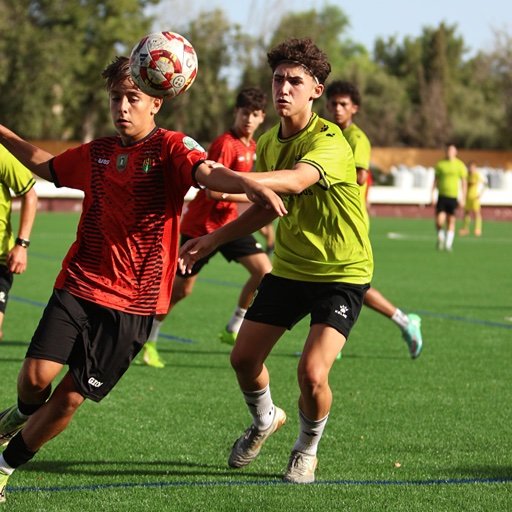
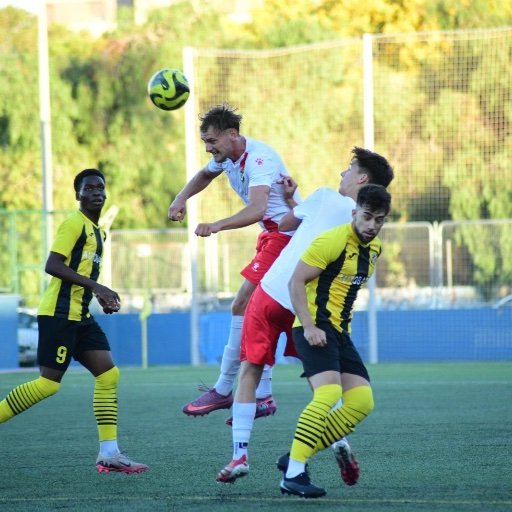
Getting your child onto a good local team is usually the best way to start if he wants to join an academy. Playing regular weekend games in local leagues helps coaches and scouts see how he deals with real matches, from handling opponents and teammates to responding to referees, changing scores, and following tactical instructions.
Scouts rarely pay attention to players who are not on a team, because organised matches show a player’s skills, behaviour, and consistency much better than drills or single trials. Playing in regular competitions proves if a player can perform well often, make smart choices under pressure, and work well with others.
In our experience, players who play regularly usually adapt faster to harder training sessions. They spot things earlier, understand changes in the game, and know when to take risks. Even a talented player who only trains alone can struggle with positioning, speed, and working with a team.
Avoid moving your son to a new club every few months just because it looks better. Instead, see whether he is improving and playing at a level that challenges him but still fits him. Steady progress matters more than always seeking more attention.
READY FOR A MORE SERIOUS FOOTBALL ENVIRONMENT?
If your son is 16 or older and already playing competitively, send us his age, position, football background and footage. We’ll review his situation and explain whether Alicante Football Academy is the right next step.
Apply to join
How Can Extra Coaching Improve Your Child’s Technical Development?
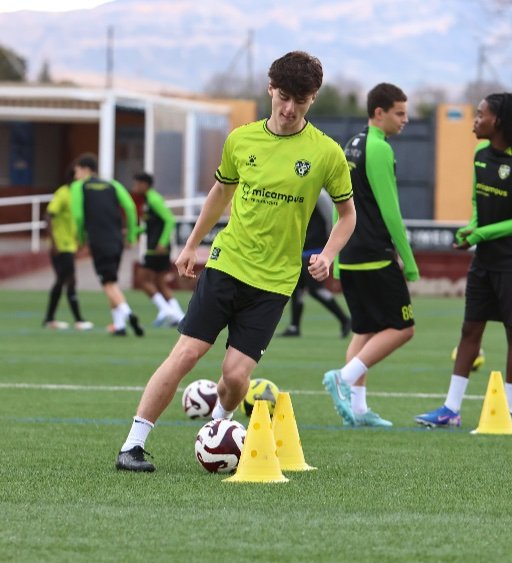
Extra coaching works best when it focuses on a specific area. Small-group or one-on-one sessions can help a player improve things like first touch, passing with their weaker foot, turning, finishing, or movement for their position.
Extra coaching should help with team football, not replace it or interfere. These sessions should fit around regular club training and matches, and should not cause too much physical or mental stress. More training is not always better if the player is tired, losing motivation, or not recovering well.
Parents may find well-known private programs like Pro Football Academy or We Make Footballers. These can provide extra coaching, but they should only be seen as a way to support development.
Paying for private sessions does not mean a professional club will pick your son as a player or that he will be coached by a qualified coach who has experience with players your son’s age. A good coach will explain why each session matters, adjust training to fit your child’s needs, and focus on long-term progress and well-being. When possible, extra coaching should also match what your child is already doing with his team coach.
Why Is Physical Development Important For Aspiring Academy Players?
Physical development is important for preparing young players for more advanced football, but training should match their age and growth stage. The goal is not only to build strength or size. Young players should focus on coordination, mobility, acceleration, agility, endurance, and moving efficiently. These skills help reduce the risk of injury over time.
Growth spurts can temporarily affect how a player moves. If a child grows taller quickly, he might seem less balanced, slower in short sprints, or less coordinated until his body gets used to the changes. This does not mean he is becoming a worse player. Training may just need to be adjusted until his movement fits his new size.
At our academy, we link physical training closely with football skills. We look at whether a player can accelerate, change direction, repeat sprints, and keep good technique even when tired. For younger players, movement quality, mobility, coordination, and proper technique are more important than heavy strength training.
Parents should not try to manage physical development alone if expert help is needed. A qualified youth coach or physical development specialist can adjust training to match the player’s age, growth, and workload. If a child has ongoing pain, trouble moving, or is going through a big growth phase, it is better to get professional advice instead of simply adding more training.
COMPARE OUR FOOTBALL ACADEMY PROGRAMMES
Different players need different amounts of time to develop. Compare our short and long-term programmes, what is included and the costs before deciding which option suits your son.
View programmes and pricing
How Much Do Mindset, Attitude And Character Influence Academy Selection?
Scouts look for more than just technical skills. They also look for coachability, resilience, focus, discipline, humility, and a willingness to learn.
A player’s reaction to mistakes reveals a lot. Does he complain, blame others, or lose focus, or does he recover quickly and stay involved? Scouts also pay attention to what players do before and after matches, such as how they prepare, listen to coaches, respect teammates, and handle winning or losing.
Positive character should be genuine, not just for scouts. Encourage your son to work hard, accept feedback, stay disciplined, and handle setbacks well in every training session and match.
How Can Your Child Show Coachability And Mental Strength?
He should listen closely, ask questions if something is unclear, and try to use the feedback he gets. Coaches do not expect players to be perfect right away. They want to see that the player understands and is willing to make changes.
Mental strength often shows up in everyday situations:
- Bouncing back quickly after losing the ball
- Keeping up communication with teammates during a tough match
- Accepting a substitution with respect
- Continuing to give your best even when the team is losing
- Coming back to training with a mindset to get better
At Alicante Football Academy, our coaches look for progress over time. A player who works on improving one thing over several days usually stands out more than someone who does something impressive once but does not focus on the rest of the game.
When Should A Child Start Preparing For A Football Academy?
A child can start learning football skills as soon as he enjoys playing. Beginning early gives him more time to develop coordination, confidence, and a natural feel for the ball. Early training should be fun, varied, and suitable for the child’s age. Younger kids benefit from lots of touches, movement, small games, and chances to learn by doing.
Starting later does not mean a child has missed out. Kids grow and learn at their own pace, so the best next step depends on their age, experience, and current skills.
For children under 12, the main goal should be to have fun, build coordination, and find the right team. Between ages 12 and 15, it’s helpful to add some tactical learning and more focused training. From age 16, players who are serious about football can consider intensive training, trials, or joining a residential program.
Our full-time program in Spain is open to players aged 16 and up. We train in the mornings and, when a player is ready, we help set up opportunities with Spanish clubs. Joining a club depends on the player’s performance and the club’s decision.

How Can Your Child Attend Academy Trials And Be Seen By Scouts?
There are three main types of trials: an invited club assessment, an official open trial, and a commercial trial event. Each is different and shouldn’t be treated the same.
Invited assessments usually happen when a player is scouted, recommended, or their application is reviewed. Clubs announce official open trials. Commercial events may offer coaching or exposure, but parents should find out which clubs are involved and what the fee includes.
At trials, we encourage players to play the way they normally do. Trying too hard to impress with fancy dribbles or shots can actually make it harder for coaches to see what they want. Coaches often care more about things like positioning, decision-making, communication, and recovery runs than a single standout moment.
Paying for a trial does not guarantee that you will be selected, offered a contract, or noticed by a particular scout.
How Can You Find Legitimate Open Trials and Talent Days?
To find trials, check official club websites, your regional or county football association, and reliable academy channels. Many professional clubs do not offer open trials. Instead, they often discover players through local teams, schools, scouts, or established development programs.
Regional talent identification events and development centre assessments are another way to get noticed. Players may be invited by their club, school, or through a recommendation. Coaches then watch them over one or more sessions before deciding what happens next.
Be careful with ads that promise professional contracts, guaranteed scouting, or automatic academy places. No genuine program can guarantee how a club or scout will judge a player.
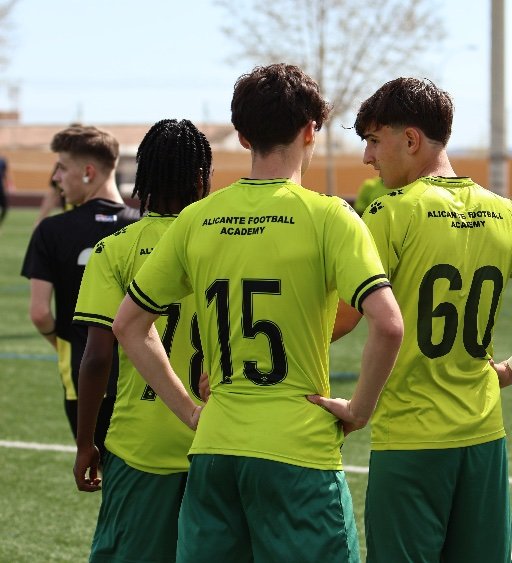
If you are 16 or older, Alicante Football Academy is a good place to start in Spain. We support players with daily training and, when they are ready, arrange opportunities to train or trial with Spanish clubs. We can help you get noticed, but the club always decides in the end.
How Can You Build A Football Profile For Academy Applications?
Keep the football profile short, clear, and accurate. Include the player’s name, age, nationality, position, preferred foot, current club, previous teams, and competition level. Add a parent or guardian’s contact. Update the profile if the club, level, or important footage changes.
Use video only when it truly helps. Highlight videos often show just goals and leave out key things like movement, defending, or decision-making. Choose match clips that clearly show the player and their full actions. A profile can support an application, but it cannot replace watching the player in a real game.
Always protect a minor’s privacy when sharing information or videos. Do not share home addresses, school schedules, passport details, personal phone numbers, or live locations in public. Only send personal documents and videos securely to trusted clubs, academies, or approved representatives.
SEE HOW FOOTBALL TRIALS IN SPAIN WORK
Club trials should be treated as real assessments, not guaranteed contracts. Learn how we prepare players and create opportunities for them to train and be evaluated by Spanish clubs.
Explore football trials in Spain
How Should You Prepare Before Contacting An Academy?
Check the academy’s age groups, recruitment policy, location requirements, and how they want to receive applications before you get in touch. This helps you avoid sending your application to the wrong group or using a method they do not accept.
Write a short introduction and include an up-to-date football CV. If the academy asks for recent match footage, add that too. Make sure to include a parent or guardian’s contact details, and check that all your information is honest and current.
Before sending your application, check the spelling, contact details, and all links. Make sure what you say matches the footage, and confirm that the videos play without problems.
If an academy says it only accepts requested applications, follow their rules and do not contact them repeatedly. It is better to send one professional, well-prepared application than to send many generic messages.
What Happens During Academy Registration And Induction?
Passing a trial does not mean a player is immediately registered with the club. The club may need to do more assessments, get approval from within the club, and complete the registration process first.
If the club decides to continue, the player and their parents usually join an induction process. This often includes meetings about training, education, player welfare, travel, match schedules, and family responsibilities.
Always read every agreement carefully before signing. If something is unclear, ask questions. Check the registration period, training schedule, how it affects school, medical support, travel needs, and what happens if the player leaves the club.
It is important to understand the difference between being officially registered with a professional club and joining a private program that calls itself an “academy.” When a player joins Alicante Football Academy, they receive structured training and opportunities to connect with Spanish clubs. A player is only officially registered with a Spanish club if that club accepts them and the registration process is complete.
Which Documents Are Needed For Academy Registration?
Each club may have different requirements, but most families will need to provide the following:
- Proof of the player’s age
- Proof of home address
- Parent or guardian identification
- Emergency contact and medical information
- Consent forms
- School details
- Previous club or registration information
Make sure all your documents are accurate and current, and send them using the club’s official process. If the club asks for more medical, school, consent, or previous registration details, double-check that you have included everything before submitting.
What Duty Of Care Do Football Academies Have?
An academy should provide a safe, respectful, and age-appropriate environment. This includes hiring qualified staff, having clear safeguarding policies, following proper medical procedures, using safe hiring practices, offering clear ways to report concerns, and making sure training matches each player’s age and skill level.
Caring for players means supporting their education, physical health, and mental wellbeing. Training should help them develop without causing too much physical or mental stress.
Children need to know which trusted adult they can talk to if something feels wrong. Parents should also feel comfortable speaking up if they notice anything about coaching, communication, transport, or training that seems unsafe or inappropriate.
PREPARE YOUR SON BEFORE CONTACTING AN ACADEMY
A clear application makes it easier for coaches to understand a player’s level. See what information, football experience and footage you should prepare before approaching an academy.
Read our academy application guide
How Can Parents Check An Academy’s Safeguarding Standards?
Ask for the organisation’s safeguarding policy, the welfare contact, and the process for reporting concerns. Make sure to check the coaches’ qualifications, background check requirements, and how players are supervised during training, matches, and other activities.
It’s also important to find out how the academy deals with the following:
- Injuries and emergencies
- Photography and filming
- Changing facilities
- Transport and overnight stays
- Direct communication with minors
- Complaints and confidential concerns
A nice-looking website is not enough. A trustworthy academy will clearly explain these procedures and introduce you to the people responsible for player welfare before you sign up.