

Key Takeaways
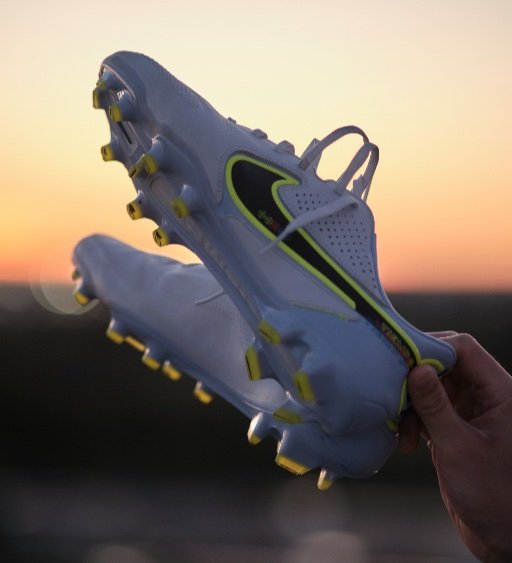
- For the best speed overall, try the Nike Mercurial Superfly 10 Elite FG.
- If you prefer a low-cut boot for speed, the Nike Mercurial Vapor 16 Elite FG is a great choice.
- For traditional comfort, go with the adidas Copa Icon 2.
- If you want more structured control, consider the adidas Predator Elite.
- For a lightweight boot made from genuine leather, try the Mizuno Morelia Neo IV.
- The most important rule is to pick the right fit and soleplate before focusing on the brand.
Table of Contents
Best Football Boots
Here’s our current ranking of the best football boots. We looked at what really matters on the pitch: fit, comfort, touch, traction, responsiveness, durability, and value.
The Mercurial Superfly 10 Elite is our top choice because it feels close to the foot and is built for speed. For control, we recommend the Predator Elite. If you want comfort and good value, the Copa Icon 2 is a strong option thanks to its leather upper. The Phantom 6 is a solid all-rounder, offering a good mix of touch, structure, and responsiveness.
However, the highest-ranked boot may not be the best fit for everyone. Your position, foot shape, and the surface you play on all matter. For instance, if you have wide feet and play midfield on artificial grass, you might like a Future, Tekela, or Copa with an AG or MG soleplate more than a narrow FG Mercurial.
Boot models update quickly, so some on this list may already have newer versions. Still, a discounted Elite boot from an older generation can be a smart choice if the fit, condition, and soleplate suit your needs.
What Are The Top Football Boots For 2026?
This ranking looks at everything together. The price ranges show regular retail prices, not special sale prices.
| Rank | Football boot | Ideal player | Standout feature | Fit profile | Surface type | Price category | Best for |
|---|---|---|---|---|---|---|---|
| 1 | Nike Mercurial Superfly 10 Elite FG | Explosive runner | Responsive speed platform | Snug; narrow-standard | FG | Top premium | High-cut speed |
| 2 | adidas Copa Icon 2 | Comfort-first player | Cow-leather forefoot | Standard; accommodating | FG | Upper-mid | Comfort and value |
| 3 | Nike Mercurial Vapor 16 Elite FG | Low-cut runner | Thin, close upper | Snug; narrow-standard | FG | Top premium | Low-cut speed |
| 4 | adidas Predator Elite | Passer or shooter | Structured grip zones | Standard; structured | By version | Premium | Control |
| 5 | PUMA Ultra 6 Ultimate | Direct runner | Lightweight mesh response | Regular-narrow | FG or AG | Premium | Speed value |
| 6 | Nike Phantom 6 High Elite FG | Creative attacker | Gripknit upper and collar | Standard | FG | Top premium | High-cut control |
| 7 | adidas F50 Messi Elite | Agile attacker or full-back | Soft HybridTouch upper | Snug standard | FG | Premium | Fast dribbling |
| 8 | New Balance Tekela v5 | Playmaker | Sensitive microfiber upper | Standard; check sizing | FG, MG or SG | Premium-value | Midfield |
| 9 | Nike Tiempo Legend 10 Elite | All-round player | Engineered soft touch | Standard; adaptive | FG or AG | Premium | Versatility |
| 10 | adidas Copa Pure IV Elite | Modern Copa player | Fusionskin transition | Standard | FG, AG or SG | Premium | Soft control |
| 11 | PUMA Future Ultimate | Player needing adaptable lockdown | Adaptive FUZIONFIT360 | Adaptive; standard | FG, AG or MG | Premium-value | Adjustable fit |
| 12 | Nike Phantom 6 Low Elite | Low-cut creator | Gripknit control | Standard | FG or AG | Top premium | Precision |
| 13 | Mizuno Morelia Neo IV | Leather purist | Genuine K-leather | Standard; moulding | FG or AG | Top premium | Light leather |
| 14 | Under Armour Magnetico Elite 5 | Alternative all-rounder | Adaptive UA Clone upper | Standard; foot-hugging | FG | Premium | Adaptive touch |
TRAIN IN A STRUCTURED FOOTBALL ENVIRONMENT
The right boots matter most when you use them in technical sessions, match situations and regular coach feedback. Apply to Alicante Football Academy and we will review your details and explain the next steps.
Apply to join the academy
How Do The Ranked Models Compare?
The best way to compare these boots is by how they feel, whether you want speed, control, an adaptable fit, or a soft touch. These categories can help you narrow down your choices, but always make sure the fit and soleplate work for you first.
If you want speed, the Nike Mercurial Superfly 10 Elite FG is our top pick. It has a tight, responsive fit that works best for fast attackers with narrow or standard feet, but it might feel tight for wider feet. The Mercurial Vapor 16 Elite FG gives you similar performance in a low-cut style, which is good if you don’t like the Superfly collar. The PUMA Ultra 6 Ultimate is light and quick, fitting regular to narrow feet, but it doesn’t feel as secure as the Mercurials. The adidas F50 Messi Elite has a softer upper and is great for agile dribblers who want speed with more comfort, though it isn’t quite as sharp as the Mercurial. We recommend the Superfly for high-cut speed, the Vapor for low-cut speed, the F50 Messi for a softer feel, or the Ultra 6 as a solid alternative.
If control is your priority, the adidas Predator Elite has a structured fit and strong grip, making it great for passing, shooting, and set pieces. If you prefer a thinner, more natural touch, it might feel too firm. The Nike Phantom 6 High Elite FG has a softer Gripknit upper
and a standard fit, which suits creative players. The Phantom 6 Low Elite is similar but without the collar. The New Balance Tekela v5 feels more sensitive and less structured, which is good for playmakers with standard feet, but be careful with sizing if you switch brands. We suggest the Predator for grip, the Phantom for balanced control, or the Tekela for a softer playmaker feel.
If comfort and a flexible fit matter most, the adidas Copa Icon 2 has a roomy shape and a soft cow-leather front, making it great for players who want comfort, though it’s heavier than speed boots. The Nike Tiempo Legend 10 Elite uses a soft synthetic upper and a standard fit, so it’s a safe all-round choice, but it doesn’t have the real leather feel of older Tiempos. The adidas Copa Pure IV Elite gives you soft, modern control with a standard fit. The PUMA Future Ultimate offers a secure but forgiving fit, though it feels a bit thicker. We recommend the Copa Icon 2 for comfort and value, the Tiempo for versatility, the Copa Pure IV for a modern soft feel, or the Future Ultimate for a flexible, secure fit.
If you want leather boots or something less common, the Mizuno Morelia Neo IV uses real K-leather and has a lightweight, flexible fit. It’s perfect for leather fans, but it costs more and needs extra care. The Under Armour Magnetico Elite 5 gives you a snug, adaptive fit for all-round play, but it’s harder to find than Nike, adidas, or PUMA boots. We recommend the Morelia Neo IV for top-quality leather or the Magnetico Elite 5 for a flexible alternative.
The real differences between similar boots are usually about fit and feel, not your playing position. It’s better to pick a boot that fits you well, even if it’s not the top-ranked one, than to choose the best-rated boot in the wrong shape or with the wrong soleplate.
Which Speed Boots Perform Best?
The Nike Mercurial Superfly 10 Elite FG, Nike Mercurial Vapor 16 Elite FG, PUMA Ultra 6 Ultimate, and adidas F50 Messi Elite are all lightweight speed boots. However, each one has its own unique feel when you put them on.
Superfly 10 and Vapor 16 are a lot alike. Both have a thin upper, strong lockdown, and responsive traction. Nike’s Vapor 16 uses Gripknit and has a three-quarter-length Air Zoom unit. The main difference is the collar: Superfly has a high collar, while Vapor is low-cut. The collar makes the Superfly feel more enclosed around the ankle, but it does not actually add ankle support. So, choosing between them is really about comfort and what feels best to you.
The PUMA Ultra 6 Ultimate also feels light and minimal, with an engineered mesh upper and a responsive soleplate. Its lockdown is secure, but not as tight as the Mercurial. PUMA says the fit is regular to narrow, so if you have wide feet, it’s best to try them on before buying.
The adidas F50 Messi Elite is the softest option here. Its HybridTouch upper is a bit more forgiving than the thinner Mercurial and Ultra boots, but it still offers good responsiveness and lockdown. adidas recommends picking your usual size. This boot is not just for wingers and forwards. Fast full-backs who like to overlap, defend, and carry the ball quickly can also benefit from its lightweight design.
If you have narrow feet, try the Mercurial or Ultra first. People with standard feet can go for any of the four. For slightly wider feet, the F50 Messi Elite is usually the best place to start, but keep in mind that none of these boots are made specifically for wide feet. Here’s our advice: choose Mercurial for the tightest lockdown and fastest feel, Ultra for a light but less restrictive fit, or F50 Messi Elite if you want speed with a softer upper.
What matters most to you when choosing football boots?
Which fit feels best for your foot?
Solution:
Choose the Nike Mercurial Superfly 10 Elite FG for a tight, responsive fit built for explosive acceleration and speed.
Solution:
Choose the adidas F50 Messi Elite for lightweight speed with a softer, more forgiving upper.
Which fit feels best for your foot?
Solution:
Choose the adidas Predator Elite for a structured fit, strong grip and extra stability when passing, shooting and striking set pieces.
Solution:
Choose the adidas Copa Icon 2 for a roomier fit, soft cow-leather forefoot and excellent comfort during longer training sessions and matches.
Which Control Boots Perform Best?
If you care about touch and control, the adidas Predator Elite, Nike Phantom 6 High Elite FG, New Balance Tekela v5, PUMA Future Ultimate, and Nike Phantom 6 Low Elite are all solid options. Each one feels a bit different when you wear them.
The Predator Elite gives you the most structure, thanks to its textured upper and solid support through the middle of your foot. It’s a good pick if you want a stable base for passing and shooting. Laced versions let you adjust the fit, while laceless ones are best if the boot already matches your foot shape.
Both the Phantom 6 High and Low feel softer and more natural because of the extra texture from Gripknit. They’re great for midfielders and creative attackers who want good control and a smooth feel for passing, without the stiffness of the Predator. The High has a collar and feels more snug, while the Low gives you more freedom around your ankle. Choose the one that feels best for you.
The Tekela v5 works well for playmakers, with a soft microfiber upper that’s great for midfielders who value touch and passing over structure. The Future Ultimate is the most flexible, with a soft upper and adjustable laces for comfort or a looser fit. You can wear it without laces, but we prefer using them when you want your foot to stay secure for quick turns.
The Phantom has a more natural toe shape than the Mercurial and puts more focus on textured touch, comfort, and control. The Mercurial feels tighter, thinner, and more aggressive, so it’s better for players who want speed and quick reactions.
In short, choose the Predator if you want the most structure and shooting stability, the Phantom for balanced control and creativity, the Tekela for a sensitive touch in midfield, or the Future Ultimate for the most adaptable and comfortable fit.
Which Leather And All-Round Boots Perform Best?
The adidas Copa Icon 2, Nike Tiempo Legend 10 Elite, adidas Copa Pure IV Elite, Mizuno Morelia Neo IV, and Under Armour Magnetico Elite 5 are all designed for comfort and touch. However, each boot feels unique because of the materials used.
The Copa Icon 2 is known for comfort, thanks to its soft cow-leather front, extra padding, and roomy fit. If you prefer lightweight real leather, the Morelia Neo IV is a good option. Its K-leather front molds to your foot and feels natural, but it does require more cleaning and care to stay in good shape.
The Tiempo Legend 10 Elite features FlyTouch Plus synthetic leather, which feels soft and adapts to your foot without stretching or needing much maintenance. The Copa Pure IV Elite combines a soft feel with a modern, stable design. The Magnetico Elite 5 uses a synthetic upper that fits snugly and keeps its shape. Real leather tends to mold to your foot and gets softer over time, while synthetic materials are easier to care for and keep their shape. Hybrid boots aim to give you some benefits of both types.
Copa boots are softer, more comfortable, and offer more cushioning than the F50. The F50 is thinner, fits more closely, and feels more responsive, making it a better choice if you want speed.
Our advice is simple: choose the Copa Icon 2 for classic comfort, the Morelia Neo IV for lightweight real leather, the Tiempo Legend 10 for easy maintenance, the Copa Pure IV for a modern soft feel, or the Magnetico Elite 5 for a flexible all-round boot.
How Are Football Boots Tested And Rated?
We wanted our ranking to be trustworthy, so we followed a clear process. Instead of having just one person test all 14 boots or assuming everyone’s feet are the same, we checked official specs, read long-term test reports, and used our academy’s experience with these or similar boots.
When we test the boots ourselves, we use them in training, movement drills, and real matches. We pay attention to:
- How the boots fit when worn with regular football socks and insoles.
- Whether the heel stays secure when accelerating, stopping, or changing direction.
- If there is any pressure on the front of the foot during quick cuts and explosive moves.
- How the boots feel when controlling the ball during rondos, passing, and first-touch drills.
- How stable and responsive the boots feel when shooting or crossing.
- How comfortable the boots remain late in training or matches, especially if heel lift or stud pressure starts to show.
- How well the boots last over time, including wear on the upper, soleplate, and studs.
We consider performance along with comfort, durability, and value. We don’t judge a boot only by how light, aggressive, or advanced it looks.
Our rankings are not influenced by professional endorsements or marketing claims. We check manufacturer details to confirm materials and construction, but our final list focuses on boots that regular players can buy, that fit well, and that work on the right surface.
COMPARE PROGRAMME LENGTHS AND COSTS
A short stay and a full-season programme suit different goals. Review the options, what is included and the total cost before deciding.
View academy pricing
Which Performance Factors Matter Most?
Fit is the most important factor, followed by the playing surface and then the features. Your heel should stay in place, your forefoot needs enough room, and your midfoot should feel stable. We also look at how long it takes to break in the boots and how comfortable they are over time, not just how they feel right out of the box.
A study listed on PubMed found that people feel a difference in fit between leather and synthetic uppers. This shows why both the material and your foot shape are important.
When testing on the field, we look at touch, traction, stability, flexibility, weight, and how quickly the boots respond. Traction needs to match the surface you play on. A 2024 study on outsoles found that both the shape of the studs and the type of surface affect traction.
We also check how durable the boots are, the quality of the materials, and whether they are worth the price. Top-level boots often use higher-end materials, but sometimes a mid-range boot that fits well is a smarter choice. In the end, fit and how well the boots match the playing surface are more important than looks, trends, or what the pros wear.
Which Boots Are Best For Different Performance Needs?
Start your shortlist by focusing on what stands out to you most during matches.
- Speed: Superfly, Vapor, Ultra or F50.
- Dribbling: F50, Phantom Low or Tekela.
- Grip: Predator or Phantom.
- Passing: Predator, Phantom or Copa Pure.
- Shooting: Predator, Phantom or Copa Pure.
- Comfort: Copa Icon, Tiempo or Morelia.
- Value: Copa Icon or a correctly fitted previous-generation Elite boot on sale.
You’ll see some boots listed in more than one category. That’s because the best models usually offer more than just one standout feature.
At Alicante Football Academy, our coaches pay attention to how each player moves, controls, and kicks the ball. This way, we can suggest boots that match each player’s needs, fit, and the surface they play on. For example, two wingers might need very different boots depending on their playing style.
Start by using these categories to make your shortlist. Then, check the detailed rankings to help you decide which boots are best for you.
Which Boots Are Best For Speed, Dribbling, Grip And Accuracy?
If you want to speed up quickly or go straight at defenders, the Mercurial, Ultra, and F50 are our best lightweight, responsive picks. For dribbling, look for boots with a snug upper that lets you feel the ball well without squeezing your toes.
Stud patterns matter as well. Bladed or chevron-shaped studs help you feel more secure when you sprint or stop, while round or mixed studs usually make it easier to turn quickly. Make sure to choose the right soleplate for your playing surface before thinking about traction.
If you need more stability and texture for passing and shooting, try Predator or Phantom. If you prefer a softer touch, Copa and Tekela are good choices.
The right boots can help you feel more responsive, confident, and consistent. Still, they cannot replace good awareness, proper body positioning, or regular practice.
Which Boots Are Best For Each Playing Position?
Your position is a good starting point when looking for boots, but it’s not the only thing to consider. Movement, touch, protection, stability, comfort, and your foot shape matter even more. For example, defenders might pick speed boots, wingers could go for leather, and midfielders often choose low-cut styles.
If you’re a fast winger, full-back, or forward who likes to attack space, you might like the Mercurial Superfly 10, Vapor 16, Ultra 6, or F50 Messi Elite. Creative midfielders often choose the Predator Elite, Phantom 6, or Tekela v5 for more control and stability. If comfort and protection are your top priorities, try the Copa Icon 2, Tiempo Legend 10, or Copa Pure IV. The Future Ultimate is also a solid pick if you want comfort and a secure fit.
Even players in the same position might need different boots. For example, a direct winger may prefer Mercurial, while a winger who dribbles in tight spaces or gets the ball between defenders might like Phantom or F50. Choose boots that fit your playing style, not just your position.
SEE HOW A FULL ACADEMY WEEK WORKS
Boots are only one part of player development. See how technical training, tactics, gym work, matches, analysis and recovery fit into our structure.
Learn how the academy works
Which Boots Are Best For Strikers And Wingers?
If you like running into open space, try Superfly, Vapor, Ultra, or F50. If your game is about first touch and finishing, Phantom, Predator, or Copa Pure could be a good fit. Creative attackers who play in tight spaces might prefer Phantom Low or Tekela.
The best boots for strikers are not always the ones that promise the most about shooting. It’s better to choose a pair that feels stable when you plant your foot, grips the surface well, and feels dependable when you strike the ball.
Which Boots Are Best For Midfielders, Defenders And Goalkeepers?
Midfielders might want to try Predator, Phantom, Tekela, Copa Pure or Tiempo. Centre-backs often go for Copa Icon, Tiempo, Morelia or Magnetico for comfort. Attacking full-backs usually pick F50, Vapor or Ultra.
Goalkeepers do not need a special type of boot. They should look for good push-off traction, side-to-side stability, and comfort when passing. Predator, Phantom, Tiempo and Copa are good options to start with.

How Should Football Boots Fit Different Foot Shapes?
Your boots should fit snugly and feel secure, but never cause pain. Your toes can be close to the end, but they should not curl or hit the top when you stop. The heel needs to stay down, and the front of your foot should not hang over the sole.
Test the boots with your usual match socks and the insoles you plan to use. Move around, jog, make quick cuts, rise onto your toes, and pretend to strike the ball. Just standing still will not show if your heel lifts or if there is pressure on the sides.
Leather boots can soften over time, knit materials can shape themselves around your instep, and synthetic boots might adjust a little. However, none of these will fix a boot that is the wrong shape for your foot. Many players try to fix heel lift by tightening the laces too much, but this only adds pressure to the top of the foot and does not change the fit. Do not buy boots that hurt, hoping they will stretch enough to become comfortable.
Which Boots Suit Wide, Narrow And Standard Feet?
If you have wide or high-volume feet, try Future, Copa Icon, Copa Pure, Tiempo, or a New Balance wide option if you can find one. For narrow feet, start with Mercurial, Ultra, or F50. New Balance also offers Tekela v5 models in its wide football boot range.
If your feet are a standard width, you have the most options, such as Phantom, Predator, Tekela, and Magnetico. Signs that your boots do not fit well include numbness, burning pressure, your heel lifting, sliding when you change direction, or needing to pull the laces too tight.
Which Football Boots Are Best For Each Playing Surface?
The way studs are arranged affects how much grip you get, how comfortable the boots feel, and how safe they are. Pick the right soleplate for your pitch before looking at other boot features.
- FG boots are made for firm, natural grass pitches.
- AG boots are meant for synthetic grass, like most 3G or 4G pitches. They usually have more studs, and the studs are shorter.
- SG boots are best for wet or muddy natural grass. Don’t use them on dry ground or artificial pitches.
- MG boots are a flexible choice if you play on different surfaces. But if you mostly use one type of pitch, a specialist soleplate is usually better.
In Alicante, natural grass often gets hard and dry in summer. Long, aggressive FG studs might feel uncomfortable, so a shorter conical FG, MG, or approved AG soleplate can be more practical, depending on the pitch. FIFA’s Quality Program also explains why not all artificial surfaces are the same.
CHOOSE THE NEXT PART OF YOUR GAME TO IMPROVE
A boot can support movement, but training develops the decisions and technique behind it. Explore our practical guides and choose the next area to work on.
Read our football guides
Are Expensive Or Laceless Football Boots Worth Buying?
Elite boots are worth the higher price if you need lighter materials, thinner uppers, a better fit, or a more responsive soleplate. However, they will not improve your technique or fix a poor fit.
- Elite boots use lighter, more advanced materials and have the most responsive soleplates. They also cost the most.
- Mid-range boots are usually a bit heavier or less refined, but they often offer the best value for players who play football every week.
- Entry-level boots use simpler materials and construction. They are a good choice for beginners or for occasional use, as long as the fit and playing surface are right.
Premium models can be lighter, offer better touch, improved lockdown, and more responsive soleplates. However, they do not always fit every foot better.
Laceless boots are convenient and give you a clean striking surface, but they are less adjustable and lockdown can differ depending on your foot shape. If you are between sizes, use orthotics, or want more control over fit, laced boots are usually a safer choice.