
Key Takeaways
- Minnows dribble from one end of a marked area to the other while sharks try to win or knock out their balls.
- Start with one or two sharks, then adjust the space or defender numbers when the group is ready.
- Use close touches near pressure and a bigger touch when open space appears.
- Reward scanning, shielding and controlled direction changes, not only the final winner.
- Short rounds, role rotation and re-entry rules keep more players involved.
Table of Contents
Exploring Sharks And Minnows In Soccer
Sharks and Minnows is a popular youth football game. Most players try to dribble across a set area while one or more defenders try to stop them. The dribblers are called minnows, and the defenders are the sharks.
The rules are simple, but the game is still challenging. Each player has a ball, a direction to move, limited space, and an opponent. This setup gives players plenty of chances to practice dribbling under pressure, close control, ball protection, awareness, and confidence.
This game works well for beginner football sessions because it is easy to understand and feels more like play than a technical drill. Coaches enjoy using it with young players since it offers plenty of fun practice without long explanations or frequent stops.
As coaches, we look for games that help players improve, not just entertain them. Before starting, we decide what to focus on, such as close control, looking up, protecting the ball, or speeding up after a turn. Then we adjust the activity to fit that goal.
How Do You Play Sharks And Minnows In Youth Football?
Here are six easy steps to teach the basic game:
- Draw a rectangle on the ground for the playing area. Each minnow should stand on one end line and hold a ball.
- Put one or two sharks in the middle of the grid without a ball.
- Explain to the minnows that their goal is to reach the opposite end while keeping control of their ball.
- Start each round by blowing a whistle, saying a word, or using a fun call to let everyone know it’s time to begin.
- The sharks try to take the ball or knock it out of the grid, but they must avoid pushing or rough tackling.
- Minnows who reach the other side safely should wait behind the far line and get ready for the next round.
If you are working with a new group, show them how to cross the grid before starting the game. Demonstrate a safe crossing, explain what to do if the ball goes out, and show how sharks can challenge fairly.
Minnows should focus on more than just the ball. They need to watch the defenders, look for open spaces, and keep enough control to change their plan if needed. FIFA’s research on spatial awareness shows that games like this help young players learn to see space and make decisions.
MOVE FROM YOUTH DRILLS TO STRUCTURED DEVELOPMENT
Sharks and Minnows helps players develop early dribbling habits. Players aged 16 and over who are ready for daily training, competitive football and honest coaching feedback can send us their details for review.
Apply to Alicante Football Academy
What Are The Roles Of Sharks And Minnows?
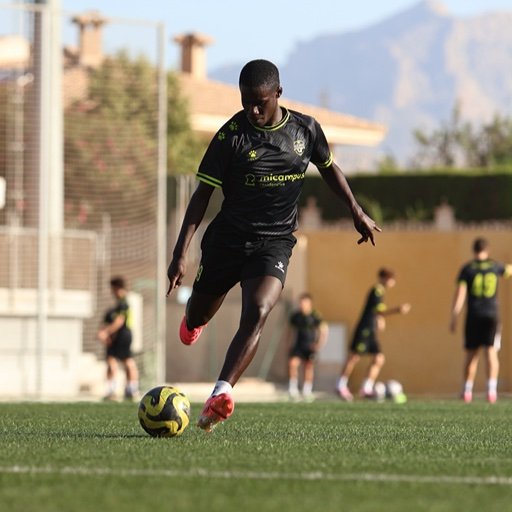
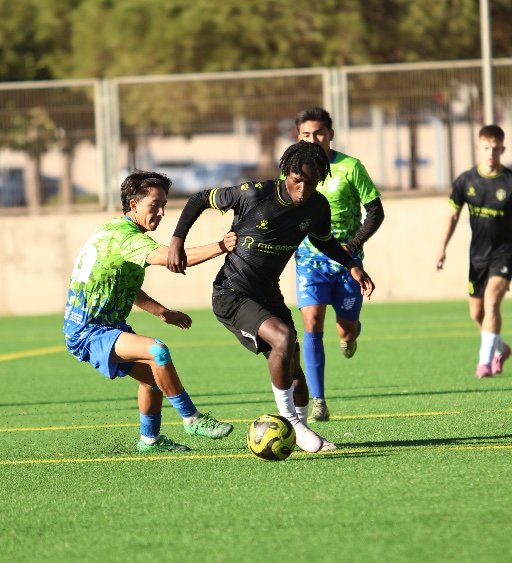
Minnows play as attackers. Their goal is to dribble safely across the grid, keeping the ball close so they can stop or change direction easily. When a defender comes near, they should use their body to shield the ball from the shark.
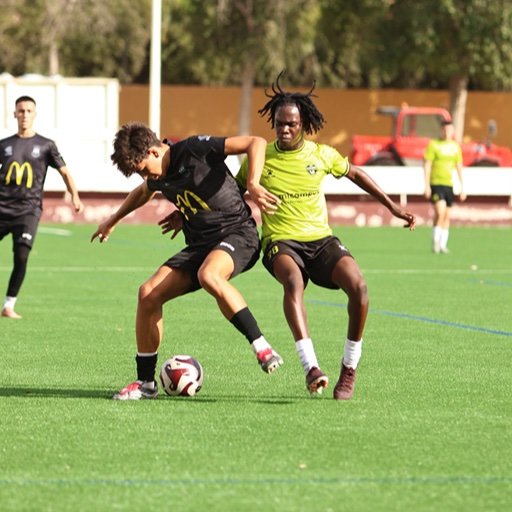
Sharks are the defenders. Their job is to close the space, time their challenge, and try to win, steal, or knock the ball away. They should focus on getting the ball, not kicking at feet, pushing, or sliding.
Begin with one shark if you have a small group of beginners, or use one or two sharks for a bigger or more confident group. As players get used to the game, add more sharks to make it harder. Switch roles often so everyone gets to try both attacking and defending.
Defending helps players understand attacking better. After playing as a shark, many notice what defenders look for, like a heavy touch, a straight run, or when the ball is left unprotected.
If a minnow dribbles outside the grid, they might lose a life or become a shark. Getting away from pressure does not count if the ball goes out of bounds. This rule helps players control the ball, notice open space, and stay aware of the grid’s edges.
How Do Players Win?
A minnow wins a round by dribbling the ball across the grid to the other side. Sharks try to stop them by taking the ball or knocking it out of play.
In the traditional game, when a minnow is caught, they become a shark. The last minnow left wins. This keeps the game exciting, but players who are less confident may not get as many chances to dribble.
To help players improve, we often give them two lives, let them switch roles right away, or add a quick ball task so they can get back in. The coach can still choose a winner, but everyone should stay involved instead of waiting outside the grid. Start each round quickly to keep the game moving and give players more time with the ball.
How Do You Set Up The Grid, Roles, And Equipment?
Set up the area in a way that young players can quickly understand. Place cones to show the playing space, mark both end lines, and keep extra balls by the coach.
Adjust the size of the playing area depending on the number of players, their ages, and skill levels. Beginners usually do better with more space, while experienced players find a smaller area more challenging.
Before you begin, make sure everyone knows who the sharks and minnows are, and send them to their starting spots. Only add extra zones or use different cone colors if they are truly needed. When you keep things simple, you spend less time explaining and more time playing.
What best describes your players’ current dribbling level?
What problem are you seeing most often?
Solution:
Use one slow-moving shark and widen the grid to about 15 × 20 yards. Give each player two lives, encourage close touches near pressure, and let the coach act as the shark when players need controlled opposition.
Solution:
Keep one shark but narrow the grid slightly and require players to stop the ball under control beyond the end line. Encourage one change of direction and immediate acceleration after the move.
What problem are you seeing most often?
Solution:
Keep the grid around 15 × 20 yards but reduce the pressure by removing one shark or using a two-lives rule. Focus on scanning, shielding, and changing route rather than adding more defenders.
Solution:
Add a second shark or make the grid slightly narrower. Use the steal-and-escape variation, requiring sharks to win the ball and dribble over an end line, while minnows must change pace or direction before completing the crossing.
What Equipment Is Needed?
Here’s what you’ll need to get started:
- Cones or flat markers for marking out the grid
- A ball for each minnow that is the right size
- Bibs to identify the starting sharks
- Extra balls kept next to the coach
- Mini-goals, but only if you plan to use the finishing variation
Flat markers help prevent younger children from tripping. Make sure there is a safe run-off area past both end lines, especially when players are running away from a shark.
How Big Should the Playing Area Be?
A grid of about 15 by 20 yards works well for smaller or younger groups. For more players or if you need extra space, try 20 by 25 yards. These are just suggestions, not strict rules.
From what we’ve seen, changing the amount of space has the biggest impact on the drill. In a small area, kids tend to kick the ball away quickly. If there’s too much space, they just cross at one speed and don’t scan, turn, or shield.
| Situation | Starting area | Starting sharks | First adjustment |
|---|---|---|---|
| Small beginner group | About 15 × 20 yards | 1 | Widen it if early losses are constant |
| Mixed group with more players | About 20 × 25 yards | 1–2 | Split into two grids if traffic becomes unsafe |
| Confident dribblers | 15 × 20 yards or slightly smaller | 2 | Require a controlled stop beyond the line |
| Large squad | Two grids | 1 per grid | Keep touches high instead of one crowded game |
Let the game run for two rounds before making any changes. If hardly anyone makes it across, try making the space bigger or slowing down the shark. If everyone gets through easily, make the area a bit smaller or add another defender.
What Are The Main Rules And Goals?
The goal is to dribble safely from one side of the grid to the other, avoiding the sharks and keeping the ball close. Remind players to focus on ball control, shielding, scanning, staying aware of space, and making good decisions under pressure.
Keep the rules simple so young players can remember them and play quickly.
- Minnows should dribble the ball, not kick it ahead and chase after it.
- A crossing counts only when both the player and ball reach the opposite side under control.
- Sharks can try to win the ball but are not allowed to push, trip, or slide tackle.
- If the ball goes out over the sideline, it is lost.
- Everyone should stop right away when the coach gives the safety signal.
- Switch roles often so everyone gets a turn.
Feel free to adjust these rules for your group’s age and experience. Younger beginners may need fewer rules, more space, and less defensive pressure. Older or advanced players can use a smaller area and add more sharks.
Don’t give every coaching point before the first round. Start with the basic rules, let the group play, and then add one short message. “Keep it close near the shark” is easier to remember during fast play than a long explanation about technique.
COMPARE THE PROGRAMME OPTIONS BEFORE APPLYING
The right programme depends on the player’s level, available time and long-term goals. Review our current programme lengths, prices and inclusions before deciding whether Alicante is the right development environment.
View programme options and pricing
Why Is This A Great Dribbling Game?
Sharks and Minnows lets kids get lots of touches and make decisions in a game they know. Rather than just dribbling around cones with no opponent, they react to changing pressure each time they cross.
The story behind the game helps as well. Kids might not get excited about ‘an opposed dribbling practice,’ but they understand the idea of crossing an ocean and avoiding sharks. Using imagination and a clear challenge keeps them interested while the coach focuses on football habits.
The FA suggests mixing ball contact with decision-making by using different small-group games. A 2021 review and meta-analysis listed on PubMed also found that small-sided game programs generally help young team-sport players improve their technical skills. While the study did not look at Sharks and Minnows specifically, it supports the idea that game-based drills are effective, even if it does not prove this drill alone will guarantee improvement.
At Alicante Football Academy, our full-time program is for older players, but the same principle applies. We use competitive games and exercises based on real matches to help players grow, then make things more challenging as they improve. Our coaches set clear goals, watch the players’ decisions, and adjust the space, numbers, or rules if the activity is not getting the results we want.
How Does It Teach Dribbling Under Pressure?
A shark turns dribbling from a practiced move into a real-time decision. The minnow keeps control of the ball while judging distance, direction, and timing.
Take small touches when close to the defender so you can stop or turn quickly. When you see an open path, use a bigger touch to speed up.
Between rounds, we often ask these questions:
- Where is the nearest shark?
- Where is the open route?
- Can you put your body between the defender and the ball?
Scanning does not mean you should always keep your head up. Instead, try to take quick looks between touches and use what you see to make decisions.
FIFA’s ball-control advice suggests practicing touches, scanning, and playing in realistic situations with some pressure. The pressure should be right for the group. If every minnow loses the ball right away, the drill might teach panic instead of calmness.
How Should Players Change Pace And Direction?
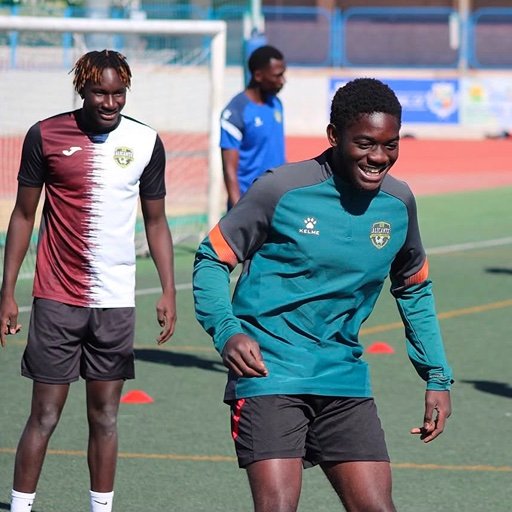
Minnows should change their speed when crossing. If a player always moves the same way, defenders can stop them more easily, even if they are quick.
Useful actions include:
- Slowing down to draw the shark closer before accelerating away
- Stopping the ball suddenly with the sole
- Pulling it back and changing direction
- Cutting with the inside or outside of the foot
- Moving across the shark’s path to protect the ball
- Accelerating immediately after a turn
By changing both speed and direction, players can fool defenders and keep better control of the ball.
A common mistake is making a good turn but then not speeding up afterward. This can create space, but the defender might catch up. Remind players to move away quickly after the turn, not just focus on the turn itself.
What Fun Variations Can Coaches Use?
Add variations when you need to solve a coaching problem or bring in a new challenge. Avoid adding them just because the group finished a round.
Here are some useful options:
- Weaker-foot round: encourage players to use their less-used foot more often.
- Two lives: after their first loss, a player stays a minnow.
- Instant transition: when a minnow is caught, they become a shark right away.
- Re-entry gate: after finishing a quick turn-and-dribble task, the player can return.
- Steal and escape: the shark wins the ball and then dribbles it over the end line.
- Safe island: a minnow can stop in a small zone for up to two seconds.
Make only one change at a time. If you add too many, kids will spend more time trying to remember the rules than actually playing. Also, avoid variations that leave several players standing still in a crowded area.
SEE WHAT A COMPLETE FOOTBALL ACADEMY PROVIDES
Sharks and Minnows develops specific skills, but long-term improvement requires a wider structure. Learn how academy training, gym work, recovery, analysis, accommodation and competitive opportunities can work together.
Learn how a football academy works
How Does Increasing Sharks Change The Challenge?
Adding sharks reduces open space, so players have to scan the field faster. Try this step only after the group is comfortable with the basic version.
Don’t go from one shark to having half the group defend all at once. Add one shark at a time, watch how the group responds, and see if the extra challenge helps. More defenders should push for quicker decisions, not make the group fail immediately.
We often adjust the grid size before adding another shark. Making the grid a little narrower can make things more challenging while keeping teams balanced. If players stop dribbling and only kick the ball forward, switch back to the earlier setup.
How Can the Coach Be the Shark?
When working with very young, nervous, or new players, the coach can take on the role of the shark. This way, you can control how fast, from what angle, and how strongly you apply pressure.
Begin by calling out:
“Minnows, minnows, cross my ocean!”
At first, move slowly and make your challenges look real, but let the players get past you. Missing a tackle on purpose can help a hesitant child feel successful while still facing some opposition. As the players become more confident, you can make things a bit harder.
We’ve found this works better than just telling a nervous player not to be afraid. Children learn best when they succeed at something. Keep the activity fun, show how to defend safely, and always go for the ball, not the player.
What Other Football Games Are Like This One?
Coaches can switch out Sharks and Minnows for other games that help players build similar skills.
- Traffic Lights: Players dribble and respond to commands to stop, slow down, or go.
- Freeze Tag With A Ball: Players protect their ball while trying not to get tagged.
- King or Queen of the Ring: Players protect their own ball and try to knock other balls out of the area.
- Gate Dribbling: Players look up and dribble through gates made with cones.
- 1v1 End Zones: Players try to get past a defender and stop the ball in a scoring area.
Pick games based on your goal. Use Traffic Lights to work on control and quick reactions. Gate Dribbling helps with scanning the field without tackling. King of the Ring builds shielding skills under pressure. The 1v1 end-zone game is more like a real attacking situation.
U.S. Soccer’s Play-Practice-Play model encourages game-like activities, the right level of challenge, decision-making, and creative problem-solving. Sharks and Minnows works well for the practice phase, but it’s best to follow it with a small-sided game. This way, players can use their scanning, ball protection, and pace changes in a more realistic soccer setting.
EXPLORE MORE PRACTICAL FOOTBALL GUIDES
Continue learning about football training, trials, fitness, academies and player development through our practical guides for players, parents and coaches.
Read our football guides