

Key Takeaways
- Academies help players grow by following a cycle that includes assessment, training, matches, review, and adjustment.
- The best environment for a player depends on their age, current skill level, goals, education, and support needs.
- Having qualified coaches, good player care, and honest feedback is more important than just having a well-known name.
- Training should help players improve, but not at the cost of their recovery, schoolwork, or overall wellbeing.
- Since professional football is very competitive, a good academy also helps players get ready for other possible paths.
Table of Contents
How Does A Football Academy Work?
A football academy helps players grow by putting them in a well-organized environment focused on their development. After applying, trying out, or being recommended by a scout, coaches look at each player’s skills, understanding of the game, fitness, attitude, and how they learn.
The development process usually has five main stages:
- Assess the player’s current level.
- Set individual and team objectives.
- Train the identified areas consistently.
- Test development in training and competitive matches.
- Review the evidence and adjust the development plan.
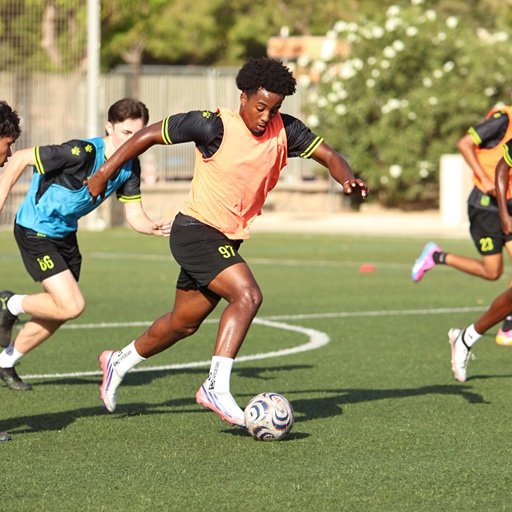
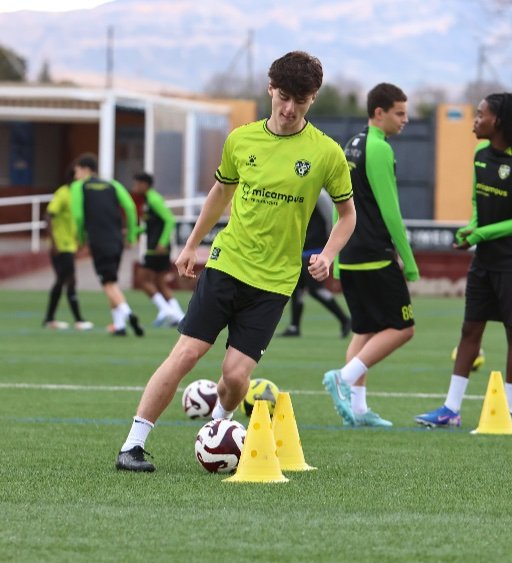
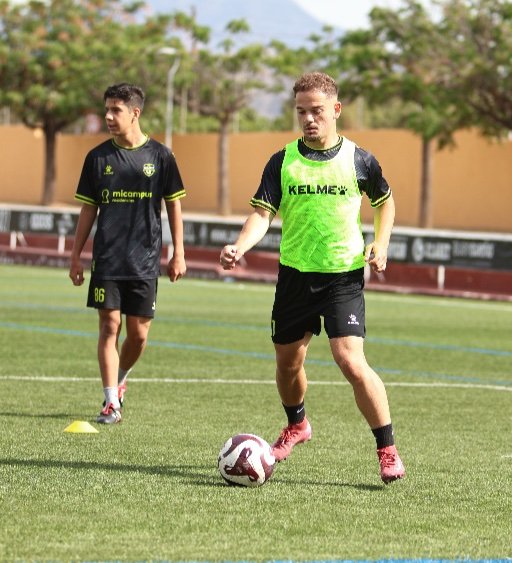
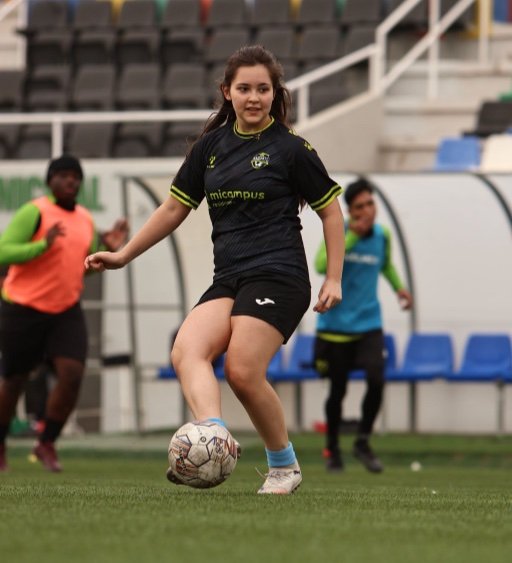
Each day at the academy can involve technical ball work, tactical drills, strength and conditioning, coaching for specific positions, video analysis, recovery, education, and competitive games. Technical sessions might focus on first touch, passing, dribbling, finishing, or defending. Tactical work helps players learn about positioning, movement, pressing, transitions, and making decisions on the field.
Physical development matters too, but training should match the player’s age and stage. Coaches help players improve speed, coordination, mobility, strength, endurance, and prevent injuries. Players are also expected to build good habits like being on time, communicating well, staying disciplined, showing respect, eating well, and taking responsibility for their own preparation.
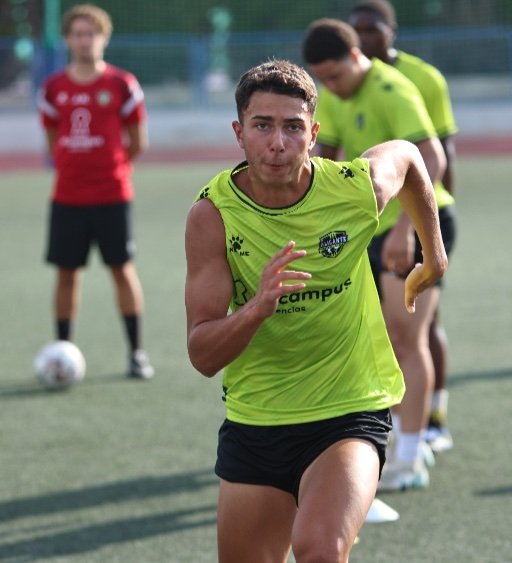
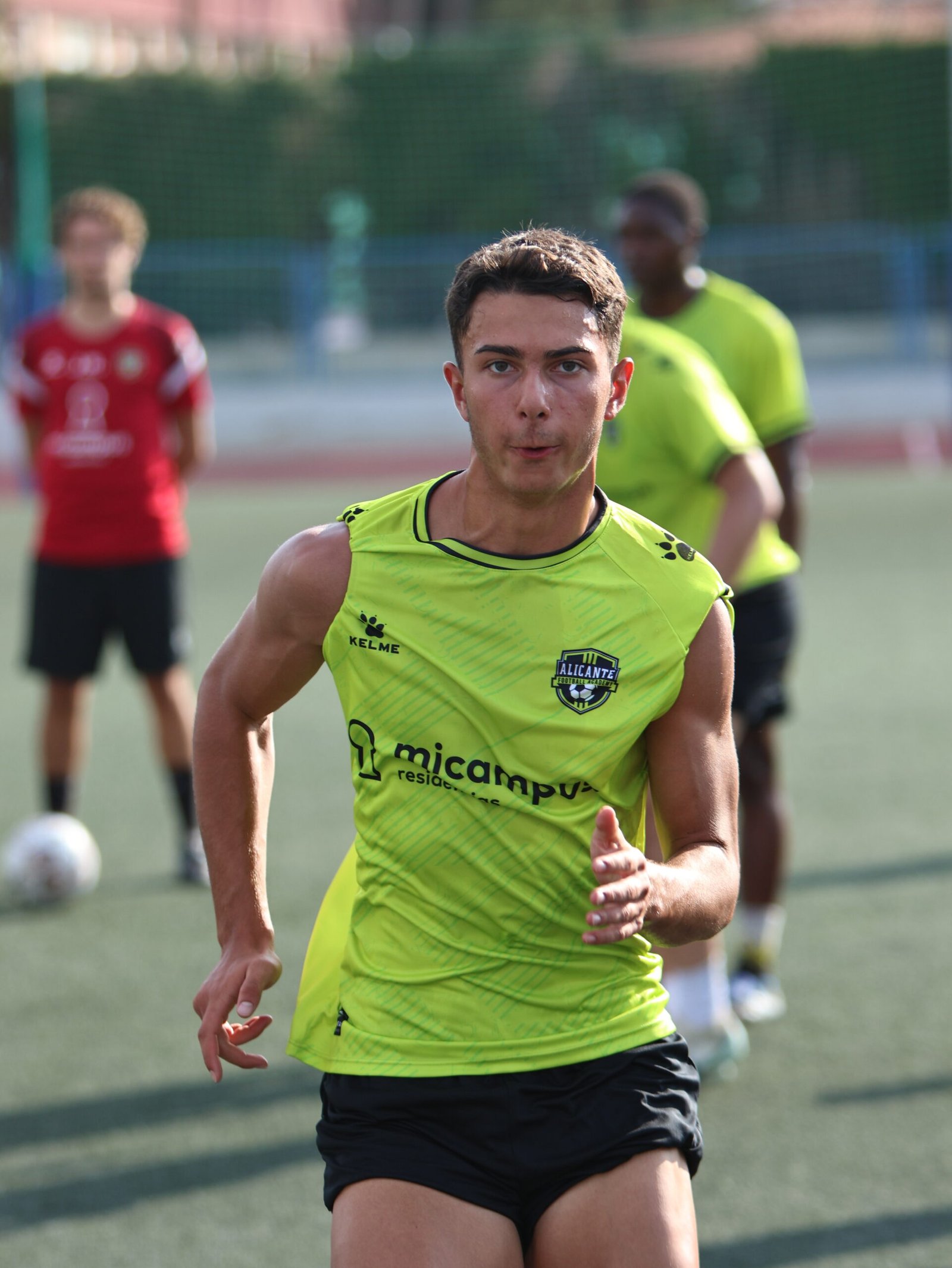
At Alicante Football Academy, we know that one tough session does not show everything. Sometimes, a player looks great in a highlight video but finds it hard to keep up when the pace gets faster. Others may start at a lower level but listen, take feedback, and get better each week. That’s why we look at how players train, compete, handle mistakes, follow instructions, and keep up their standards over time.
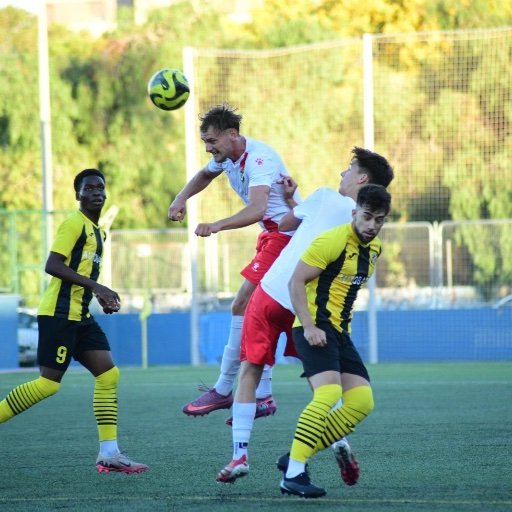
We use matches to see if players can use what they have learned when under pressure. As players improve, they might join stronger training groups, get tougher goals, or have chances to train and play with other clubs that fit their level.
Not every academy player will become a professional footballer. That is just how the game works. Because of this, a good academy should care about education, well-being, and personal growth as much as football skills. The goal is to help young people build habits, confidence, and skills they can use both in football and in life.
Is the player aged 16–23 and ready to live away from home?
What is the player’s main priority right now?
Solution:
Choose a full-time residential academy that combines daily UEFA-qualified coaching, competitive matches, individual feedback, recovery support and opportunities to train with suitable clubs. Alicante Football Academy may fit this player because its programme is designed for players aged 16–23 seeking structured development and exposure in Spain.
Solution:
Choose a residential academy that coordinates training with education, meals, accommodation, transport, recovery and regular family communication. Compare the daily schedule and welfare provision carefully to ensure football development does not come at the expense of schoolwork, rest or wellbeing.
What is the player’s main priority right now?
Solution:
Join a strong local club, development centre or high-performance programme that provides additional technical and tactical coaching without requiring relocation. The player can build competitive experience, create match footage and reconsider a residential academy when their age, independence and circumstances are more suitable.
Solution:
Prioritise a good local club, school team or ODP-style programme that offers regular matches while allowing the player to remain close to family and education. Look for qualified coaches, age-appropriate training, honest feedback and a workload that leaves enough time for recovery and school responsibilities.
How Do Football Academies Focus On Player Development?
A good football academy focuses on long-term growth, not just winning the next game. Coaches often ask players to use their weaker foot, try new positions, or make simpler decisions. These changes can feel uncomfortable at first or affect performance in the short term.
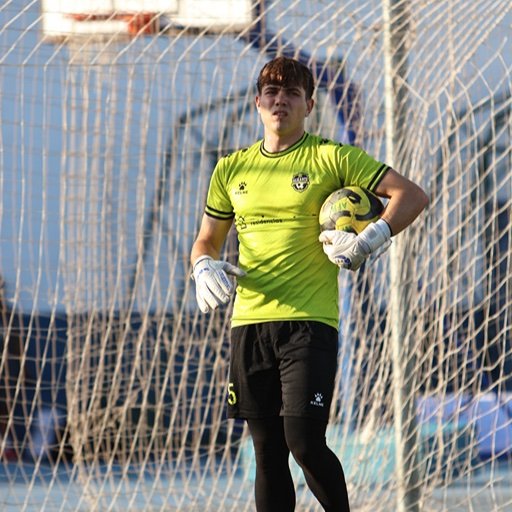
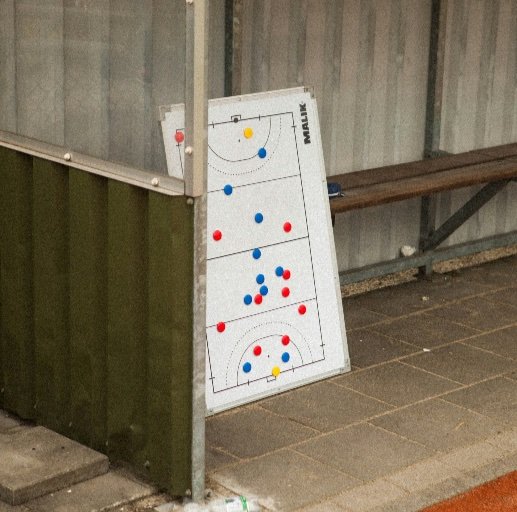
Each player should have a simple development plan with a few clear goals. Training usually includes technical drills, learning tactics, and position-specific coaching. For example, a full-back might work on handling the ball under pressure and defending the far post, while a goalkeeper might focus on starting positions, communication, and short passes.
Coaches keep track of progress by watching training and games, checking fitness tests, wellness reports, video reviews, attendance, attitude, and how players take feedback. This helps them adjust goals as players develop.
The aim is not only to improve technical skills. Training should also help players build confidence, make better choices, take responsibility, and grow as individuals.
How Are Football Academies Categorised?
Academy categories are used to organize professional club academies within each country’s system. These categories do not apply to every private academy around the world.
In England, licensed academies are reviewed independently and placed into Categories 1 to 4 as part of the Premier League academy system. The category affects things like coaching hours, staff, recruitment, facilities, sports science, education, and fixtures. Category 1 usually offers the widest range of support.
A higher category is not always the best choice for every player. Sometimes, a club in a lower category can give players more meaningful games, closer coaching, or a better chance to play in their position. Families should look at what the club offers, not just its reputation.
READY FOR A STRUCTURED FOOTBALL ENVIRONMENT?
If you want professional coaching, competitive matches and honest feedback on your level, send us your player details. We will review your experience and explain which programme may suit your development.
Apply to join Alicante Football Academy
What Are The Phases Of A Football Academy?
Academy phases are organized by age to make sure training, competition, and support fit each player’s stage of development. In England, the Premier League’s EPPP pathway has three main phases:
| Development phase | Typical age group | Main focus |
|---|---|---|
| Foundation Phase | U9–U11 | Enjoyment, movement, ball mastery and basic game understanding |
| Youth Development Phase | U12–U16 | Position learning, tactical awareness, physical development and stronger competition |
| Professional Development Phase | U17–U23 | Senior-football preparation, performance, education and transition |
Different countries and private academies might use their own names or age groups, but the main idea stays the same. An eight-year-old shouldn’t be trained the same way as an eighteen-year-old. Younger players need time to explore and get comfortable with the ball, while older players require more focus on tactics, physical fitness, and responsibility.
What Is The Earliest Age A Child Can Enter A Soccer Academy?
The age when children can join an academy depends on the country and the type of academy. In England, most professional academies begin their main programs at Under-9, but some clubs have pre-academies or development centers for younger children.
At this age, it is important for kids to have fun, build coordination and confidence, move well, and get comfortable with the ball. Starting early does not guarantee that a child will become a professional player.
Private academies set their own entry ages. At Alicante Football Academy, our main full-time program is for players aged 16 to 23. For younger children, it is usually better to join a good local club near their school and family rather than move into a residential program.
What Types Of Football Academies Are There?
Families will come across different types of football academies, and each one has its own purpose.
- Professional club academies are youth departments that are part of professional clubs. They usually offer the most direct route to joining the club’s youth and senior teams.
- Private academies are independent programs that give players extra coaching, help with development, and more chances to be seen. Some also offer accommodation, education, and welfare support.
- High-performance academies are intensive programs that get players ready for trials, senior football, scholarships, or college opportunities.
- Pre-academies introduce younger players to structured training and help them understand what is expected in a professional club setting.
- Development centres offer extra coaching so players can keep playing for their local clubs while also getting more technical and tactical training.
The best choice depends on the player’s age, skills, goals, location, budget, and support needs. Families should look at coaching quality, how reliable the pathway is, welfare, education, facilities, competition, and how progress is tracked.
COMPARE PROGRAMME LENGTHS AND COSTS
A one-month stay and a full-season programme provide different development opportunities. Compare the available durations, prices and inclusions before deciding which option fits your plans.
View programmes and pricing
What Are Elite Club Academies?
Elite club academies are youth programs run by professional clubs. They usually provide skilled coaching, competitive games, sports science help, regular progress checks, and a clear way to move up through the age groups.
These academies are very selective and demanding. Players may stay in their group, move to a different one, earn a scholarship, train with the senior team, or be let go. Having a place this season does not guarantee a spot next year.
The most important question is not just, “How big is the club?” What really matters is if the player will get quality coaching, play in meaningful games, and have a real chance to progress.
How Intensive Is Football Academy Training?
Some players train just two or three times a week, while others join full-time residential programs. The best training schedule depends on the player’s age, physical growth, academy level, competition calendar, injury history, and personal goals.
Training more does not always lead to better results. In one study over four seasons, 551 top youth players had 2,204 injuries. Even though this study looked at just one academy, it highlights the need to plan workloads, allow for recovery, and provide good medical support.
A good academy adjusts the training schedule depending on matches, player development, fatigue, schoolwork, and each player’s needs. Some sessions should challenge the player, while others focus on recovery, movement, reviewing tactics, or preparing for the next game.
Working hard is important, but pushing too much is not the same as being professional. Training should help players improve over time, but it also needs to be balanced with rest, school, medical care, and attention to the player’s well-being.
What Does A Football Academy Training Schedule Include?
An academy schedule includes technical training, tactical drills, strength and conditioning, matches, video analysis, recovery, and education. Younger players usually train less, while older players in professional programmes have a busier routine.
Here is what a typical week looks like at Alicante Football Academy:
- Monday: Mobility, technical work and gym
- Tuesday: Rondos, possession and decision-making
- Wednesday: Match preparation or competitive games and gym
- Thursday: Team tactics and set pieces
- Friday: Video review, individual development and gym
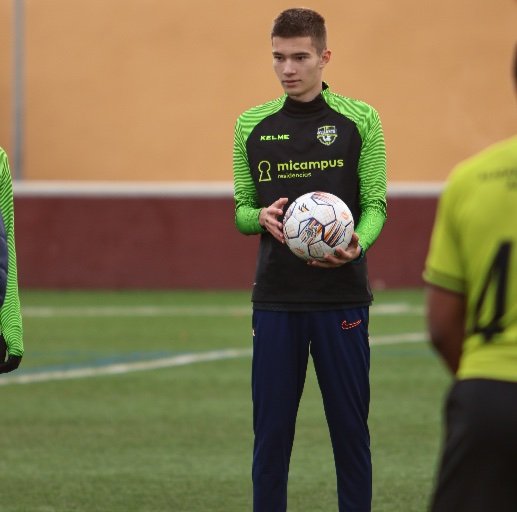
We adjust the schedule based on matches, player fatigue, and individual needs. Some players also train with Spanish clubs in the evening, depending on their level as assessed by us.
In our residential programmes, we plan each day around meals, education, transport, training, treatment, recovery, and sleep. We focus on consistency and steady progress, not just adding more hours. As players grow, their training becomes more challenging, and every session has a clear goal.
What Coaching Quality Should A Good Soccer Academy Have?
The quality of coaching plays a major role in a player’s development. A good coach plans sessions with clear goals, explains things simply, pays attention to details, and knows when to push or support the player.
The coaching staff should get to know the player as both an athlete and a person. This means using the right communication for their age, keeping them safe, helping prevent injuries, and having honest talks about how they are doing. Players need room to make choices, but they also need clear standards and guidance.
Families should look past marketing claims. Find out how often your child works with the same coach, how they get personal feedback, and how training is adjusted for different positions. A well-known coach’s name matters less if your child does not get regular attention.

What Staff Qualifications Should Parents Look For?
Parents should check for coaching licences, youth-development qualifications, safeguarding training, and first-aid skills. But qualifications are only part of the picture. Coaches also need hands-on experience with the player’s age group, playing level, and position.
Specialist staff can make a development programme stronger. These roles might include:
- Goalkeeper coaches for position-specific technical work
- Strength and conditioning coaches for physical development and injury prevention
- Analysts for match and training feedback
- Tutors to support education
- Welfare officers to protect the player’s wellbeing
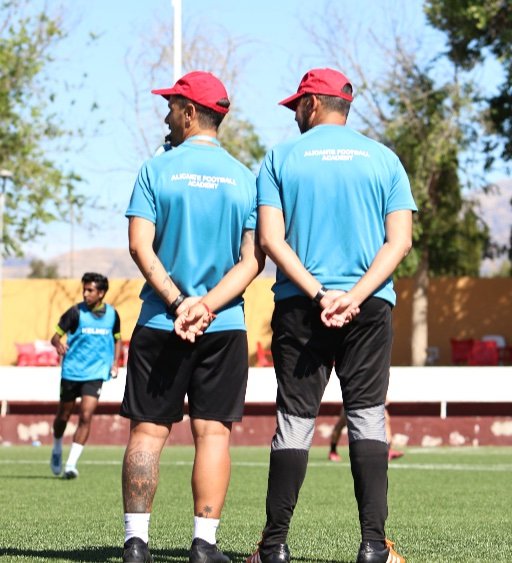
At Alicante Football Academy, our UEFA-certified and UEFA Pro coaches have the knowledge and experience to plan training well, spot individual needs, and support long-term talent growth. Their qualifications shape the programme, and by watching players every day, they learn how each one learns, reacts to feedback, and handles pressure.
Families should always find out who will be coaching their child each day, instead of relying only on the qualifications or big names shown in the academy’s marketing.
What Is The Player Pathway To Professional Soccer?
Most players start their academy journey by being scouted, applying, or attending a trial. Coaches look at each player’s skills, understanding of the game, fitness, attitude, and potential before deciding on the best training group. After that, players train regularly, play in matches, and get feedback to track their progress.
If a player does well, they might stay in the academy, move up to a higher team, get more trial opportunities, earn a scholarship, go on loan, sign a club contract, or get a chance to play senior football. Sometimes, players are released or encouraged to try a different path. Being released does not always mean the journey is over, and being chosen early does not guarantee a professional career.
Progress in football is not always straightforward. Players often move between professional clubs, private academies, schools, colleges, semi-professional teams, or even different countries to find the best fit. At Alicante Football Academy, every player gets a chance to play for a club, but the level depends on how they train and perform in matches. We focus on finding the right Spanish club for each player’s needs, instead of just aiming for the most well-known teams.
Professional football is very competitive, and most academy players will not become full-time professionals. That’s why it’s important to have honest feedback, keep learning, and have realistic backup plans along with football training.
How Do Football Academies Support Academics And Education?
Education is important because most academy players will need good academic and career options beyond professional football. Things like selection choices, injuries, or personal issues can quickly change a football career, so development should not rely only on football.
Academies can help with education by working with schools, offering tutoring, allowing flexible schedules, supporting online learning, teaching languages, or helping players get ready for college, university, or job training. Personal development should also help players build communication, independence, discipline, and confidence.
Education is part of an academy’s overall responsibility to care for its players. This care should also include safety, player welfare, mental health support, and a balanced routine that looks after the young person as well as the footballer.
Families should find out who checks on academic progress, how training and school conflicts are handled, and what support is offered if the football plan changes. A good academy should look after both the player’s football future and their options outside the sport.
SEE WHAT RESIDENTIAL ACADEMY LIFE INCLUDES
Training is only one part of living at a football academy. Learn how accommodation, meals, transport and daily player support fit around the football programme in Alicante.
Explore our residential academy
What Facilities, Accommodation And Player Care Should A Soccer Academy Provide?
A good football academy offers much more than just a great pitch. Families should look at the whole environment, such as the facilities, accommodation, meals, adult supervision, safety, and the level of care each player receives.
For players who live at the academy, there should be a clear daily routine for training, meals, transport, schoolwork, recovery, and rest. Players also need good supervision, medical care, ways to stay in touch with their families, and support as they learn to be more independent.
Families should verify:
- Accommodation and adult supervision
- Meals, hydration and dietary support
- Transport and emergency procedures
- Medical, gym and recovery provision
- Study areas and educational support
- Safeguarding policies and reporting procedures
- Family communication and general player welfare
The academy’s facilities should help players improve their skills, get fit, recover, study, and stay healthy. Living at the academy also teaches players to manage their sleep, diet, equipment, and personal tasks, which can all affect how well they train.
Before signing up or paying, families should visit the academy if they can, or ask for clear proof of the accommodation, facilities, supervision, and player care. It’s also important to know who looks after players outside of training and how any safety or welfare issues are managed.
What Are The Benefits And Challenges Of Joining A Football Academy?
Football academies often offer better coaching, organized development, tougher competition, regular feedback, and more exposure. Training in a challenging environment can also help players develop discipline, confidence, and good professional habits.
But academy life has its challenges too. Players may face pressure, travel, costs, homesickness, injuries, rejection, and the need to balance football with school. Since only a few become professionals, it is important to focus on education, well-being, and other possible paths.
Before signing up or paying, families should carefully compare different programs. It helps to ask about coaching quality, training time, matches, player exposure, education, accommodation, safety, feedback, and how players can progress.
The best academy is not always the most famous or toughest one. It is the program that fits the player’s main goal, whether that is improving skills, competing, gaining exposure, or getting ready for the next step. It should also support the player if their football journey changes.
CHOOSE THE RIGHT FOOTBALL ENVIRONMENT
An academy and a football club can both develop players, but they do not work in the same way. Compare their coaching, competition and pathway structures before choosing your next step.
Compare academy and club football
How Is A Football Academy Different From High School, Club And ODP Football?
The main difference is in how much control the program has over development. An academy brings together coaching, assessment, competition, and progression within a single structure.
| Football environment | Main purpose | Typical commitment | Best suited to |
|---|---|---|---|
| Football academy | Integrated player development and progression | Regular or full-time | Players seeking a structured pathway |
| High school football | School representation and seasonal competition | Seasonal | Students who value school identity and competition |
| Club football | Team training and league matches | Several sessions each week | Players needing regular team football |
| ODP-style programme | Identification and selected-player development | Periodic camps and events | Strong US players seeking additional exposure |
US Youth Soccer says ODP helps find talented players and gives them chances to grow and get noticed for higher levels. ODP usually adds to a player’s regular training instead of replacing daily academy sessions.
Some players take part in more than one program, but others have to pick just one because of travel, busy schedules, or registration rules. The best choice offers good coaching and real game experience, while also letting the player keep a healthy balance in life.