
Key Takeaways
- Focus on good technique first, then work on getting faster, stronger, or adding more pressure.
- If you position yourself well, you usually won’t need to make a big, last-second save.
- Keep reaction drills quick and focused to make sure each rep counts.
- Link your catches with throws or passes to turn possession into an attacking chance.
- Adjust each drill to fit the keeper’s age, skill, space, and who’s available to train with.
Table of Contents
Exploring Goalkeeper Drills
Good goalkeeper training focuses on six main areas: handling, footwork, positioning, shot-stopping, distribution, and decision-making. You can work on each skill separately, but always try to connect them to real game situations.
Here’s one way you can organize your session:
- Begin with a warm-up that includes movement and handling exercises.
- Pick one technical skill to focus on next.
- Work on footwork that leads directly into making a save.
- Add a drill where the keeper needs to react to an unexpected situation and make a quick decision.
- End the session with a distribution drill or a game-like situation.
We use this approach for all levels, from beginners and kids to advanced keepers. Younger players might use a smaller ball, shorter distances, and easier passes. More experienced keepers can handle faster shots, crosses, rebounds, and pressure, and make a passing decision after a save. During a matchday warm up, keep things lighter and stick to familiar handling, footwork, and finishing drills.
| Drill | Main skill | Basic equipment | Useful progression |
|---|---|---|---|
| Volley and Catch | Hand shape and security | Ball and server | Move before catching, then distribute |
| Contour Catching | Body behind the ball | Ball and partner | Vary height, angle and pace |
| Deflection Wall | Late reactions | Wall or rebounder | Add a second save |
| 3 Cone Drill | Footwork and recovery | Three cones and goal | Use random calls and shots |
| Clock Shooting | Angles and shot-stopping | Several balls and servers | Add rebounds or one-touch finishes |
| World at Their Feet | First touch and passing | Cones, gates and balls | Add an active press |
| Goalie Wars | Competitive all-round work | Two goals and balls | Change distance and scoring rules |
Which Handling And Catching Drills Improve Goalkeeper Security?
Handling and catching drills matter because they teach goalkeepers to get behind the ball, use steady hands, and secure it before making their next move. Good handling prevents risky rebounds and gives defenders more confidence.
Practice handling the ball at different heights and from different directions.
- Work on ground balls and low scoops.
- Practice catching mid-height shots.
- Focus on chest-level and face-height catches.
- Train with high balls and crosses.
After each catch, we usually add a roll, throw, or pass so the goalkeeper can quickly start an attack once they have the ball. This shows that securing the ball is only the first step. FIFA’s catching basics highlight a balanced stance, using both hands together, making contact in front of the body, and always keeping eyes on the ball.
READY FOR STRUCTURED GOALKEEPER DEVELOPMENT?
Individual drills can sharpen technique, but goalkeepers also need team build-up work, match situations and honest feedback. At Alicante Football Academy, we develop the full role in a structured professional environment.
Apply for goalkeeper training
How Does Volley And Catch Improve Handling?
Volley and Catch is a drill that builds hand shape, focus, and the ability to handle a firm ball. The coach stands at a comfortable distance and tosses the ball toward the keeper’s chest or face. The keeper should stay balanced, catch the ball out in front, and bring it under control with relaxed elbows.
To make this drill harder, you can try these ideas:
- Change the height and angle of the tosses.
- Slowly increase how fast you toss the ball.
- Add a shuffle or a drop step before catching the ball.
- After the catch, call out where to send the ball next.
In our sessions, we often see people try to use too much power too quickly. If the tosses get so hard that the keeper closes their eyes, catches the ball beside their body, or just tries to finish the drill instead of controlling the ball, we slow things down and work on building good technique again.
How Does Contour Catching Help Goalkeepers?
Contour catching teaches you to shape your hands and body around the ball, rather than keeping them flat and stiff. As a keeper, follow the ball’s path, step into line, and get your body behind the ball whenever you can.
Start with slow throws from close range. Practice catching balls at ground level, mid-height, and above your head before adding movement or making the throws faster. This drill prepares you for tricky shots and crosses, since the ball is not always easy to catch.
We always remind our keepers to move into position before trying to catch the ball. Reaching across your body can work now and then, but it is not a habit you want to develop.
Which Reflex And Agility Drills Improve Reaction Saves?
Reflex and agility drills help goalkeepers react to deflections, rebounds, close-range shots, and quick changes in direction. They need to read cues, move their feet fast, and respond to the ball’s path before making a save.
Reaction drills work best when they are quick and focused. We use short sets with enough rest so the goalkeeper can get back to a balanced, stable position. If the feet slow down, the hands drop, or movements lose accuracy, doing more reps just leads to fatigue instead of progress.
Agility drills should copy real goalkeeper movements, such as small adjustment steps, lateral shuffles, recovery moves, changes in direction, setting, and diving. Ladder or cone drills can help with coordination, but they should not replace the movements goalkeepers use in games.
A goalkeeper-specific test listed in PubMed was designed to measure how well goalkeepers read the play and how they move in response. This matters because quick hands alone are not enough if the goalkeeper reacts late or moves in the wrong direction.
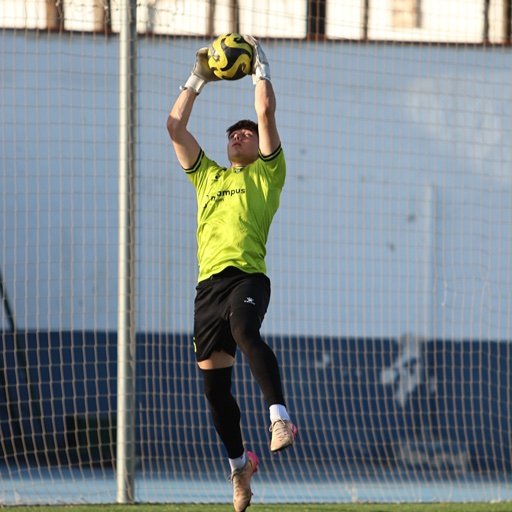
How Does The Deflection Wall Drill Train Reactions?
The Deflection Wall drill trains goalkeepers to react quickly when the ball changes direction close to the goal. In this drill, a server passes or kicks the ball at a wall or rebounder, and the goalkeeper stands behind it to react to the rebound.
Use a controlled pass and set enough distance so the goalkeeper can track the ball before it changes direction. Avoid hitting the ball too hard from close range. Change the distance, speed, and angle to match the goalkeeper’s age and skill.
Focus on these key points:
- Stay in a balanced set position
- Watch the ball closely as it hits and leaves the surface
- Move your hands toward the rebound
- Recover quickly after making a save
To make the drill more challenging, change the rebound angle or add a second controlled shot. Stop the drill if the goalkeeper starts guessing before the ball is deflected. The real benefit comes from tracking the ball, reacting late, and recovering quickly, not from choosing a side too early.
What Is The Goalkeeper 3 Cone Drill?
The 3 Cone Drill helps goalkeepers practice movement, recovery, body shape, and making saves after moving. To set it up, place one cone in front of the goal and one on each side. When the coach calls out a cone, the goalkeeper moves to it, recovers toward the ball, gets set, and makes a save.
Cone drills help coaches work on small steps, moving sideways, slowing down, and keeping balance. A common mistake is when a keeper gets to the cone first but is still moving when the shot is taken. Making the final adjustment and setting up properly is more important than just reaching the cone quickly.
To make the drill more challenging, try using random calls, fake commands, a second shot, or add a pass after the save. However, cone drills should not replace real game situations. According to UEFA’s goalkeeper framework, technical routines should always stay connected to real game demands.
WHY DOES GOALKEEPER TRAINING FEEL SO DIFFERENT?
Goalkeepers face a smaller margin for error and a different technical and mental workload from outfield players. Our position guide explains where the pressure comes from and what players need to train.
Read the goalkeeper position guide
Which Footwork And Positioning Drills Improve Goalkeeper Angles?
Footwork and positioning drills help goalkeepers reach the right spot before a shot. When a goalkeeper is well positioned, the target is smaller and tough saves can become easy catches.
Teach the goalkeeper to judge four important things:
- The line between the ball and the center of the goal
- Where the goalkeeper is standing in relation to the goal line
- How far to step out from the goal
- The shooter’s position and body posture
Goalkeepers should also notice where the defenders are and how much pressure they put on the shooter.
A simple angle drill uses three or four players around the edge of the penalty area. They pass the ball to each other while the goalkeeper moves, keeps their eyes on the ball, and gets ready only when a shot is possible.
At Alicante, we sometimes stop the drill before the shot and ask which part of the goal is open. This method teaches more than just telling the goalkeeper to move left or step forward. Taking small steps and keeping the head and shoulders steady and facing the ball helps the goalkeeper start in a better position.
Which Shot-Stopping Drills Help Goalkeepers Save More?
Good shot-stopping drills help goalkeepers work on their stance, diving, reactions, recovery, and confidence. Start with simple, predictable shots so the keeper can focus on using the right technique. As they get more comfortable, mix up the height, angle, and timing of the shots.
A full drill sequence should cover:
- Low shots that are both near the body and farther away
- Saves at mid-height and high above the head
- Shots coming from a variety of angles
- Dealing with rebounds and reacting to second attempts
- Deciding when to catch, parry, smother, or stay in position
A goalkeeper’s job is more than just stopping the ball. We also pay attention to their starting position, first movement, how they connect with the ball, and where they send it. Pushing the ball back into the middle can be even riskier than facing the first shot.
COMPARE PROGRAMME LENGTHS AND WHAT IS INCLUDED
Structured development takes different amounts of time depending on your current level and goals. Review our short and full-season options, what is included and how to plan your stay in Alicante.
Compare academy programmes
How Does Clock Shooting Improve Shot-Stopping?
Clock Shooting helps goalkeepers practice handling shots from different angles. Place servers around the edge of the penalty area, like the numbers on a clock. Each time the ball goes to a new server, the keeper should adjust, scan, get set, and face the shot.
Begin with one shot at a time and make sure there is a clear pause between each action. The goalkeeper should move into position and stay balanced, rather than bouncing across the goal.
Progressions include:
- Unknown shooting order
- One-touch finishes
- A live rebound
- A second ball from the opposite side
- Limited time to reset
In our experience, the drill does not work as well when several players shoot at the same time. It is most effective with a bit of controlled unpredictability, but random shots when the keeper is not ready do not help.
How Can Goalkeepers Learn To Play Out From The Back?
Modern goalkeepers are expected to play confidently and accurately from the back while making smart choices. In our sessions, we focus on scanning, first touch, passing, support angles, and making decisions under real pressure. We begin training without defenders, then introduce a passive defender, and finally add an active press.
FIFA’s goalkeeper build-up session shows goalkeepers how to receive the ball away from pressure, create safe support angles, and pass with good timing and accuracy. These drills also help goalkeepers handle pressure and make better decisions before passing.
A goalkeeper’s distribution should help launch the team’s next attack. After receiving the ball, the goalkeeper chooses whether a quick throw, a short pass, or a long kick works best. The best choice depends on pressure, where teammates are, and how much space is available.
At Alicante Football Academy, we support ambitious goalkeepers with UEFA Pro-licensed coaches and top training facilities, including great pitches, a modern gym, and specialized goalkeeper equipment. Our realistic team build-up drills let goalkeepers practice the same passing options, movements, and pressure they will face in real matches.
How Do You Develop A Sweeper Keeper?
A sweeper keeper has to read the game, talk to teammates, react quickly, and pass well to deal with what happens next. They usually stand outside the six-yard box, but their spot changes depending on the ball’s location, the defensive line’s height, and whether the opponent is under pressure.
FIFA suggests several ways to react when there is space behind the defense: come out to clear the ball, stay and guard the goal, or support the closest defender. Making the right choice is important, so the goalkeeper must know when to stay, sweep, pass, or clear.
Try this drill with a defender, an attacker, and a coach. Begin with a shot for the goalkeeper to save or control, then pass to the defender. After that, the coach sends a through ball behind the defense. The goalkeeper has to decide whether to support, sweep, pass, clear, or move back for another shot. This exercise combines shot-stopping, dealing with through balls, and passing in a game-like situation.
Set clear rules for communication so defenders know what the goalkeeper plans to do right away. Making a quick and confident decision matters, since even a perfect clearance can come too late if the goalkeeper hesitates during a real match.
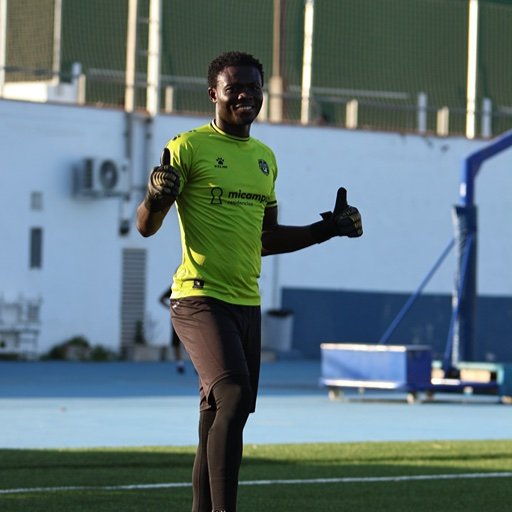
How Can Goalkeepers Build A World At Their Feet Progression?
The World at Their Feet progression begins with basic passing and slowly adds more realistic build-up situations where players face pressure.
- Work on passing accurately with both feet through a gate.
- Pay attention to receiving the ball with your body open to the field.
- Aim to take your first touch away from pressure.
- Scan the field and call out your next move before the ball comes to you.
- Add a passive defender so the goalkeeper can get used to receiving the ball with a bit of pressure.
- Next, bring in an active defender. Encourage the goalkeeper to either pass through the defensive line or pick a safer option around it.
- Put these skills to use in a small-sided build-up game.
The goalkeeper should talk clearly, adjust their support angle, and pick the right type and weight of pass. We focus on both the decision and how well it’s carried out, because sometimes it’s better to play a safe return pass instead of forcing the ball through a blocked lane.
Good footwork lets the goalkeeper move into better passing spots, receive the ball cleanly, and keep possession with confidence. The goalkeeper plays a key role in the team’s possession, not just in restarting the game.
Which Fun Goalkeeper Drills Keep Training Competitive?
Fun goalkeeper drills keep players engaged and help them get better at reacting quickly, being brave, handling the ball, and making decisions. Competitive games are a great way to finish a session once you have practiced the main technical skills.
Even fun drills should have a clear goal. Give points for clean catches, accurate passes, good positioning, or quick recovery, not just for winning. For younger goalkeepers, short rounds and simple rules help them keep good technique and stay focused better than long, tiring competitions.
BUILD A TRAINING SETUP THAT SERVES THE DRILL
Cones, rebounders, goals and balls help only when each item has a clear purpose. Our equipment guide explains how coaches can build safer, more useful technical and game-based sessions.
See football training equipment
How Does Goalie Wars Help Goalkeepers Compete?
In Goalie Wars, two goalkeepers face each other, each defending their own goal and trying to score by throwing, rolling, volleying, or striking the ball. This drill helps build shot-stopping, distribution, recovery, and a competitive mindset.
Change the distance, goal size, and rules to fit your players. For younger goalkeepers, use smaller goals, underarm throws, and finishes along the ground. For more advanced keepers, increase the distance, try different ways to distribute the ball, or give extra points for clean catches.
Keep the intensity under control. Wait until the other player is ready before starting the next round, use short sessions, and stop if anyone’s technique becomes unsafe.
We usually add one rule: after making a save, the goalkeeper must secure the ball and reset before attacking. This stops the game from turning into a rushed shooting contest and encourages the good habits we want to see in matches.
Which part of your goalkeeper game needs the most attention?
Do you need a technical reset or more game-like pressure?
Solution:
Begin with Volley and Catch and Contour Catching to improve hand shape, balance, body position and ball security. Add controlled 3 Cone Drill repetitions so your footwork leads into a stable set position before every save.
Solution:
Use the Deflection Wall drill for late reactions and Clock Shooting for changing angles, rebounds and recovery saves. Keep the sets short and controlled so every repetition finishes with a balanced action and a clear catching or parrying decision.
Do you need a technical reset or more game-like pressure?
Solution:
Start the World at Their Feet progression without pressure. Practise passing through gates with both feet, receiving with an open body shape, scanning before the ball arrives and directing the first touch away from pressure.
Solution:
Add an active presser, then use a sweeper-keeper exercise with a defender, attacker and through ball. The goalkeeper must decide whether to support, sweep, pass, clear or recover toward goal while communicating clearly. :contentReference[oaicite:0]{index=0}