

Key Takeaways
- Soccer ID camps give coaches a chance to see players in action, but attending one does not mean you will be recruited.
- Choose camps that match your academic background, athletic skills, playing position, and the schools you want to attend.
- To stand out, play with awareness, communicate well, and show you are willing to learn.
- Prepare by working on your fitness, technical skills, sleep, recovery, watching game videos, and planning your travel and schedule.
- Following up with coaches after the camp is a key part of the recruiting process, not just something extra to do.
Table of Contents
A Look Into Soccer ID Camps
Soccer ID camps let players show their skills to college coaches. Some camps are hosted by one university, while others include several schools, are run by outside organizations, or happen as summer events where coaches watch players compete.
These events have many names, including soccer ID camps, football ID camps, college soccer ID camps, prospect camps, showcase camps, and soccer identification camps.
No matter what they are called, the purpose is the same. Players attend so coaches can watch them during training, small games, full matches, or sessions focused on specific positions.
You should start preparing before you even sign up for a camp, not just on the first day. Before paying, make sure you know which coaches will be there, what level the schools play at, if the schools match your academic goals, if the camp fits your skill level, if your position is needed, if the event fits your recruiting timeline, and if the schools are really on your target list.
NCAA rules matter because recruiting has strict guidelines. The NCAA sets rules about who can be involved, when recruiting can happen, and the conditions for how it takes place.
What is your main reason for considering a soccer ID camp?
Have you already contacted coaches with your profile, video and target school list?
Solution:
Choose a targeted college ID camp where the attending coaches match your academic level, football level, position and recruiting timeline. Arrive prepared, compete with discipline, communicate well, and follow up within a few days with an updated video and schedule.
Solution:
Do not choose a camp only because it looks popular. First create your recruiting profile, highlight video, academic details and realistic school list. Then email coaches before registering so the camp gives you a better chance of being watched by the right people.
Have you already contacted coaches with your profile, video and target school list?
Solution:
Use your coach contacts as motivation, but focus first on improving your camp readiness. Work on fitness, speed of play, first touch, communication, recovery and match confidence so that when those coaches watch you, they see your real level.
Solution:
Start with development before exposure. A longer training environment or football camp may be a better first step than a one-day ID camp because it gives you time to adapt, receive feedback, build confidence and understand your level before spending money on recruiting events.
What Are Soccer Identification Camps?
Soccer ID camps let high school players show their technical, tactical, and physical skills directly to college coaches.
Some camps are hosted by just one university. These are a good choice if you are really interested in that school and have already researched their program. Other camps bring together coaches from several universities, which is helpful if you are still figuring out where you want to go.
A good soccer ID camp isn’t just about being seen. It’s about being seen by the right coaches.
If you want to go to a Division III school that values academics, it probably won’t help to attend a camp with schools that aren’t a good fit. If you’re aiming for a Division I program, be honest about whether your speed, fitness, grades, and playing history match what those schools want.
A common mistake is picking camps based on emotion. Sometimes players see a famous school and sign up right away. It’s better to choose camps with a clear plan.
How Should Players Choose The Right College ID Camp?
Players should not choose a college ID camp just because it is popular, expensive, or heavily advertised.
The first question to ask is whether this camp is a good fit for you.
Players should look at their own skills and goals and see how they match with the schools attending the camp. Consider things like athletic and academic level, coaching style, location, roster needs, and cost. NCAA Division I, II, and III programs all have their strengths, but each one is different. Training, travel, academic workload, and the recruiting process can all be very different from one program to another.
Here’s an easy way to compare different camp choices:
| Camp type | Best for | What to check before registering | Common mistake |
|---|---|---|---|
| Single university ID camp | Players targeting one specific school | Coach interest, academic fit, roster needs, position demand | Attending only because the school name is famous |
| Multi-school showcase | Players comparing several programmes | Full coach list, level of schools, playing format, number of players | Assuming every coach will watch every player closely |
| Third-party ID clinic | Players looking for regional exposure or extra evaluation | Provider reputation, coach attendance, player numbers, feedback format | Treating it as a guaranteed recruiting shortcut |
| Development football camp | Players who need more preparation before exposure | Coaching quality, training length, match analysis, physical development | Expecting recruitment before the player is ready |
NCAA data shows why having a plan matters. In men’s soccer, 484,908 high school players competed for 28,746 NCAA spots, so only about 5.9% moved up. For women’s soccer, the rate was 7.9%.
This shouldn’t discourage players. Instead, it shows why it’s important to focus your efforts. Just hoping to get noticed is not enough.
READY TO TRAIN BEFORE YOUR NEXT ID CAMP?
A camp gives you a short window to show your level. If you want structured training, match practice and honest feedback before that moment, we can review your profile and explain the next step.
Apply to join
Are Third-Party ID Clinics Worth Considering?
Most third-party clinics only last a day or two and take place in various regions. Companies such as Nike Soccer Camps, US Sports Camps, and other camp discovery websites help families compare different options, dates, and locations.
These events are useful for extra training, getting noticed in your area, learning how camps operate, playing in front of new coaches, and building confidence before attending a more specialized university camp.
However, these clinics may not help you form as strong a connection as attending a camp at a university you really want to join. Coaches who already know your name, position, video, and academic background are more likely to notice you.
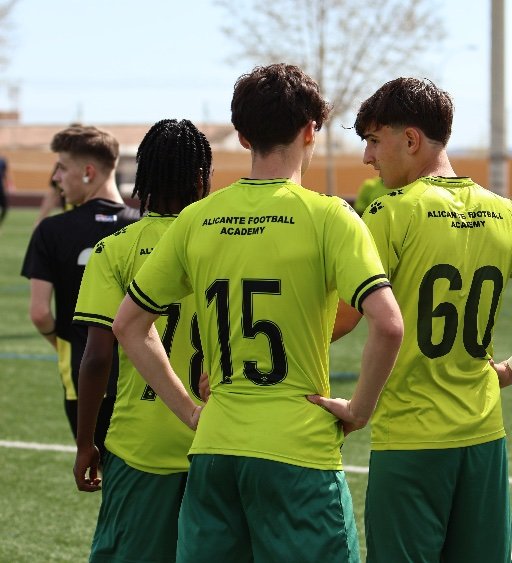
That’s why development matters. At Alicante Football Academy, our football camps are not like U.S. college ID camps. We focus on daily training, adapting, getting feedback, and preparing for long-term growth. Our camps let players experience a professional training routine, rather than just trying to stand out in one session.
We have seen this approach work for our players. For example, Josef Paul Mach from Canada trained at Alicante Football Academy, then signed with a Spanish team. Later, with our recommendation and his experience in Spain, he was accepted to a university in the United States and joined its soccer program.
This is why we believe long-term development is important before attending ID camps or applying to college soccer programs. Players need more than just visibility. They also need good habits, confidence, match experience, honest feedback, and a clear understanding of their level before trying to impress college coaches.
How Should Players Prepare Before The Camp?
To get ready for a soccer ID camp, start by doing your research, contacting coaches, staying in shape, practicing your skills, and planning all the details. Don’t just sign up and hope to stand out. Begin your preparation well before the camp starts.
Before the camp, contact the coaches who will be attending. A short email with your name, position, graduation year, highlight video, academic details, and match schedule can make a difference. Coaches see many players at these events, so making it easy for them to find you helps you stand out.
Before you attend, create a short recruiting profile that includes:
- Full name
- Graduation year
- Position
- Height and weight, if relevant
- Club or school team
- GPA or academic information
- Highlight video
- Match schedule
- Contact details
- Coach reference, if available
Make sure you are prepared both technically and physically. ID camps usually include warm-ups, tests, drills, small games, and full matches in a short period. If you arrive tired, injured, out of shape, or not focused, coaches may not see your true abilities.
Logistics are important too. Plan your travel, meals, sleep, arrival time, gear, documents, and recovery before the camp. If you arrive late, forget equipment, or travel without enough rest, it will be harder for coaches to evaluate you.
Don’t leave warm-up and injury prevention to chance. FIFA reports that today’s football is more physically and mentally demanding, so injury prevention is key for your health and performance. A PubMed-indexed review found that the FIFA 11+ injury prevention program reduced injuries in soccer players by 30%.
Sleep is important as well. A PubMed-indexed review on young athletes shows that sleep helps with recovery and lowers injury risk. In simple terms, a player who sleeps badly, eats poorly and travels without planning is already reducing their chance of performing well.
Your goal isn’t just to show up at the camp. You want to arrive prepared so coaches can easily see who you are, what position you play, your skill level, and why they should keep watching you.
Should You Email Coaches Before The Camp?
Players should email coaches ahead of the camp to let them know they plan to attend.
Keep your email brief and to the point. Coaches have a lot on their plates, so skip unnecessary details. Make it simple for them to know who you are and who to look out for during the camp.
Include your name, graduation year, position, club or school team, GPA or academic info, highlight video link, camp date, session time if you know it, shirt number if you have it, and your upcoming match schedule.
Avoid sending the same email to every coach. Share why you’re interested in their school. It could be the academic program, playing style, division, location, coach’s experience, or how the team helps players grow.
A straightforward message works better than something complicated:
“Coach, I’ll be attending your ID camp on July 12. I’m a 2027 center midfielder currently playing for [team]. My highlight video and academic details are below. I’m interested in your program because of [specific reason]. I would appreciate it if you could watch me during the camp.”
That’s all you need. It’s clear, respectful, and helpful. This way, the coach can connect your name, position, video, and academic info before seeing you play.

What Should Players Bring To An ID Camp?
Players should bring everything they need so they can focus on playing their best.
Here’s a simple packing list to help you get ready:
- Cleats for the correct surface
- Shin guards
- Water bottle
- Snacks
- Extra socks
- Extra training kit
- Goalkeeper gloves if needed
- Recovery items
- Towel
- Sunscreen if outdoors
- Registration confirmation
- Medical forms or waivers
- ID or required documents
If you’re staying overnight, remember to pack dorm supplies, toiletries, casual clothes, chargers, and any personal items.
Don’t forget the small things. Missing socks, not drinking enough water, or being on your phone too much can leave a bad impression. During sessions, keep your phone in your bag and stay focused.
Coaches notice when players listen, help pick up balls, speak respectfully, and stay focused between drills.
How Can Players Stand Out During The Camp?
A lot of players think they’ll stand out by dribbling through several defenders, taking difficult shots, or always calling for the ball. However, coaches usually pick up on this quickly.
What really makes players stand out is making smart decisions, having a good first touch, checking their surroundings before receiving the ball, communicating with teammates, working hard, following the game plan, showing positive body language, being open to coaching, staying consistent, and handling mistakes well.
At our academy, we remind players that coaches watch everything, not just the big plays. They notice how you warm up, how well you listen, how you react if you lose the ball, whether you run back to defend, if you talk to teammates, if you accept feedback, and whether you take responsibility or blame others.
Players should stay proactive, focused, and involved throughout the whole camp. This means arriving early, listening closely, asking thoughtful questions, competing fairly, supporting teammates, and acting professionally even when they don’t have the ball.
Coaches are always watching, not just during official sessions. They pay attention to how you act before, during, and after training or games. How you behave between drills, interact with others, and respond when you’re tired says a lot about your attitude.
COMPARE THE COST BEFORE YOU COMMIT
ID camps, travel and showcases can add up quickly. Before you choose your next step, compare what a longer training stay includes and decide what gives you the best preparation.
View academy pricing
When Should Players Start Attending ID Camps?
The right time to attend depends on your age, your recruiting goals, and how prepared you feel.
Younger players can use camps to get comfortable with the environment, learn the speed of the game, and begin to get noticed. Older players usually attend camps for direct recruiting opportunities, especially if they already have a highlight video, a player profile, and a list of schools they are interested in.
Don’t attend a camp just because your teammates are going. Go when you feel ready to compete physically, technically, and mentally.
Most ID camps take place in the summer and winter when players are on break from school. Camp dates can change each year, and recruiting calendars may affect when events are scheduled. The NCAA’s Division I recruiting calendar lists quiet periods, dead periods, and recruiting shutdowns, including dates specific to soccer. Always check the latest information from universities and the NCAA before making travel plans.
What Age Groups Can Attend?
Most soccer ID camps are designed for high school players, especially those who want to play college soccer.
Some camps only accept players from certain graduation years. Others may let younger players join for experience or allow older players who want to be recruited. Always check the eligibility rules before signing up.
Not every camp will suit every player. Even if younger players are allowed, they may not be ready to compete with older and stronger athletes.
When Do Camps Usually Take Place?
Most ID camps take place in the summer, winter, or during school breaks.
June and July are popular months for showcase events because many players are available then. Winter camps are useful too, as they can fit around club seasons, school exams, and family vacations.
Plan ahead because popular camps fill up quickly. Before signing up, look at your schedule for club games, tournaments, school exams, recovery time, family trips, travel plans, and when your highlight video will be ready.
The best camp for you might not be the first one you find. Pick a camp that fits your recruiting timeline and allows you to arrive rested, prepared, and focused.
Are ID Camps For Soccer Worth It?
ID camps can be helpful if you pick the right ones.
But they won’t help much if you show up without a plan, skip your research, don’t contact coaches, aren’t in shape, or expect to get noticed without putting in effort.
Getting recruited for college takes more than just being seen. You need to play well, communicate, find a school that fits you academically, pick the right time, and follow up afterward.
A camp can help you in several ways:
- Get noticed by coaches
- Try out college-level training
- Get feedback on your skills
- See what different schools are like
- Figure out where you stand as a player
- Build your confidence
- Learn how the recruiting process works
But going to a camp doesn’t mean you’ll get recruited. A coach might like you but not need your position. A school might fit your playing level but not your academics. You could play well but still need more game footage.
That’s why it’s best to see camps as just one part of your overall plan, not your only shot at getting recruited.
BUILD YOUR CAMP SHARPNESS IN SPAIN
Some players need more than one weekend to show their real level. Our football camp gives players time to train, adapt, receive feedback and understand what they need to improve.
Explore our football camp
What Benefits Can A Camp Provide?
Going to a soccer ID camp can help players get noticed by coaches, especially if they have already emailed their profile, video, and schedule before the camp.
The main benefit is not always getting an offer. Often, the real value is getting honest feedback. Players might learn they need to improve things like speed of play, strength, passing, defending, communication, or decision-making. Some camps also give recruiting tips, player evaluations, or one-on-one feedback from coaches, which can help families understand the next steps.
A camp also shows players how intense college training can be. This is important because many players only compare themselves to local teammates. After attending a serious camp, they get a clearer idea of the real standard.
Camps also help players compare different schools. One university might be a better academic fit, another might have a stronger soccer program, and another could feel more comfortable because of the coaching style, location, facilities, or team culture. This matters because choosing a college is not just about soccer. It is also about finding the right place to live, study, and grow.
What Should Players Do After The Camp?
Following up is an important step in the recruiting process.
After the camp, players should send a brief thank-you email to the coaches they reached out to before the event. Try to do this within a few days, while the experience is still fresh.
In your email, thank the coach for the opportunity, mention one specific detail from the camp, include your position and graduation year, share an updated highlight video, add your upcoming match schedule, and show your continued interest in the program.
It’s also helpful to keep track of responses. Use a simple spreadsheet to record the school name, coach name, date you emailed, their reply, your next step, and any notes.
This approach helps players see where they stand in the process. If a coach responds positively, that school could become a higher priority. If there is no reply after a few professional updates, it might be time to adjust your target list and consider other schools that are a better fit for your academics, football skills, position, and recruiting timeline.
If a coach does not reply right away, don’t worry. Coaches get a lot of emails. You can follow up later with a professional message if you have something new to share, like an updated video, a tournament schedule, or better academic results.
How Should You Follow Up With Coaches?
Here is an example of a strong follow-up message:
Coach, thank you for your time at the ID camp on Saturday. I appreciate your advice about playing faster after my first touch. Below, I’ve shared my updated contact details, highlight video, and upcoming game schedule. I remain very interested in your program and would welcome any feedback about how I might fit in.
This message works well because it shows you listened. It also gives the coach useful details, such as your contact info, video, and a list of games where they can watch you play.
Avoid emailing too often. If you contact a coach every few days without new information, it can lower your chances. Instead, reach out when you have something important to share, like a new video, tournament schedule, improved grades, or a recent good performance.
UNDERSTAND WHAT SCOUTS ACTUALLY NOTICE
Before spending money on exposure, it helps to know what being watched really means. This guide explains the scouting process and what players should prepare before opportunities appear.
Read the scouting guide