
Key Takeaways
- Choosing the right football training equipment depends on the player’s age, skill level, how much space they have, and their goals.
- A basic starter kit should include a football, pump, cones, bib, water bottle, boots, shin pads, and training clothes.
- Coaches usually need extra gear to run sessions, such as bibs, marker cones, boards, bags, whistles, and portable goals.
- Rebounders help players practice passing on their own, improve their first touch, and develop quick reactions.
- Fitness equipment should support football-specific movements, not just general exercise.
- Training gear works best when it lets players get more touches on the ball, build good habits, and practice real game situations.
Table of Contents
Essential Football Training Equipment
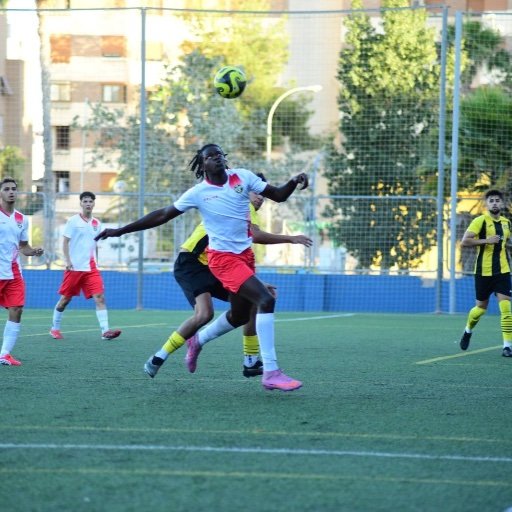
Football training equipment makes practice sessions more organised, realistic, and easier to follow. With the right gear, players and coaches can work on technical skills, fitness, tactics, finishing, passing, defending, warm-ups, and match preparation.
Most people looking for football practice equipment or accessories want practical tools that make training sessions more effective and closer to real match situations.
Some common football training equipment includes cones, markers, agility ladders, hurdles, training balls, match balls, mini goals, pop-up goals, rebounders, rebound boards, bibs, coaching boards, whistles, mannequins, free-kick tools, resistance bands, warm-up gear, and conditioning tools.
The best setup depends on the player’s age, skill level, training location, budget, and whether the equipment is for one person or a whole team. For example, a young player training alone at home will need different gear than a coach working with a full team.
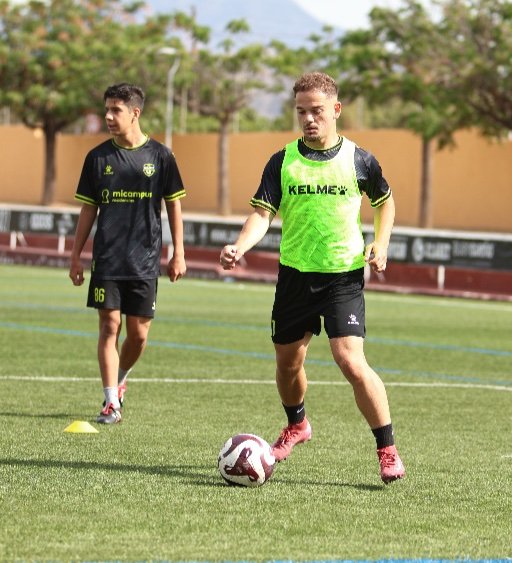
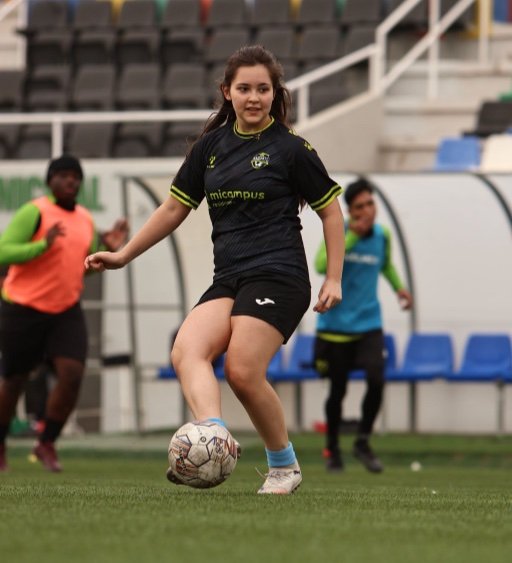
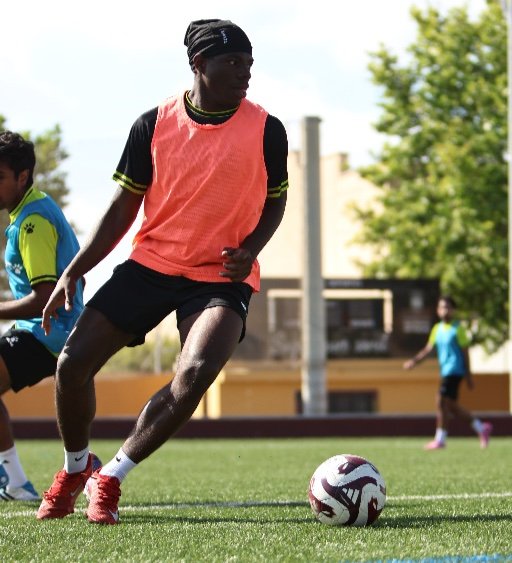
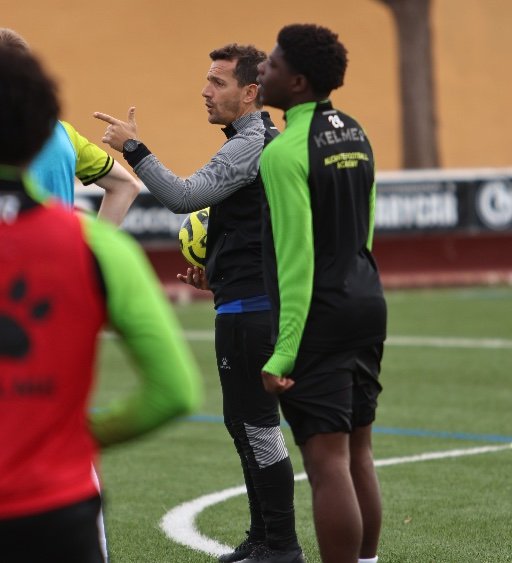
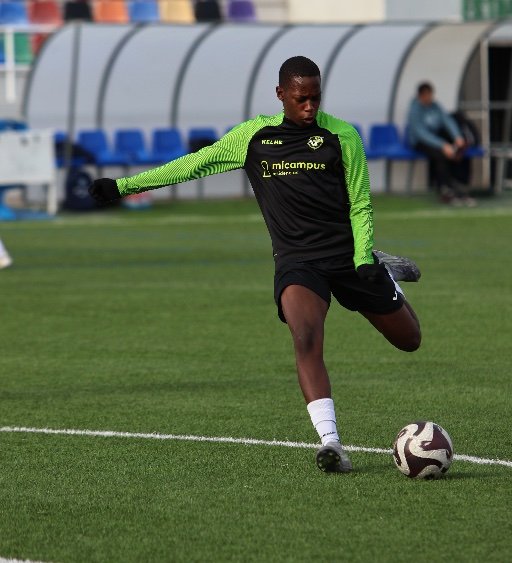
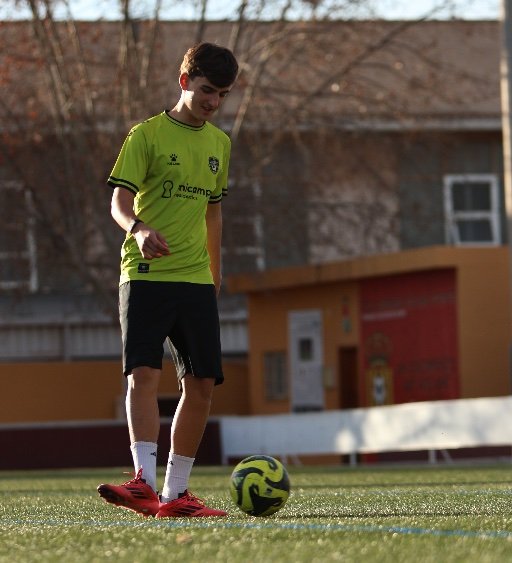
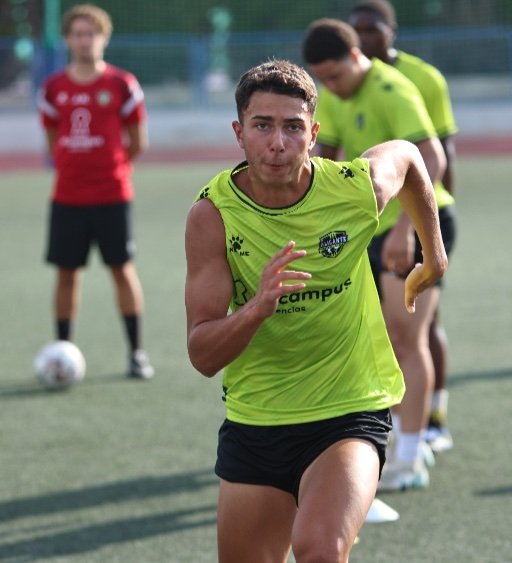
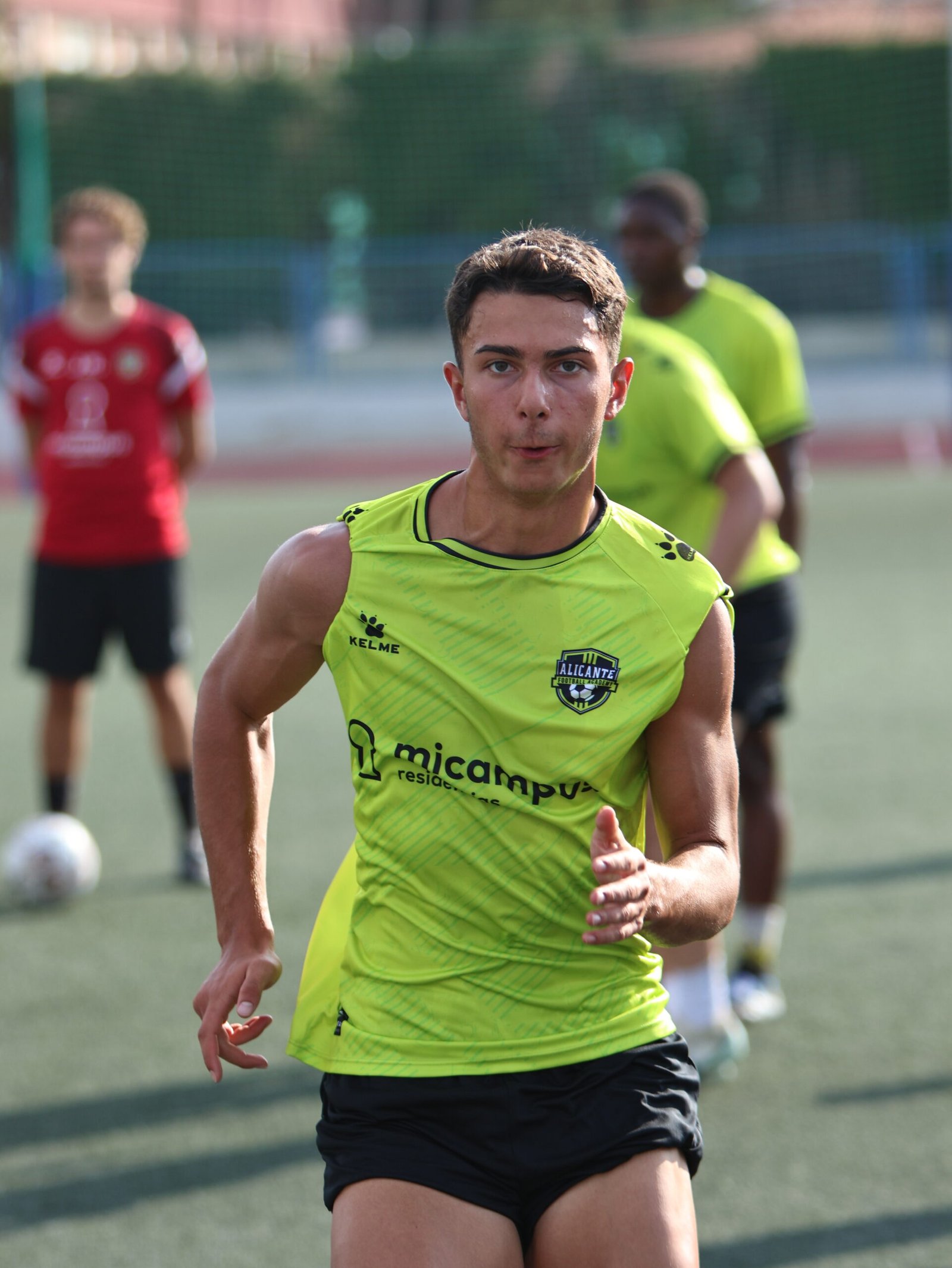
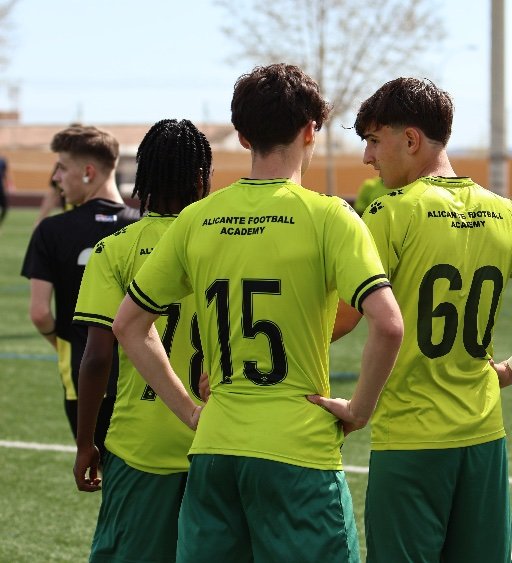
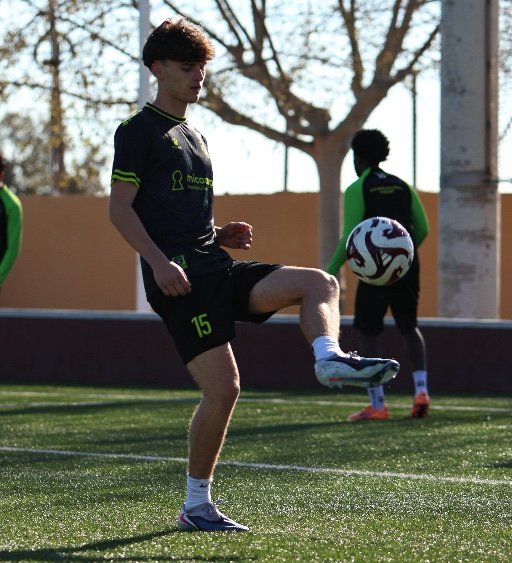
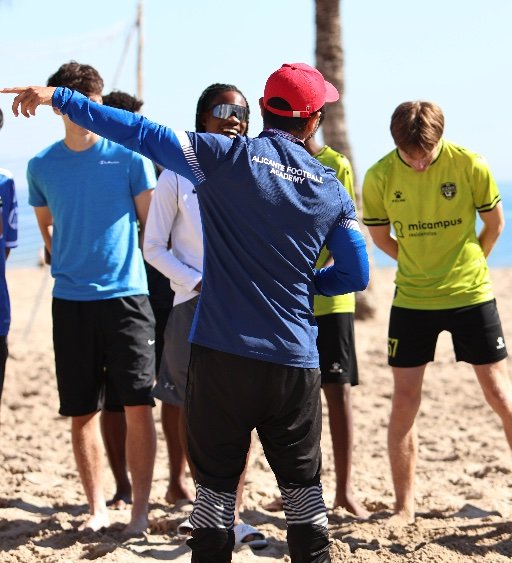
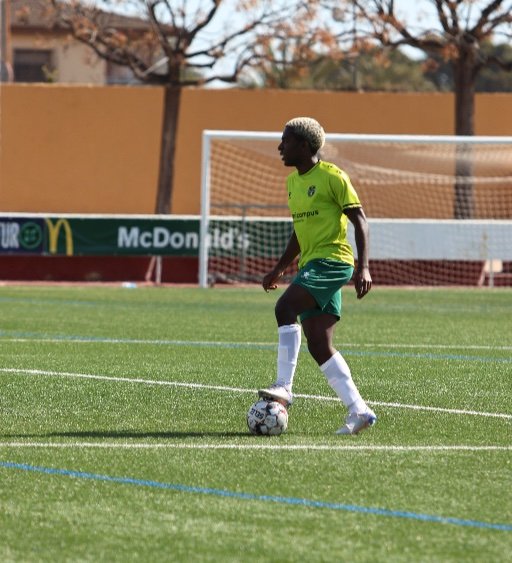
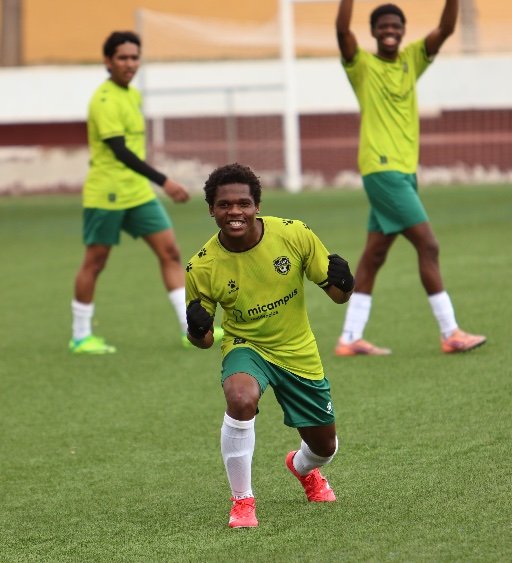
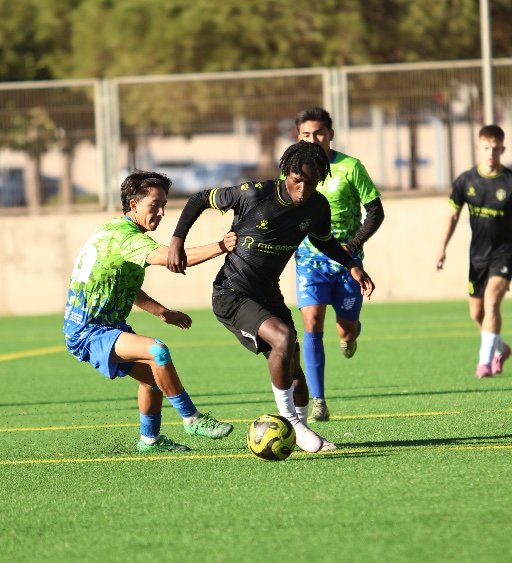
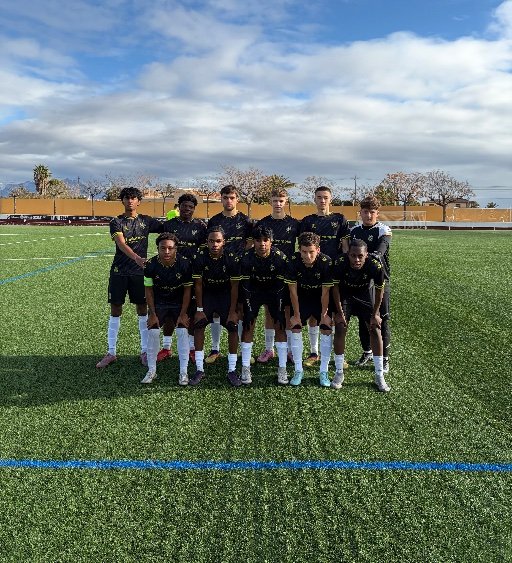
At Alicante Football Academy, we know that having the right training setup is important because equipment helps players develop. We provide top-quality pitches, a modern gym, organised training tools, and UEFA Pro coaching to create a professional environment. Our facilities and coaching sessions are designed to help players improve their skills.
UEFA also says that training centres are valuable for clubs and national associations because they support long-term football development and offer top-level training environments.
What Should A Soccer Training Kit Include?
A basic soccer training kit should have a few key items. For one player, these are:
- Football
- Ball pump
- Cones or markers
- Training bib
- Water bottle
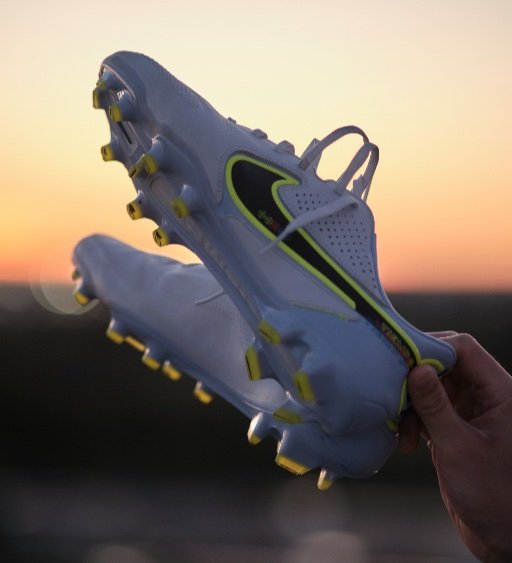
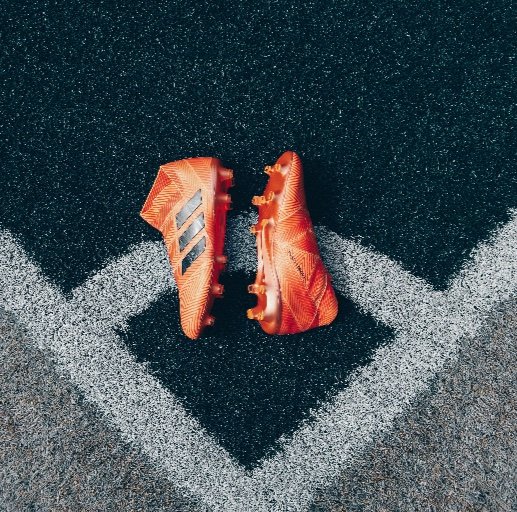
- Boots for the surface
- Shin pads
- Comfortable training clothing
- Small bag for storage
If you are putting together a kit for a team or coach, you will need more equipment. This could include marker cones, flat discs, agility ladders, hurdles, bib sets, tactical boards, whistles, bags, mini goals, and several balls.
Here is a simple way to think about it:
| Training need | Useful equipment | What it helps with | Academy note |
|---|---|---|---|
| First touch and passing | Ball, wall, rebounder, cones | Repetition, control, receiving angles | We often use simple passing gates before adding pressure |
| Speed and agility | Cones, ladders, hurdles, slalom poles | Footwork, balance, acceleration | Equipment should guide movement, not replace sprint mechanics |
| Shooting | Goals, target nets, mannequins | Accuracy, finishing, set pieces | Targets help players stop shooting randomly |
| Team sessions | Bibs, balls, cones, boards, bags | Organisation and communication | Sessions move faster when equipment is ready before players arrive |
| Fitness and warm-up | Bands, hurdles, mats, resistance tools | Mobility, strength, activation | Fitness work should still look like football movement |
Which Speed, Agility, Cone, Ladder, And Marker Tools Are Most Useful?
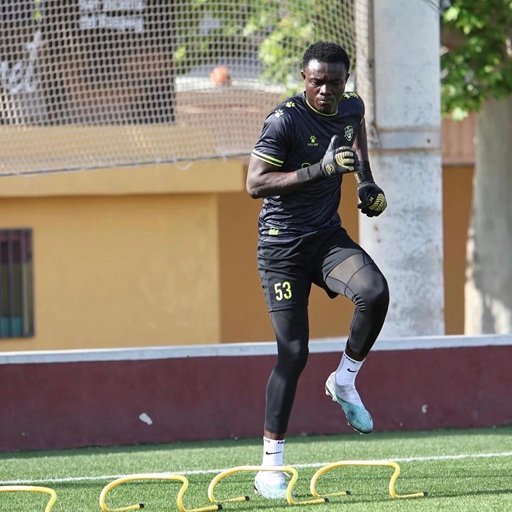
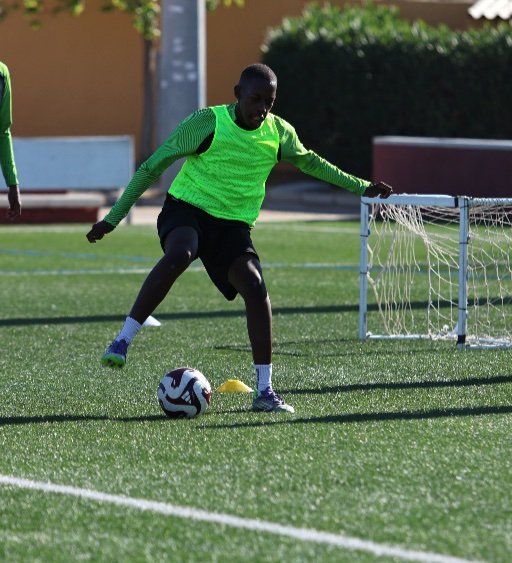
Speed and agility equipment is a favorite in football practice because it is easy to set up, budget-friendly, and fits into nearly any session. Players use this gear to work on footwork, acceleration, balance, coordination, quick turns, and to warm up before harder drills.
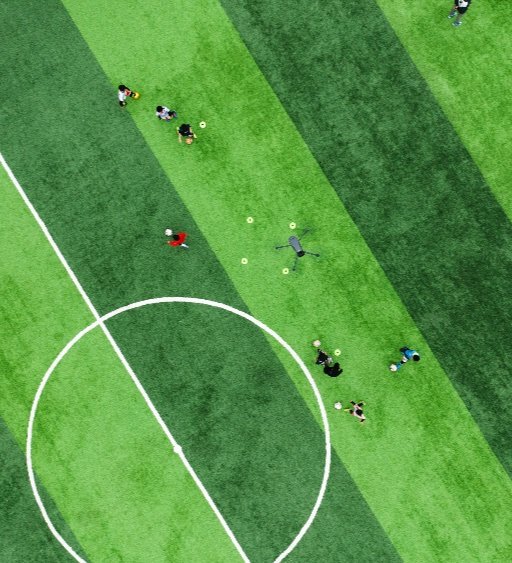
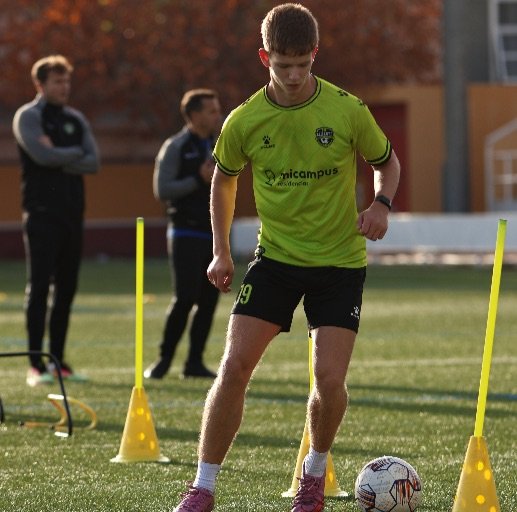
Common speed and agility tools include agility ladders, hurdles, cones, markers, discs, spots, rings, and slalom poles. Coaches use them to mark out spaces, set movement patterns, and guide players through various drills.
At Alicante Football Academy, we use this equipment in different ways. Agility ladders help players with rhythm, foot coordination, and warming up. Cones and markers are useful for acceleration drills, dribbling gates, passing angles, small-sided games, pressing zones, and tactical exercises. Slalom poles, rings, and hurdles help players build body control, balance, explosive movement, and quick changes of direction.
Some believe that using an agility ladder will instantly make a player faster, but that is not true. Real speed comes from proper sprint technique, strength, power, decision-making, and plenty of practice in real football situations. A 2020 study on youth soccer players showed that agility ladder training did not clearly improve fitness or dribbling, so ladders should be used as a helpful tool, not as a complete speed program.
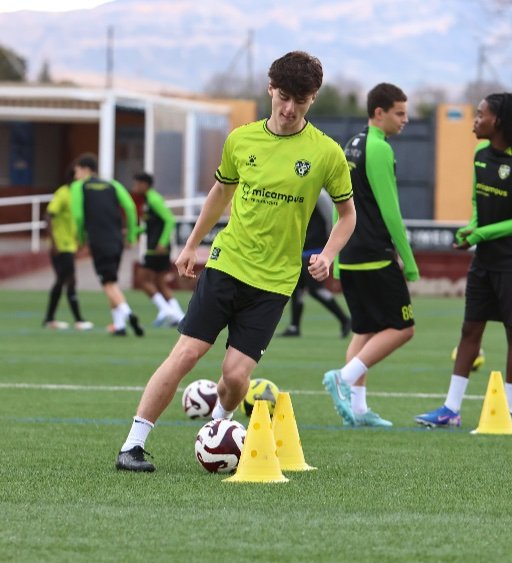
For players, coaches, and teams, cones and markers are among the most valuable pieces of football equipment. With a single set of cones, a coach can organize warm-ups, rondos, finishing drills, pressing exercises, agility work, and tactical zones for a complete team session.
READY TO TRAIN WITH A PROFESSIONAL SETUP?
A good ball and a few cones can help at home, but serious development needs structure, coaching and proper feedback. At Alicante Football Academy, players train in a professional environment with organised sessions, gym work and match preparation.
Apply to join
What Balls, Match Footballs, And Training Balls Should You Choose?
Every training session starts with footballs. When there aren’t enough, practice slows down. Players end up waiting more, get fewer touches, and lose their rhythm. That’s why footballs are so important for players, coaches, schools, clubs, and academies.
Training balls are built to last and can handle frequent use. They’re ideal for daily practice, like passing drills, finishing, rondos, possession games, and technical work. Match balls are higher quality and feel more like official game balls, making them better for match preparation and realistic practice.
Buying footballs in bulk helps schools, clubs, and academies keep enough balls ready for regular sessions. Packs with different sizes matter too, since younger players need the right ball size for their age. Size 3, 4, and 5 footballs each feel different, so picking the right one for each age group is important.
When choosing training or match footballs, keep these factors in mind:
- Quality
- Size
- Weight
- Durability
- Grip and surface texture
- Air retention
- Age suitability
- Surface use
- Budget
IFAB’s Laws of the Game describe official ball qualities for senior football, including that the ball must be spherical, made of suitable material, and within official circumference, weight and pressure ranges.
FIFA’s Quality Programme also explains that tested footballs can receive FIFA quality marks after checks on things like weight, circumference, roundness, bounce, water absorption, pressure loss and shape retention.
Many people look for training and match footballs, Precision Training Footballs, soccer ball training equipment, and training football packs because they want practical choices. Our advice is simple: if you train often, start with durable training balls. As your skills grow or you prepare for real matches, add a higher-quality match ball.
Which Size Football Is Right For Training?
Size 3 footballs are mainly for younger children, especially those under 8. They are lighter, smaller, and easier for kids to handle.
Older youth players, usually between under-9 and under-14, use size 4 footballs. They are starting to play on bigger fields but still need a ball that matches their age and strength.
Size 5 footballs are the standard for adults and are also used by the oldest youth players.
Smaller footballs help younger players practice skills like touch, passing, dribbling, and shooting with better control and confidence. If the ball is too big or heavy, kids might struggle to move it and could pick up bad habits as they try to kick harder.
For clubs, schools, and academies, buying footballs in bulk makes sense because group sessions need enough balls for everyone. Training packs with different sizes help coaches run sessions for different ages and keep players active instead of waiting for a turn.
Who are you choosing football training equipment for?
What is the main goal of the training setup?
Solution:
Start with a quality football, a pump, cones or markers, and a rebounder or rebound board. This setup gives the player repeated passing, receiving, turning, weaker-foot work, and first-touch practice without needing a partner
Solution:
Add mini goals, target nets, cones, and simple speed tools like hurdles or markers. Use them for finishing targets, dribbling gates, acceleration runs, and football-specific changes of direction instead of random fitness drills.
What training setup do you have access to most often?
Solution:
Build a team kit with several footballs, marker cones, flat discs, bibs, rebounders, and passing gates. This helps coaches keep players active, reduce waiting time, organise rondos and possession drills, and create more technical repetition for the whole group.
Solution:
Choose portable goals, full-size goals where possible, target nets, mannequins, bib sets, hurdles, slalom poles, and a coaching board. This setup is best for finishing drills, set pieces, team shape, crossing, pressing zones, and match preparation.
How Do Goals, Mini Goals, Pop-Up Goals, And Target Nets Improve Shooting?
Adding goals and targets to shooting practice makes it feel more like an actual game. Players get clear feedback, like seeing if they score, miss, hit the target, or choose the wrong finish.
Mini goals and pop-up goals are great for small-sided games, passing drills, and finishing in tight spaces. Full-size goals are best for realistic shooting, goalkeeper training, and working on tactical finishes.
Target nets, top bins targets, and target trainers help players improve their accuracy. Instead of only focusing on power, players should try to hit a specific spot.
When picking the right goal, consider these factors:
- Age group
- Training space
- Grass, turf or indoor surface
- Portability
- Storage
- Safety
- Number of players
During our sessions, we use smaller goals when we want players to make quicker passing decisions. Large goals can make scoring too easy, since almost any shot could go in. Smaller targets help players focus on body shape, timing, and placement.
COMPARE ACADEMY PROGRAMMES BEFORE YOU DECIDE
If you are thinking beyond home training equipment, it helps to know what a full academy programme includes. You can compare our one-month, four-month, six-month and full-season options before choosing the right step.
View pricing and programme options
Are Rebounders Worth It For Passing, First Touch, And Solo Practice?
Rebounders are worth buying if you plan to use them regularly. They are one of the best tools for solo football practice because they return the ball, so you can repeat drills without a partner.
A football rebounder, rebound board, rebound net, or interactive rebound system helps players work on passing, first touch, receiving the ball across the body, volleys, chest passes, chest control, reaction drills, turning after receiving, and using their weaker foot.
The biggest advantage is repetition. When you train alone with only a ball, you might run out of things to do. A rebounder gives your session more structure and lets you keep passing, receiving, adjusting your body, and reacting to the ball again and again.
Rebounders are useful for both beginners and advanced players. Beginners can build confidence, improve basic passing, and develop a better first touch. Advanced players can work on faster reactions, one-touch passing, volleys, angled receiving, and tougher technical drills.
If you train at home, a simple rebound board or net can make your solo practice much more effective. Academies and coaches can also use rebounders for technical drills, warm-ups, and finishing exercises.
What Can You Practice With A Football Rebounder?
You can practice passing, receiving, turning, volleys, first touch, and reaction drills.
The angle of the rebounder affects how the ball returns. A flat rebound board sends the ball back firmly, which helps with passing and first touch practice. A rebound net usually returns the ball higher, so it works well for volleys, chest control, or reaction drills.
Some popular products are the Ziland Portable Football Rebound Board, Precision Pro Double Sided Football Rebounder, and Ziland Elite One Football Rebound Net.
When you train at home, a rebounder is most effective if you set a clear goal. For example:
- 50 one-touch passes with your right foot
- 50 one-touch passes with your left foot
- 20 receives across your body
- 20 first-touch turns
- 10 volleys with clean contact
This method works much better than simply kicking the ball around for 20 minutes without a plan.
Which Equipment Helps With Skills, Passing, Kicking, And Technical Training?
Technical training tools help players improve ball mastery, touch, passing, kicking, and control by letting them practice these skills repeatedly. Some common football training equipment are cones, rebounders, passing gates, target nets, mannequins, mini goals, and markers.
Passing equipment helps players work on their first touch, passing reactions, receiving angles, timing, and accuracy. Kicking equipment such as goals, target nets, mannequins, and rebounders lets players practice finishing, set pieces, curved shots, driven passes, and crossing.
Beginners just need basic tools like a ball, cones, a wall or rebounder, and a small target to build confidence and technique. Professionals usually use mannequins, rebound systems, GPS tools, full-size goals, target sheets, gym equipment, and video analysis.
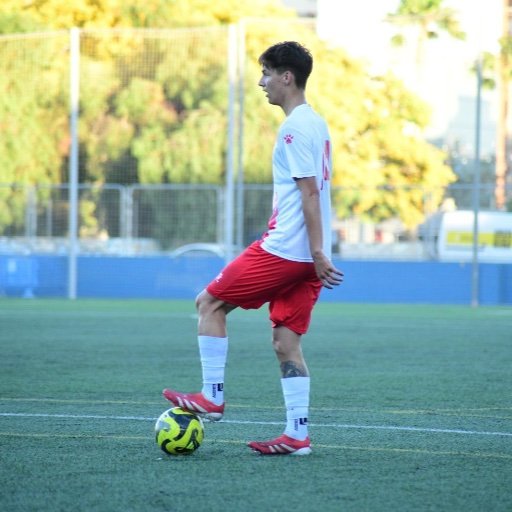
At Alicante Football Academy, we use equipment to help players repeat skills, feel pressure, and get feedback. We do not just want our sessions to look professional. A drill only works when the player knows why the equipment is used.
What Is Useful For Goalkeepers And Young Players?
Goalkeepers perform best when they use equipment designed for their needs, such as gloves, footballs, rebounders, reaction markers, and basic handling targets. Gloves help them grip the ball and feel more confident. Rebounders and reaction markers are useful for practicing handling, footwork, diving, and quick saves.
Young players need gear that matches their age. If a child uses a ball that is too heavy, goals that are too big, or drills that are too difficult, they can lose confidence and develop bad habits. The best soccer equipment for kids should be simple, lightweight, safe, and enjoyable.
Here are some useful training tools for young football players:
- Size-appropriate footballs
- Light markers
- Small goals
- Fun targets
- Simple rebounders
- Reaction markers
- Skill trainer sets
Many people search for products such as ChildrensFootball.com Goalkeeper Gloves, Skills Trainer & Football Gift Set, or sets of youth football training equipment.
As players get older and stronger, their equipment should become more realistic and challenging. Adult football training gear usually includes Size 5 balls, stronger rebounders, full-size goals, sturdier cones, goalkeeper gloves with better grip, and more advanced fitness or reaction tools.
The most important thing is to choose equipment that fits the player’s age and skill level. Young players need tools that help them build confidence, control, and basic skills. Older or more advanced players need gear that prepares them for real match speed and pressure.
What Fitness, Workout, Strength, Conditioning, Resistance, And Warm-Up Tools Matter?
Football fitness equipment should help players train in ways that match how they move during a game. To play well, they need speed, stamina, strength, power, mobility, and good recovery habits.
Here are some useful pieces of equipment for football workouts:
- Resistance bands
- Mini hurdles
- Agility poles
- Speed parachutes
- Sandbags
- Mats
- Foam rollers
- Cones for conditioning runs
- Warm-up markers
The aim is not just to wear players out. Effective conditioning drills should connect to real football actions like pressing, recovering, sprinting, turning, jumping, shielding, or changing direction.
FIFA points out that football has become more demanding, making injury prevention important for players’ health, performance, and long careers. FIFA also recommends the FIFA 11+ injury prevention program for players aged 14 and up.
A systematic review on PubMed found that the FIFA 11+ warm-up program reduced injury risk in soccer players by 30%. This does not mean one piece of equipment can prevent injuries. Instead, it shows that structured warm-ups, strength, balance, and movement preparation matter.
What Coaching Equipment Do Football And Soccer Coaches Need?
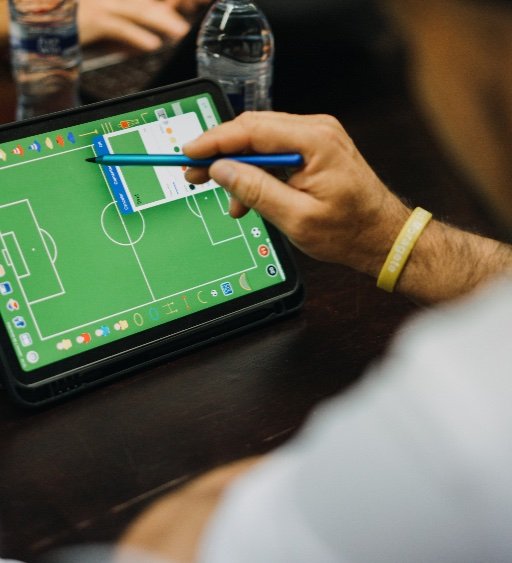
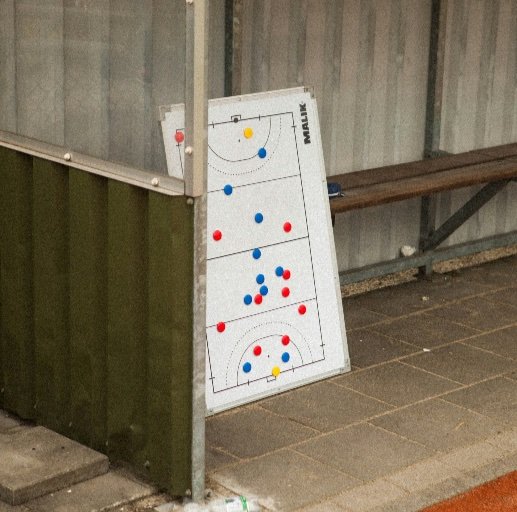
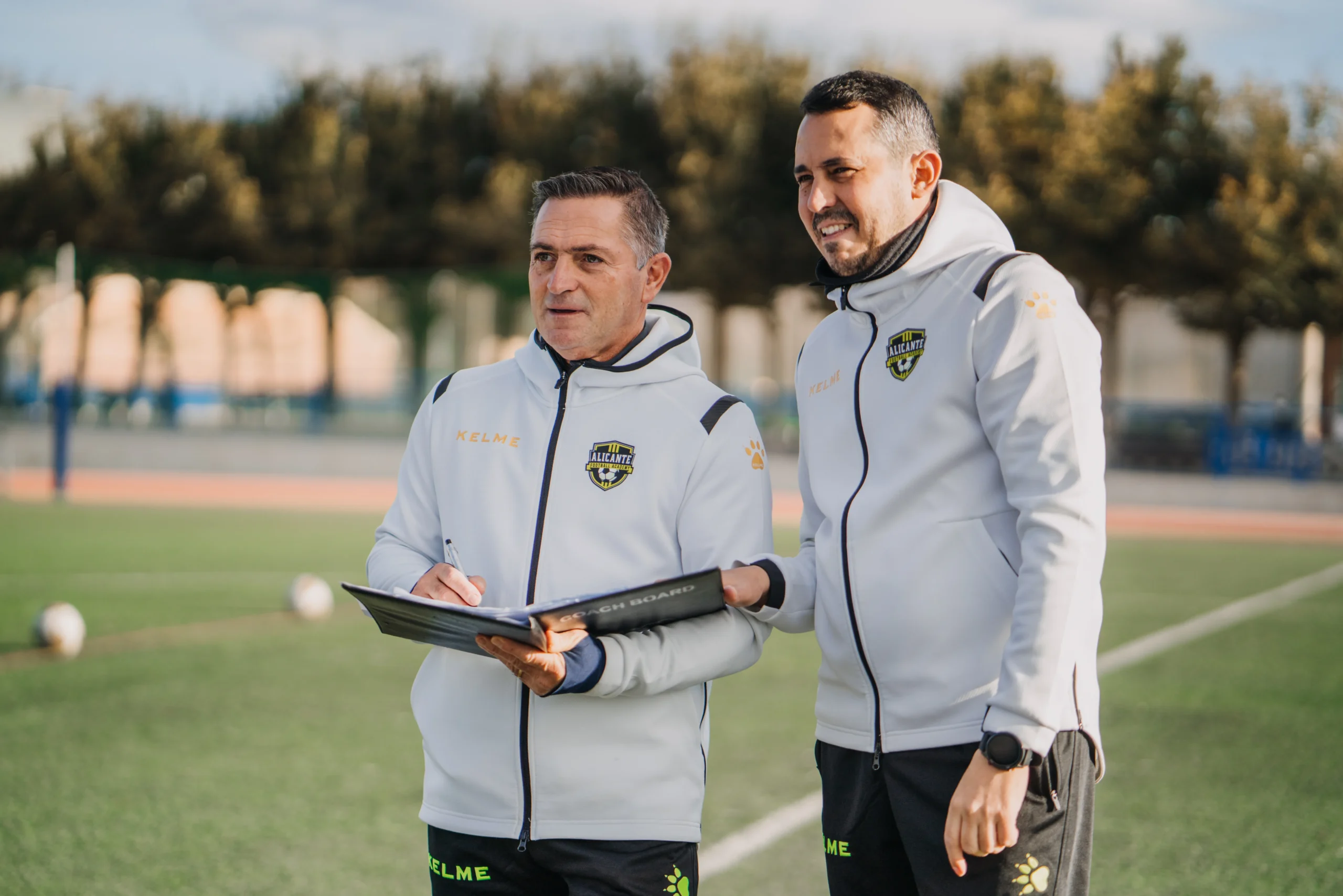
Football coaches need more than training gear for their players. A good coaching kit helps them organise sessions, explain tactics, communicate clearly, manage drills, handle substitutions, and prepare the team for matches.
Football coaching equipment and accessories include cones, flat markers, bibs, whistles, coaching boards, stopwatches, ball pumps, equipment bags, portable goals, tactical aids, and session plans. Many coaches pick coaching bundles because they provide the basic tools needed for regular team sessions.
Soccer coaching equipment does more than set up drills. It helps coaches create rondos, pressing zones, team-shape exercises, warm-ups, small-sided games, and match preparation activities.
The best coaches prepare before the players arrive. When cones, bibs, balls, boards, and bags are ready, the session starts with energy and structure. If the coach spends the first 10 minutes looking for equipment, players lose focus.
BUILD A BETTER SOLO TRAINING ROUTINE
Equipment only works when you know how to use it. If you train alone, start with simple drills that improve touch, passing, movement and fitness without needing a full pitch or a full team.
Read the solo training guide
Which Bibs, Clothing, Bags, Armbands, And Player Accessories Are Useful?
Accessories help keep training organised and support team spirit, comfort, storage, and preparation for matchday.
Here are some useful football training accessories:
- Football clothing
- Training bibs
- Bags and boot bags
- Captain armbands
- Ball pumps
- Water bottles
- Player gift sets
For individual players, things like clothing, bottles, boot bags, and gift sets help make training more comfortable and organised. For teams, bibs, bags, pumps, and captain armbands help coaches prepare for sessions and matchdays.
Coaches use accessories to separate teams, manage substitutions, and organise group drills. Bibs are especially useful because they let coaches split players by team, position, pressing group, or tactical role. This makes sessions clearer and easier to run.
What Mannequins And Free-Kick Tools Help With Set Pieces?
Clubs, academies, and advanced teams often use football and free-kick mannequins to make training drills feel more realistic.
You can use them for:
- Free kicks
- Curved shots
- Shooting practice
- Passing lanes
- Crossing drills
- Dribbling patterns
- Tactical patterns
- Defensive shape
- Attacking movement
- Set-piece routines
Mannequins help players imagine real opponents. Cones show where space is, but mannequins add height and shape. This makes training more realistic, whether you are practicing shots over a wall, passing through gaps, crossing around defenders, or moving into attacking spaces.
For teams and academies, mannequins are especially useful. Coaches can set up realistic set pieces, passing drills, shooting exercises, and attacking moves without always needing extra defenders.
MAKE YOUR SPEED WORK MORE FOOTBALL-SPECIFIC
Ladders, cones and hurdles are useful, but they should connect to real football actions. This guide explains how players can train acceleration, agility and direction changes in a more practical way.
See speed and agility drills
How Do Free-Kick Mannequins Improve Shooting Practice?
Free-kick mannequins work like a defensive wall. They help players practice shot height, curve, placement, and power during free kicks and set pieces.
Some popular choices are the Ziland Football Free Kick Mannequin 6ft and the Ziland Inflatable Football Mannequin.
For the best results, use mannequins together with:
- Full-size goals
- Target nets
- Match footballs
- A goalkeeper when possible
- A clear scoring system
For example, have the player take 10 free kicks. Give two points for hitting the chosen corner, one point for forcing a save, and zero points for missing the target. This keeps the drill fair and helps players see their progress.
Free-kick mannequins are great for coaches, academies, and players who want to get better at set-piece training. They make shooting practice feel more realistic and consistent.