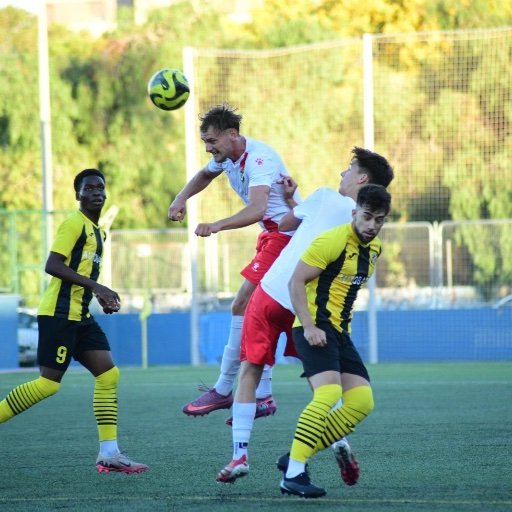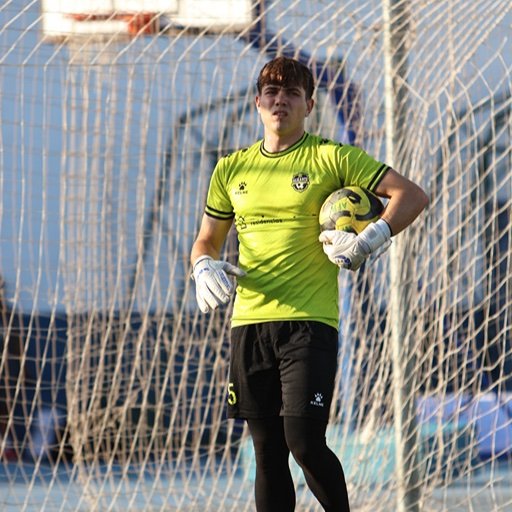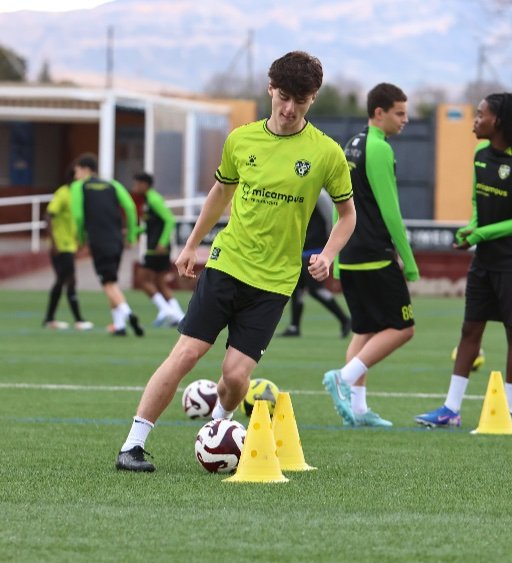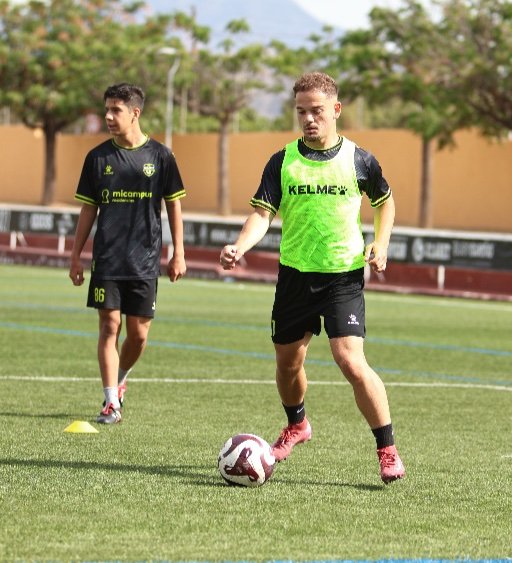


Key Takeaways
- A football academy is where young players receive organized training to build their technical, tactical, physical, and mental abilities.
-
- Training at a football academy is often more demanding than at a regular club. Players practice more frequently and receive more personal feedback.
-
- The best academies focus on helping players develop, not just on winning matches.
-
- Quality coaching matters more than impressive marketing. Families should check the coaches’ qualifications, experience, and the academy’s training methods.
-
- Residential academies need to offer training, education, meals, rest, supervision, and proper care for their players.
Table of Contents
What Is A Football Academy?
A football academy is a special place where young players train to improve their skills and reach higher levels in the sport.
A good academy offers more than just matches. It helps players develop in many important ways:
- Technical skills, such as first touch, passing, dribbling, and finishing
- Tactical understanding, which covers positioning, pressing, movement, and making decisions during games
- Physical preparation, such as building speed, strength, endurance, and learning how to recover properly
- Mental habits, including discipline, confidence, focus, and resilience
If someone asks, “What is a football academy?” here’s a straightforward answer:
A football academy is a place where talented or motivated players train in a more organized and focused way than in regular youth football. The aim is to help them get better and create new opportunities.
Every player has different goals. Some want to become professionals, others hope to play college soccer, and some aim to join stronger clubs, leagues, or national teams. That’s why academies help players get ready for professional, college, or top-level football.
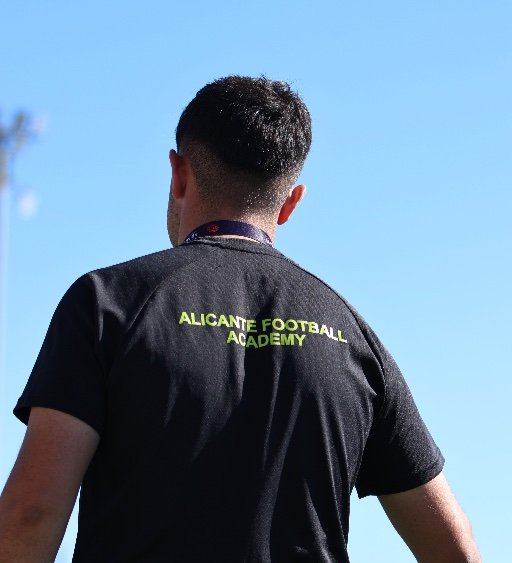
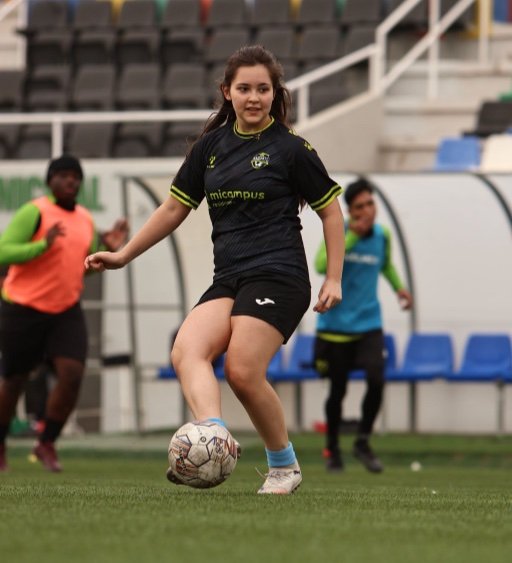
At Alicante Football Academy, we welcome players from many countries. One player might need to improve tactical discipline, another might need to get faster and fitter, and someone else may have good technique but needs to learn how Spanish clubs expect players to move off the ball. A real academy sees these differences and supports each player in the way they need.
What Do Football Academies Offer Young Players?
Football academies usually offer organized training, matches, and support to help each player grow.
These programs often include:
- Technical training sessions
- Tactical education
- Strength and conditioning
- Competitive matches
- Video analysis
- Fitness testing
- Scouting exposure
- Tournament opportunities
- Mentorship and personal feedback
What an academy provides depends on its type. Professional club academies often focus on developing players for their own first team. Private or independent academies usually help players improve, find trial opportunities, or get ready for college or professional careers. Residential academies may also offer accommodation, meals, transport, and a full daily routine. Some academies combine training with club football, school, online classes, or outside competitions.
At Alicante Football Academy, players train with UEFA Pro licensed coaches, live with other international players, and follow a full academy schedule. The routine includes training sessions, meals, accommodation, gym workouts, and trial opportunities for those who meet the required level.
Great academy programs also help players develop good habits. Players learn to be on time, recover properly, talk with coaches, handle feedback, make smart choices, work as a team, and keep training even when they are tired. These skills matter because football is about more than just talent. A strong academy also helps players grow more confident, disciplined, and mature.
How Is A Football Academy Different From High School, Club, And ODP Football?
High school football, club football, academy football, and ODP each have their own benefits for players, but they are not the same.
The main thing that sets them apart is their purpose.
High school football is mostly about representing your school and playing during the season. Club football gives players regular games and helps them gain team experience. ODP is about finding and developing talented players. According to US Youth Soccer, ODP is a program that looks for high-potential players, helps them improve, and gives them a chance to move up to the next level.
Academy football usually puts more emphasis on developing players over the long term.
| Pathway | Main Purpose | Best For | What Families Should Check |
|---|---|---|---|
| High School Football | Representing the school and competing in a season | Players who want school spirit, local competition and social benefits | Season length, coaching quality and whether it conflicts with elite training |
| Club Football | Regular team training and competitive matches | Players building match experience and consistency | League level, coaching, playing time and development plan |
| ODP | Player identification and pathway exposure | Players looking for extra recognition or regional/national opportunities | Selection process, schedule and how it fits with club training |
| Football Academy | Structured technical, tactical, physical and mental development | Players who want a more serious environment and clearer progression | Coaching licences, training plan, facilities, education, care and pathway honesty |
Many players mix different options. For example, one might play high school soccer, train with a club, and go to an academy camp. Others might pick a residential academy if they want football to be part of their everyday routine.
The right path for you depends on your age, skill level, location, budget, and what you want to achieve.
READY FOR A FULL FOOTBALL ACADEMY ENVIRONMENT?
If you want structured training, accommodation, meals and honest feedback built into your routine, the next step is an application. We’ll review your player profile and explain the process clearly.
Apply to join
How Does High School Football Compare To Academy Soccer?
High school football happens during a specific season and is connected to the school. Players represent their school, compete during that period, and often play in an environment full of school pride, friendships, and community support.
High school football has many benefits. Players make friends, feel school spirit, and play games in front of a crowd. They also learn to handle pressure as part of a team.
Academy football is different because it focuses on developing players over the long term. Players usually train more, travel more, watch more video, get more personal feedback, and follow a clearer plan for improvement.
Academies can also give players more chances to grow at a high level. This could include better coaching, harder training, chances to be noticed by scouts, tryouts, tournaments, or meeting club staff, depending on the academy.
This is why some academy programs can conflict with playing for a high school team. Players might not have enough time to do both, especially if the academy has a long season, a busy schedule, lots of travel, or rules that limit playing elsewhere.
The most important thing is not to pick one option as always better. Instead, ask: “Which environment is helping this player improve the most right now?”
What Types Of Football Academies Are There?
There are several types of football academies, so families should understand how each one works before deciding.
These are the main types:
- Professional club academies are linked to a professional football club.
- Independent academies focus on training, development, and providing outside opportunities.
- Residential academies allow players to live, train, and study in one location.
- Regional or hybrid academies mix club football with extra training sessions.
- Non-affiliated academies provide coaching but are not linked to any professional club.
Each type has its own benefits, but they are not the same. They can vary in coaching quality, competition, cost, exposure, and the opportunities they offer players.
A professional club academy usually offers the most direct route into that club’s youth or senior teams. Independent academies can give players more flexibility and chances to connect with different clubs. Residential academies suit players who want a focused environment without distractions. Regional or hybrid academies work well for those who want extra training while still playing for their local club.
At Alicante Football Academy, we are an international residential academy. We help players improve their skills in Spain, train with UEFA-qualified coaches, and connect with Spanish clubs when they are ready.
The best academy is not always the most famous. It is the one that matches the player’s level, age, goals, budget, location, and personality.
What type of football academy support does the player need most right now?
What is the player’s main priority inside the academy environment?
Solution:
Choose a full academy programme where the player trains regularly, receives honest feedback, and follows a clear technical, tactical, physical, and mental development plan. This is best for players who need more than matches and want a serious routine to improve their level.
Solution:
Choose a residential football academy that clearly explains accommodation, meals, supervision, safety rules, study areas, recovery routines, and parent communication. This is best for families who want football development but also need confidence that daily life is organized and safe.
What is the player’s main priority inside the academy environment?
Solution:
Start by comparing academy programmes, coaching quality, training frequency, facilities, and player feedback systems before committing. This is best for players who are motivated but still need to understand which environment will help them improve most.
Solution:
Review the academy’s residential setup, programme fees, included services, accommodation details, and daily schedule before applying. This is best for families who want to understand the full cost, care structure, and practical living conditions before deciding.
How Intensive Is Football Academy Training?
Training at a football academy is usually more demanding than training at a regular club.
Most youth clubs hold training two or three times a week. Academies, on the other hand, may train several times a week or even every day, depending on the program. Many academies have long seasons or run all year. Some of the best academies have 10-month seasons where players train, compete, recover, and live in a full football environment.
Academy training can include:
- Technical drills, such as passing, first touch, dribbling and finishing
- Tactical sessions, such as pressing, positioning, transitions and decision-making
- Strength and conditioning
- Match preparation
- Competitive games
- Recovery work
- Video analysis
- Individual feedback
For example, the former U.S. Soccer Development Academy required clubs to train at least four days a week during the season. They also used professional coaches and tools like video analysis and performance testing.
This level of intensity can help players improve more quickly, but only if it is managed well.
Players need:
- Proper warm-ups
- Recovery time
- Sleep
- Nutrition
- Monitoring
- Injury prevention
- Age-appropriate workload
- Proper coaching and player care
Training more does not always mean better results. The real goal is to train smarter.
A systematic review on elite youth soccer players says that finding the right balance between training, matches, and recovery is one of the biggest challenges for coaches and staff. It also notes that young players can react differently than adults to training load, fatigue, and stress.
This matches what we see in academy life. Some players want to do extra sessions every day. But if their bodies are tired, their touch gets worse, their decisions slow down, and they are more likely to get injured. A good academy should teach players both how to push themselves and how to recover.
COMPARE PROGRAMMES BEFORE YOU COMMIT
Academy football is a serious decision, especially if you are moving abroad. Check the programme lengths, fees and what is included so you can choose the option that fits your situation.
View academy pricing
What Do Intensive Training Programs Include?
Intensive football academy programs usually include several training sessions each week, weekend matches, gym workouts, tournaments, and regular performance reviews.
Advanced programs may also offer:
- Video analysis
- GPS tracking
- Fitness testing
- Individual development plans
- Sports science support
- Position-specific coaching
- Mental performance work
Some academies provide residential boarding or full-time training. In these programs, the daily routine focuses on football. Players may train in the morning, recover, study, eat healthy meals, do gym work or analysis, and then prepare for another session or match.
At Alicante Football Academy, players have a daily routine with football training, gym sessions, meals, and residential support. This helps create a professional environment, but it also requires players to be disciplined.
An academy should not be intense just for the sake of it. The goal is to help players get better, not exhaust them. A good program balances training, rest, academics, and injury prevention so players can develop safely over time.
What Coaching Quality Should A Good Soccer Academy Have?
The quality of coaching is one of the best ways to tell if a football academy is serious.
Good coaches do more than just run drills. They help players understand football by explaining why certain movements matter, when to release the ball, how to look around before receiving, how to defend space, and how to react after losing possession.
Families should look for coaches who have the right licenses and real experience in developing players. Many top academies hire coaches with UEFA A, UEFA Pro, federation licenses, or strong backgrounds in youth development. These qualifications are important because academy football is not just about hard training. It is about teaching players the right way.
A good coach should help players improve in several key areas:
- Technique
- Tactical understanding
- Decision-making
- Discipline
- Confidence
- Match habits
- Mentality
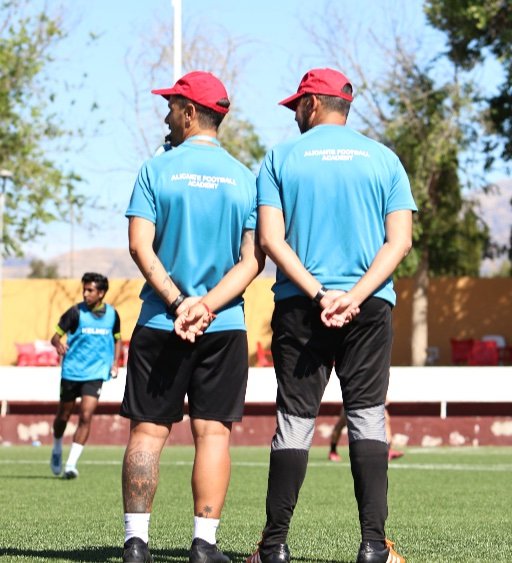
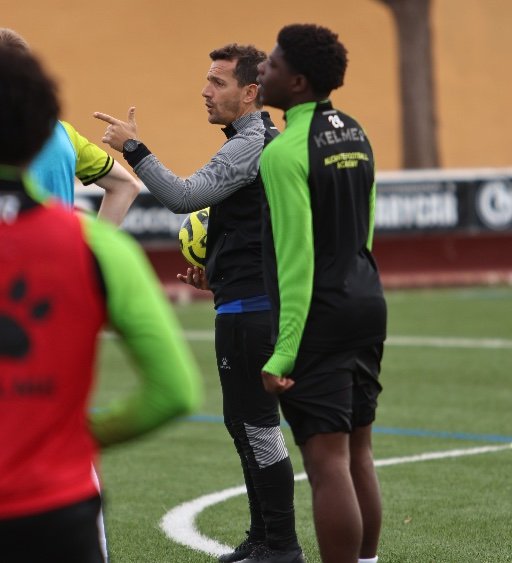
At Alicante Football Academy, our UEFA-certified coaches use their experience to help every player in practical ways. Training sessions are carefully planned, focusing on the specific skills players need to develop, such as first touch, passing, tactical positioning, match rhythm, fitness, confidence, and discipline.
The academy’s reputation and coaching methods are more important than marketing or a good-looking website. Parents should ask who the coaches are, what licenses they hold, how training sessions are organized, and how players get feedback.
A coach’s playing background can help, but it is not everything. Just because someone played professionally does not mean they are a good coach. Parents should look for coaches who know how to teach, communicate well, correct mistakes, and understand how young players develop.

What Staff Qualifications Should Parents Look For?
Parents should look for staff who are qualified, have experience, and are committed to helping young players grow.
A strong academy may have:
- Technical directors
- UEFA or federation-licensed coaches
- Goalkeeper coaches
- Fitness coaches
- Analysts
- Medical or physiotherapy support
- Academic support staff
- Residential supervisors
Staff should know how to train kids at the right level for their age, prevent injuries, support their mental well-being, and help them improve over time. Young players need honest feedback, but they also need to feel confident. Coaches who only shout may get effort for a short time, but this approach does not help players get better in the long run.
Parents should not focus only on a coach’s playing background. A former professional player might be a good coach, but playing experience alone does not mean they know how to teach, guide, or support young players well.
Parents should ask:
- Who is coaching my child?
- What licenses do they have?
- How often will the player receive feedback?
- Who handles injuries and injury prevention?
- How is the player’s long-term development followed?
- Who supervises players outside training?
- How does the academy communicate with families?
A good academy will answer these questions clearly.
How Do Football Academies Focus On Player Development?
The best football academies aim to help each player develop, not just focus on winning matches.
Winning is important, but it is only one part of the journey. Sometimes a player wins without actually improving. Other times, a player might lose but still make progress in movement, decision-making, and confidence.
Real player development includes skills, tactics, fitness, mental strength, game sense, discipline, nutrition, recovery, learning, and personal growth. That is why a good academy gives players a clear path to get better. Players need to know what to work on, what level they want to reach, and which daily habits will help them achieve their goals.
This is where academy training becomes more focused. For example, a winger might need to improve in one-on-one situations. A midfielder could practice scanning the field before receiving the ball. A centre-back may need to work on body positioning when defending in open space.
At our academy, we pay attention to these details because every player needs coaching that suits them. Just training more is not enough. Players improve when they know what to change and practice it regularly.
A good academy offers more than football training. Personal growth, learning, nutrition, recovery, and discipline all matter because players are preparing for more than the next match. They are getting ready for the next level in football.
MAKE YOUR APPLICATION EASIER TO REVIEW
A good application gives coaches the right information from the start. This guide explains what details, videos and player history can help an academy understand your level.
Read the application guide
How Do Development Pathways Help Players Improve?
Development pathways help players understand how to progress from where they are now to the next stage.
A pathway might include moving up to older age groups, joining elite squads, trying out for clubs, playing in showcase matches or events, getting recruited by colleges, being noticed by professional scouts, and having regular evaluations.
But a pathway is only helpful if it is honest and realistic.
Regular evaluations help players see what they do well, where they can improve, and what to work on next. Players should understand their strengths, what could be holding them back, and the level they want to reach.
Not every player will sign a professional contract, and some are not ready for trials right away. A good academy is honest with its players. Sometimes, the next step is not a contract but improving fitness, learning a new position, or becoming more consistent in games.
At Alicante Football Academy, when a player reaches the right level, we help connect him with trial opportunities at Spanish clubs. The important thing is that the player must be ready to compete in that environment.
How Do Football Academies Support Academics And Education?
Many football academies support education because young players need to stay on track with their studies.
This matters more than some players realize. Even the most talented need a backup plan. Injuries, tough competition, visa problems, money, or performance can all affect a player’s future.
NCAA data shows that only about 5.9% of male and 7.9% of female high school soccer players go on to play at the NCAA level. This is why it’s important for even dedicated players to keep education in their plans.
Some academy players take online classes, while others attend a local school. Many academies also provide study rooms, tutoring, or flexible schedules to help with schoolwork.
At Alicante Football Academy, we offer study spaces in our residential program and encourage players to keep learning off the field as well. Football teaches discipline, but education gives players more options for their future.
What Educational And Personal Development Support Can Academies Provide?
Academies support players by providing study time, tutoring, mentoring, life-skills lessons, and help with personal development.
This support can include:
- Study rooms
- Online school support
- Tutoring
- Language learning
- Coaching courses
- Discipline
- Time management habits
- Communication skills
- Leadership development
- Responsibility
- Help adapting to a new country
This support matters even more in residential or full-time academies. When players live away from home, the academy is more than just a training center. It becomes part of their daily life.
A good academy looks after the whole person, not just the athlete. Football skills matter, but so do education, behavior, confidence, responsibility, and personal growth.
What Facilities, Accommodation, And Player Care Should A Soccer Academy Provide?
Good facilities help players train better, feel safer, and have a more positive daily experience.
The best academies provide quality pitches, a gym, recovery areas, changing rooms, classrooms or study spaces, video rooms, and medical care. Players who live on site should also have safe housing, healthy food, clear supervision, and strong security.
A good academy should be organized, safe, clean, and focused on helping players grow. Players need to know where to train, when to eat, where to rest, and who to talk to if they have a problem.
Caring for players also means making sure they are safe. FIFA’s Guardians programme says everyone in football should enjoy the game in a safe and supportive environment, especially children and young people.
The FA’s safeguarding course teaches how to create safe spaces, notice concerns, and respond correctly when working with young people in football.
A good academy takes these responsibilities seriously because facilities, accommodation, and player care all influence how well a player can train, recover, and grow.
SEE HOW RESIDENTIAL ACADEMY LIFE WORKS
Training is only one part of the experience. See how accommodation, meals, study spaces and recovery routines support players living inside the academy setup.
Explore the residence
What Should Families Check About Training Facilities?
Families are encouraged to visit and check out the training facilities before deciding.
When you visit, pay attention to:
- Pitch quality
- Equipment
- Changing areas
- Gym access
- Medical access
- Training space
- Recovery areas
- Indoor or alternative training options
- Distance between residence and training
Good facilities help players grow both technically and physically. Players need space to practice passing, finishing, movement, and skills for their position. They also need access to a gym, recovery areas, and safe training conditions to get their bodies ready.
Indoor or alternative facilities are useful during bad weather, off-season, or when the pitch is unavailable. This helps the academy keep the player’s training routine on track.
Great facilities are helpful, but they are not the only thing that matters. A nice pitch without good coaching will not help a player improve. Sometimes, a smaller place with excellent coaching and support is better.
The ideal setup combines good facilities with great coaching.
At Alicante Football Academy, we offer training pitches, a modern gym, and residential support, all designed to fit the player’s football routine.
What Should Families Know About Accommodation, Food, And Supervision?
Residential academies need to offer safe places to stay, healthy meals, and clear rules about supervision.
Families should ask:
- Where will the player sleep?
- Are rooms shared or individual?
- Who supervises the residence?
- What staff are present during the day and night?
- What meals are provided?
- Is there a gym or recovery space?
- What happens in an emergency?
- What safeguarding policies are in place?
- How does the academy communicate with parents?
- Are younger players supervised differently?
- What security measures are used in the residence?
Supervision and security matter most for younger players. Families should feel sure the academy always knows where players are, who is looking after them, and what to do if something goes wrong.
At Alicante Football Academy, players stay in a residence with their own rooms, study areas, TV rooms, a gym, a restaurant, and three meals each day. This setup helps players rest, recover, study, and live safely with other international students.
Good player care means looking after physical health, emotional well-being, enough rest, and a safe daily routine. A residential academy is not just about training. It should also create a well-organized place where players can live, recover, and grow.