
Key Takeaways
- In a 4-5-1 formation, a team lines up with four defenders, five midfielders, and one striker.
-
- This formation is effective because it covers the center of the field and keeps the team organized on defense.
-
- The lone striker has to be patient, strong, and smart because support from teammates may not come right away.
-
- When the team is in possession, the formation can become more attacking and often looks like a 4-3-3.
-
- This system is most effective when the five midfielders move together and understand how to position themselves.
-
- To break down a 4-5-1, opponents usually need to play wide, switch the ball quickly, create overloads, and move between the lines.
Table of Contents
4-5-1 Formation
The 4-5-1 formation in soccer uses four defenders, five midfielders, and one striker.
This setup includes two centre-backs, two full-backs, three central midfielders, two wide midfielders, and one forward.
You might also see it called the 451 formation, 4 5 1, 4-5-1, or 4-5-1 soccer formation. All these terms mean the same thing. These numbers show how the ten outfield players are arranged, not including the goalkeeper.
According to the Premier League’s tactical guide, the 4-5-1 has four defenders, five midfielders, three in the center, and two on the sides, and one center-forward up front. The guide also says the 4-5-1 is similar to a 4-3-3, but the wide players start deeper and create a more defined line of five in midfield.
This is why the 4-5-1 is often seen as compact, disciplined, and strong in defense.
However, the 4-5-1 is not just for defense. When the wide midfielders move up, it can quickly turn into a 4-3-3. This is why the same formation can seem cautious in one game and attacking in another.
How Do The Position Numbers Work In This Shape?
Position numbers are grouped by each line on the field.
The first number, 4, refers to the back line. This group includes two centre-backs in the middle of defense and two full-backs on the outside.
The second number, 5, stands for the midfield line. Usually, three players are in the center. One often stays back as a pivot, while the other two help with pressing, passing, and moving forward. The two wide midfielders start outside the central players. When the team does not have the ball, they help protect the full-backs. When the team has the ball, they move up to support the striker.
The last number, 1, is for the striker. This player is the main forward and usually starts high up the field, often between the other team’s center-backs.
Formation numbers usually refer to the ten outfield players. According to IFAB Law 3, each team can have up to eleven players, and one of them must be the goalkeeper.
This is important because a formation is only the starting setup. During a match, players are always moving. For example, a wide midfielder might play as a winger, a central midfielder can join the striker, and a full-back can move forward. The numbers show the basic shape, not every movement in the game.
What is your main reason for using a 4-5-1 formation?
What does your team need to improve most inside this shape?
Solution:
Focus on defensive compactness drills. Use shadow play, 8v6 defensive-block exercises, and wide-channel pressing so the back four and midfield five learn to slide together, protect central spaces, and force opponents away from dangerous areas.
Solution:
Train midfield-to-striker transition patterns. Work on the lone striker holding the ball, wide midfielders sprinting forward after recovery, and central midfielders arriving underneath the attack so the 4-5-1 does not become too defensive after winning possession.
What does your team need to improve most inside this shape?
Solution:
Use quick switches of play and wide overloads. Move the 4-5-1 block toward one side, then attack the opposite side before the midfield five can recover. Full-back, winger and midfielder rotations can help open passing lanes around the block.
Solution:
Attack the spaces left after the 4-5-1 tries to counter. Keep good rest defence, close the striker quickly, and stop the first forward pass so the opponent cannot use their lone striker as an outlet for fast transitions.
How Do You Play A 4-5-1?
If you want to play a 4-5-1, keep your team compact without the ball, focus on controlling the midfield, and look to attack quickly after winning possession.
Teams usually defend in three clear lines in this formation:
- the back four,
- the midfield five,
- and the lone striker.
One common mistake when learning this system is letting the five midfielders get too spread out. If one pushes forward while another drops back, opponents can easily pass through the middle.
In a well-organized 4-5-1, the midfielders move together as a group. If the ball goes to the right, everyone shifts right. If it goes back, the team moves up. When the opponent plays into midfield, the nearest player presses while the others block passing options.
The striker should also stick to the team’s plan. Sometimes they press the center-backs, sometimes they block passes to the opponent’s deepest midfielder, and sometimes they wait for a chance to counterattack. Because the striker is often alone, they need to be strong to hold the ball, patient while waiting for support, and smart about when to press, hold up play, run behind, or connect with the midfield.
There is more than one way to play the 4-5-1. Teams with quick wide players might use it for counterattacks, while teams with strong midfielders might focus on controlling the center. If a team wants to protect a lead, they might sit deeper and make it harder for the opponent. The 4-5-1 can change depending on your players and the match situation.
READY TO TRAIN IN A REAL TACTICAL ENVIRONMENT?
A formation only starts to make sense when you repeat it in sessions, games and feedback. If you want structured coaching in Spain, send your details and we’ll review your next step.
Apply to join
Why Is This Shape So Effective Defensively?
The 4-5-1 formation is effective in defense because it gives the back four extra support.
Having five midfielders helps protect the defense by reducing the space in front of the center-backs and full-backs. This makes it tougher for opponents to pass through the middle. When the defense and midfield stay close, attacking midfielders have less room to receive the ball between the lines.
FIFA’s Training Centre explains that a mid-block connects the defensive lines in the middle or defensive third. It stays compact and narrow, blocks the central space, and often forces opponents to play out wide or pass backwards.
This is why the 4-5-1 works well as a mid-block. The team does not always need to press high. Instead, they can wait, move together, protect the center, and guide the opponent into less dangerous areas.
Teams can also use this formation as a low block when they want to defend deeper. In this case, the five midfielders stay closer to the back four, making the spaces even tighter. This often forces the opponent to play around the block instead of through it.
The FA also says a mid-block helps a team stay organized and compact in the middle, making it harder for opponents to break through.
This is why discipline, communication, and good spacing matter so much. If one player leaves the block too early, it can open a passing lane the whole team was trying to close. Midfielders need to talk, move together, and keep the right distance from each other. The 4-5-1 is strongest when everyone works as a unit, not when one player defends alone.
How Does It Enhance Defensive Resilience?
The 4-5-1 formation helps teams defend by reducing the space between the midfield and defense.
When the five midfielders stay close to the back four, opponents usually attack down the wings instead of through the middle. This helps the defending team because it is often easier to press out wide, as the sideline acts like an extra defender.
The striker also helps with defending. They can press the opposing center-backs, run in a way that forces play to one side, or block passes to the opponent’s deepest midfielder.
Behind the striker, the back four always gets support from the midfielders. The wide midfielders help the full-backs, and the three central midfielders support the center-backs.
At Alicante Football Academy, we focus on the distance between each group of players when coaching this formation. If the midfield pushes up too far, the back four is exposed. If the midfield drops too deep, the striker is isolated. Finding the right balance is key to making the formation work.
What Are The Player Roles And Responsibilities?
In the 4-5-1 formation, every player has a clear role on the field.
This system is most effective when everyone on the team knows their responsibilities change based on who has the ball. For example, a player might defend as a midfielder, attack as a winger, and help recover like a full-back.
| Role | Out of possession | In possession | Main responsibility |
|---|---|---|---|
| Centre-backs | Protect the box, defend crosses, cover depth | Pass into midfield or wide areas | Stay calm and organise the back line |
| Full-backs | Defend wide areas and stop crosses | Support wide players and offer passing angles | Balance defence and support |
| Central midfielders | Block central passes, press, cover spaces | Connect play and support transitions | Control the middle |
| Wide midfielders | Track full-backs and protect wide channels | Carry the ball, cross, attack space | Link defence to attack |
| Lone striker | Press, screen the pivot, stay available | Hold the ball and bring runners in | Give the team an outlet |
The 4-5-1 formation requires players to stay disciplined. It may look simple on a tactics board, but in a real game, players are constantly making decisions.
That’s why young players should practice this formation regularly. They need to know when to press, hold their position, move across, or push forward.
COMPARE ACADEMY STAYS BEFORE YOU DECIDE
Some players need a full season, others need a shorter stay to test themselves. Check the options, what’s included and the current fees before making a plan.
View academy pricing
What Makes The Lone Striker Role So Important?
The lone striker plays a key role in a 4-5-1 formation.
The striker often spends time alone and then suddenly has to control a difficult pass while under pressure. If they hold onto the ball, midfielders and wingers can join the attack. But if they lose it quickly, the team cannot move forward.
A good striker in a 4-5-1 must be strong, patient, move well, and make quick decisions. They need to protect the ball, challenge both centre-backs, and stay calm when deciding to hold, pass, run behind, or bring teammates into play.
At Alicante Football Academy, we practice this often. Young strikers sometimes move away from the ball too early, but in this system, the striker usually needs to come closer first, hold the ball, and then pass to a midfielder or winger who is making a run.
How Does The Midfield Create Control And Dominance?
Having five players in midfield helps a team control the game because it puts more players in the center of the field.
Against teams with only two or three central midfielders, the 4-5-1 blocks passing lanes, crowds the middle, and makes it harder for opponents to attack. It also means the other team’s best playmaker gets the ball under pressure and cannot turn easily.
The single pivot is very important. This player protects the defense by stopping passes into dangerous areas and helps the team build up play after winning the ball.
Chelsea under José Mourinho is a good example. His teams used a tight midfield to control space, protect the defense, and attack in an organized way after winning the ball.
Being adaptable is most important. The 4-5-1 works well not just because of numbers, but because the midfielders know how to cover, help, and support each other.
At the academy level, we tell midfielders their job is not just to run more, but to run at the right times. Pressing too late leaves gaps, but pressing with support behind helps keep control.
What Is The Role Of A Single Pivot?
The single pivot protects the back four and helps the team start their attacks.
In some 4-5-1 formations, the pivot’s job is clear and they stay back. In flatter formations, one of the three central midfielders often drops back when the team has the ball.
The pivot usually covers the space in front of the center-backs, takes the first pass when building up play, moves the ball across the field, tells the midfield when to press or hold, and steps in when a full-back goes forward.
The best pivot is not always the one who moves forward the most. Often, it is the player who can see danger before it happens.
Being aware of tactics is more important than always pushing forward. Sometimes, the smartest move is to stay in place, keep the team balanced, and stop a counterattack before it starts.
What Training Drills Help Players Learn This System?
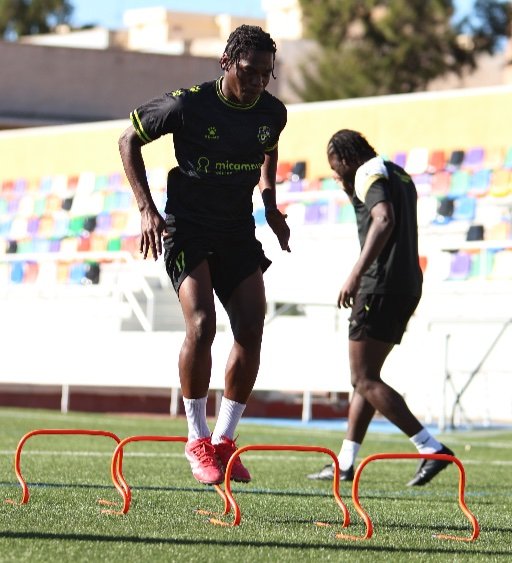
When working on the 4-5-1 formation, run drills that help the team keep its shape, move well during transitions, use the wings, and support the striker.
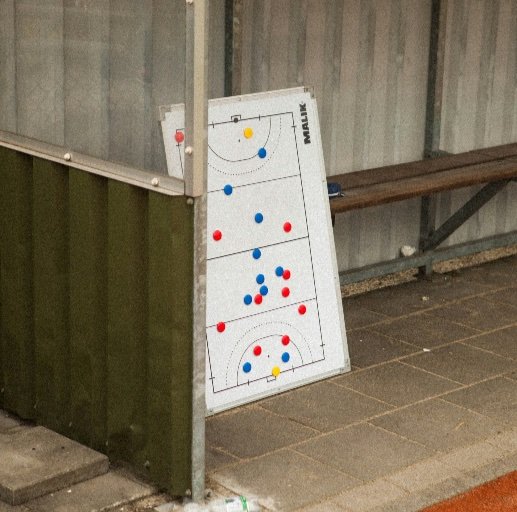
Players won’t pick up a formation just by looking at a whiteboard. They need to practice it many times to get a feel for spacing, roles, and where to be on the field. They also need to learn how to react when the ball moves, when a teammate presses, or when the team wins or loses the ball.
A study in PLOS ONE showed that tactical formations change how players perform physically and technically, depending on their position. Coaches see this too: when you switch formations, each role comes with new challenges, so training should prepare players for those specific tasks.
At Alicante Football Academy, we use different training routines to help players get comfortable with every formation, not only the 4-5-1. By repeating drills, practicing in game-like situations, and giving feedback, players learn what each position is really about instead of just memorizing numbers.
To help the team defend as a unit, coaches can run drills that work on moving the midfield together, pressing at the right times, and making recovery runs. For attacking, they can focus on passing out wide, having the striker hold up the ball, counterattacks, and switching play after winning the ball.
A-Champs tools can make some drills more enjoyable and easier to track, especially when coaches want to measure things like reaction speed, movement, or decision-making during competitive exercises.
NOT SURE WHICH FORMATION FITS YOUR ROLE?
The 4-5-1 is only one way to organise a team. This guide compares common systems so you can understand where your position fits and what coaches expect.
Read the formations guide
What Soccer Drills Improve Defensive Compactness?
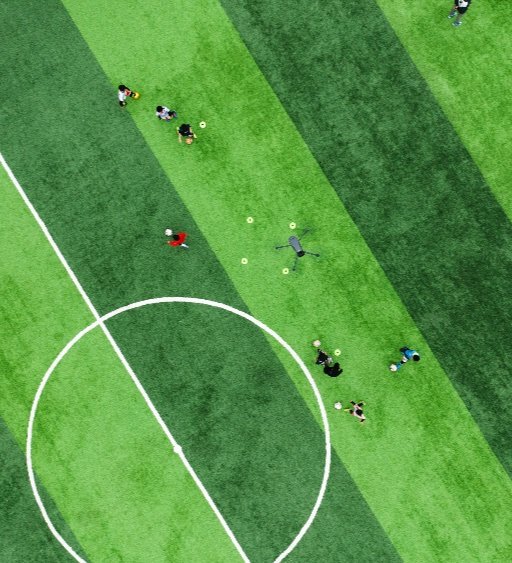
Shadow play is a simple drill that helps players learn how to move together and stay compact on defense.
The coach moves the ball from side to side, and the team shifts together without any opponents. This helps players understand spacing, distance, and their roles before they face real pressure.
After that, coaches can add drills with opponents, such as an 8v6 defensive block, a 10v8 mid-block, a back four with five midfielders against attackers, wide channel pressing, or transition drills after winning the ball.
The coach can pause the drill to fix the team’s spacing. This helps because players often do not see how big the gaps are until everything stops.
The key is for the whole team to move side to side together. If one player moves but the rest do not, the team’s compact shape breaks down.
Which Clubs And Managers Have Used This System Successfully?
Many coaches choose compact single-striker systems to help control the flow of a match.
Some teams use the 4-5-1 formation throughout a match, but many top teams switch to it only at certain times. For instance, a team might attack with a 4-3-3 and then defend with a 4-5-1 when the wide players move back.
One example is José Mourinho’s Chelsea, which controlled matches with a compact structure, strong midfield protection, and disciplined transitions. The Premier League’s tactical article also highlights Jürgen Klopp’s Liverpool using a compact 4-5-1 when needed, Eddie Howe’s Newcastle using a 4-5-1 mid-block, Gennaro Gattuso’s Napoli using a disciplined 4-5-1 mid-block, and Gareth Southgate’s England defending with a flatter 4-5-1 or 4-1-4-1.
A UEFA tactical analysis said that Germany at Women’s EURO 2025 mostly used a compact 4-5-1 mid-block against Spain, staying disciplined and limiting the space available to Spain.
The key idea is that the 4-5-1 is not only for weaker teams defending deep. It also works well for teams that want tactical clarity, midfield protection, and a clear way to move from defense to attack.
However, making this system work requires discipline, hard work, and clear tactics. If the midfield does not recover, the wide players do not track back, or the striker does not follow the pressing plan, the team can quickly lose its shape.
What Are The Strengths And Weaknesses Of This System?
The 4-5-1 formation is effective because it provides solid defensive cover, fills the midfield, keeps the team close together, and enables quick counterattacks.
This setup works best when the team:
- Wants to keep the middle of the field secure
- Needs extra help in midfield
- Has wide players willing to track back and defend
- Has a striker who can keep the ball even when pressured
- Wants to break forward quickly on the counterattack
- Is up against a team that keeps the ball well
Problems can happen if the team drops too deep or gets too defensive.
The striker may end up isolated. Wide midfielders might spend too much time defending and not support attacks. The midfield can also become flat, making it hard to move the ball forward after regaining possession.
This is why timing in midfield matters so much. If wide players and central midfielders do not get forward quickly to support the striker, the 4-5-1 can become too defensive. But if they join the attack at the right time, it is a great setup for fast transitions.
How well this formation works depends a lot on player discipline and timing in midfield. The formation provides structure, but players need to make it work by being active, not passive.
WANT TRAINING DRILLS YOU CAN ACTUALLY USE?
If this article helped you understand the shape, the next step is practice. Start with drills that improve technique, defending, speed and tactical habits.
See football training drills
How Do You Counter A 4-5-1 Formation Effectively?
When playing against a 4-5-1, teams should try not to attack through the middle in ways the defense can easily read.
This formation is built to block the middle. If you keep forcing passes through the same central area, you are playing into the defenders’ hands.
There are better ways to break down a 4-5-1, such as:
- Quick switches of play
- Overloads on one side
- Third-man runs
- Rotations between full-back, winger and midfielder
- Movement between the lines
- Quick combinations around the box
- Patient circulation before accelerating
Patience matters because the 4-5-1 is meant to frustrate attackers. Teams often need to move the ball from side to side, wait for the midfield to shift, and then attack the space that appears.
That is the main goal against a compact 4-5-1: move the defensive block, pull it to one side, create wide rotations, and attack before the defense can get back into shape.
Overloads create space by making defenders choose how to respond.
When extra players are on one side, the 4-5-1 block shifts over. The wide midfielder, full-back, and central midfielder often move toward the ball. If the attack switches play quickly, space can open up on the other side.
FIFA’s overload session says attacking teams should use the extra player well, swap positions, and make smart runs to create and use overloads.
How quickly the ball moves is important.
If the overload develops slowly, the 4-5-1 can shift over and recover. But if the ball moves fast, the defenders have less time to adjust.
Midfield rotations matter too. When a midfielder drops back, a winger moves inside, or a full-back pushes forward, defenders must choose between following their player or staying in their area. That brief hesitation can break marking and open up a passing lane.
That’s why overloads are most effective when teams use:
- Quick passing
- Proper body positioning
- Wide positioning
- Midfield rotations
- Runs behind the full-back
- One-touch combinations
The goal is not just to crowd players near the ball. The real aim is to move the defense until a player, a passing lane, or one side of the field is open.