

Key Takeaways
- Soccer turns into a real career when a player is paid to play, which usually happens through a professional contract.
-
- A professional player has a written contract with a club and earns more than just enough to cover football expenses. FIFA uses this rule to separate amateurs from professionals.
-
- Becoming a professional is very competitive. Most players train for years, play in many matches, work with coaches, and build experience before they are ready.
-
- Football careers are often short, so players should think about injuries, education, building their personal brand, and what they will do after they stop playing.
-
- Even if you do not become a professional player, there are still many jobs in football. These include coaching, scouting, performance analysis, operations, media, and supporting players.
Table of Contents
Is Football A Career?
Football becomes a career when it is paid, organized, and comes with real responsibilities, goals, and opportunities to grow. It is considered a profession if a player has a contract, receives payment, trains regularly, is evaluated, and must meet certain standards. In short, football is a job if you get paid, but it turns into a career when there is a clear path for growth, contracts, competition, and future prospects.
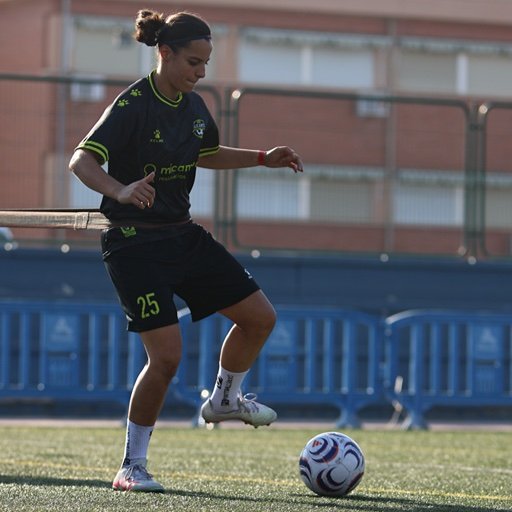
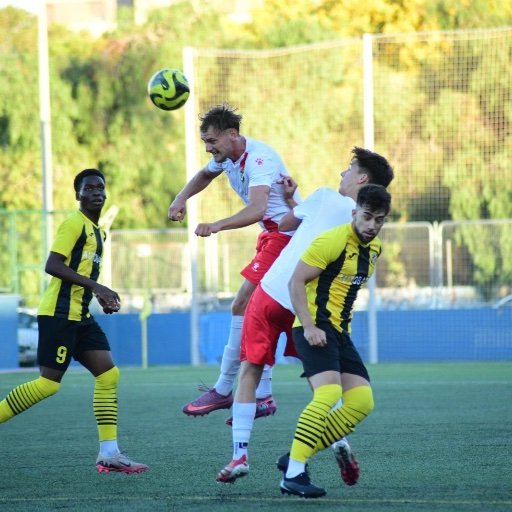
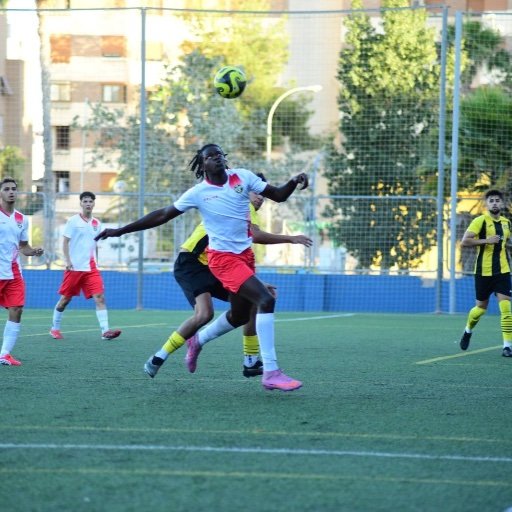
Playing football for fun is not the same as making it a career. If you play once or twice a week with friends, you are just enjoying yourself. But if you train every day, compete in organized matches, follow coaches’ advice, focus on recovery, work to get better, and aim for contracts or better teams, you are treating football as a serious career, not just a hobby.
FIFA’s rules help show the difference. In organized football, players are called either amateurs or professionals. A professional has a written contract with a club and earns more than they spend on football-related costs.
Football can take different forms:
- A full-time playing career.
- A part-time or semi-professional career.
- A short-term contract career with different clubs or in different countries.
- A career in the wider football industry, either after playing or instead of playing, such as coaching, scouting, analysis, fitness, academy work, management, or player development.
That’s why the answer is not just “yes” or “no.” Football can be a career, a profession, or a job, but only if you approach it with structure, commitment, responsibility, and a focus on progress.
How To Become A Professional Football Player?
To become a professional football player, you usually need years of organized training, experience in competitive matches, and the right exposure.
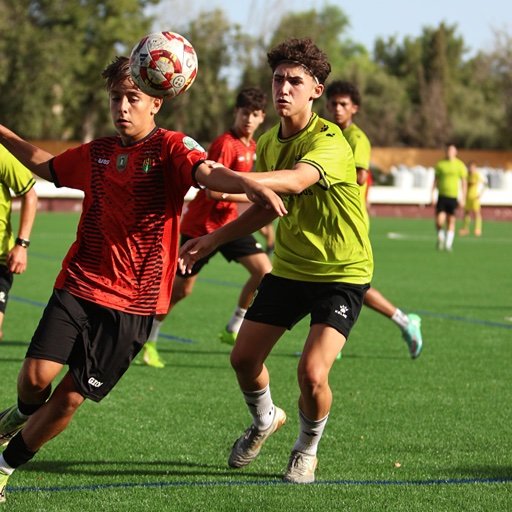
Most players begin with local clubs, school teams, academies, or private football programs. As they progress, they join stronger youth teams, play in tougher leagues, move into academy setups, and then into semi-professional and senior football. If they perform well enough, professional chances may come. As players advance, the expectations rise. Coaches notice more than just technical skills; they also look for tactical awareness, fitness, attitude, decision-making, and consistency.
Professional players often build experience at lower levels before reaching senior football. Athletes develop their skills through years of practice and playing at lower levels. Their job includes training, following strategies, staying fit, and reviewing how they played after games.
There are no guarantees in this journey. Even skilled players can miss out due to injuries, timing, limited exposure, poor choices, or insufficient guidance. That’s why we encourage players to focus on what they can control: the quality of their training, their match performance, their attitude, recovery, and how they present themselves as professionals.
READY TO TREAT FOOTBALL LIKE A REAL CAREER PATH?
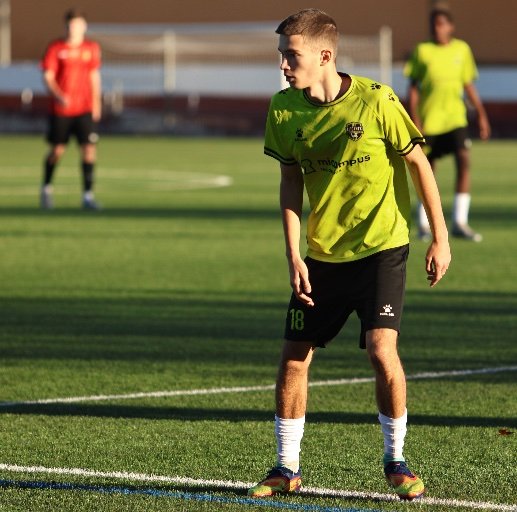
Many players train hard, but they do not always train with a clear plan, professional standards or the right exposure. At Alicante Football Academy, we help players build the routine, discipline and match environment needed to take football seriously.
Apply To Join Alicante Football Academy
What Does Going Pro In Football Usually Look Like?
Going pro is the step from amateur, academy, college, or developmental football into paid competition, where the game becomes more than just fun. Players now need to train hard, perform well, follow club rules, and compete for a place on a professional or semi-professional team.
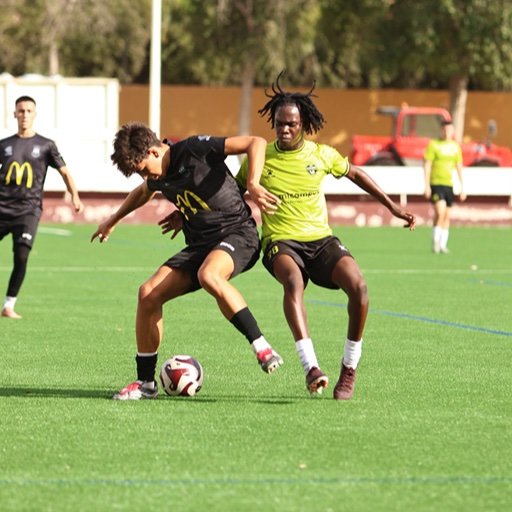
There are different ways to make this move. Some players are signed directly from academies. Others work their way up through lower divisions or development squads. Some go to trials or training sessions with clubs. Others get noticed in competitive matches, college football, semi-professional games, or by building a strong playing record.
The process usually includes:
- Playing key matches where scouts, coaches, or clubs can watch and judge your skills.
- Making a football CV and gathering video highlights from your games.
- Attending trials, tryouts, or training sessions.
- Speaking with clubs, coaches, or licensed agents when the time is right.
- Making sure you fully understand contract terms before signing anything.
- Proving you can handle the physical, tactical, mental, and professional demands of senior football.
At Alicante Football Academy, we support international players who want a professional football experience in Spain. We help players train, improve, compete, learn about the pathway, and be ready when real opportunities come up.
What Are The Career Paths For Football Players?
Football players can advance in their careers, try out new roles, or work in other jobs connected to the sport.
A player might start at a local club, join an academy, play for a semi-professional team, and then sign a professional contract. Another player could play college soccer, join a lower-league team, and later move to another country. Some players discover that coaching, mentoring, or scouting is a better fit for them over time.
UEFA says clear youth pathways are important for developing players. Its best youth programs support young players with skills, tactics, fitness, mental health, nutrition, and overall well-being. FIFA also says it is building talent development pathways in all 211 member associations to give men and women more equal chances in football.
| Football career path | What it can look like | What the player needs most |
|---|---|---|
| Academy to professional club | Training in an academy, playing matches, getting scouted or offered a contract | Consistency, discipline, exposure |
| Local club to higher divisions | Performing well, moving to stronger teams, earning trials | Match impact, physical development |
| College or school route | Combining education with competitive football | Academic planning, highlight footage |
| Semi-professional football | Paid or partly paid football while developing further | Patience, fitness, networking |
| Coaching or mentoring | Moving into youth coaching, academy work or private training | Communication, qualifications, experience |
| Scouting or analysis | Evaluating players, data, video and match performance | Game understanding, detail, objectivity |
At Alicante Football Academy, we help players grow their careers by offering mentorship. We believe players need honest feedback as well as motivation. Sometimes we encourage a player to go for trials. Other times, we help them see what they need to work on before they are ready.
What Career Options In Soccer Exist Besides Playing?
Many people build steady careers in football without ever becoming professional players.
Football is about more than just the players. The sport needs technical experts such as coaches, scouts, and analysts. Medical and performance staff are also important, including physiotherapists, strength and conditioning coaches, nutritionists, rehabilitation specialists, and psychologists. On the business side, clubs rely on administrators, media teams, marketers, agents, player liaison officers, and operations staff.
For example, the FA’s careers page shows jobs in areas such as education, finance, grassroots football, legal and governance, technical departments, digital technology, and event operations.
Here are some common football careers that do not require playing:
- Football coach
- Academy coach
- Goalkeeper coach
- Scout
- Match analyst
- Performance analyst
- Strength and conditioning coach
- Physiotherapist or rehabilitation specialist
- Club operations manager
- Football marketing or media specialist
- Player liaison officer
- Agent or player representative
This matters because you can keep your passion for football alive even if you do not play professionally. Many people find lasting, stable careers in football away from the pitch.
WANT TO SEE WHAT FULL-TIME FOOTBALL TRAINING IN SPAIN INCLUDES?
A football career needs more than talent. Compare our academy options, see what is included in the programme and understand the commitment before you apply.
View Academy Programmes And Pricing
What Is The Job Outlook For A Football Career?
Job outlook means looking at future demand, job growth, earning potential, and how stable a career is. In football, this outlook changes depending on which career path you choose.
In the United States, athletes and sports competitors earned a median annual wage of $62,360 in May 2024, according to the BLS. Job growth for these roles is expected to be 5% from 2024 to 2034. Still, the BLS points out that few people make a full-time living as professional athletes, and these careers are usually short with limited job security.
Other jobs in football and sports are usually more stable. For example, the BLS expects 6% job growth for coaches and scouts from 2024 to 2034, with a median annual wage of $45,920 in May 2024. Exercise physiologists earned a median wage of $58,160 in May 2024 and are expected to see 9% job growth. Physical therapists had a median wage of $101,020 in May 2024, with an expected 11% growth.
There are opportunities in football, but reaching them can be challenging. Players need talent, training, exposure, connections, and persistence. Young players should view football not only as a dream, but as a career ecosystem. Playing, coaching, scouting, analysis, performance, rehabilitation, operations, and other roles can all be part of a long-term future in the sport.
What are you mainly trying to achieve with football right now?
What do you need most at this stage?
Solution:
You should focus on a serious academy pathway where you train consistently, compete regularly and receive honest feedback before chasing contracts. Your best next step is to build a professional routine, improve your weak areas and get evaluated in real match environments.
Solution:
You should treat football like a career project, not only a dream. Start preparing your football CV, full-match footage, personal brand, contract awareness and backup plan so you are ready when an opportunity appears and protected when decisions become serious.
What do you need most at this stage?
Solution:
You should test your level in a serious football environment before making big decisions. A structured academy programme can help you understand where you stand, what level suits you and whether you should keep pushing toward playing opportunities.
Solution:
You should explore football as a wider career ecosystem. Playing may still be part of your path, but coaching, scouting, analysis, performance, operations or media could also give you a long-term future in the sport.
How Important Is Consistent Training In Football?
Consistent training is one of the biggest differences between playing football just for fun and turning it into a career.
Talent matters, but without regular routines, it can fade. Real progress doesn’t come from one tough week or a short burst of motivation. It takes steady, disciplined training over months and years.
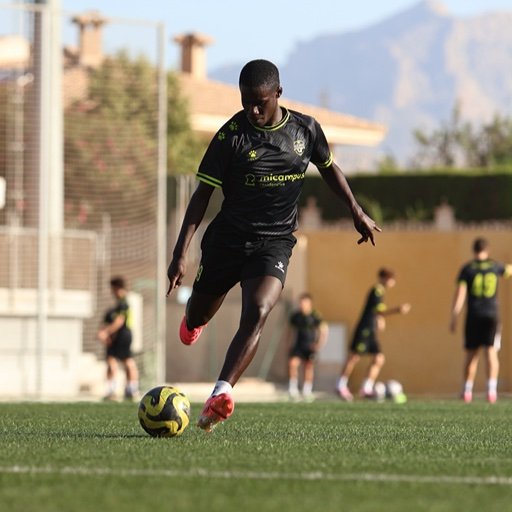
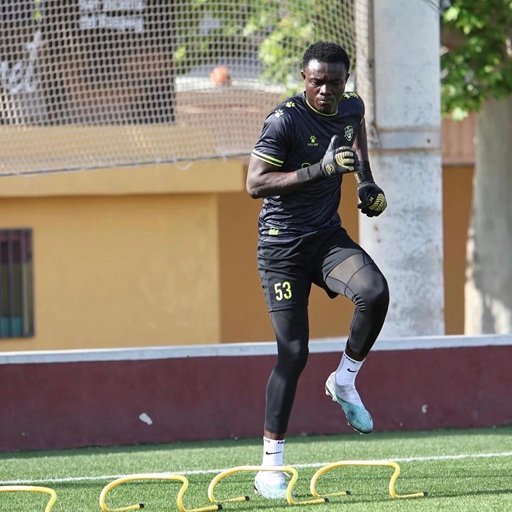
A dedicated player trains whether they feel good or tired. They work on their weak foot, body position, first touch, awareness, finishing, defending, speed, strength, and recovery. This steady effort improves fitness, skills, confidence, decision-making, and long-term growth.
From what we’ve seen, the players who improve the fastest are not always the most naturally talented. Most often, it’s those who keep good habits for months. They listen, ask questions, accept feedback, review their performances, and track their progress instead of just looking for praise.
This is what truly sets apart playing for fun from taking football seriously. Someone who wants a career builds daily habits around training, recovery, nutrition, sleep, attitude, and match preparation.

What Does Training And Practice Look Like For Football Players?
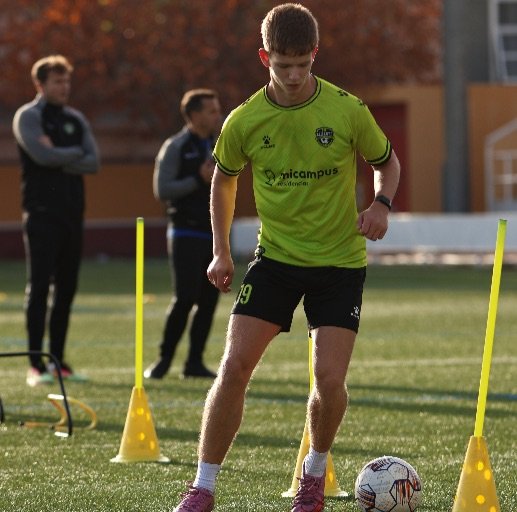
A normal week of serious football training includes working on technical skills, building physical fitness, practicing tactics, getting ready for matches, and making time for recovery.
Technical training means practicing passing, receiving, dribbling, crossing, finishing, defending, and drills for each position. Physical training helps players get faster, stronger, more mobile, and avoid injuries. Tactical sessions teach team shape, pressing, transitions, set pieces, and how to make good decisions during games. Recovery matters too, because players need enough sleep, good food, stretching, and rest to train well and be ready for matches.
Regular practice helps players become more reliable. Success is not just about having one great moment in a game. It is about doing the right things again and again, even when it is hard, like controlling the ball, making smart decisions, staying fit, defending well, and playing your best against strong teams.
At Alicante Football Academy, our training follows these ideas. We want players to do more than just play football. We encourage them to train with clear goals, listen to feedback, understand where they can improve, and build the skills they need for a successful football career.
How Do You Build A Strong Foundation In Football?
To build a strong football foundation, start by learning the basics before trying more advanced skills.
For young players, developing early is important for long-term growth, confidence, and future performance. Many are eager to try complex drills or flashy moves, but the basics matter most: first touch, passing, receiving under pressure, movement, balance, scanning, communication, and defending.
Players usually improve faster when they learn these basics first. Advanced tactics only work if a player can control the ball, make simple choices, move well, and play with confidence. Without this foundation, it is harder to keep up as the game gets faster and tougher.
A strong foundation also includes knowing the rules and safety standards of football. IFAB publishes the official Laws of the Game, which cover equipment and safety. Serious players should follow these to act professionally.
If you start playing later, you still have a chance. Your training just needs to be more focused. You may need to catch up on skills, get fitter, build good habits, and find the right level of competition.
This is why building a strong foundation matters. Starting with good habits helps you develop skills, gain confidence, play better in matches, and find more opportunities in the future.
Why Should You Start As Early As Possible?
Starting early can be a big advantage because football rewards practice and repetition.
Players improve their skills, confidence, and awareness when they get plenty of touches, play in games, and listen to their coaches. Practicing first touch, passing, receiving, turning, scanning, and moving off the ball helps them feel comfortable as the game gets faster and harder. Training early also teaches them about positioning, handling pressure, moving their bodies well, and making decisions before things become more difficult.
But age is not the only thing that counts. Some players start young but develop bad habits, while others begin later and improve quickly because they work hard, listen to coaches, and stay consistent. Players also grow at their own pace, both in their bodies and minds, as well as in their skills.
So the real question is not just about your age. It’s about how you make the most of your current situation.
What Skills Do You Need To Become A Better Soccer Player?
To improve at football, you should build up your technical, physical, tactical, and mental skills so they work well together.
Talent is useful, but being a better football player takes more than just natural ability. You get better by practicing the right skills often, working on your weak spots, and using those skills in real matches.
All players should pay attention to these key areas:
- Technical skills are things like first touch, passing, receiving, shooting, dribbling, crossing, tackling, and controlling the ball.
- Physical skills mean having speed, stamina, strength, balance, agility, mobility, and being able to recover well.
- Tactical skills include scanning the field, knowing where to be, pressing, handling transitions, moving well, and making good decisions.
- Mental skills are things like discipline, focus, confidence, resilience, and being willing to learn from coaches.
- Good habits matter too, such as communicating well, showing up on time, looking after your body, eating healthy, watching game videos, and presenting yourself in a positive way.
The best players do not only practice what they enjoy. They also work on their weaknesses. For example, a winger might practice crossing and one-on-one moves. A midfielder could work on scanning and decision-making. A defender might focus on positioning, strength, and communication. You will get better faster if your training is regular, focused, and fits your position on the field.
NOT SURE HOW TO START YOUR FOOTBALL ACADEMY APPLICATION?
Many players lose opportunities because their application is unclear, incomplete or unrealistic. Learn what to prepare before contacting an academy or club.
Read Our Football Academy Application Guide
What Should You Know About Professional Contracts In Football?
A professional contract is not just a sign of success. It is a legal agreement between you and your club that affects your pay, playing rights, responsibilities, release terms, bonuses, and future opportunities.
FIFA rules say a professional contract must last at least from its start date to the end of the season, and usually cannot be longer than five years. If you are under 18, you cannot sign for more than three years.
Before you sign, make sure you understand these key points:
- Basic salary and payment dates.
- Bonuses and appearance fees.
- Contract length and extension options.
- Release clauses or termination terms.
- Training and match responsibilities.
- Club rules, discipline and conduct obligations.
- Image rights or marketing duties.
- Injury clauses and medical support.
- Accommodation, transport or travel support.
- Agent involvement and commission terms.
- What happens if the club or player wants to terminate early.
Always ask a licensed agent, lawyer, or trusted professional for advice before you sign any contract. Signing is exciting, but you need to know exactly what you are agreeing to. In football, signing the wrong contract without reading the details can affect your money, movement, opportunities, and future career choices.
How Do Football Players Handle Injuries Without Losing Momentum?
Injuries happen often in football, so it is important to deal with them carefully.
If a player comes back too early, they could end up missing even more games. Ignoring pain can make a small problem much worse. Good injury management means seeing a doctor, being patient, doing rehab and strength work, talking with coaches, and slowly returning to training. Being ready to play again is not just about feeling fine. You need to be prepared physically, mentally, and in your skills before you start training and competing again.
A study of retired male Bundesliga players found that 73 out of 116 said injuries ended their careers. The researchers said that football injuries can strongly affect when players retire and their health after they stop playing.
Injuries also affect players’ emotions. Some might feel left out, frustrated, or worry about falling behind. That is why it helps to treat rehab like training. You still have goals to reach, progress to track, and important work to do.
If you want a career in football, managing injuries is essential for staying in the game. The goal is not just to return quickly, but to come back the right way, stay healthy, reduce your risk of future injuries, and support your long-term progress.
How Do You Build Career Longevity In Football?
A long career comes from building smart habits, not just relying on talent.
If you want your career to last, you need to take care of your training, sleep, nutrition, strength, mobility, injury prevention, emotions, and how you act as a professional. Talent helps you start, but good habits keep you healthy, steady, and able to play for longer.
Players have to keep changing and improving. For example, a winger might move to full-back, or a striker could learn to play in a deeper position. A midfielder might need to get stronger to play at a higher level. The players who adapt both in their skills and their bodies usually stay important to their teams for longer, even as their roles or the competition changes.
Having a long football career also means thinking ahead about your best years and what you will do after you stop playing. UEFA has a Career Transition Programme that helps players get ready for life off the pitch by focusing on skills you can use in other jobs and planning for a second career.
This is important because football can change quickly. Planning early does not mean you are quitting the game. It means you are taking care of your future, doing your best now, and getting ready for life after football.
Why Does Marketing And Personal Branding Matter In Football?
Personal branding matters because football opportunities depend on more than just your skills on the field. Things like visibility, trust, communication, and professionalism are also important.
This isn’t about posting fake motivational quotes every day or pretending to be someone you’re not. Real personal branding means showing who you are honestly and professionally:
- Have a clear football CV.
- Share good full-match footage.
- Show honest highlight clips.
- Communicate in a professional way.
- Be respectful on social media.
- Act reliably with coaches and clubs.
- Know your position, level, and goals clearly.
A strong personal brand helps people see who you are as a player. It makes it easier for coaches, scouts, clubs, agents, or sponsors to assess you, contact you, and remember you. It also shows you take your career seriously.
A strong brand can’t replace performance. You still need to train, compete, and prove yourself. But good personal branding can help you find new opportunities, sponsorships, and connections, and even support your career after you stop playing.
TRYING TO GET SEEN BY CLUBS OR SCOUTS?
Getting noticed is not only about one good highlight clip. You need match evidence, consistency, the right level of competition and people who can assess when you are ready.
Learn How Football Scouting Works