
Key Takeaways
- Start by moving around before working with the ball. Warming up and getting active helps prepare your body for technical drills.
- Use dynamic warm-ups instead of spending a lot of time on static stretching. Football needs quick movement and agility.
- Begin with simple movements and slowly add more specific exercises. First, get moving, then add ball touches, combine skills, and end with some competition.
- Rondos work well for warm-ups because they help players get better at touch, positioning, and making decisions.
- The best routines are simple and easy to repeat. When players know the order, they can start right away.
Table of Contents
Football Warm Up Drills For Training And Games
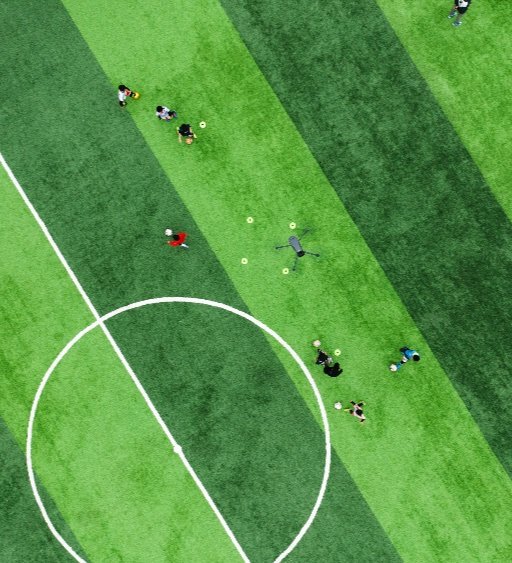
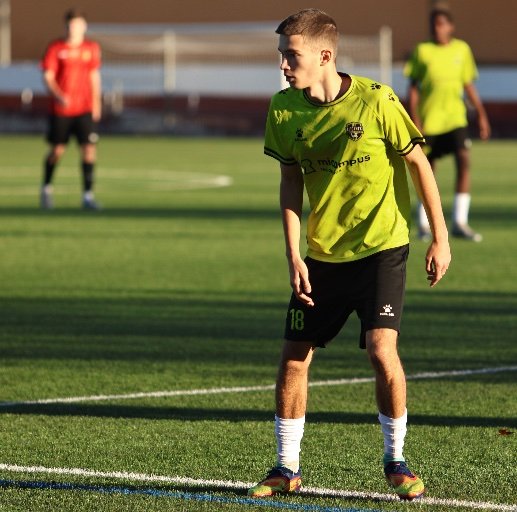
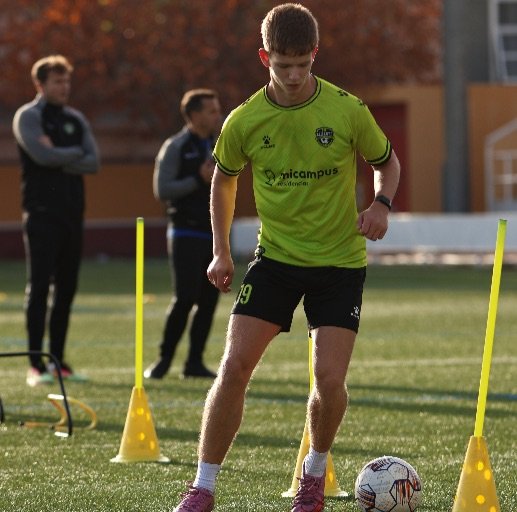
Effective football warm-up drills get players ready both physically and mentally. These drills help players become more alert, move more efficiently, and gradually reach game speed. Coaches use warm-ups to get the team focused and to check for things like sharpness, coordination, and intensity from the beginning. A good warm-up can improve performance, reduce the risk of injury, and help players make faster decisions. The most effective routines begin with movement exercises, move on to ball work, and end with competitive activities. Coaches should choose drills that match the players’ age, skill level, available space, and the goal of the session.
What Are Football Warm Ups And How Do Football Warmups Differ From A Football Warmup Routine
A warm-up drill is just one exercise. A warm-up block is a part of the warm-up, such as movement prep, passing, or acceleration. The warm-up routine is the full sequence that prepares players to play.
In football, the kind of warm-up you use depends on the situation. A general warm-up prepares players for the sport’s demands. A training warm-up usually matches the session’s focus and may be a bit longer or aimed at skill development. A pre-game warm-up is often shorter, more intense, and helps players get ready fast.
Players and coaches often use terms like football warm-up, football warm-ups, or warm-up drills for football players as if they all mean the same thing, but that’s not always true. The main difference is whether they’re talking about one exercise, a part of the warm-up, or the whole routine.
This difference matters because football includes many different actions. Players have to speed up, slow down, turn, jump, look around the field, shield the ball, deal with contact, and play under pressure. A good warm-up should help them prepare for all these challenges.
READY TO TRAIN IN A MORE STRUCTURED FOOTBALL ENVIRONMENT?
If you want daily coaching, a repeatable training structure and honest feedback on your level, the next step is an application. We’ll review your details and tell you whether our programme fits where you are now.
Apply to join
What Should A Complete Soccer Warm Up Routine Include From Start To Finish?
A good warm-up routine should include a pulse raiser, mobility and activation, technical ball work, rondo or possession, and some short game-readiness actions. Most sessions can fit all of this into 10 to 20 minutes, depending on the player’s age, level, the weather, and what you want to focus on. As a rough guide, spend 2 to 4 minutes on the pulse raiser, 3 to 5 minutes on mobility and activation, 3 to 5 minutes on technical ball work, 2 to 4 minutes on rondo or possession, and 1 to 3 minutes on short game-readiness. The goal is to get players ready to play, not to tire them out, and that still feels like the right 2026 reminder when some warm-ups are overloaded instead of preparing players to move sharply from the first minute.
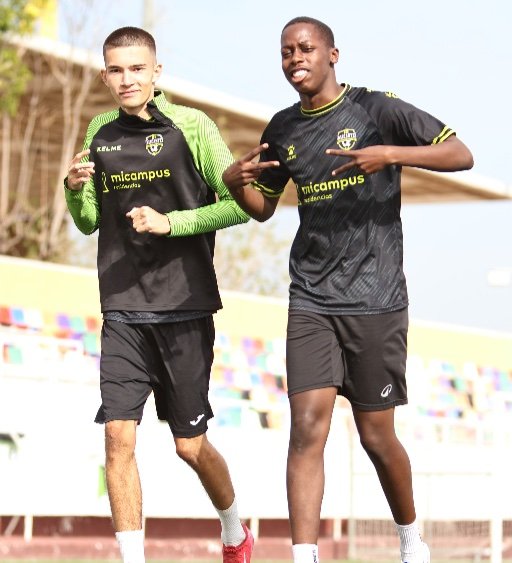
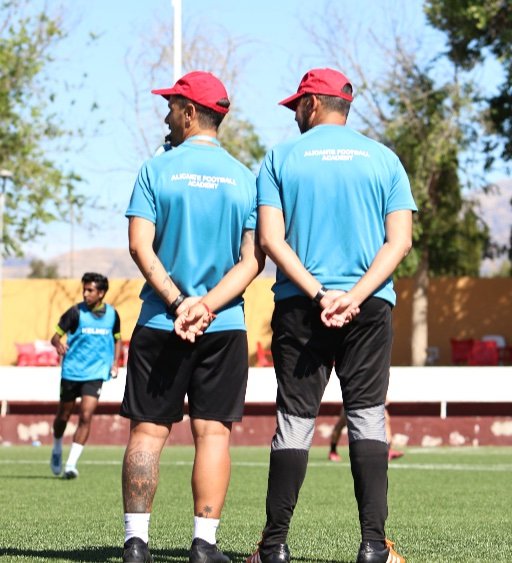
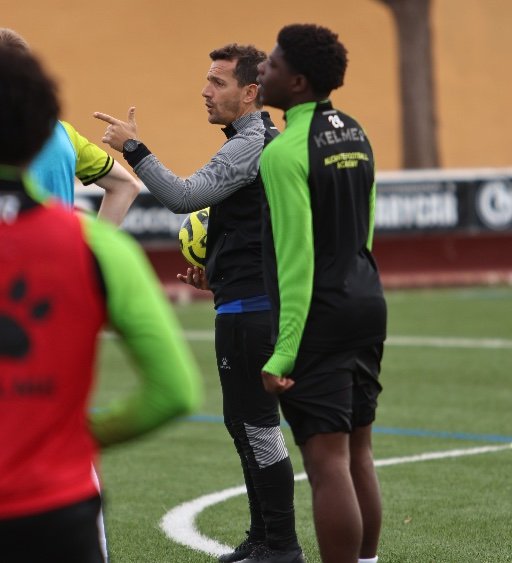
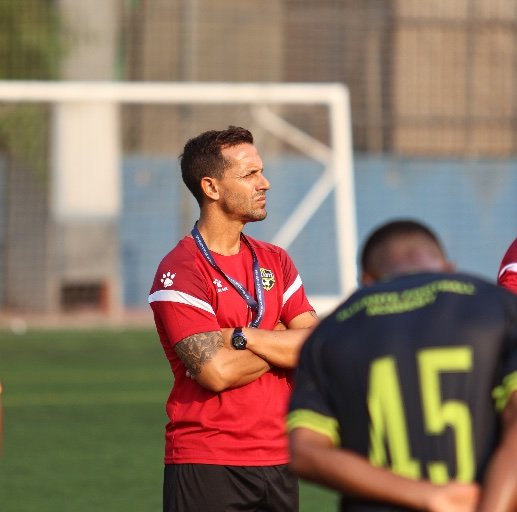
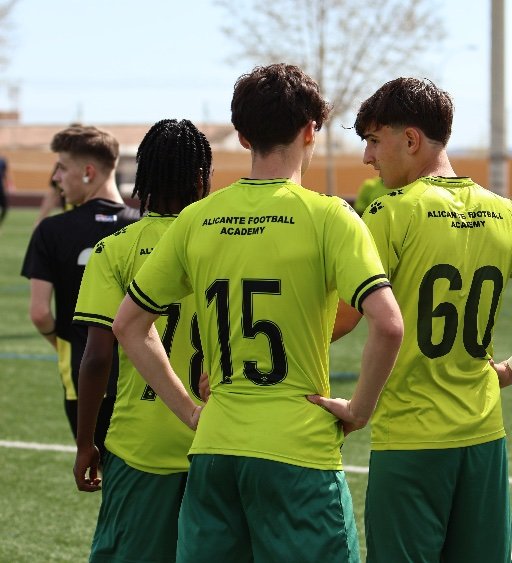
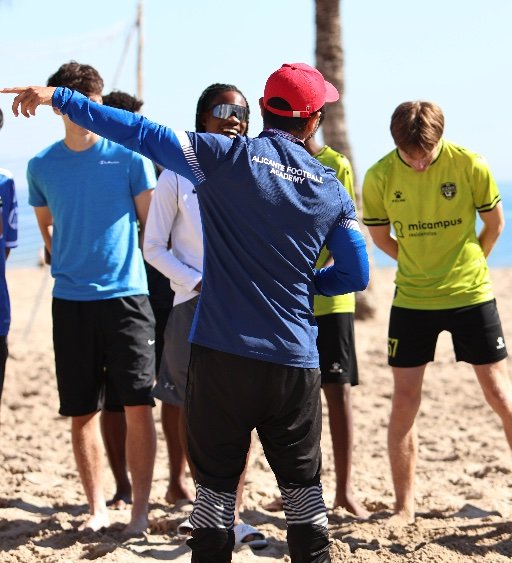
Good coaching matters at every stage. Right from the start, pay attention to posture, rhythm, scanning, and clear communication. At Alicante Football Academy, we stick to the same warm-up sequence every day instead of changing it. When players know what’s coming, coaches spend less time explaining, transitions are faster, and everyone can focus on quality and sharpness. We’ve noticed that if players skip the routine and go straight to ball work, the first few minutes are often unfocused. When the warm-up is clear, the group finds its rhythm faster.
What Dynamic Warm Up Movements Without A Ball Should Players Do?
Start by moving rather than standing still. Warming up without the ball helps players move more freely, naturally lengthen their stride, and handle the ball and speed drills better once they are warm. If players skip this and jump straight into ball skills or fast drills, the first few minutes usually feel stiff, rushed, and less effective.
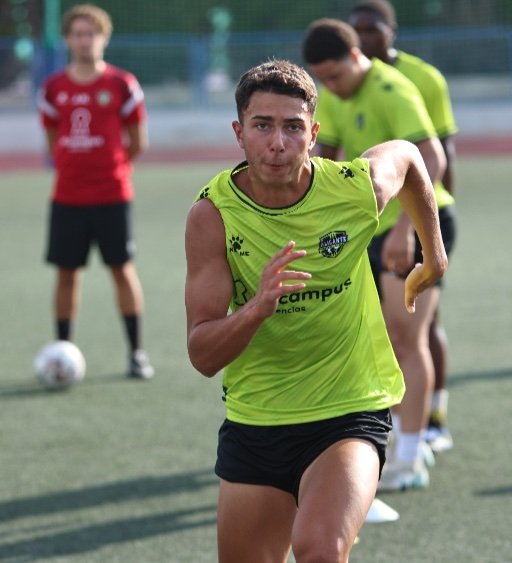
A good warm-up without the ball usually includes light jogging with arm circles to get warm and improve coordination, skipping and running backwards to build rhythm, high knees and heel flicks to activate the main leg muscles, “open the gate” and “close the gate” for hip mobility, walking lunges and leg swings for dynamic movement, and side shuffles with karaoke or carioca steps to prepare the groin, hips, and sides.
This method follows the step-by-step approach in the FA warm-up guidelines: begin with jogging, then do mobility exercises, and finish with faster movements. Research on PubMed also shows that dynamic warm-ups work better than passive ones before performance activities.
CHECK PROGRAMME OPTIONS AND PRICING
Before choosing any academy, compare how much football you actually get, what support is included and how long the programme lasts. Our pricing page breaks that down clearly.
View programmes and pricing
How Should Players Practice Changing Course And Accelerating Safely In Warm Ups?
Players need to practice slowing down the right way before sprinting at full speed. Start by working on straight-line deceleration and focus on the basics: keep your knee over your toe, push your hips back, control your chest, and land softly each time you stop. Once you have that down, move on to planned cuts, then reactive cuts, and finally short bursts of acceleration. Begin these at about half speed and gradually work up to game speed, making sure not to go all out right away.
This method matters because football involves stopping, adjusting, opening up, closing down, pressing, recovering, and changing direction, not just running straight. Johns Hopkins Medicine recommends adding sport-specific moves, such as change-of-direction drills, and gradually increasing sprint speed during soccer warm-ups. Keep the distances short and only do enough reps to keep your form sharp. Our rule is simple: it’s better to do fewer, high-quality reps than more, sloppy ones.
What Technical Warm Up Football Drills Improve First Touch Footwork?
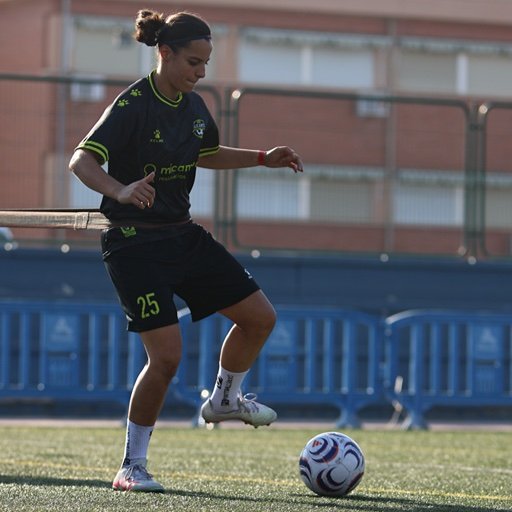
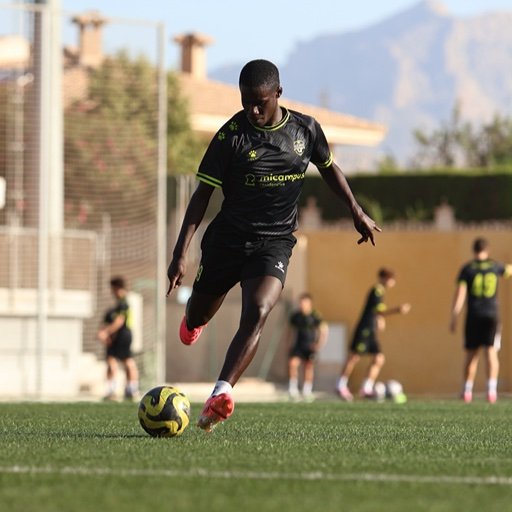
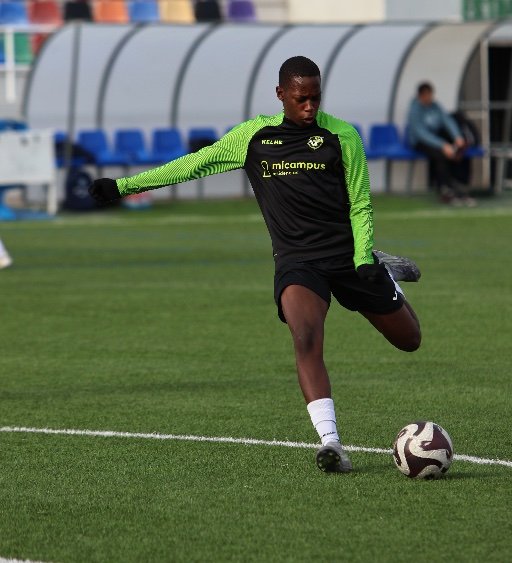
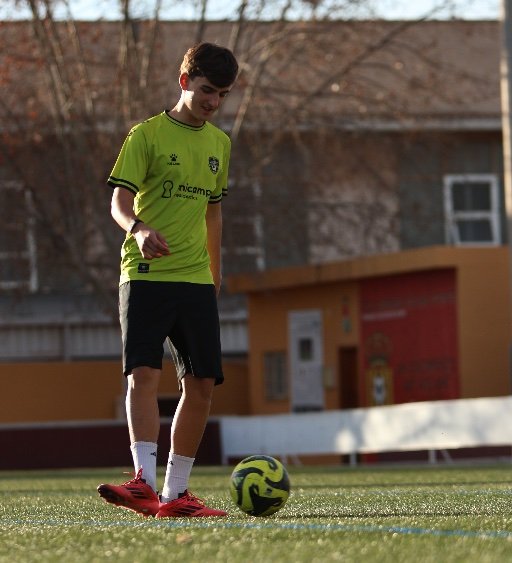
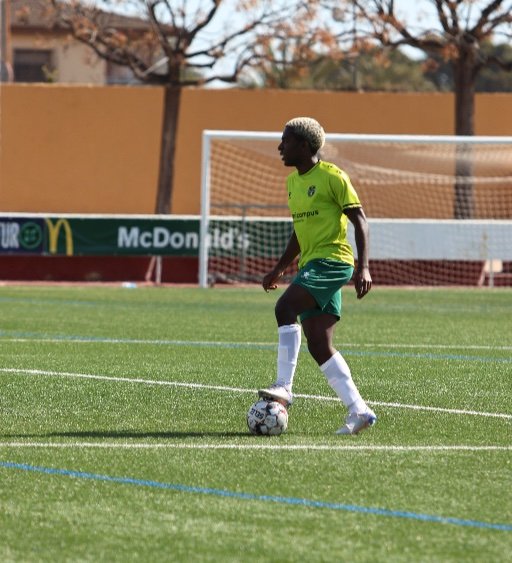
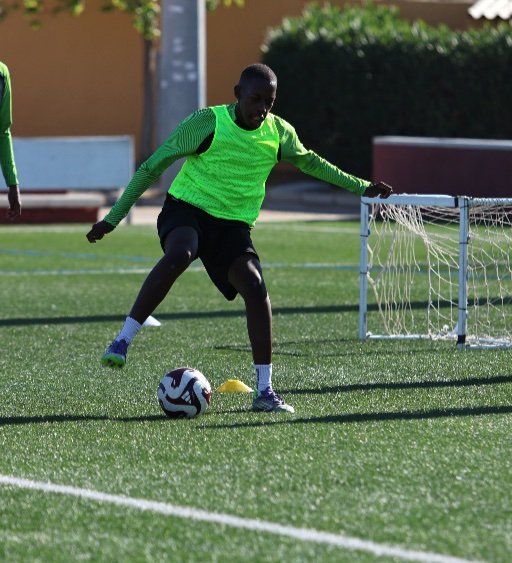
Once players are warmed up, bring in the ball. Encourage them to make clean contact, keep a steady rhythm, and build confidence instead of focusing on tricks. A good technical warm-up helps players settle in and reduces sloppy touches that often happen if you jump straight into fast drills.
A simple progression works well. Start with ball mastery in a small space, then practice receiving and setting the ball out of your feet. Next, move to passing with a partner, try three-player triangles, and finish with receiving across the body in tight spaces. This order takes players from solo drills to working with partners and then small groups.
Focus on repeating drills with good technique, keeping your head up, and looking around before you get the ball. The most important habit is scanning the field before the ball arrives. UEFA technical analysis shows scanning is essential, and they suggest drills where players check their shoulder before receiving the ball. At our academy, we would rather see five well-done receiving patterns than twenty rushed touches. If you are indoors or in a tight space, use the same progression but make the area smaller, limit touches, and use short passing patterns instead of long ones.
How Can Passing And Dribbling Patterns Sharpen Accuracy Before A Match?
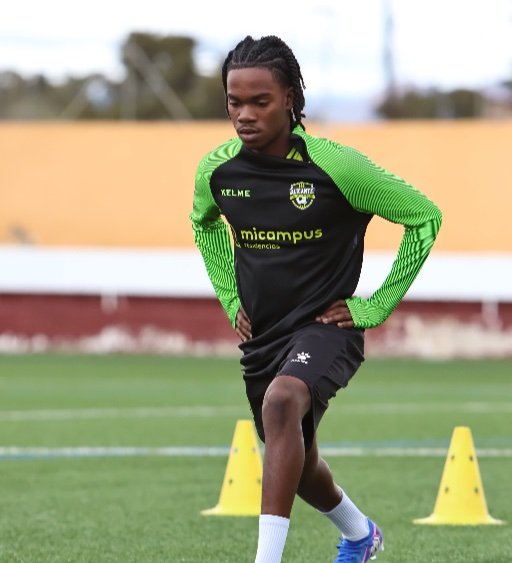
When you run circle passing and dribbling drills, pay attention to first touch, pass weight, body shape, communication, and tempo. In passing exercises, ask players to find good support angles, receive the ball across their body when possible, and think ahead to their next move. Start with two-touch play so players can control the ball and keep their heads up. If the group is comfortable, move to one-touch, but keep the focus on good technique. You can also add follow-your-pass movement, wall passes, or bounce players, and use simple cues like man on, set, turn, and one more.
For dribbling drills, skip long slalom runs that cause players to look down at the ball. Use short, realistic dribbles that help them keep their heads up. Set up gates and angles, and use colour calls to get players using their peripheral vision and staying aware of what’s around them. Build up speed gradually, making sure technique and decision-making stay strong.
How Does Juggling In Warm Ups Improve Control Without Wasting Time?
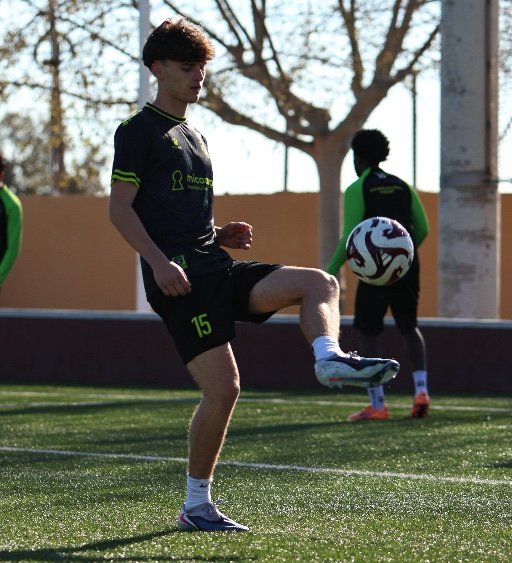
Juggling is best used as a short coordination drill, not as the whole warm-up. We use it to help players improve their touch, get alert, and add some variety before starting possession exercises. Keep it brief, 30 to 90 seconds is enough, either as one quick round or two rounds with a short break. If some players find it difficult, let them use bounce-juggle patterns or mix thigh and foot touches instead of trying nonstop juggling right away. To keep everyone involved, try simple team challenges like counting total touches in pairs or running small-group contests. Once players’ touch improves and they seem more focused, move on from juggling to more game-like drills, such as rondos, possession games, or short competitive activities.
SEE HOW OUR ACADEMY WORKS DAY TO DAY
Warm-ups matter more when they sit inside a proper football routine. See how our training structure, club exposure and daily environment are set up in Alicante before you make a decision.
See how the academy works
What Rondo Warm Ups And Possession Games Build Sharpness Fastest
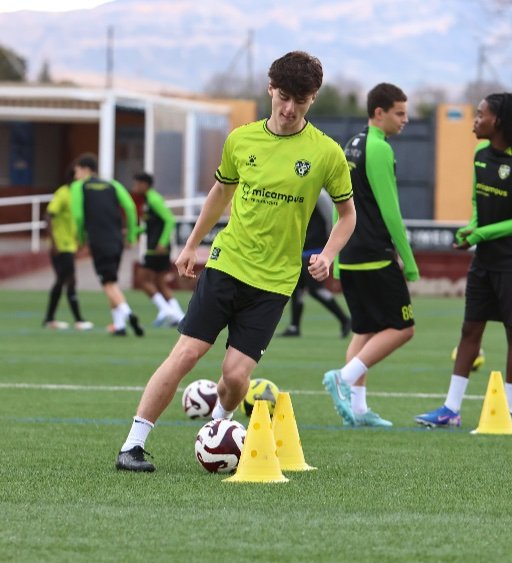
Rondos are a great warm-up for football because they prepare players physically and mentally. They raise the intensity to match the game and help players improve their touch, scanning, angles, support, communication, tempo, and quick reactions under pressure.
To make rondos realistic, set simple rules such as one- or two-touch limits, clear pressure triggers, and quick transitions after losing the ball. Adjust the setup for your group: fewer players and smaller spaces create more pressure, while more players and bigger spaces allow for smoother passing and rhythm.
Key coaching points include scanning before receiving the ball, finding the right angle to support teammates, keeping a good distance for support, and moving the ball at the right speed.
What High Intensity Functional Drills Should You Add For Game Readiness
The final part of the warm-up should get players fully ready to play, but not leave them tired. Good options include 1v1 to goal, 2v1 wave attacks, short finishing drills, press-and-recover sprints, and reaction races that finish with a shot. These drills add energy, sharpen focus, and help with quick decisions. FA matchday guidance recommends 2v1 and 3v2 waves to prepare players for finishing and fast choices. Johns Hopkins advises building up to sprint speed slowly, not starting at top speed. Keep reps short, allow enough recovery time, and make sure players keep good technique. This stage should leave players feeling sharp, not worn out. When players are working hard, coaches should watch for issues with hamstrings, groins, and ankles, and avoid adding too much too soon.
What Themed Soccer Warm Ups Keep Players Engaged?
Themed warm-ups are helpful when you want your session to match the day’s goal from the start. They help players focus by making the purpose clear right away. Repeating the same coaching idea throughout the session can also boost effort and memory. This method is especially effective with youth players, who do better when the session has a clear focus from the beginning.
Keep your setups simple and short. Mark out a clear grid with cones, add small goals if needed, pick the right number of players for each exercise, and set time limits that keep things moving without making the warm-up drag on.
Each theme should link to one clear skill and one main coaching cue. For example, for pressing, you could use a tag game followed by recovery runs, with the cue reacting fast after loss. For possession, try a rondo with the cue to create the right support angle. For finishing, use receive-turn-shoot patterns with the cue set early and finish cleanly. For transition, use 3v2 waves with the cue attack quickly after regain.
Begin with themed warm-ups if you want to set the tone for the whole session right away. If your players need some general movement first, you can save the themed warm-up for later, just before the main football activity.
What Sample Warm Up Timing Works Best For 15 To 30 Minutes
How long you need depends on things like age, temperature, space, and whether you are getting ready for training or a match. For most groups, though, 15 to 30 minutes works well.
| Warm-up length | Best use case | Suggested structure |
|---|---|---|
| 15 minutes | Tight pre-game window | 3 mins pulse/mobility, 4 mins ball mastery, 4 mins passing/rondo, 4 mins fast actions |
| 20 minutes | Standard team warm-up | 4 mins pulse/mobility, 4 mins activation/change of direction, 5 mins technical work, 4 mins rondo, 3 mins game-speed actions |
| 30 minutes | Full training build-up or cold weather | 5 mins pulse raiser, 6 mins mobility/activation, 6 mins technical work, 6 mins passing/rondo, 4 mins high-intensity actions, 3 mins transition |
The principle behind all three versions is the same: progressive increase, football-specific detail and no wasted standing time.
Are you warming up for a match or for a training session?
How much time do you realistically have for the warm-up?
Solution:
Use a tight pre-game sequence: 3 minutes of pulse raiser and mobility, 4 minutes of ball mastery, 4 minutes of passing or rondo work, and 4 minutes of fast game-readiness actions. Keep the intensity progressive so players feel sharp and ready, not tired.
Solution:
Use a fuller match-prep warm-up: begin with movement prep and activation, add change-of-direction work, move into technical ball work and a rondo, then finish with short 1v1, 2v1, reaction or finishing actions. This is best when you have enough time to build up properly before kick-off.
How much time do you realistically have for the warm-up?
Solution:
Run a compact training warm-up that still follows the right order: dynamic movement first, then quick ball mastery, then short passing or rondo work, and finish with a brief football-specific action. This gives players enough preparation without wasting session time.
Solution:
Run a full training build-up: pulse raiser, mobility and activation, technical ball work, passing or rondo, and then a themed or high-intensity football action linked to the session goal. This is the best option when you want the warm-up to improve habits as well as prepare players to train.
How Should Football Team Warm Ups Be Structured By A Coach For Consistency
A good warm-up goes beyond just doing drills. It should have a clear order. Right from the beginning, the coach should manage timing, transitions, space, and standards. There’s no need to explain every single movement. Short cues work best during warm-ups, such as open up, scan early, land softly, or pass the right weight. Mental preparation should be built into the routine, not added through long talks.
Clear communication is key for effective warm-ups. Leaders, captains, and position groups can help set the pace, organize teammates, and keep standards high. The setup should keep everyone moving and avoid too much standing around, since long pauses can reduce the quality of the warm-up.
At Alicante Football Academy, we believe in having a repeatable structure for this reason. Our academy is dedicated to full-time football, with two training sessions a day and a focus on technical development. When players know the routine, they use less energy on setup and can pay attention to the important details. Over time, this helps them build good habits in movement preparation, ball control, and overall readiness, instead of improvising each session.
What Are Common Football Warm Up Mistakes?
Most mistakes are still pretty basic. Some people skip the warm-up, rush through it, start too quickly, use too many long static stretches, add ball work before players are ready, let players stand around too much, ignore upper-body prep, or forget about hydration. Getting the upper body ready matters more than many coaches think. Arm movement affects sprint rhythm, trunk control helps with balance, and strong shoulders are important for shielding, contact, and heading.
Dynamic warm-ups are backed by strong evidence. Soccer studies show that warm-ups with lots of static stretching can hurt short-term performance, but dynamic stretching and FIFA 11+ routines help. FIFA recommends the FIFA 11+ program for players aged 14 and up, and a review found it can reduce injuries by about 30% in soccer players.
Hydration matters, but it needs to be planned ahead. Players should arrive already hydrated, take quick drinks before or during breaks, and not wait until they feel tired. The National Athletic Trainers’ Association says that both drinking too little and too much can cause problems for performance and health.
Here’s a simple checklist for coaches: gradually raise the heart rate, include both upper- and lower-body prep, keep players moving instead of waiting in lines, start with basic actions and move to football-specific ones, add some speed work, and remind players to hydrate before the main session.
TRAIN BETTER OUTSIDE TEAM SESSIONS
A warm-up is only one part of improving. If you also train on your own, use our home training guide to structure your touches, wall work, dribbling and conditioning so the extra sessions actually transfer to matches.
Read the home training guide