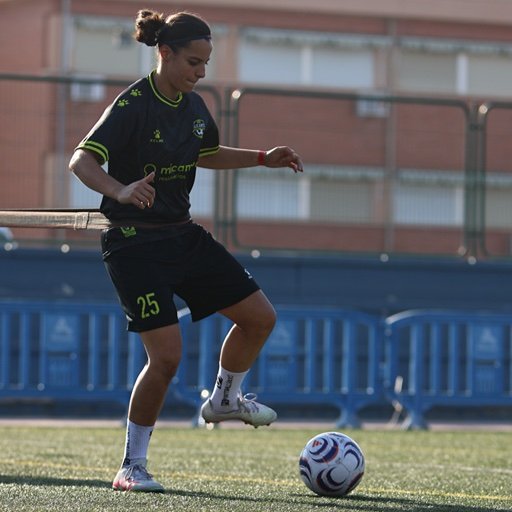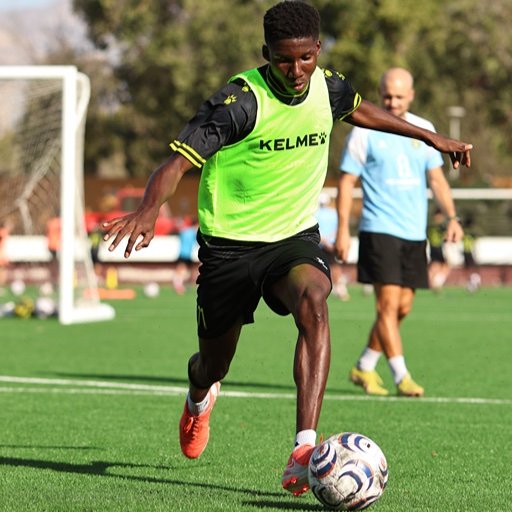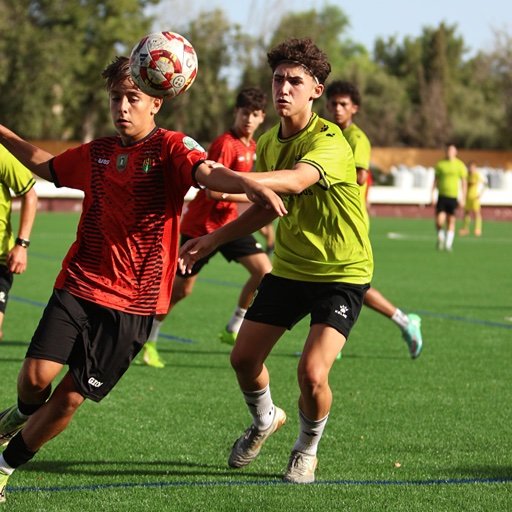

Key Takeaways
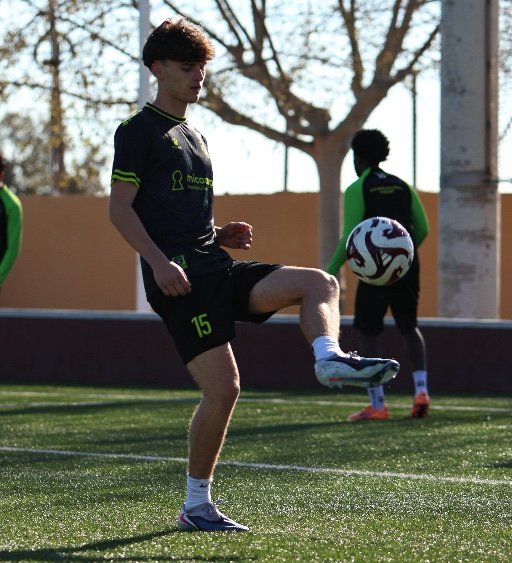
- Technical training builds your confidence with the ball by helping you improve your first move.
- The most effective drills combine repetition, feedback, and real decision-making, instead of just practicing unopposed touches.
- Looking around before you get the ball, having the right body position, and making a good first touch are just as important as keeping the ball close.
- Rondos, small-sided games, directional receiving drills, and pressure drills usually help your skills transfer to real games better than random cone exercises.
- You’ll notice progress when you take fewer heavy touches, make cleaner passes, and feel calmer under pressure.
Table of Contents
How Football Technical Training Makes You A Better Player
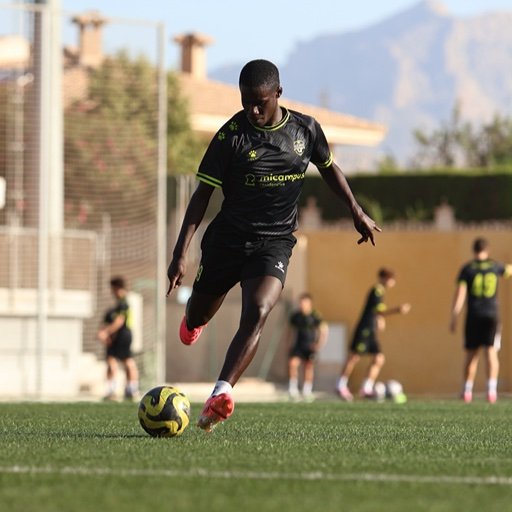
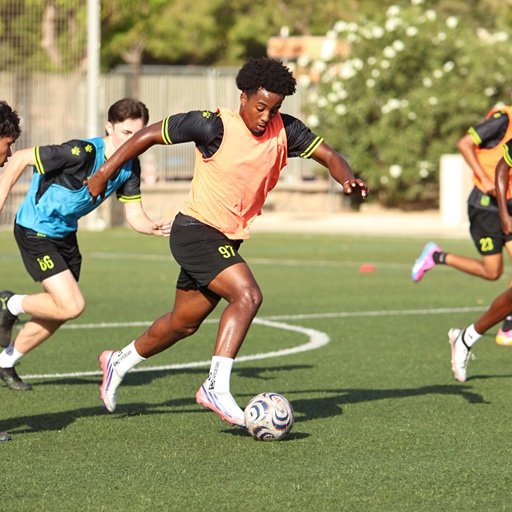
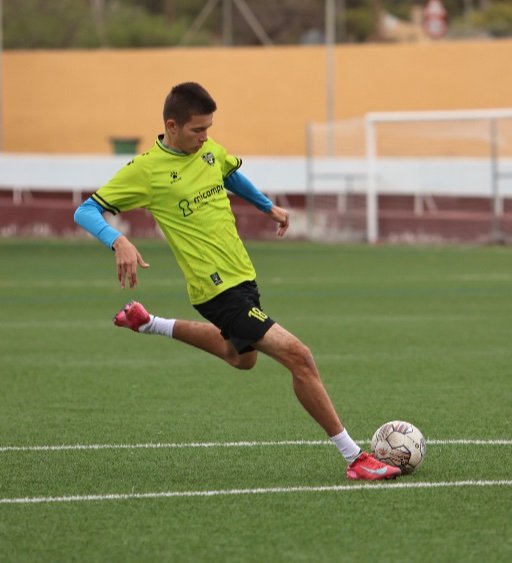
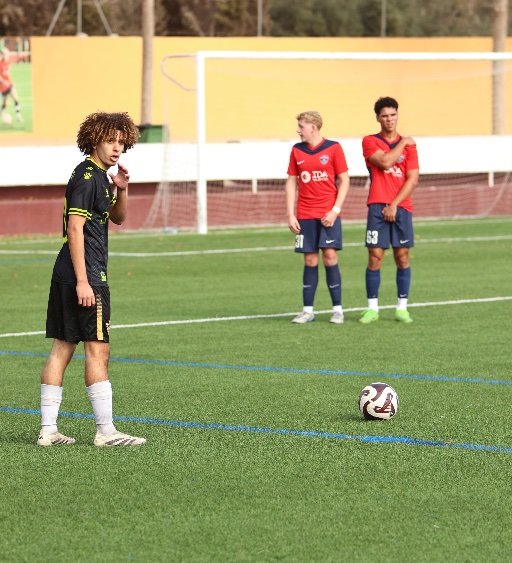
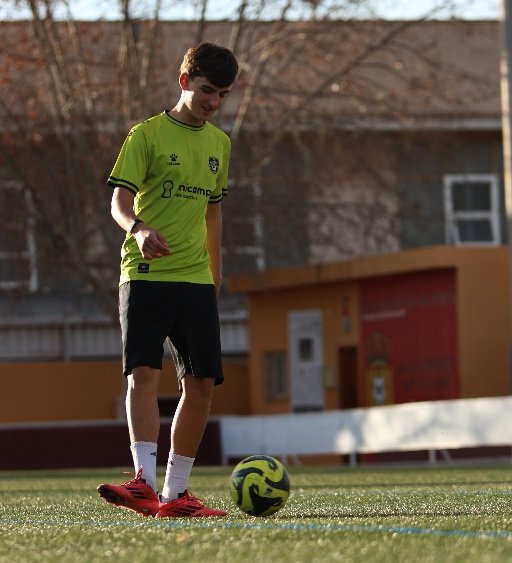
Technical training in football helps you improve the main skills that matter most, such as first touch, passing, receiving, turning, dribbling, scanning, and striking the ball. Practicing these skills over and over builds real confidence because they start to feel natural. As your touch gets better, your body position improves, and you scan the field sooner, you feel less rushed and more in control.
When you train well, you often notice your first actions getting better. A cleaner first touch gives you more time, and scanning the field gives you more choices. Passing with the right weight and timing speeds up the game. Receiving the ball under pressure helps you keep it, even in tight spaces. Coaching guides from the FA and England Football focus on the basics: scan early, open your body, receive so you can play forward, and judge your pass. These small details make football feel easier and help you play with more calm and efficiency.
A good technical session is not just about working hard. It should have a clear goal, plenty of quality practice, and enough challenge to make the skills useful in real games. Most effective sessions last 45 to 75 minutes, depending on the player’s age, level, and goals. The focus should be high, but the pace controlled so your technique stays sharp. Rest matters because your quality drops if you get too tired. A simple plan works best: start with ball activation, do a focused technical drill, add an opposed or transfer exercise, and finish with a final phase. Research from FIFA and England Football shows that mixing repetition, progression, and decision-making is more effective than using just one type of drill for the whole session.
Players need to set realistic goals. Improving your technical skills takes steady effort, not just one good week, and in 2026 that message still cuts through because real technical growth comes from repeatable habits, not viral drills or short bursts of motivation. Most players get better by training three to five times a week, depending on their age, recovery, matches, and overall workload. Each week, progress might be small, like a cleaner first touch, fewer mistakes, better scanning, or feeling calmer under pressure. Over time, these small steps build real confidence and help you perform better with the ball.
What Is Technical Football Training?
Technical football training is about practicing important ball skills with control before facing full pressure. It focuses on the basics that help players handle the ball well, like first touch, dribbling, turning, striking, receiving, passing, and passing patterns. The goal is not to collect lots of fancy drills, but to make each skill cleaner, sharper, and more reliable so it works when the game gets tough. Good technique means fewer mistakes, fewer extra touches, less chance of losing the ball, and a quicker move to the next action. This also makes the game faster, since better body shape, awareness, timing, pass weight, and first touch help everything flow more smoothly.
TRAIN YOUR TECHNIQUE IN A PROFESSIONAL DAILY ENVIRONMENT
If you want your first touch, passing speed and composure under pressure coached every day and tested in real matches, the next step is to train inside a full academy routine. We’ll show you how the programme works and whether it fits your level.
Apply to join the academy
What Are Technical Football Sessions?
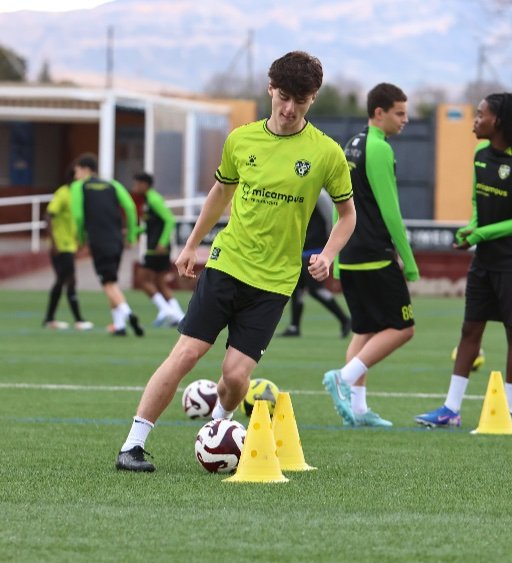
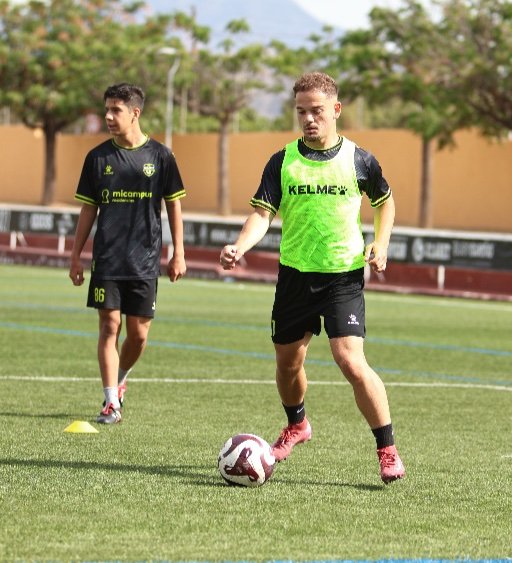
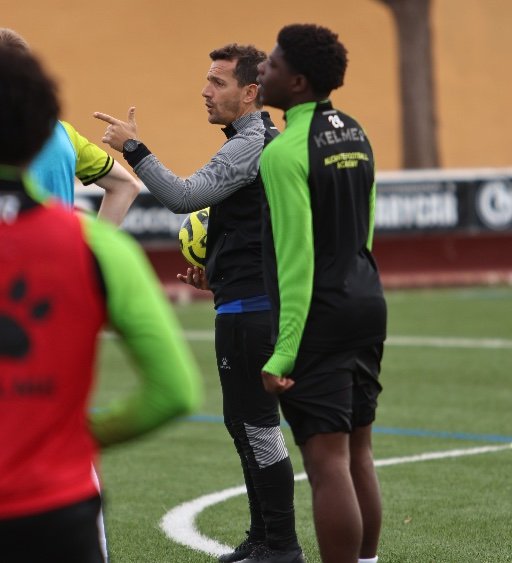
A technical football session usually focuses on one or two main skills. Coaches might work on things like receiving on the half-turn, passing through lines, shielding the ball under pressure, or finishing from different angles. The focus changes based on the players level and what the session aims to achieve.
Most sessions have a clear structure: a warm-up to get players comfortable with the ball, a skill block to practice the main action, a small-sided game or opposed drill to test the skill under pressure, and a final phase to connect the skill to real match situations.
Coaches often begin with a simple version of the skill and then make it harder by adjusting the space, speed, number of touches, or defensive pressure. Success is not just about effort. It means players have better touches, make faster decisions, and can still use the skill when defenders are present.
What Are Technical Football Training Drills?
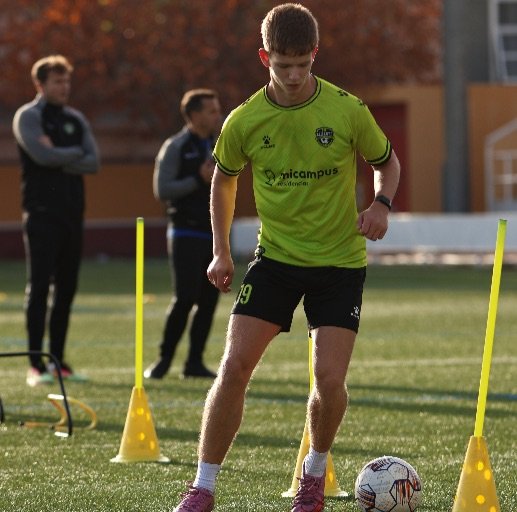
A technical drill is a simple exercise that targets a football skill. The rules you set make it effective. For example, if you want to work on receiving, don’t just pass the ball back and forth. Add a gate, set a rule about body position, use a pressure signal, or create a scoring rule so players have to use the right technique. You can make the drill tougher by increasing the speed, shrinking the area, or adding pressure from another player. The FA’s constraints-led coaching and FIFA’s research on practice types both support this method. By changing space, speed, pressure, numbers, and rules, you can keep drills challenging and make them feel more like real football.
What is the main technical area you want to improve first?
Where do you need this improvement to show up most?
Solution:
Focus on wall passes, first-touch gate drills, weaker-foot target passing, and turn-and-accelerate reps. This is the best fit if you need cleaner receptions and more control before adding live pressure.
Solution:
Prioritise directional first-touch grids, receive-under-pressure boxes, and tight 2v2 or 3v3 possession drills. This is the best route if you want your first touch to hold up against real defenders and faster game speed.
Where do you need this improvement to show up most?
Solution:
Use a wall or rebounder for one-touch and two-touch passing, add scan-before-receive habits, and set scoring targets for pass accuracy and tempo. This will sharpen your technique and speed up your next action before team sessions.
Solution:
Build around rondos with scanning triggers, pass-and-move patterns with third-man runs, and small-sided games with forward-passing rules. This is the strongest option if you want faster decisions and better ball circulation that transfers directly into matches.
Which Drills Are The Best Technical Football Drills For Teams?
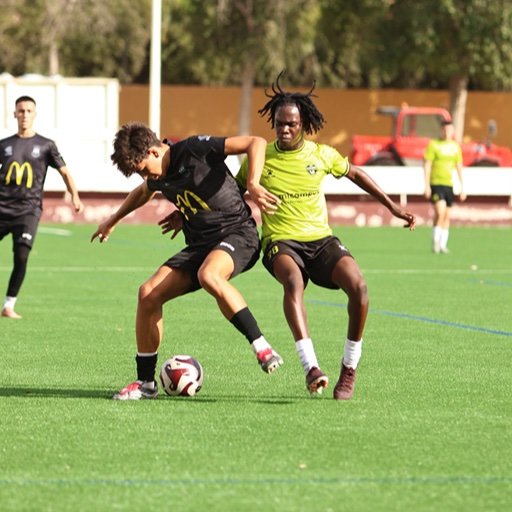
The best technical football drills are those that mirror real game situations. These drills give players lots of touches, clear problems to solve, and a direct link to what happens in matches. That’s why rondos, directional receiving games, small-sided games, and pressure boxes are often recommended in official coaching guides. The FA suggests coaches use small-sided and opposed practices because they help players receive the ball from different angles, scan the field, adjust their body position, and make real passing choices.
The seven drills below give a strong foundation because each one targets a specific technical skill that players need in real matches.
| Training technique | Main outcome | Best coaching point | Match transfer |
|---|---|---|---|
| Directional first-touch grids | Cleaner receiving | Take the first touch into space, not back into pressure | Helps you play away from a press |
| Rondos with a scanning trigger | Faster decisions | Check shoulders before the ball travels | Improves tempo in tight areas |
| Pass-and-move patterns with a third-man run | Passing speed and timing | Pass with the right weight and move early | Builds combinations between lines |
| 2v2 + 2 end players receive-under-pressure box | Ball security | Open body, protect the ball, play out | Recreates midfield pressure moments |
| 1v1 shield-turn escape drill | Stronger protection and turning | Put your body between ball and defender | Helps you keep possession under contact |
| Wall or rebound technical circuit | Solo repetition | Alternate feet and vary the surface used | Sharpens touch between team sessions |
| Finishing circuit from different angles | Cleaner contact | Plant foot, strike through the ball, finish the action | Improves repeatable end product |
These categories are the same areas that the FA, England Football, and FIFA often tell players to work on: receiving, scanning, playing forward, handling pressure, and making better decisions when they get the ball.
COMPARE THE ACADEMY OPTIONS BEFORE YOU DECIDE
Some players need a full season. Others want a shorter block to sharpen their game before trials or a new campaign. Compare the programme options, what is included, and what makes sense for your stage.
View academy pricing
Which Good Technical Football Drills Create The Fastest Improvement?
The best way to get better at technical skills is to practice them often, get quick feedback, and use simple scoring. Players improve faster when they know what good technique looks like and get corrected right away if something is wrong. That’s why skills like directional first touch, passing under pressure, and ball control usually get better quickly when drills are clear and coaching points stay consistent. At Alicante Football Academy, we help players improve by using drills with lots of repetition, direct feedback, and easy scoring. This helps players track their progress each week, so they don’t have to guess. They can see if they’re making more clean first touches through a gate, completing more passes under pressure, or keeping better control during ball mastery drills.
A common mistake is changing drills too quickly. If players are doing the main skill correctly, keep the same drill but make it harder. You can make the area smaller, add a defender, limit touches, have players use their weaker foot, or change the passing angle. This keeps the learning goal the same while making the drill more challenging.
Which Technical Drills For Soccer Players Work For Every Position?
Some technical drills in football are useful for players in any position because everyone needs to receive, scan, pass, and protect the ball under pressure. Skills such as receiving on the half-turn, one- and two-touch passing, scanning before getting the ball, taking a first touch away from a defender, practicing weak-foot passes against a wall, and using shield-turn-escape moves help defenders, midfielders, and forwards. The details might change depending on the position, but these basic actions matter for everyone.
Instead of always switching drills, you can adjust the same one to fit different needs. For example, a defender might work with longer distances and wider angles. A midfielder could practice with more pressure, less space, and a quicker release. A forward might focus on receiving the ball across the defender, sharper angles, and faster finishing. We like technical drills that can be changed by adjusting the angle, distance, pressure, or target, rather than replacing them every time.
Tracking improvement with simple scoring is helpful. For example, a player can count how many clean half-turn receptions they make out of 10, how many one-touch passes break the line, how many weak-foot passes go through the target gate, or how many times they escape pressure in a set number of tries. This way, progress is clear, measurable, and easier to compare each week.
Which Team Technical Soccer Drills Improve Speed Of Play?
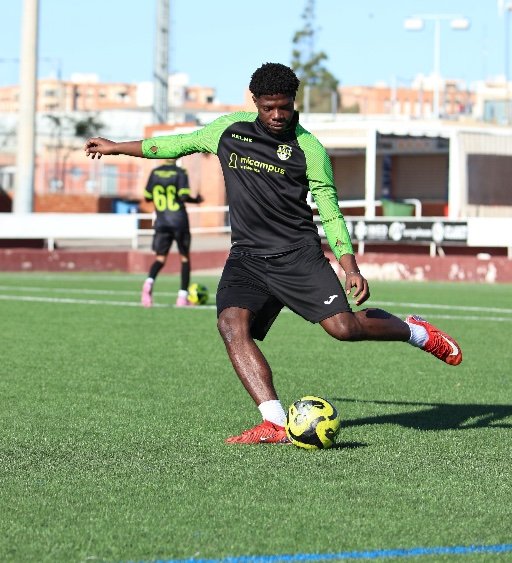
To help players play faster, try drills that get them reading the game earlier. Rondos, positional keep-away, and passing patterns with triggers all work well. The goal isn’t to force one-touch play every time, but to help players pick the right touch more quickly. UEFA’s technical reports highlight how reaction and scanning help develop speed, while The FA stresses the importance of scanning, timing passes, and practicing in realistic situations. Small-sided games are also useful because they give players more chances to make decisions while keeping the game realistic.
A simple way to coach this is to add one rule at a time. For example, ask every player to scan before getting the ball. When a team wins the ball back, encourage the first pass to go forward if possible. You can also give double points if a team plays through the middle zone after two quick actions. These small tweaks help players think and play faster without making the drill too strict. Switching roles in the drill also lets each player experience new situations, passing angles, and decisions, instead of always seeing the exercise from the same position.
Which Technical Football Drills Build Ball Security Under Pressure?
Tight-space drills teach players to stay calm and control the ball when under pressure. In small spaces, there is little time or room, so players must protect the ball, use quick touches, and make smart choices when challenged. These drills quickly improve ball security. A good way to set this up is with a tight 2v2 or 3v3 box, using end players or gates. The first goal is to keep possession, and the second is to play out with purpose. Clear rules help players learn: shield and turn, use escape touches to get away from pressure, and take your first touch away from defenders whenever possible. Coaching points matter too: scan before the ball arrives, keep your body between the ball and your opponent, receive on the safe side, and only turn when it is safe. These habits help players stay calm in real games, not just look good in practice.
SEE HOW THE TRIAL PATHWAY IN SPAIN WORKS
Technical progress matters more when it is tested against strong opposition in the right environment. See how our players move from daily training into matches and trial opportunities in Spain.
Explore football trials in Spain
What Are Technical Football Drills You Can Do With No Partner?
You can improve your football skills on your own if you practice in a realistic way. Focus on doing lots of quality reps, using real game angles, and aiming for clear targets. It’s not just about touching the ball, you want to repeat useful moves until you can do them well, even under pressure. Even with just a small space, a wall, a rebounder, a small goal, a few cones, and some target zones, you can get in solid technical work.
Some good solo drills are:
- Wall passes using both one-touch and two-touch variations
- First-touch gates from a variety of angles
- Inside and outside ball control with both feet
- Passing with your weaker foot into marked targets
- Turning and accelerating after each reception
- Dribbling through a slalom with close control and finishing with a shot
Solo practice is your chance to focus on the details. Team training shows if your skills hold up under pressure. Make your solo drills feel like real football by using game-like angles, keeping good body shape, scanning the field, and aiming for clear targets. To prepare for pressure, make drills harder by shrinking the space, moving faster, limiting touches, using your weaker foot, setting a time limit, or finishing with a shot or a specific exit. This helps you keep improving your technique and makes your practice feel more like a real match.
What Are Technical Finishing Drills That Improve Strike Quality?
The best finishing drills help players improve their ability to make solid contact with the ball before moving on to more challenging challenges.Start with simple, focused repetitions on the surface you want to improve, such as laces strikes, inside-foot finishes, first-time shots, and volleys. Then, change up the surface and angle so players don’t get stuck practicing just one type of finish. Practice finishing from different approach lines, receiving passes from both sides, and switching between laces, inside foot, and volleys. A simple progression works well: begin with clean, unopposed contact, then try finishing while moving, add some passive pressure, and finally introduce live pressure. This method follows the main idea that players need lots of repetition, but training should eventually look and feel like a real game.
If you have trouble finishing, try recording your shots. Watching the video can help you spot technical mistakes you might not notice while playing, such as where you put your plant foot, your contact point, your body shape, or if you lean back when you strike the ball.
How Can You Get Technical In Football?
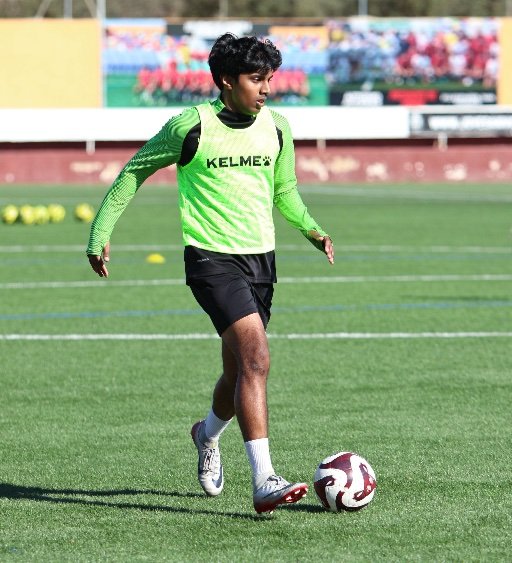
If you want to get better at football, set a clear goal for each training session and repeat the right actions until you can do them under pressure. Choose one skill to focus on at a time to keep things simple. Practice that skill with lots of clean repetitions. Use feedback from a coach, video, or your own observations to quickly fix any mistakes. Keep in mind that real progress comes from steady effort over weeks, not just one good session.
Give each drill a purpose by setting a target, a time limit, and a way to measure your results.Count your clean repetitions, successful plays, or accurate finishes within the set time. This lets you track your progress and keeps your training on track. Make it a habit to look around the field before you get the ball, as this helps you make better decisions and control your next touch. Practice using both feet and every part of your foot, inside, outside, laces, and sole, because each one gives you more options when you’re under pressure.
Before moving on to a new exercise, try to make the current one more challenging. You can do this by making the space smaller, moving faster, adding pressure, or aiming for a higher score. Once you’ve done that, test your skills in real situations, such as opposed drills, small-sided games, or live finishing. Even if you’re busy, a simple weekly routine can help: two focused technical sessions, one short solo wall or ball-mastery session, your team training, and one match or conditioned game are enough for steady progress as long as you keep the quality high.
BUILD BETTER SOLO REPS BETWEEN TEAM SESSIONS
Team training is important, but extra technical work still matters. Use this guide to structure individual sessions so your weaker foot, first touch and passing accuracy keep improving between coached sessions.
Read the individual training guide