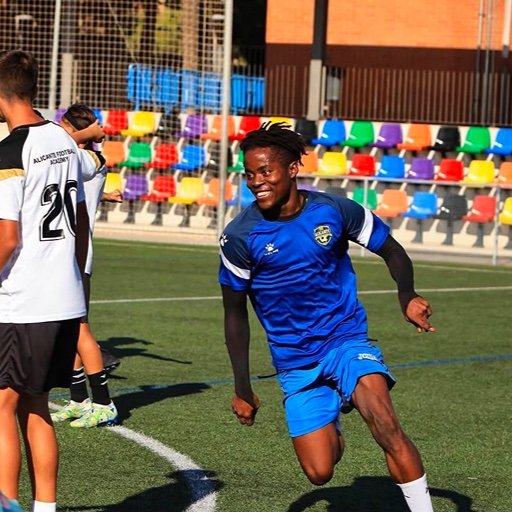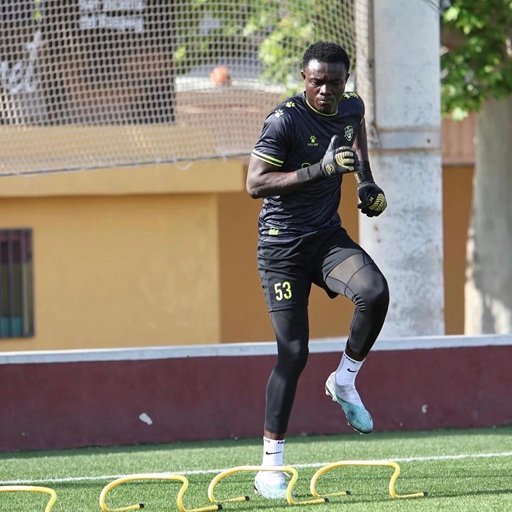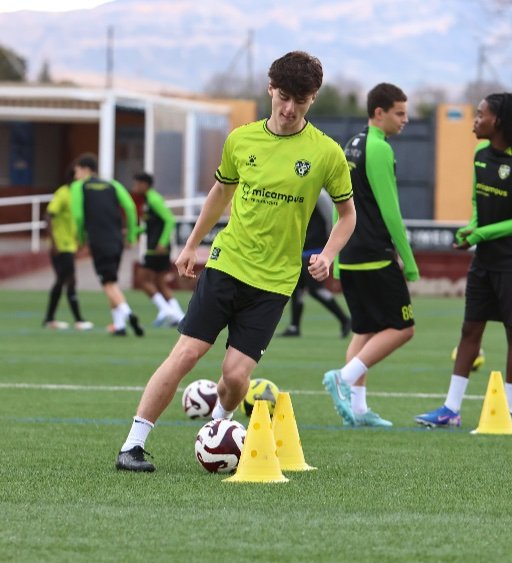

Key Takeaways
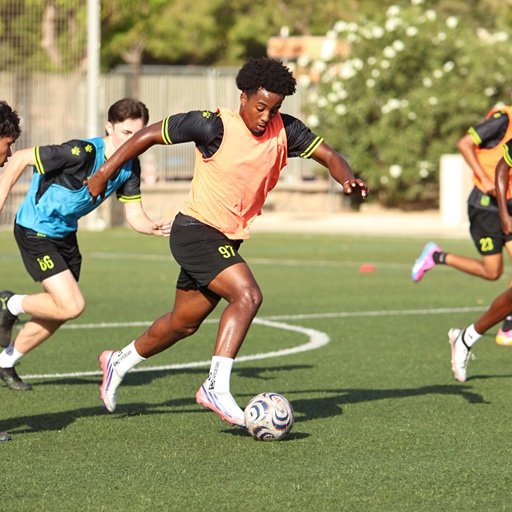
- Keep drills straightforward. Focus on one main skill and give kids plenty of chances to practice it.
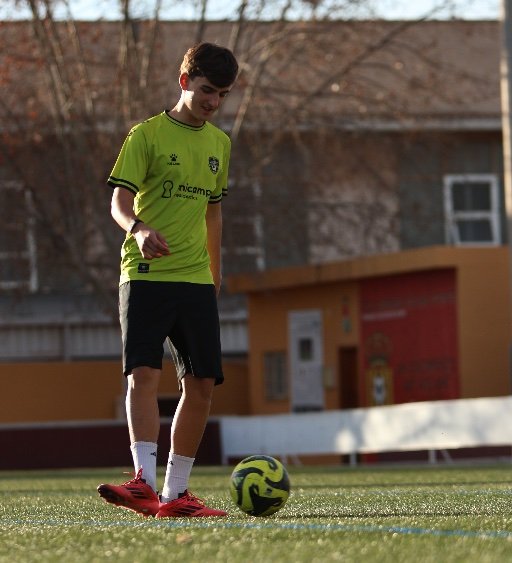
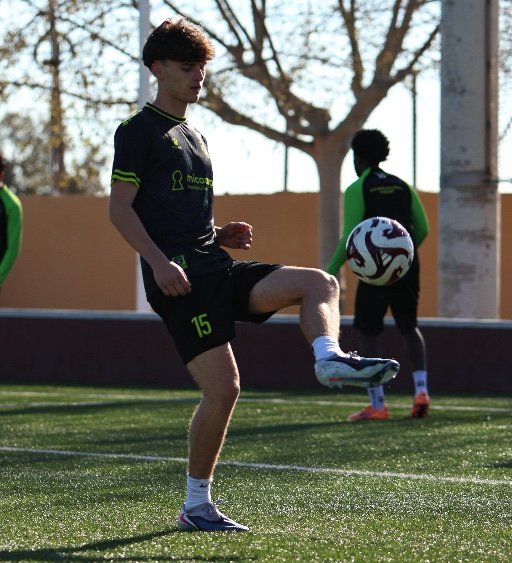
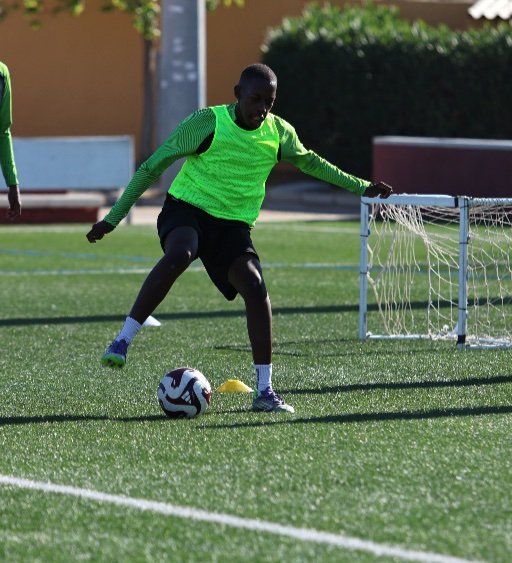
- Make sure the ball is the focus. Kids are here because they want to play football.
- Use small groups so there are fewer lines. This way, everyone gets more touches and learns more.
- Start with basic control skills like dribbling, stopping, turning, and passing. Once they’re comfortable, add some pressure to help them make decisions.
- Make sure strength and speed activities fit the kids’ ages. Bodyweight exercises, balance work, jumping, landing, and short sprints are all they need.
- Always finish with something positive. End the session with a fun game or challenge so the kids are excited to return.
Table of Contents
Overview Of Football Drills For Kids
The best football drills for kids help them improve their touch, movement, decision-making, and confidence. In this guide, we share simple drills for different ages, show how to choose the right ones based on age, skill, and space, and give easy session ideas for parents and coaches. We suggest lots of ball contact, basic ball-familiarity activities, and small-sided games. Smaller spaces give kids more touches, while bigger spaces let them run with the ball more.
Start by thinking about the players’ ages, their skill levels, and how much space you have. Younger or beginner players do best with simple drills that give them lots of touches and only a few decisions to make. Older or more advanced players can handle more pressure and direction. You do not need much equipment for a good session. Ideally, have one ball per child, 6 to 12 cones, two mini goals or cone goals, and two different bib colours. Setting up should take less than five minutes, explanations should be under 30 seconds, and using small groups keeps kids active with little waiting.
Safety matters too. Players should wear the right shoes and shinguards, remove any jewellery, and younger kids should avoid heading the ball. The best drills have one clear goal, lots of practice, and just one small decision to make, and in 2026 that remains one of the best ways to keep children learning without overcomplicating the session. That is why we keep sessions simple, repeat the main actions, and then make it more realistic by adding a defender, a time limit, or a goal to attack.
What best describes your child right now?
How much space do you have for the session?
Solution:
Use a short home ball-mastery session with toe taps, foundations, inside-outside touches, wall passes, and two-cone turns. Keep rounds brief, use both feet, and focus on comfort with the ball rather than speed.
Solution:
Use beginner game-based drills like traffic lights dribbling, gates dribbling, turn-around-the-cone, and simple pair passing through a gate. Keep explanations under 30 seconds and praise effort, bravery, and trying again.
How much space do you have for the session?
Solution:
Use tighter decision-making drills in a small area, such as quick passing through gates, first-touch challenges, shield-and-escape in a small box, and timed weaker-foot ball-control rounds. Track simple scores so progress stays clear and motivating.
Solution:
Use opposed and game-like practices such as 1v1, 2v1, 2v2, end-zone games, and mini goals with quick restarts. Add a defender, reduce time and space, and reward fast decisions, teamwork, and scanning under pressure.
What Are The Best Football Drills For Kids For Quick Skill Progress
A good drill gives kids three things at once: repetition, a simple football decision, and clear feedback.
Repetition matters because kids need plenty of good touches on the ball before a movement feels natural. Decision-making is just as important, since football is more than technique. Players must choose when to stop, turn, pass, speed up, or protect the ball. Clear feedback helps kids improve faster because they understand what “better” looks like. England Football’s advice for young players focuses on ball mastery, but also links it to real football situations like dribbling, turning, receiving, and shielding.
The easiest way to track progress is to set clear, simple targets. For example:
- Total touches in 30 seconds
- Accurate passes through a gate
- Turns completed without losing the ball
- Shots on target out of 10
- Successful weaker-foot touches
- Escapes from pressure in a 1v1 box
We use this a lot with younger players because it gives them a real goal to aim for, but doesn’t make the session feel like schoolwork. Kids don’t need a complicated report. They just need to see that last week they made 6 accurate passes, and this week they made 9.
A short rotation plan also helps kids practice skills and keeps them from getting bored.
Here’s a simple example:
| Station | Time | Main focus | Simple score |
|---|---|---|---|
| Gates dribbling | 4 min | Close control and scanning | Gates completed |
| Passing through gates | 4 min | Accuracy and first touch | Clean passes |
| 1v1 shield and escape | 4 min | Protecting the ball | Escapes completed |
| Mini game | 6 min | Decisions under pressure | Goals or assists |
That kind of structure works well because the skill theme stays similar, but the picture changes often enough to keep attention high.
Ready For A More Structured Football Environment?
If casual team sessions are no longer enough and your family is starting to think seriously about the next stage, our application page is the right place to begin. We review every inquiry properly and explain the process clearly.
Apply to join
What Are Basic Football Drills For Kids For First Time Players
When starting out, beginners should focus on getting comfortable with the ball instead of worrying about tactics.
This means getting used to the ball and learning how to stop, start, turn, dribble, and make simple passes. England Football suggests that kids aged 5 to 11 should begin with ball mastery, which matches what we see in real sessions. When children can control the ball well, they usually enjoy training more and feel less stressed when things get difficult.
Here are some great drills for beginners:
- Traffic lights dribbling helps with stopping and speeding up.
- Gates dribbling builds close control and awareness.
- Toe taps and foundations improve ball familiarity.
- Turning around the cone teaches how to change direction.
- A simple pair passing through a gate helps with basic passing and receiving.
The best coaching tips are simple: take small touches, keep your head up, use both feet, stop the ball well, and pass, then move. Young kids do not need long technical talks. They learn better when you give them one tip at a time.
Building confidence is just as important. For beginners, it helps to praise effort, bravery, and trying again before focusing on perfect skills. This keeps shy players involved and reminds everyone that mistakes are a normal part of learning football, not a sign they are bad at it.
How Do You Organise Football Training Sessions For Kids So Everyone Stays Involved
To keep kids interested, try not to make them stand in long lines.
Get everyone involved by making small groups, using more than one ball, setting up clear stations, and keeping each round short. England Football recommends a whole-part-whole method: begin with a game, split into smaller groups to practice a skill, then end with another game. This way, kids spend more time playing real football and get lots of chances to work on their skills.
This is how we usually run sessions for kids:
- We put kids in groups of 3 to 5 instead of having 10 to 12 waiting in one line.
- Whenever we can, each player gets their own ball.
- We keep our instructions brief, usually less than 30 seconds.
- Players switch roles every 3 to 6 minutes.
- If the ball goes out, we start playing again right away.
- Roles change often, so attackers become defenders and defenders become attackers.
It’s important to restart play quickly. If there’s a long break, kids lose energy and focus.
That’s why academy-style sessions work so well. Training in small groups with clear rotations and simple rules keeps kids moving and makes learning fun. No one has to wait for their turn, which is what sets a good session apart from a disorganized one.
Compare Programme Options Before You Decide
Different players need different timeframes. Compare the main academy options, see what is included, and get a clearer picture of costs before making a commitment.
View programmes and pricing
What Football Exercises For Kids Improve Motor Skills And Physical Development
For young players, physical development means learning to move better, not focusing on hard conditioning.
The key skills to work on are agility, balance, coordination, and speed. Players use these skills all the time in football, such as when they turn, land, stop, speed up, or change direction. The WHO suggests kids should move every day, and in football, it’s usually better to teach this through play rather than long fitness drills.
Short, fun movement activities work best, especially when they connect directly to football. Here are some examples:
- Side shuffles that lead into dribbling
- Hopping and sticking before receiving a pass
- Quick ladder steps before taking a shot
- Sprinting, stopping, and turning back to the ball
- Balancing on one leg before making a pass
- Chasing and recovering the ball in races
Children also need plenty of breaks and activities that match their age. We prefer short activity times, quick breaks, and lots of chances to get moving again. For younger kids, this often means more fun, shorter sessions, and less talking.
What Kids Football Home Training Drills Improve Ball Control Quickly
If you practice at home with short, regular, and focused sessions, you can quickly get better at ball control.
Some of the best home drills are simple ball mastery exercises you can do every day, such as toe taps, foundations, inside-outside touches, pull-pushes, wall passes, and cone turns. You don’t need a full soccer field. A small patio, driveway, garden, or park space is enough for good practice.
Here is an example of a simple 12-minute home training routine:
- 2 minutes of toe taps
- 2 minutes of foundations
- 2 minutes of inside-outside touches
- 3 minutes of wall passes
- 3 minutes of turning around two cones
The easiest way to track your progress is to use timed rounds and set accuracy goals. For example, count how many clean foundations you can do in 30 seconds, how many wall passes come back cleanly, or how many turns you finish without losing control. This method keeps your goals clear and gives you real proof that you are improving.
We also suggest using both feet from the start. It is much easier to build this habit early than to fix it later. Even if you are a beginner, try to include a few repetitions with your weaker foot in every round instead of waiting until you are older.
How To Incorporate Different Games In The Drills To Teach Different Skills
Games are a simple way to teach football skills and keep training from feeling repetitive.
FIFA’s Football for Schools program focuses on learning through fun football activities and building life skills. UEFA also encourages coaches to help children grow as people, not just as players. A good kids’ session can teach football skills, confidence, teamwork, and decision-making all at once.
Here are some great games to include:
- Bulldog dribble: helps with close control, changing direction, and being brave in crowded areas
- Treasure hunt: builds acceleration, turning skills, and quick returns
- Numbers game: improves reactions, transitions, and finishing under pressure
- Knockout: develops shielding, awareness, and recovery skills
- 2v2 to mini goals: encourages teamwork, spacing, passing, and finishing
- End-zone game: teaches timing runs, scanning, and passing into space
Each game should focus on one main learning point. This keeps the session fun and useful.
What Youth Football Training Exercises Build Strength And Speed Safely
When training children for strength and speed, the focus should be on safety, simplicity, and good technique.
This usually involves using bodyweight exercises, focusing on good movement, warming up properly, and making sure there is enough rest. Research articles in PubMed support this method. They show that resistance training for children and teens is safe and helpful when it is supervised, matches their development, and uses good technique instead of heavy weights.
Safe youth training examples include:
- Bodyweight squats
- Split-squat holds
- Calf raises
- Plank variations
- Low pogo jumps
- Jump-and-stick landings
- 5 to 10 metre sprint starts
- Deceleration and turn drills
A good warm-up is important as well. The FIFA 11+ Kids program was created as a structured warm-up for children’s football. Studies listed in PubMed have found that groups using this program have fewer injuries than those who do not.
We also like to include these movements in football drills, rather than making them a separate gym activity. For example, a player can hop, land, react, sprint, and then receive a pass all in one drill. This approach feels more natural for children and keeps the training focused on football.
Build Better Home Habits Between Team Sessions
Team training is only part of the picture. This guide shows how to organise short home sessions so touch, passing, and finishing keep improving during the week.
Read the home practice guide
What Training Drills For Football Youth Build Speed And Decision Making
As kids get better, training should shift from just practicing technique to using those skills under pressure.
This is when scanning really matters. As kids develop, the question becomes not just “Can you control the ball?” but “Can you control it, look up, and make the right choice quickly?”
Here are some safe ways to help kids build these skills:
- Start by adding a passive defender, then move to an active defender.
- Make the playing area a bit smaller.
- Set a time limit for each activity.
- Give extra points when players make quick decisions.
- Ask players to make a decision right after their first touch.
- Play short rounds of 1v1, 2v1, 2v2, and 3v2 games.
For example, you can start with a passing triangle and then add a defender who tries to intercept. The technique is the same, but now players need to scan earlier and react more quickly.
Drills To Implement Teamwork And Sportsmanship In Children
Teaching teamwork and sportsmanship is simpler when these values are built into the rules.
FIFA’s Football for Schools program connects football with life skills, while UEFA’s child-focused advice supports growth that is about more than just winning.
We use a few simple methods to do this:
- Every child must rotate roles
- Teams earn points for encouragement
- Extra point for an assist
- Extra point if everyone touches the ball
- Quick restarts after disagreements
- Captain role rotates each round
This way, kids learn to share, communicate, and show respect, all without turning the session into a lecture.
We also recognize fair play and effort, not just goals. For example, a player who helps a teammate up, quickly accepts a decision, or encourages someone after a mistake is making an important contribution too.
When kids disagree, simple conflict rules are most effective:
You can use the coach’s ball, replay the play, or restart right away. Long arguments slow things down, but quick resets keep everyone involved.
What Core Skills Targeted By Football Drills Matter Most For Children
Children usually focus on these main priorities:
- Dribbling
- Passing
- Receiving
- Shooting
- Turning
- Basic defending
- Scanning
- Balance and body control
The order is important. We start by teaching control, then move on to decision-making. Players first learn how to handle the ball. Next, they practice moving, turning, and passing. Once they are comfortable, we challenge them to do these skills with less time, less space, and more pressure.
It’s also helpful to practice the same skill in different games. For example, turning can be part of cone drills, treasure hunts, bulldog, shield-and-escape, or a 1v1 game. Repeating the skill is important, but using new games keeps things interesting.
How Do You Plan A Football Training Session For Kids From Warmup To Cool Down
Here’s a basic structure for a kids’ session:
- Warm-up
- Skill block
- Game block
- Cool down and quick reflection
For younger kids, keep activities short and playful. Here’s an example for ages 5 to 8:
- 5 minutes warm-up with movement and ball touches
- 6 minutes simple dribbling game
- 6 minutes passing or turning activity
- 8 minutes small-sided game
- 3 minutes for cool down and a quick success question
For older kids, like those ages 9 to 12, you can make each block a little longer:
- 8 minutes warm-up
- 10 minutes technical block
- 10 minutes opposed practice
- 12 minutes game
- 5 minutes cool down and review
We also like to finish with a success moment. Ask the child a simple question: what did you do better today? This keeps things positive and gives them something to remember as they leave.
Know What Actually Matters At 11
Parents often focus on goals or tricks too early. This guide breaks down what scouts usually notice in 11-year-olds, from first touch and reactions to mistakes to work rate and behaviour.
Read what scouts look for