
Key Takeaways
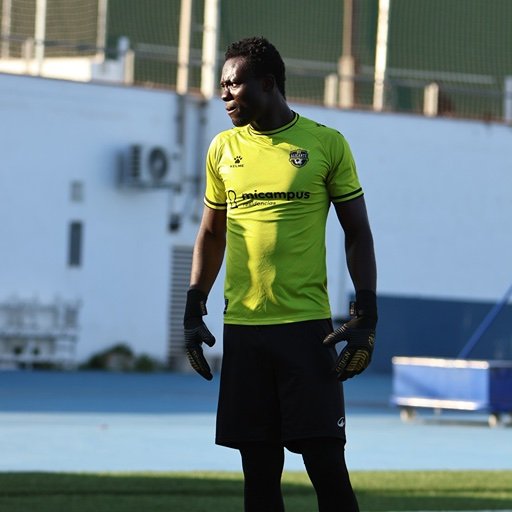
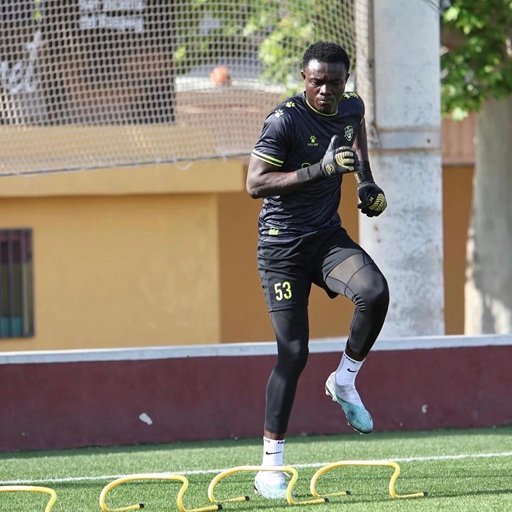
- Many players say that the goalkeeper position is the most difficult because it is very specialized and even the smallest mistakes can have major consequences.
- For outfield players, the defensive midfielder position (number 6 or CDM) is usually the most difficult, as it demands constant attention and the handling of defensive transitions.
- If your team expects the full-backs to join the attack, playing as a wing-back or full-back becomes much more difficult due to all the sprints and individual defending.
- The most difficult position can vary depending on the tactics employed. For example, a high press forces midfielders to work harder, while a high defensive line puts more pressure on the center-backs.
Table of Contents
What Is The Hardest Position In Soccer?
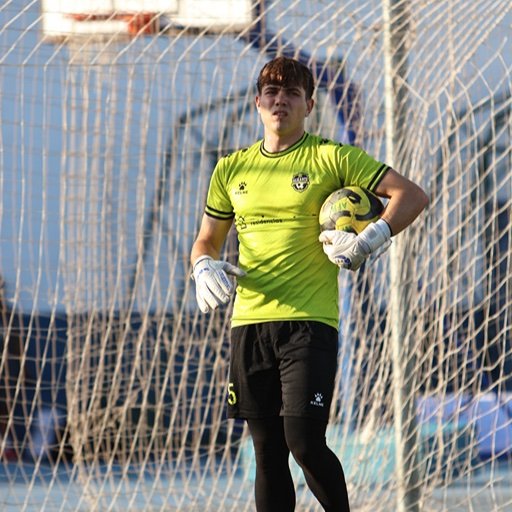
Most players say that goalkeeper is the hardest position in soccer.
This isn’t because goalkeepers run the most. Instead, they have to handle:
- A very small margin for error
- The most pressure on every action
- And the most specialized skills, such as diving, handling, and passing the ball
At the top level, though, the answer can change. The hardest position often depends on the team’s style, the league, and each player’s strengths, which is even more relevant in 2026 as roles keep changing with pressing demands, build-up expectations, and tactical flexibility. What feels impossible for one player might be easy for another.
If we focus on outfield positions, the defensive midfielder (the #6 or CDM) is usually the hardest to play well in every game. This player has to handle pressure, protect the center, and a single mistake can quickly lead to a counterattack.
To be fair, we can judge which position is hardest by looking at five things:
- Mental pressure, such as how much mistakes matter and how well you can recover emotionally
- Physical workload, including distance covered, sprints, and recoveries
- Tactical responsibility, or how much your positioning affects the whole team
- Technical difficulty, meaning how well you perform under pressure
- Margin for error, or how often a single mistake leads to a scoring chance
What Are The Top Factors Influencing Position Difficulty?
Most debates about the hardest position usually focus on three main factors:
- Mistake cost: Does a single error lead to a big chance for the opponent?
For example, if a goalkeeper misjudges a cross, it can lead to a goal. If a #6 loses the ball while facing their own goal, it often results in an instant counterattack through the middle. - Decision speed: Do you have time to make choices, or are you under immediate pressure?
For example, when your center-back passes to the #6, an opponent might close in from your blind side. You then have just one touch to protect the ball, pass it back, or switch play. - Workload: Are you constantly sprinting, battling for the ball, and recovering throughout the game?
For example, fullbacks and wide midfielders often make high-speed runs forward, then have to sprint back 30 to 40 meters during transitions, and then press again.
To make things easier to understand, we use a three-part model for difficulty:
- Physical difficulty: This includes repeated sprints, overlapping runs, recoveries, and pressing.
You see this when you have to sprint back after an attack breaks down, and then still defend against the next cross or cutback. - Tactical difficulty: This involves managing space, keeping the team’s shape, and handling transitions.
This comes up when your team loses the ball and you have to quickly decide whether to press, delay, or drop back to stop the counterattack and protect the center. - Technical difficulty: This means using specific skills or executing cleanly when under pressure.
You see this when a goalkeeper has to claim or punch the ball while under contact, or when a #6 has to receive the ball on the half-turn and play forward while under pressure.
From coaching experience, a position feels too hard when the instructions don’t match the player’s strengths in these areas. Good instructions make the role simpler, while the wrong ones can make things feel chaotic.
- To make things easier, give a #6 a clear third-man pattern like bounce and spin, set clear pressing triggers, and assign a consistent cover angle during transitions.
- To make the role harder, ask the same #6 to always play forward on the first touch, press man-to-man without cover, and receive the ball without support options nearby.
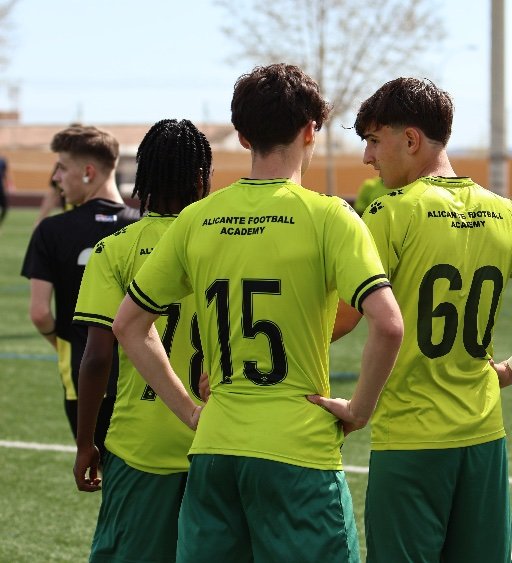
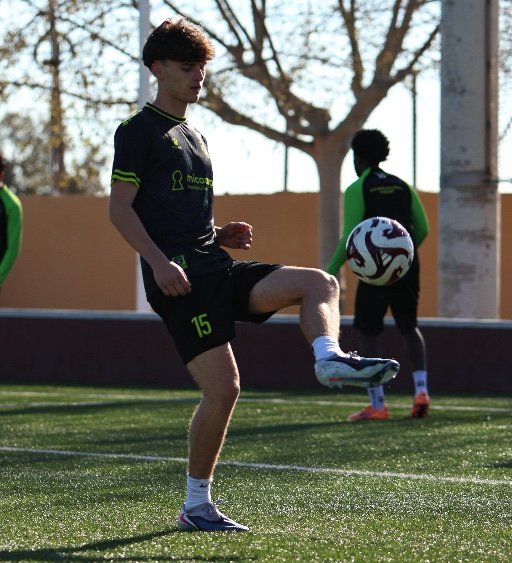
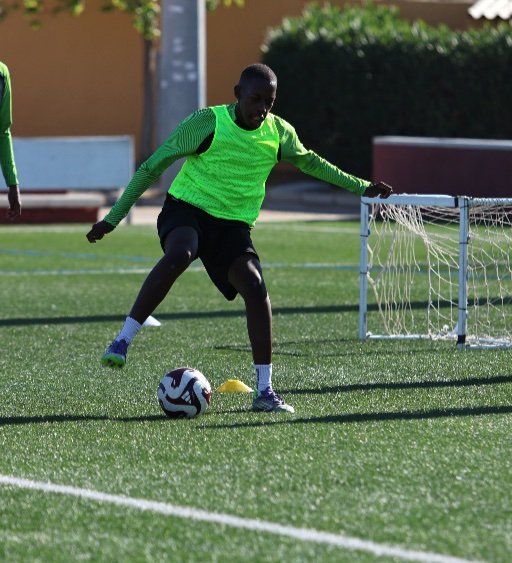
At Alicante Football Academy, we train these areas separately: technique under pressure, tactical scanning and positioning, and repeated high-intensity actions. Then we combine them in realistic game scenarios so the role feels familiar instead of chaotic.
If you want a quick rule that helps in any position, focus on these three habits:
- Scan twice before the ball arrives, once early and once just before receiving it.
- Take your first touch away from pressure, not toward it.
- Win the first three seconds after losing the ball by pressing, delaying, or recovering quickly.
WANT TO TRAIN FOR THE POSITIONS THAT GET EXPOSED FIRST?
We build position-specific sessions (especially for keepers, #6s, and wing-backs) and then pressure-test them in competitive games and trials.
Apply to train at Alicante Football Academy
What Is The Hardest Position In Football By Tactics, Consequences And Workload?
The hardest position is usually the one where you have to cover a lot of ground and are left exposed. You’re constantly juggling different demands, and any mistake gets noticed right away.
There are two things that can make a position more difficult right away:
- First, the quality of your opponent matters. It depends on how quickly they press, how strong they are in duels, and how fast they attack open space.
- Second, coaching instructions can make things harder. Even a job that looks simple can become complicated quickly, depending on pressing cues, build-up patterns, and defensive shape.
Before we continue, let’s clear up a few common myths:
- “Full-back is easy” only until you have to overlap, defend one-on-one, and sprint back 40 meters during a transition.
- “The keeper just stands there” until you’re managing your position, organizing the defense, and making a single play that could decide the whole game.
- “Wingers don’t defend” until your team needs you to press, track the opposing full-back, and cover the half-space.
What Is The Most Difficult Position In Football Because Only One Player Starts?
The goalkeeper position is unique because there is only one spot, and teams don’t rotate goalkeepers as often as outfield players. This gives keepers fewer chances to win back their place if they lose it. A goalkeeper can play well for almost the entire match, but a single mistake can decide the outcome. That’s the pressure they face: not many opportunities to recover from errors, and every move matters more.
What Is The Toughest Position In Football Because Of Mental Burden And Concentration?
Goalkeeper is still the top choice, with center back in a high line not far behind. Both positions require:
- Need to stay focused for the full 90 minutes, even though you don’t get the ball much. Sometimes, you might go 10 minutes without doing anything, then suddenly have to stop a shot that could change the game.
- After letting in a goal, it’s important to control your emotions quickly. Pick up the ball, reset, and play as if the score is still 0-0.
- It’s key to manage your confidence and recover from mistakes. Stay bold in your decisions, keep challenging for crosses, and always ask for the ball.
- You also need to talk to your teammates constantly, organize them, give warnings, help keep everyone calm, and make sure the defensive line stays together.
What Is The Hardest Position In Football In Most Tactical Systems?
What Is The Hardest Position In Football In Most Tactical Systems?
The hardest position often depends on how the team plays. These three roles are the most common:
- #6 or defensive midfielder: has the highest risk of losing the ball in the middle and the hardest job when the team has to defend quickly. If they lose the ball, the team has to stop a counterattack through the center right away.
- Full-back or wing-back: deals with a lot of work and faces many one-on-one battles. They need to overlap, get back, defend wide spaces, and keep doing these tasks all game.
- #10 or attacking midfielder: has a big job creating chances and is the first to press when the team loses the ball. They have to break down organized defenses and press quickly if possession is lost.
Here are some examples that depend on how a team plays:
- Teams that focus on keeping the ball and building up play make the #6’s job tougher, because they have to handle more touches while under pressure.
- Teams that play a counter-attacking or direct style make things harder for full-backs and wing-backs, since they have to recover more often and defend wide areas more often.
- Teams that rely on creativity put more pressure on the #10, who has greater responsibility for making the final pass or taking the key shot.
What makes a position feel hardest to you in real matches?
Which situation sounds more like the role you want to handle better?
Solution:
Focus on goalkeeper habits. Train set position, handling, footwork, communication, and emotional reset after mistakes. This is the best fit if you are under pressure in one-v-one actions, crosses, or moments where one error changes the score.
Solution:
Focus on the #6 or defensive midfield role. Train scanning before receiving, body shape on the half-turn, first touch away from pressure, and immediate reaction after turnovers. This is the best fit if you want to control the middle and survive pressure from all sides.
Which situation sounds more like the role you want to handle better?
Solution:
Focus on center-back development, especially for a high line. Train timing, depth control, aerial duels, communication, and decision-making when to step or drop. This is the best fit if you are exposed by fast strikers and your positioning affects the whole back line.
Solution:
Focus on full-back or wing-back demands. Train repeated sprint ability, one-v-one defending, recovery runs, overlapping timing, and transition awareness. This is the best fit if your role requires constant up-and-down running and defending wide spaces under fatigue.
What Is The Hardest Position In Football When Mistakes Trigger Fast Counterattacks?
People often pick defensive midfield as the hardest position because the #6 plays right in the middle, which is the toughest part of the field.
Against a high press and tight defense, the middle of the field closes up fast. Passing options disappear, pressure comes from all sides, and you usually get the ball with a defender right behind you. So, the biggest challenge is scanning the field and controlling the ball well under pressure.
FIFA’s World Cup physical analysis explains why this role is so tough. It says centre-backs and defensive midfielders run about 70 to 85 percent of their high-intensity and sprint distances without the ball, mostly by pressing, recovering, and making transition runs. This lines up with what we see in training at Alicante: the #6 has to scan, decide, and react faster than almost anyone. The hardest moments are right after losing the ball, since one bad touch can lead straight to a counterattack.
What Is The Hardest Position In Football When Workload And Sprint Volume Dominate?
Full-backs and wing-backs really stand out here. Their job involves sprinting, overlapping, recovering, and defending one-on-one out wide, then repeating the process. That’s why these roles are often considered some of the toughest on the pitch.
UEFA’s EURO 2024 physical analysis showed that central midfielders ran an average of 10,924 meters per match, while wide defenders averaged 10,209 meters. But wide defenders sprinted much more in Speed Zone 5 (over 25 km/h), covering about 166 meters compared to 96 meters for central midfielders.
A peer-reviewed study explains why. Full-backs can cover about 10% of their total distance in high-intensity runs, mostly by overlapping during transitions and attacking phases.
Game situations also matter a lot. When your team is ahead, you usually do more recovery runs and emergency defending out wide. If you’re behind, you push higher up the field and make more overlapping runs and counter-pressing sprints.
What Is The Hardest Position In Soccer When Ranking The Most Demanding Roles?
If we look at which positions face the most pressure, need quick decisions, and have the heaviest workload, three roles stand out:
- Goalkeeper: faces high pressure and needs special skills.
- Defensive midfielder (the number 6): must make fast decisions and handle a big tactical load.
- Wing-back or full-back: covers a lot of ground with constant sprinting.
Here’s a quick scorecard we use as a starting point.
Position difficulty scorecard (typical competitive 11v11 match)
| Position | Mistake cost (1–5) | Decision speed | Workload (1–5) | Technical specificity (1–5) | Why players struggle first |
|---|---|---|---|---|---|
| Goalkeeper | 5 | 4 | 2 | 5 | One error becomes a goal; specialised technique; isolation |
| Defensive midfielder (#6) | 4 | 5 | 4 | 4 | Pressure from all sides; transitions; risky passes |
| Full-back / wing-back | 3 | 4 | 5 | 3 | Repeat sprints + wide 1v1 defending |
| Central midfielder (#8) | 3 | 5 | 4 | 4 | Scanning + tempo control under press |
| Center back | 4 | 3 | 3 | 4 | High-line risk; duels; build-up responsibility |
| Winger / wide forward | 2 | 4 | 4 | 4 | Output judged by moments; must track back |
| Striker | 3 | 3 | 3 | 4 | Limited chances; finishing under pressure |
CHECK PROGRAMME OPTIONS AND PRICING
Compare programme options and what’s included before you decide.
View pricing
What Makes The Goalkeeper Position So Difficult?
Being a goalkeeper isn’t easy. Sometimes, they have nothing to do for a while, but then one moment can suddenly decide the outcome of the game.
The challenge isn’t just about handling pressure. Goalkeepers need a mix of unique skills and must make quick, tough decisions:
- Shot-stopping relies on good positioning, quick footwork, explosive movement, and safe landings.
- When dealing with high balls, goalkeepers have to claim crosses under pressure and choose whether to punch the ball away or catch it.
- Distribution is about making short passes under pressure or sending accurate long balls to teammates.
- Goalkeepers feel pressure when facing one-on-ones, covering space behind a high defensive line, or going for crosses. Timing matters a lot, because being just a step early or late can result in a goal.
Goalkeepers have to follow special rules. The FA’s Laws of the Game say that if a goalkeeper handles the ball inside their penalty area when they’re not allowed, the other team is given an indirect free kick.
IFAB has also taken steps to stop time-wasting. If a goalkeeper holds the ball in their hands or arms for more than eight seconds, the referee starts a visible countdown and awards a corner kick to the other team.
Is Midfielder The Hardest Position In Football Because It Requires 360-Degree Awareness?
It’s definitely challenging. Midfielders usually have defenders closing in from every direction, so they get less space and time than most other players on the field.
Having “360° awareness” really helps in real games. Look around the field early and again right before you get the ball. Try to position your body so you can play forward, and use your first touch to move into open space and away from pressure. If you wait to make a decision until after the ball gets to you, it’s usually too late.
That’s why players in the middle have so little time on the ball. Defenders can press from both sides, block passing lanes, and pack the center with tight formations. If you take even one extra touch, you often lose possession.
Playing in midfield isn’t just one job. A #6, #8, and #10 all deal with different kinds of pressure, spaces, and decisions. How hard it is depends on your specific role in midfield.
Is Center Mid A Hard Position In Football Because It Connects Defense And Attack?
Yes, you are the link between the lines. As a central midfielder, you need to handle pressure, connect passes, and move the ball forward when the chance comes.
A central midfielder needs to balance several things:
- Keeping the ball safe when needed,
- Moving the play forward by breaking through the opposition,
- Controlling the tempo to keep the team organized.
There is also important defensive work: making recovery runs, covering space during transitions, and tracking midfield runners when your team loses possession.
Is CDM The Hardest Position In Football Because It Controls Defensive Transitions?
Yes, usually.
The #6 acts as a shield in front of the center-backs. Your main job is to cover space, protect the middle, and help the defenders by stopping passes into dangerous central areas.
The main challenge is knowing when to:
- Cut off passing lanes by staying connected, blocking passes to the striker or number 10, and forcing play out wide, and when to
- Step up to press, making sure you go at the right moment to win the ball without leaving a gap behind you.
Mistakes here are costly. If you lose the ball in front of the defenders, you often give the other team a quick counterattack through the middle, which is the hardest area to defend.
Here’s a simple rule for playing as a #6:
- Always protect the center first by screening the center-backs.
- Look around early so you know where the next pass is and where the nearest pressure is coming from.
- If you lose the ball, react right away. Press, delay, or make a smart foul if you have to.
Is Defender A Hard Position In Football Because Defending Is Mostly Reaction?
Defending might seem reactive, but the best defenders rely on anticipation and positioning, not just tackles.
Paying attention to small details can lead to big chances:
- Distance: If you get too close, you risk being turned. If you stay too far, you give the attacker space to shoot or pass.
- Angle: If you accidentally show the attacker inside, you open up the most dangerous area.
- Timing: Step too late, and the attacker can turn. Step too early, and they might play the ball behind you.
Defending is not something you do alone. Much of it is communicating and organizing the defensive line by shifting together, holding positions, stepping up, and covering for each other.
READY TO TEST YOUR POSITION IN A SERIOUS ENVIRONMENT?
If you want daily coaching in Spain and real competitive games to prove your level, our pathway is built for that.
Start your application for our academy programme
Is Center Back The Hardest Position In Soccer When You Face Elite Strikers?
It can be tough, especially if you’re playing in a high line. As a centre-back, you’re always choosing whether to step up or stay back, and you have to win both one-on-one duels and aerial battles because top strikers will exploit any weakness.
Managing the defensive line is a challenge on its own. You need to hold the offside line, control your depth so you’re not too high or too deep, and stay close to the full-backs and midfielders to avoid leaving gaps.
These days, defending isn’t your only job. You’re also expected to help build play under pressure by receiving the ball, looking up, passing forward, and breaking the first line without losing the ball near your own goal.
Is Winger A Hard Position In Football Because It Demands Both Creativity And Tracking Back?
Wingers have two main jobs: they create chances by taking on defenders, crossing, or making the final pass, and they also help out on defense by pressing, tracking back, and recovering the ball.
Wingers have to sprint over and over again. After attacking at full speed, they often need to run back 30 to 50 meters, defend one-on-one out wide, and quickly decide whether to push forward, link up with teammates, cross, or hold onto the ball.
The way a winger plays depends on the team’s system. A touchline winger stays wide to create one-on-one chances and send in crosses. An inverted winger moves inside to connect with others, shoot, and create in the half-space. This usually means the full-back needs to cover more ground on the outside.