
Key Takeaways
- Most injuries in football occur in the lower body, especially in the ankles, knees and muscle strains.
- Common injuries are not always the most serious. Even if something happens frequently, it doesn't always cause the worst problems.
- To reduce the risk, follow a routine that includes warm-up, muscle strengthening, balance improvement, and careful management of training load.
- If a player receives a blow to the head or shows signs of concussion, they must leave the game immediately and follow the correct steps before returning to play.
- If players do not undergo rehabilitation after an injury, they can develop long-term instability and become injured again.
Table of Contents
A Quick Look Into Soccer Injuries
Football injuries are generally divided into two types. Traumatic injuries happen suddenly, while overuse injuries develop from repeated stress over time. Here’s what each one means:
Traumatic injuries can result from things like a collision, a tackle, landing awkwardly, or a sudden twist.
Overuse injuries include issues such as shin pain, tendon irritation, or muscles that keep feeling tight.
Football, like many sports, involves both types of injuries. But the way injuries happen in football is influenced by repeated sprints, quick stops, sharp turns, and frequent contact. The game demands:
- Explosive sprinting
- Sharp cutting and pivoting
- Repeated deceleration
- Contact (even when you’re not expecting it)
That’s why we focus on the most important things you need to know:
- Recognise red flags early
- Reduce risk with a repeatable routine
- Return to play safely by following a plan instead of guessing.
Most injuries can be treated, but some situations need urgent medical care, and in 2026 players and parents should be even less willing to guess when head injuries, unstable knees, or possible fractures are involved.
FIFA highlights the importance of injury prevention in today’s game and offers practical tips to help players reduce risk and stay fit throughout the season (see FIFA’s injury prevention resources).
How Do Football Injuries Happen?
Most football injuries tend to happen for a few main reasons:
- Cutting or pivoting, when your foot stays planted but your body turns
- Decelerating, which means stopping quickly after a sprint
- Landing awkwardly after a jump, especially on your knee or ankle
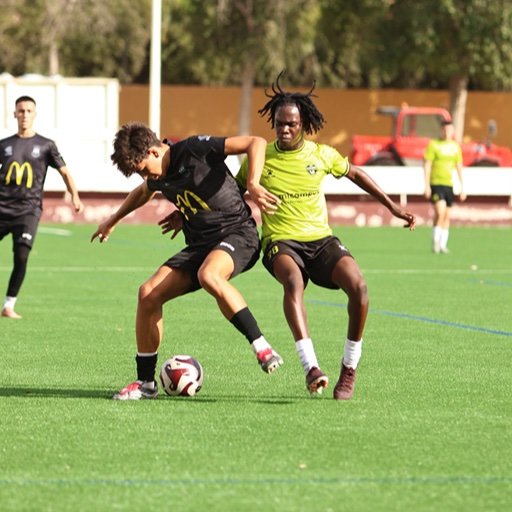
- Contact during tackles, collisions, or shoulder-to-shoulder plays
- Repetitive impact, like sudden increases in training, playing on hard surfaces, or lots of small repeated stresses
Coaches often see that fatigue changes how players move and make decisions. Later in training or games, players usually:
- Land with stiffer movements
- Make cuts with less control
- Take a bit longer to make decisions
- Tackle with poorer body positioning
There are a few simple risk factors we look for during training:
- Having a history of previous injuries (this is a big one)
- Weak control of the hips or core
- Poor balance when standing on one leg
- Not warming up enough, especially before sprints or high-speed drills
- Sudden jumps in training volume
This is consistent with what sports-medicine experts at CU Anschutz emphasize in their evidence-based overview of soccer injury prevention.
What Are The Most Common Football Injuries?
Here are the most common injuries you’ll see in football:
- Ankle injuries: sprains are the most common, but bruises and the occasional fracture also happen.
- Knee injuries: these include ligament injuries like ACL or MCL tears, meniscus irritation or tears, and pain around the kneecap.
- Muscle strains: these often affect the hamstrings, groin or adductors, hip flexors, and calves.
- Head injuries: concussions are less common but carry a higher risk.
- Overuse injuries: these include shin pain from too much load, irritation of the Achilles or patellar tendons, and recurring tightness that gets worse with sudden increases in training.
- Contact injuries: these are things like bruises, dead legs, or knocks to the ribs or shoulder.
Remember, the most common injuries aren’t always the most serious. Just because something happens a lot doesn’t mean it’s the worst outcome.
For example, a bruised thigh is common and bothersome, but an ACL tear or concussion is less frequent and can change a whole season. That’s why we group injuries like this:
- Common + manageable: mild strains, bruises, minor sprains
- Common but easy to mishandle: ankle sprains, especially if rehab is skipped.
- Less common but high risk: concussion, fractures, and major knee ligament injuries.
The types of injuries can change depending on the level of play.
In youth football, growth and training loads often lead to issues like shin pain and tendon irritation. In high-intensity academy or adult football, more sprinting and fast movements mean more hamstring, groin, and other muscle injuries. At the professional level, playing lots of matches and heavy training can increase overuse injuries and the risk of repeat problems if recovery isn’t managed well.
The most common injury (and why it happens)
Ankle sprains are one of the most common injuries. Football often puts players in situations where they have to cut, land, or make contact. Sometimes the foot gets stuck because of the studs, the body keeps moving, and the ankle rolls during a tackle, a bad landing, or a quick change of direction.
How to spot injuries quickly and what to do right away
On the field, the main goal is to protect the injured area and prevent a small problem from turning into something bigger.
- Stop the game and check the injury as soon as possible.
- Watch for signs like the joint giving way, fast swelling, any deformity, or severe pain.
- Protect or immobilize the area, use compression, and take the player out of the game.
- If you suspect a concussion, the player should not return to play that day and needs to be properly checked.
When to get a medical check (red flags)
Seek urgent medical help if you notice any of these signs:
- Suspected concussion, which can include confusion, headache, dizziness, vomiting, or symptoms that get worse.
- Visible deformity or a strong suspicion of a broken bone.
- Rapid swelling, especially in the knee.
- Instability, such as the knee or ankle feeling like it gives way.
- Inability to bear weight, severe pain, or numbness/tingling
Below is the quick guide we use when players ask, “Is this serious?”
| Injury type | What it often feels/looks like | What we do first on the pitch | When we treat it as urgent |
|---|---|---|---|
| Lateral ankle sprain | Rolled ankle, swelling, pain on outside | Stop, protect, assess walking, compression | Can’t walk 4 steps, severe swelling, deformity |
| Suspected ACL/MCL/meniscus | “Pop,” swelling, knee feels unstable/locking | Stop, avoid return, keep stable | Instability, rapid swelling, can’t continue |
| Hamstring strain | Sharp pain in back thigh when sprinting | Stop sprinting, gentle walk off | Sudden severe pain, bruising, can’t jog |
| Groin/adductor strain | Pain inside thigh/groin when cutting/kicking | Stop kicks/cuts, assess range | Pain with normal walking, significant weakness |
| Shin splints | Achy shin pain that worsens with running | Reduce load, check shoes/surface | Severe focal bone pain (possible stress injury) |
| Achilles tendon pain | Morning stiffness, pain on push-off | Stop explosive work, assess hopping | Sudden “snap,” inability to push off |
| Concussion | Headache, dizziness, confusion, vision issues | Immediate removal from play | Any symptoms after head impact |
| Fracture | Point tenderness, deformity, can’t use limb | Immobilise, seek medical help | Deformity, numbness, severe pain |
Train With A System That Protects Your Body
If you’re training every day, injury prevention can’t be an afterthought. See how we structure warm-ups, strength work, and training loads at Alicante Football Academy so players can stay consistent and keep improving.
Alicante Football Academy
What Are The Most Common Knee Football Injuries?
In football, knee injuries often affect the ligaments and cartilage, especially the ACL, MCL, and meniscus.
These injuries usually happen for a few main reasons:
- Twisting the knee while the foot stays in place
- The knee bending inward under pressure, which is called a valgus position
- Getting hit on the side of the knee, which often injures the MCL
- Landing in an awkward way after jumping
Some warning signs mean a player should stop playing right away, such as:
- Hearing or feeling a clear pop in the knee
- The knee swelling up quickly, especially within a few hours
- The knee feeling unstable or as if it might give out
- The knee is locking up
When these signs appear, the player often can’t trust their knee. Turning or changing direction might feel shaky, slowing down can hurt, or the knee may not fully bend or straighten. If a serious knee injury is suspected, do not let the player keep playing to see if it improves. Make sure to assess the injury properly before allowing them to return.
What Should You Know About Lateral Ankle Sprain And Ankle Sprains?
Ankle sprains are common in football since we’re always cutting, landing, and taking hits. Often, we’re balancing on one leg with our foot planted while our body keeps moving.
You can grade ankle sprains from mild to severe by checking your symptoms and how well you can move:
- Mild: Your ankle feels sore, there’s only a little swelling, and you can still walk or jog.
- Moderate: You’ll notice obvious swelling, pain when you push off, you might limp, and your balance can feel off.
- Severe: There’s a lot of swelling or bruising, your ankle feels unstable, and it’s hard or even impossible to put weight on it.
To get back on the field, first work on reducing swelling, getting your full range of motion back, and rebuilding strength and single-leg balance. Start with straight runs, then try controlled cuts, and finally move to full-speed direction changes. Taping or wearing a brace can help when you first return to cutting, but remember, it only supports you and doesn’t replace proper rehab.
Fit matters. If you use tape or a brace, make sure your boot still locks your heel in place without slipping, your toes have enough room, and the studs or sole match the playing surface so you don’t get too much traction.
If you skip rehab, you risk ongoing ankle instability. Your ankle might keep rolling, especially late in games when you’re tired.
Which Muscle Strains Are Most Common In Soccer?
Football players most often get strains in these areas:
- Hamstrings, usually strained when sprinting
- Groin or adductors, often hurt from cutting, moving sideways, or passing
- Hip flexors, which can get strained by kicking or speeding up repeatedly
- Calves, usually strained from pushing off again and again
A common mistake is mixing up muscle tightness with an actual strain.
- Muscle tightness usually goes away as you warm up.
- A real strain feels sharper, gets worse when you move faster, and is even more noticeable the next day.
Strains often return because players start playing again when jogging feels fine, but their muscles are not ready for fast sprinting. That’s why we slowly increase speed instead of testing with a full sprint right away.
What Are Shin Splints And How Do They Affect Football Players?
Shin splints, also known as medial tibial stress syndrome, cause an ache or pain along your shin bone. The discomfort usually gets worse with running and can stick around after you finish training.
In football, shin pain often shows up when:
- Training load increases quickly (pre-season spike)
- Surfaces change (harder pitch, more sprint reps)
- Footwear is worn out or not suited to the surface
Our first steps are usually:
- Adjust load (reduce running volume temporarily)
- Review boots and insoles
- Strengthen calves and foot control gradually
- Prioritise recovery (sleep, spacing high-impact sessions)
If shin pain becomes very focused and sharp, especially when you are resting, we take it more seriously and suggest getting a clinical assessment. Stress injuries need a different approach to treatment.
What Are Achilles Tendon Injuries And Why Do They Matter In Football?
The Achilles tendon is important for sprinting and jumping because it stores and releases energy every time you push off. If you increase the load too quickly, the tendon may not keep up, which raises the risk of overload.
Watch out for these early warning signs:
- Morning stiffness
- Pain during push-off
- Soreness after repeated high-speed sessions
Problems often begin when you suddenly do more sprinting or plyometric exercises after a period of lighter training, like pre-season or after a break. To prevent this, slowly increase your training load and avoid making big jumps in high-intensity workouts.
What Are Concussions In Football And How Should They Be Handled?
A concussion is a brain injury that can happen for several reasons, including:
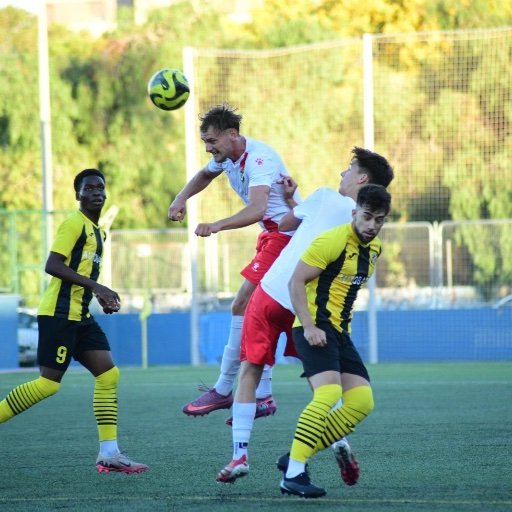
- Collisions during aerial duels
- A ball striking the head
- Falling and hitting the ground
- Quick movements that make the head snap back and forth, like whiplash
Some common symptoms are:
- Headache
- Dizziness
- Feeling confused or mentally foggy
- Nausea
- Problems with vision
- Difficulty concentrating
Our rule is simple: if we think a player might have a concussion, they leave the game immediately. FIFA’s concussion guidelines say to act fast if a concussion is suspected. Players can only return after following each step and getting proper clearance.
For young players, we also pay attention to how much heading they do. UEFA’s Heading Guidelines recommend limiting heading in youth football and offer practical tips, such as using the right ball size, keeping the ball at the lowest allowed pressure, and slowly adding heading drills.
What Fractures Can Occur In Football And How Are They Recognized?
Fractures can be caused by:
- Hard collisions
- Falls
- A direct hit to the foot or ankle
- Injuries to the hand or wrist, especially for goalkeepers
Here are warning signs you should never ignore:
- Visible deformity
- Severe pain when you press on one spot
- Not being able to put weight on or use the limb as usual
- Numbness/tingling
If you notice these signs, keep the injured area still and get it checked by a professional. Don’t try to just walk it off.
What Are Contusions And Bruising In Football And When Are They More Serious?
Contusions are the classic “football bruise” that happen from contact. They often occur during tackles when bodies hit each other at speed. Hips, knees, shoulders, and sometimes studs press the muscle against the bone.
Basic self-care usually starts with:
- Protection of the area
- Gradual movement as pain allows
- Monitoring swelling
We get more concerned when bruising comes with:
- Rapid swelling
- Major loss of function
- Severe pain that doesn’t match the visible bruise
- Symptoms that get worse over 24 to 48 hours
What best matches your situation right now?
Do you have any red-flag signs right now?
Solution:
Stop playing immediately and get assessed by a qualified medical professional. Do not try to test it with sprints, stretching, or “one more half,” especially if you suspect concussion, fracture, or a serious ligament injury.
Solution:
Reduce load for now, protect the area, use compression if needed, and monitor how it responds over the next 24 to 48 hours. Return gradually only if walking, range of motion, and football movements improve without worsening symptoms.
What is your biggest weak point in your current routine?
Solution:
Build a simple prevention routine around structured warm-ups, single-leg strength, hamstring and glute work, balance drills, and gradual increases in training load. That is the best starting point for reducing common ankle, knee, and muscle injuries.
Solution:
Focus on smarter weekly management: plan hard and easy days, control sprint and match load, improve recovery habits, and watch for repeat soreness before it turns into a real injury. Fine-tuning workload is likely your biggest performance and availability win.
How Do You Reduce And Prevent Injuries In Football?
No single exercise can prevent injuries. It takes a complete approach.
At the academy, injury prevention is part of our daily routine. The best players are not just talented, they stay healthy and ready to play. Prevention works best when everyone is on the same page. Players, coaches, and the weekly schedule all play a role.
Here’s the set of steps we use for prevention:
A structured warm-up (not a random jog)
A quality warm-up prepares:
- Joints for range of motion
- Muscles for speed
- The nervous system for reaction and balance
- We use this approach because it is consistent, saves time, and offers more benefits than just stretching.
Strength training that matches what players do in football
Strength training does not have to be complicated, but it should be done regularly. We focus on:
- Hips and glutes (control in cutting)
- Hamstrings (sprint resilience)
- Core (stability in contact)
- Single-leg strength exercises, because football movements are not always balanced on both sides
Balance and body control
This part is often overlooked, but it helps improve:
- Landing mechanics
- Joint positioning
- Reaction stability under fatigue
- Even spending just 5 to 8 minutes on this, done regularly, can change how your body handles difficult situations.
Conditioning (so your body can handle football)
We gradually build up running and repeat-sprint fitness. If you are not well-conditioned and suddenly push to high speeds, your calves, hamstrings, and groin muscles can start to hurt.
Managing training load means making steady progress and avoiding sudden increases.
We see it often: a player comes back from a break, suddenly does a lot more sprinting in one week, and then ends up with calf tightness, shin pain, or hamstring problems.
Our rule is simple. Increase the intensity and amount of your training slowly, and treat constant soreness as a sign to make changes, not as something to be proud of. Plan rest and recovery days just like you plan tough sessions. Pay attention to soreness so small issues do not turn into bigger injuries.
Coaching habits: managing intensity, rotating players, and following return-to-play steps
Prevention also depends on the choices coaches make.
- Plan hard and easy days, instead of going all out every session
- Rotate players and use substitutions to manage playing time and reduce fatigue
- Follow a clear return-to-play process. Start with straight running, then add sprinting, then controlled changes in direction, then full-speed direction changes, and finally contact training. Check progress at each step before a full return.
Gear and environment are simple things that can save your season.
- Wear boots that match the playing surface and fit well. Make sure your heels do not slip, and replace boots when they are worn out.
- Shinguards that meet the Laws of the Game requirements
- Be aware of the playing surface, such as hard pitches. Also, watch out for heat and fatigue, which are real challenges during Spanish pre-season.
Consistent coaching habits, such as structured warm-ups, strength training, smart conditioning, and gradual progress, always work better than quick fixes. This is how we approach performance development at Alicante Football Academy.
What Is The First Aid For Soccer Injuries?
First aid in football means limiting harm and making the right call for what happens next.
Here are our main pitchside principles:
- Stop the game
- Protect the injured area by supporting it and avoiding any forced movement.
- Check quickly for pain, swelling, how well it works, and any warning signs.
- Prevent more harm by not letting the player try to show they are okay.
- MedlinePlus also warns that playing after an injury can make it worse and provides simple first-aid steps for treating sports injuries.
Players should take these steps immediately:
- Signal for help and leave the field. Don’t try to hide the injury.
- Keep the injured area safe and as still as possible.
- If you can, use compression and elevate the injury. Keep an eye on swelling and how well it works.
- If you hit your head, tell someone right away if you have symptoms like headache, dizziness, or confusion.
Avoid these actions:
- Don’t keep playing with instability (knee/ankle “giving way”)
- Don’t keep playing if you have severe swelling or if it’s worsening quickly.
- Don’t keep playing if you have any signs of concussion, such as headache, dizziness, nausea, confusion, or just feeling off.
- Don’t try a big stretch or sprint to test if you’re okay.
See a medical professional if you think there’s a ligament tear, fracture, or concussion. Also, get checked if you can’t put weight on the limb, if it looks deformed, or if symptoms get worse after leaving the field.
Apply To Train In Spain With Alicante Football Academy
Staying available is part of becoming a pro-level player, scouts and coaches notice consistency. If you want a serious training environment in Spain with a complete development pathway, start your application here.
Apply / Registration
What Position Gets Injured Most In Football And Why?
No one position always has the most injuries. Injury rates depend on things like how much someone plays, how intense the match is, playing style, training load, and each player’s background. Still, every position deals with its own kinds of stress.
- Midfielders run a lot during games, so they often get tired and face issues from all that running.
- Wingers and forwards sprint at top speed often, which makes them more likely to strain their hamstrings or calves.
- Defenders tackle more and have more physical contact. They also sometimes clear the ball in awkward ways, so they have a higher chance of ankle and knee injuries from collisions.
- Centre-backs and target forwards often battle for the ball in the air. This means lots of jumping, landing, and shoulder contact, which can lead to knocks and landing injuries to their hips, knees, and ankles.
- Goalkeepers have their own types of injuries, often from diving or colliding with others. These can affect their wrists, shoulders, and hips. While these injuries happen less often, they still bring their own challenges.
That’s why we focus on conditioning and strength training that matches each position, instead of using one plan for everyone. For example, wide players need sprint drills and hamstring strength, midfielders should build up their running and recovery, defenders and aerial players need to practice stopping fast, handling contact, and landing safely, and goalkeepers should work on shoulder, wrist, and landing strength.
Here’s a useful tip: keep track of injuries by position on your team for 6 to 12 weeks. After that, adjust sprint training, strength work, recovery days, and how you rotate or substitute players based on what you notice.
Who Treats Football Sports Injuries And How Do They Care For Recovery?
Recovering from an injury usually involves working with a team, especially when the injury is more serious.
- A physiotherapist, also known as a physical therapist, helps make a rehab plan and supports your progress as you prepare to return to play.
- A sports physician diagnoses your injury, manages your medical care, and decides if you need imaging tests.
- An orthopaedic specialist steps in if you need surgery or more advanced care.
- In some areas, an athletic trainer helps by checking injuries on the field and supporting your rehab.
This is what the recovery process usually looks like:
- First, you will be evaluated.
- If needed, you will get a diagnosis.
- Next, a rehab plan is created with clear milestones.
- You will return to play when you are functioning well, not just after a certain amount of time.
Rehab should be personalized for each person. We do not just say, “2 weeks for this, 6 weeks for that.” The right time to return depends on your symptoms, how you are functioning, and your progress.
At Alicante Football Academy, we have a physiotherapist on our team because our players train every day and need daily care.
Read More Football Guides That Improve Performance
Injuries are one part of the picture, your training habits, recovery, and match skills matter too. Explore our football guides to build a routine that supports your game, week after week.
Guide
What Is Football’s Impact On The Body Over Time?
Playing football brings lasting benefits, like better fitness, stronger bones and muscles, and improved coordination. But if you don’t manage your training well, you might face injuries such as recurring hamstring or groin issues, stiff or unstable ankles, knee strain, or tendon problems like Achilles or patellar irritation. To help prevent these, we recommend sticking to simple habits: keep your strength up year-round, stay flexible in your hips and ankles, avoid sudden jumps in training, and make sure you recover with enough sleep, water, and rest days. Because most football injuries affect the lower body, focusing on strength and managing your workload is key for a long playing career.