
Key Takeaways
- When defending, focus on controlling the space before trying to win the ball.
- In one-on-one situations, close in quickly, slow down in advance, and keep your body turned to one side.
- Often, the best option is to delay the attacker and give your teammates time to get back.
- As a defender, always be alert to players making runs, potential cutbacks, and threats at the far post.
- To play the full 90 minutes, manage your energy and concentration instead of trying to run after every ball.
Table of Contents
How To Be A Good Defender In Football
A strong defender is the teammate everyone counts on when the game gets challenging. They block shots, intercept passes, slow down attacks, win tackles, and guard important areas.
Know your main priorities. Start by protecting the goal: stay between your opponent and the goal, block shots, and stop through-balls. Then, work on stopping the other team from getting past you by blocking the inside, closing passing lanes, and making their plays more predictable. When you spot a good chance, like after a bad touch or when the ball is out in the open, try to win it back, especially if a teammate is there to help.
Here’s a quick checklist for defending: look around the field, position your body well, keep the right distance from your opponent, talk to your teammates, and choose the right time to tackle based on what you see, not just because you’re frustrated.
These tips apply to center backs, fullbacks, and wing-backs. The main difference is where you want to direct the attacker, either toward the sideline or inside, and which area you protect first, such as the penalty box or the wide areas.
Basic Roles And Responsibilities Of A Defender In Football
How you defend should change with each phase of play. If you always defend the same way, your team can lose its shape.
When your team doesn’t have the ball, focus on defending both space and players. Stay goal-side, protect the middle, track runners, and keep your group tight. Use simple cues to help everyone stay organized: goal-side, show outside, hold the line, and delay.
When your team has the ball, defenders need to stay alert and help start the attack. Open up, make a simple first pass, switch play if one side is blocked, and keep good spacing behind the ball so you’re ready for the next transition.
Key moments can decide a game. When facing a counterattack, don’t dive in for a risky tackle. Instead, delay the attacker, show them outside, and give your teammates time to get back. If no one is pressuring the ball, drop back and hold your line. When defending crosses, try to block the cross, get goal-side, track the back-post runner, and be ready for a cutback. On set pieces, be clear and make contact: know your man or zone, start goal-side, attack the first ball, and get ready quickly for the next play.
Mark tightly when the attacker is a direct threat to goal, like inside the box, near the ball, or when a cross or through-ball might happen. Only pass a runner to a teammate if you can do it without leaving a gap. Communicate early with phrases like “switch” or “take him,” keep your line, and don’t follow runs that pull you out of position if a teammate can cover.
Train Like a Modern Defender in Spain
If you want to defend like a modern centre-back or full-back, you need reps in the moments that actually decide games: 1v1 body shape, line control, and defending cutbacks. We train those situations every day and give you clear feedback so your decisions become automatic in matches.
Apply to Alicante Football Academy
What Are The 4 Types Of Defenders?
Most players have a mix of styles, but understanding your own can help you focus on areas that need improvement.
| Type | Strength | Typical mistake | Upgrade focus |
|---|---|---|---|
| Stopper | steps in, wins duels | dives in, leaves space | delay + recovery runs |
| Cover defender | reads danger, covers behind | too passive | step timing + communication |
| Ball-playing | calm, plays forward | risky passes | scanning + risk choices |
| Full-back / Wing-back | wide 1v1s, blocks crosses | gets isolated | body shape + back-post checks |
What Are The Key Defensive Fundamentals On How To Become A Good Defender In Football?
If you remember just one thing, let it be this: always defend the most dangerous areas first. Focus on the goal, the box, and the half-space.
Great defending comes down to a few key principles we teach every day: patience, angles, timing, awareness, communication, and compactness. In short, stay calm, use your body to guide the attacker, watch for runners, and work with your teammates. England Football also says that delaying and staying compact are important because slowing the attack and closing space makes it harder for opponents to move forward.
Here’s how these principles look in a game:
- Patience: don’t rush into the first tackle
- Angles: guide the attacker where you want them to go, usually toward the outside.
- Timing: make your move when you see a clear chance, not just because you’re frustrated.
- Awareness: check over your shoulder for runners and open space behind you.
- Communication and compactness: keep your defensive line tight and make sure the spaces between players stay small.
This is why defenders delay instead of always trying to win the ball right away. By delaying, you give your teammates time to recover, limit the attacker’s options, and make their play more predictable. Diving in too soon often leads to a dribble, a wall pass, or a foul in a dangerous spot.
You should always try to force play away from danger and protect the half-space:
- Show the attacker outside toward the touchline.
- Protect the half-space and keep the inside lane closed.
- Stay compact so gaps don’t open between defenders.
The most common mistakes are simple and easy to repeat: diving in, watching the ball instead of tracking runners, and defending on flat feet, which makes it hard to adjust your distance and angle.
See What’s Included Before You Commit
A full season, a residential programme, or a shorter camp block, the right choice depends on your goal and timeline. We’ve laid out our options and what’s included so you can choose the best fit before applying.
View Programme Fees & Options
What Is The Best 1v1 Body Position For Defending?
Stay low and turn your body slightly to the side. This helps you react to changes in direction and keeps you from getting turned around. Bend your knees and stay on your toes so you can move forward or backward quickly.
We focus on three main points:
- Guide the attacker away from the goal, usually toward the sideline.
- Keep your hips open so you can recover if the attacker tries to get past you.
- Watch the ball, your own hips, and the space behind you. Don’t focus on just one thing.
FIFA’s coaching materials also recommend a low, side-on stance and approaching at an angle to push attackers wide and away from danger. You can find full 1v1 session examples on the FIFA Training Centre.
Why Shouldn’t You Dive In When Defending 1v1?
Lunging is risky when defending. If you reach for the ball and miss, your feet and hips get stuck. The attacker can get past you easily, and you often leave the inside lane open.
This is why we teach players to contain first and then try to win the ball, instead of just reaching and hoping. Control the space, force the attacker into a predictable move, and then go for the ball when you see a clear chance:
- Heavy touch
- Attacker’s head down
- The ball is exposed away from the body
- Support/cover behind you (so you can be aggressive)
Near your own box, you risk not only getting beaten but also giving away a dangerous free kick or penalty. If you stay patient and keep a good distance, you can avoid fouls, stay on your feet, and win the ball cleanly at the right moment.
How Do You Use Your Body Legally To Win Duels As A Defender?
Focus on getting into the right position before making contact. Make sure you are goal-side, then check where the attacker is. Keep a light arm out to help with balance and to stay aware, so you stay connected and don’t get turned around.
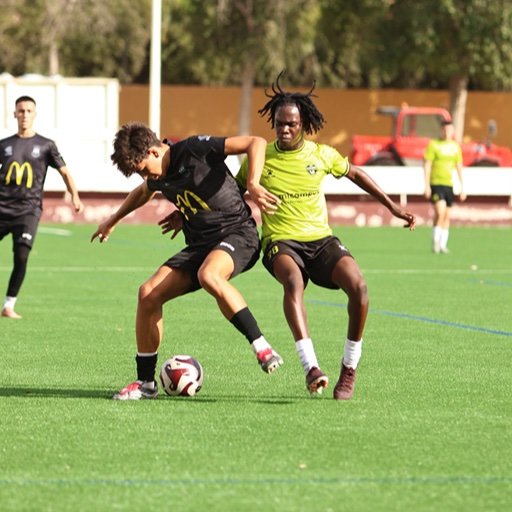
When you are next to the attacker, match up shoulder-to-shoulder and stay firm during contact. Use your arms to balance, not to push or pull, and keep your feet moving so you can handle the challenge and recover quickly.
Once you win the ball, keep possession instead of giving it up immediately. Block the lane, use your body to protect the ball from your opponent, and control your first touch so you can clear it, pass simply, or move forward.
IFAB sorts challenges into three types: careless, reckless, or using too much force. These categories affect discipline and restarts, so defenders should always stay in control. For the exact wording, check IFAB Law 12: Fouls and Misconduct.
What Should You Watch When Defending: The Ball, Hips, Or Feet?
Keep your eyes on the ball and pay attention to the hips. The ball matters most because it’s what gets past you, but the hips often show the true direction before the ball moves. Feet can fake you out, but hips are much harder to disguise.
Here’s a quick scan routine:
Check the ball, then the hips, look at the space behind you, spot the runner, see where your teammates are, and then return your focus to the ball.
Don’t look down for too long, or you might miss the runner behind you or the next passing option. Remember, don’t fall for stepovers, only react when the ball actually moves.
How Do You Manage Distance When Defending In Open Play Vs Near The Box?
How close you should get depends on how dangerous the situation is, and that can change fast.
If you’re in open space, give yourself extra room so a quick attacker doesn’t get past you. When you’re closer to the box, stay tighter to block shots and passes back.
Adjust your distance based on three things: how fast the attacker is, if you have teammates behind you, and where the ball is. Can the attacker move forward right away, or are they under pressure? The main rule stays the same: close down quickly, slow down early, and stay in control instead of rushing.
What Are The Most Important Soccer Defender Skills To Develop?
We help defenders build five main skills, and you can see each one clearly during games.
- Tactical IQ means scanning the field, reading passes, knowing when to step up or drop back, and managing the defensive line. These skills let you stop attacks early by getting into position and protecting the middle before the ball gets there.
- 1v1 defending is about your stance, distance, body angle, when to tackle, and how you recover after a challenge. These details often decide if you win the ball cleanly or have to chase after getting beaten.
- Aerial ability is about timing, heading technique, strength in shoulder-to-shoulder battles, and winning second balls. These skills matter most during crosses, long passes, and set pieces.
- Passing under pressure includes your first touch, making simple passes, switching play, and playing forward when you can. Doing this well helps your team keep the ball after winning it back instead of losing it again.
- Recovery speed is how you sprint, make repeated efforts, and track attacking runs. This skill helps you recover when space opens up behind you or when an attacker gets past your first challenge.
Decision-making is another key skill. Great defenders know:
- when to hold off and buy time,
- when to tackle based on cues like a heavy touch, the attacker looking down, the ball being exposed, or having cover behind,
- when to foul to stop a counterattack, and when to avoid fouling, especially near your own box where free kicks and penalties can change the game.
Try a quick self-check: rate yourself from 1 to 10 in each skill area, then pick one to focus on each month, usually the one you scored lowest. Work on it for four weeks and track your progress in games with a simple goal, like “win first contact on crosses” or “play out under pressure with two touches.”
Defending improves fastest with regular coaching and clear rules for making decisions. Structured drills and video feedback help turn your positioning and timing into habits you can trust during pressure.
What Are The Best Tips For Defenders In Football During Matches?
Begin the game with energy in the first five minutes. Stay focused, don’t over-commit or give away simple fouls, and concentrate on winning each moment, such as the first challenge, second ball, or next pass.
Defend wisely by taking away your opponent’s best chances:
- Keep the middle of the field secure
- Force attackers toward the sidelines and onto their weaker foot
- Stop cutbacks and always track the runner at the back post
Managing the game well means making smart choices in every situation:
- Inside the box, clear the ball and get back into position
- If you’re under pressure in the half-space, play it safe and simple
- When you have time and space, look to play the ball out from the back, because in 2026 defenders are expected not just to stop attacks but to help start them cleanly under pressure.
Here are some tips for certain situations:
- When defending crosses, have one player press the ball, another mark goal-side, and a third cover the space for cutbacks
- If you’re dealing with through balls and there’s no pressure on the ball, drop back first to protect the space behind you
- For set pieces, get organized early, mark goal-side, attack the first ball, and be ready for the second phase
Leadership and risk management:
- Communicate early by calling out words like “press,” “cover,” or “line.” Keep the team close together and reset the defensive line when needed
- Stay calm and in control near your box so you don’t give away unnecessary free kicks or penalties
UEFA coaching insights often use small-box games, like 2v2, to help players practice these decisions. Mistakes in tight spaces can quickly lead to goals. You can also look at UEFA’s coaching content on 1v1 defending and defending in the box for more tips.
When Should Defenders Drop Vs Push Up To Catch Offside?
Drop and push are two separate tactics. Dropping helps cover the space behind you. Pushing up squeezes the field, keeps your team close together, and helps you win loose balls. It only works if everyone in the line moves together.
The offside trap works only when your line moves as one. According to IFAB, a player is offside if any part of their head, body, or feet is in the opponents’ half and closer to the goal line than both the ball and the second-last opponent (not counting the halfway line). For the exact rule, see IFAB Law 11: Offside.
Drop when:
- There’s no pressure on the ball and the passer has time
- The opponent’s head is up looking to play in behind
- There’s big space behind and fast runners are threatening
- Your line isn’t connected yet (someone is recovering)
Push when:
- The ball is under pressure (pass options are limited)
- The line is organized and connected
- There’s a clear call for it (“up”, “step”) and you trust it (offside trap)
Here’s another rule: if the keeper is deep and calls for a drop, you drop. A good back line listens. The biggest mistake is when one player steps up while others drop back. This leaves a gap for a through ball, so always decide and move together.
What usually hurts your defending most right now?
When the attacker faces you, what usually goes wrong first?
Solution:
Focus on your 1v1 platform first: sprint to close the gap, slow down early, stay side-on with hips open, and show the attacker away from goal. Train body shape, approach angle, and controlled distance before worrying about big tackles.
Solution:
Build a delay-first defending habit. Stay patient, protect the inside lane, wait for a heavy touch or exposed ball, and only tackle when you have a real trigger or cover behind you. Your next step is practicing containment before dispossession.
When the attacker faces you, what usually goes wrong first?
Solution:
Your priority is positioning discipline. Stay goal-side, protect the middle and half-space, scan for runners, and keep better distances from teammates so you can control cutbacks and through-balls earlier. Work on body shape as part of line control, not just isolated 1v1s.
Solution:
You need a compactness-and-communication reset. Delay the attack, keep the line connected, call “press,” “cover,” or “line” early, and avoid stepping out unless the trigger is clear. This will help you stop gaps opening and give teammates time to recover.
Understanding The 4 S’s, 5 Rules, 3 P’s, And 4 D’s In Soccer Defending
The 4 S’s (1v1):
- Sprint: Move quickly to close the gap in your first steps. Make sure your opponent always feels pressure and cannot advance easily.
- Slow down: Begin to slow your pace early so you stay in control and avoid rushing toward your opponent.
- Side-on: Stay low with your hips open. Steer your opponent in the direction you want, usually toward the outside, so you can react to their moves.
- Steal: Try to win the ball when you spot a clear chance, such as a heavy touch, your opponent looking down, or the ball left unprotected. Don’t just wait for them to make a mistake
We always stick to these five rules: stay between your opponent and the goal, protect the middle, delay if you are not sure, keep communicating with your teammates, and only tackle when you see a clear chance.
The 3 P’s form a cycle you can repeat: apply pressure, hold your position by covering passing lanes and staying connected, then be patient by containing your opponent and waiting for the right moment. Repeat these steps each time.
The 4 D’s:
- Delay: Slow down the attack so your teammates have time to get back and help you.
- Deny: Block the inside lane, stop shots, and prevent through balls from getting past you.
- Dictate: Guide your opponent in the direction you want, usually toward the outside or away from dangerous areas.
- Dispossess: Take the ball cleanly when you see a good opportunity.
If you want to get better at defending, pick one framework and stick with it for three matches. Staying consistent matters more than making things complicated.
Build Your Centre-Back Game Plan
If you play CB, your job isn’t to tackle more, it’s to stop danger earlier with positioning, scanning, and communication. In our centre-back guide, we break down the cues we coach and the skills we prioritise so you can train with purpose.
Read the Centre-Back Position Guide
How To Last 90 Minutes In Football As A Defender?
Defending is all about working hard again and again while staying focused. You need to sprint, recover, sprint again, and still make good decisions late in the game. FIFA’s positional breakdown shows that centre-backs and defensive midfielders do about 70 to 85 percent of their high-intensity and sprint running without the ball. That’s why fitness for defenders focuses so much on repeat actions and recovery runs.
So, we focus on three main conditioning priorities:
- Aerobic base: helps you recover between actions and stay alert.
- Sprint repeatability: lets you handle transitions and recovery runs.
- Strength endurance: helps you win duels, handle contact, and keep accelerating or decelerating even when you’re tired.
Here are some tips for pacing yourself during a match:
- Save your energy when the ball is far away and your team is well organized. Keep good distances, use smart positioning, and communicate with your teammates.
- React quickly when you need to, such as when there’s a through-ball threat, a counter-attack, a pressing signal, a one-on-one situation, or a loose ball.
Here are some key recovery tips:
- Make sure you get enough sleep and stay hydrated every day.
- Always do a proper warm-up before playing and cool down afterward.
- Do quick mobility exercises for your hips, ankles, and calves to stay sharp and avoid putting too much strain on your muscles.
Do Defenders Need To Be Strong To Defend Well?
Strength has to show up during games. For defenders, this means winning challenges, shielding the ball, winning headers, and holding off attackers without fouling.
Functional strength is not just about lifting weights in the gym. It’s about how well your core, hips, and legs keep you steady when you speed up, slow down, jump, land, or take contact.
Here are a few key areas to focus on for building strength:
- Single-leg strength improves your balance, tackling, and ability to make first contact.
- Stronger glutes and hamstrings help you sprint, slow down, and jump more effectively.
- A strong core helps you hold your ground during shoulder-to-shoulder contact and when shielding the ball after winning it.
Another benefit is injury prevention. Stronger and more stable movement patterns can help reduce common injuries for defenders, like hamstring, groin, and ankle problems, especially with all the sprinting, cutting, and landing you do.
FIFA also notes that as football becomes more demanding, injury prevention is more important than ever for both performance and long careers.
A PubMed systematic review on the FIFA 11+ warm-up found about a 30% reduction in injuries.
Use Our Defending Drills This Week
Want a session you can run with teammates (or adapt for solo work)? We’ve listed the defending drills we use to train delay, compactness, and clean 1v1 wins — with simple set-ups and coaching points you can follow straight away.
Get the Defending Drills
Is Being A Defender Hard?
Defenders are often blamed for mistakes. Even a small error can lead to a goal, so it’s important to stay focused throughout the whole match, even when the play is happening somewhere else.
The good news is that everyone has to learn these skills. With practice, feedback from coaches, and watching game videos, your timing and positioning will get better until your decisions feel natural.
Here’s a mindset tip: let go of mistakes quickly. If something goes wrong, reset right away and focus on doing your best in the next play, whether that’s making a challenge, passing, or clearing the ball.
Defending gets easier when you follow simple rules, talk with your teammates, and work together as a team. Focus on protecting the most dangerous areas first, wait if you’re unsure, and always defend as a group.