
Key Takeaways
- A forward, or FW, is an attacking player whose main function is to create and score goals.
- The term "forward" encompasses several positions, such as number 9, winger, inside forward, second striker, and false 9.
- Great strikers succeed because they know how to move without the ball, not just because they know how to shoot.
- Today, forwards also help in defense, and pressuring opponents has become part of their job.
- You'll improve faster if you practice decision-making at game speed.
Table of Contents
Who Is A Forward In Soccer?
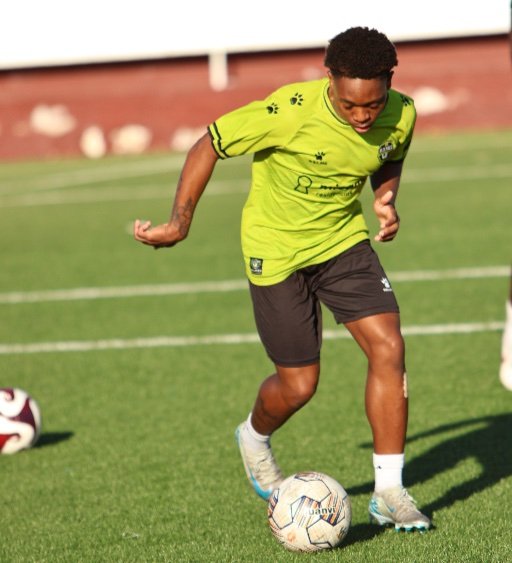
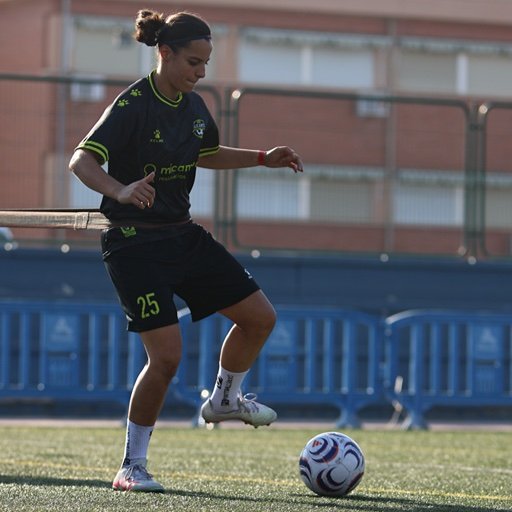
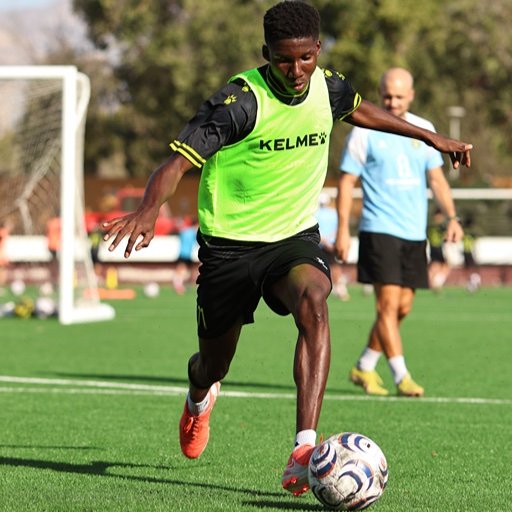
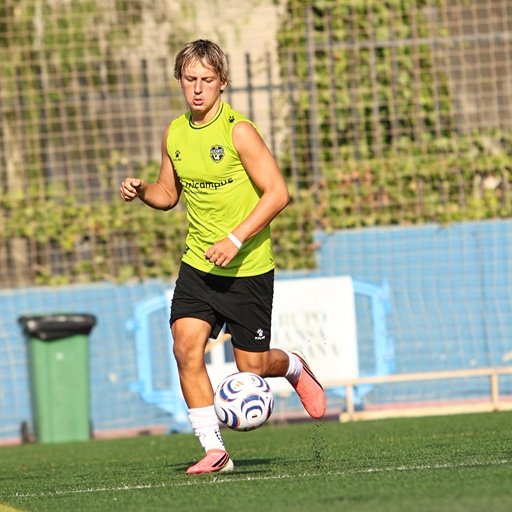
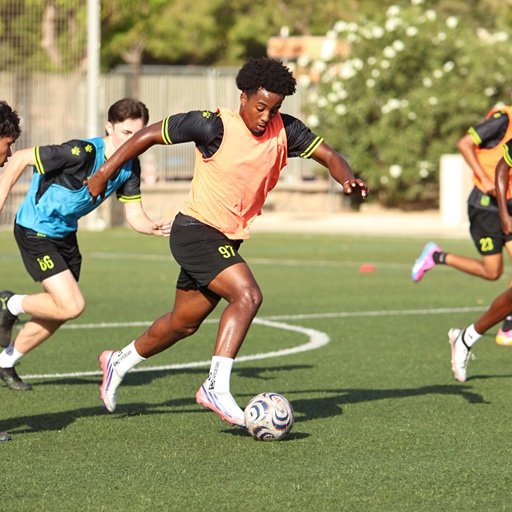
A forward, or FW, is an attacking player whose main job is to create and finish scoring chances. They do this by moving into space behind defenders and getting close to the opponent’s goal to score.
Knowing what a forward does helps players choose the right position and helps coaches plan their tactics. The way a forward runs, links up with teammates, and presses shapes how the team creates space, moves the ball, and defends from the front, and in 2026 that all-round responsibility matters more than judging forwards only by goals.
In most formations, the forward is the player furthest up the field. In a 4-3-3 or 4-2-3-1, the forward often plays alone as the main striker. In a 4-4-2, two forwards share the job. One might run behind the defense while the other drops back to help link up play. No matter the formation, the forward’s movement gives teammates passing options and creates space for midfielders and wide players to attack.
During games, a forward usually needs to be good at four main things:
- Create danger by running behind defenders, cutting back, taking shots, and attacking the penalty area.
- Connect attacks by laying the ball off, playing one-twos, holding up the ball, and timing runs to support teammates.
- Occupy defenders by keeping center-backs busy, pulling them out of position, and opening passing lanes for teammates.
- Lead the press by setting the first line of defense when your team loses the ball.
As coaches, we always say that a forward who just waits for passes is easy to defend. But a forward who keeps defenders guessing is much harder to stop.
What Are The Different Types Of Forwards In Football?
The term “forward” covers several roles on the field. Each type of forward helps solve a specific tactical challenge, such as creating space, handling pressure, connecting plays, or scoring goals.
This is the easiest way we explain it:
| Forward type | Where you start | What you’re mainly doing | Best if you’re strong at |
|---|---|---|---|
| Centre-forward (No. 9) | Central, highest line | Finish + occupy CBs | Timing, finishing, duels |
| Target forward | Central, vs contact | Hold-up + bring others in | Strength, first touch, heading |
| Second striker | Under/around the 9 | Link + arrive late | Awareness, quick combos |
| False 9 | Drops into pockets | Create overloads + pull CBs | Scanning, passing, turning |
| Wide forward / winger | Wide channel | 1v1s + crosses + cut-ins | Speed, dribbling, delivery |
| Inside forward | Starts wide, attacks box | Diagonal runs + finishing | Off-ball runs, angled shots |
Train Like a Modern Forward in Spain
If you want to improve as a forward, you need game-realistic work: timing runs, combination play, and finishing under pressure. We structure forward training around those moments, with coaching feedback that makes the habits stick.
Apply to Alicante Football Academy
Where Does A Forward Play In Football?
A forward typically plays on the front line of attack, usually in the center between the centre-backs, but sometimes out wide to challenge the full-backs. What matters most is finding space by moving, not just standing in one spot.
Your positioning will change based on your specific role on the field:
- As a striker or #9, you start in the center, stay between the center-backs, hold the defensive line, and attack the box with near-post runs, far-post runs, and cutbacks.
- As a winger, you begin wide against the full-back, then move inside into the half-space or out to the byline to create one-on-one chances, deliver crosses, or cut inside.
- As a second striker, you play next to the #9, look for space between the midfield and defense, help link up play, and arrive late in scoring positions.
We encourage forwards to see the field as different zones:
- In the central “9 zone,” you pin the centre-backs, hold the defensive line, attack cutbacks, and make near-post runs.
- In the half-spaces, you receive the ball on the turn, combine with a number 10 or winger, play in runners, and shoot across the goal.
- In the wide channels, you stretch the defensive line, create one-on-one chances, deliver crosses, or cut inside to shoot.
Your positioning should also match your team’s style of play:
- If your team focuses on possession, you often check short to link up play, then run behind the defense when your marker steps out.
- If your team plays on the counterattack, you usually stay higher up the field and look to attack space early, so the first pass can send you through quickly.
How Does The Forward’s Impact Change A Football Game?
A forward can change the game without even touching the ball by making defenders respond to their movement. For example, a smart run behind the defense can make the back line drop deeper, which stretches the team and opens up space in midfield for a 10 or 8 to get the ball and push the play forward.
Here are some key ways that forwards can impact a game:
- Keeping centre-backs in position so they can’t step into midfield, which creates more space between the lines.
- Running behind the defense to make the team drop back, giving teammates extra room to start attacks.
- Staying wide or in the channels to set up one-on-one chances, cutbacks, and better crossing angles.
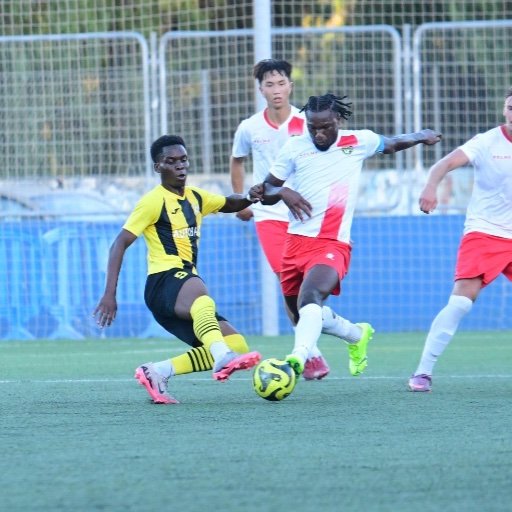
- Drawing fouls by receiving the ball on the half-turn, shielding it, and making defenders try to tackle from a difficult position.
- Winning the ball high up the field by pressing with good angles and intensity to force mistakes.
These actions lead to measurable results, such as goals, assists, shots, xG chances created, and turnovers from pressing that quickly turn into attacks.
What Is The Difference Between A Striker And A Forward?
A striker is a kind of forward, usually the player who stays in the center and tries to score goals. The word “forward” is more general and can mean different roles, including:
- Central strikers
- Second strikers
- Wide forwards/wingers
- False 9 profiles
The words people use for these positions can change depending on the country or the coach. In some places, “striker” means the main central attacker, while “forward” can mean any player up front. In other cases, “forward” is a broad term, and “striker” is more specific. Some coaches call wingers “wide forwards” when playing with three attackers, but others use “forward” only for players in the center.
See How Our Academy Program Works
Becoming a better forward is more than finishing. It’s training quality, match exposure, and consistent routines. Explore how our academy program is structured across a season in Spain.
Explore our academy program
Is Forward A Good Position In Football?
If you like taking responsibility, playing forward is a great option. Forwards often decide the big moments. Sometimes, a single finish, run, or touch in the box can win the game. As a forward, you lead the attack. How you move sets the line, your pressing sets the tone, and your choices shape what your teammates can do.
To do well as a forward, you need confidence, quick decisions, and to feel comfortable under pressure. The game is unpredictable up front, and chances to score do not come often.
Playing forward is also tough mentally because:
- You might not get the ball very often.
- People judge you by your results.
- You have to keep moving, even if your teammates do not pass to you.
Not every team expects you to score all the time. Some teams need a forward who works for others, making runs to pull defenders away, pressing to force long passes, and moving to create space for wingers and midfielders.
The FA’s coaching advice on forward movementsays the best strikers keep working to create that one moment when a defender loses focus. Patience like this is a real skill, and we practice it just like any other.
Who Are The Notable Forwards In Football History?
A great forward is known for more than just one standout season. They score consistently, set up teammates with assists and clever plays, make an impact in important matches, and show their quality over many years with different teams and coaches.
You can find these qualities in forwards from any time period or style of play.
- Goal poachers such as Gerd Müller and Filippo Inzaghi rely on timing, reacting quickly to rebounds, and making sharp runs to the near post.
- Complete number 9s like Robert Lewandowski and Karim Benzema mix strong finishing, connecting with teammates, and putting in defensive effort.
- Inside forwards such as Thierry Henry and Mohamed Salah begin their runs out wide but end up in the box, attacking gaps between defenders and finding chances to score.
- False 9s like Lionel Messi when he played that role, and Francesco Totti, drop deeper to help out in midfield and then arrive late in the box.
When you watch top forwards, look for more than just the goals they score. Watch how they read the game, time their moves, position themselves, create space with their runs, and make smart choices that set up easy chances.
What Are The Essential Training Skills And Drills For Football Forwards?
Forward training needs to reflect the speed, pressure, contact, and quick decisions you deal with in real matches. Chances appear and disappear quickly, and perfect shots are rare. Studies show that centre-forwards spend a lot of energy on high-intensity actions without the ball, such as pressing, making runs, and dragging defenders out of position. Your training should get you ready for all the moments leading up to the finish, not just the shot.
This is a straightforward session structure we use:
- Warm-up touches (10 to 15 minutes): Focus on sharp receiving, turning, and passing. Include scanning and finish quickly at the end.
- Finishing patterns (20 to 30 minutes): Practice cutback finishes, near-post and far-post runs, one-two passes, and rebounds, all from realistic angles.
- Small-sided games (15 to 25 minutes): Add rules that challenge strikers, such as two-touch limits in the box, extra points for cutbacks, or press-to-score challenges.
These coaching points can make a real difference:
- Focus on quality over quantity. Make every finish count instead of just taking random shots.
- Use both feet in every drill, aiming with your strong and weak foot.
- Practice using game-like angles and timing. Move to meet the ball instead of waiting for it.
- Reset quickly between repetitions to keep up your intensity and decision-making speed.
The key is that forwards improve fastest when drills include real pressure, timing, and decision-making. With helpful coaching feedback, you can turn your movement and finishing into habits you trust in games.
Finishing Under Pressure
Goal: Stay calm and in control when you only have one touch and a defender is closing in.
Setup: Start 12 to 18 yards from the goal. The server passes to the forward, and a defender starts just behind or you use a 2-second time limit. The forward checks their surroundings before the ball arrives, takes a touch forward if possible, and shoots immediately.
Key things to focus on:
- Composure: Stay balanced and avoid rushing your shot.
- Shot placement: Choose a corner, usually the far post, and aim away from the goalkeeper’s body.
- Scanning: Look over your shoulder early so you know your first touch and shot decision before the ball gets to you.
How we run it: Each repetition should be quick and short, just like in a real game. If you don’t shoot fast enough, the rep doesn’t count because you rarely get extra time in matches.
Progressions: Try using only your weaker foot, then practice one-touch finishes. Next, add different goalkeeper reactions, like the keeper starting set and moving late, stepping out, or spreading. You can also add a rebound finish after your first shot if you want.
Dribble-and-Shoot Circuit
Goal: Turn dribbling into a final action, like a shot or pass.
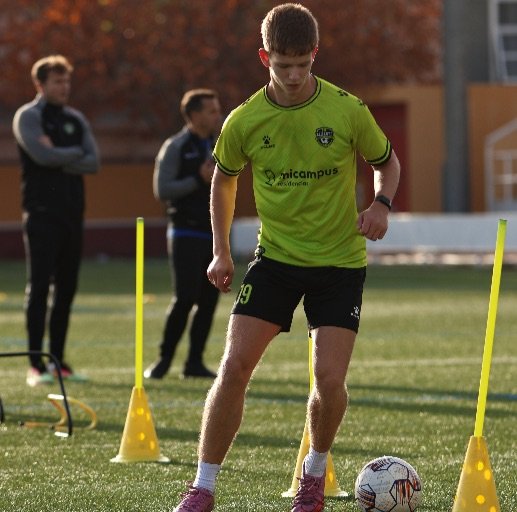
Drill: Begin by weaving through the cones. Once you pass the last cone, pick up your speed and finish with a shot from different spots: left, right, or center. After the final cone, move quickly into open space and decide if you want to shoot immediately or take another touch for a better angle.
Key things to focus on:
- Keep the ball close with small touches while moving through the cones. After you finish weaving, use longer touches to move into open space.
- Before shooting, quickly look up to find the goalkeeper’s position and pick your target.
- Place your plant foot next to the ball, keep your hips steady, and strike through the ball for a clean finish.
To make the drill more challenging, start by adding a passive defender who only applies pressure. Then, try using an active defender who can attempt to win the ball. For the final step, add a decision: pass to a teammate making a run or take the shot yourself.
What is the biggest thing holding you back as a forward right now?
Which match situation sounds more like you?
Solution:
Train like a No. 9: work on double movements, blindside runs, near-post and far-post timing, and offside awareness. Prioritize finishing patterns from cutbacks and crosses so your movement turns into high-value chances.
Solution:
Train like an inside forward: begin wide, scan early, then attack diagonally inside for cut-ins, back-post runs, and dribble-to-shoot actions. Pair wide 1v1 work with finishing from angled entries into the box.
Which match situation sounds more like you?
Solution:
Prioritize finishing-under-pressure drills: scan before the pass, decide your corner early, and train one-touch and weak-foot finishes with a live defender or strict time limit.
Solution:
Prioritize combination-play small-sided games and dribble-and-shoot circuits: rehearse wall passes, set-and-spin actions, quick lay-offs, and the decision to shoot early or slip in a teammate.
Aerial Target Practice
Goal: Time your runs well and attack crosses with confidence.
Reps: Crosses will come from both sides. Forwards take turns attacking the near post and far post so everyone gets practice at both. Start just behind the defender, then accelerate into the space as the ball is played.
Focus on these key points:
- Timing: Wait to start your run so you arrive right as the cross is delivered.
- Body positioning: Get goal-side, use your arm for balance, and move across the defender’s path.
- Heading technique: Keep your eyes open, use your forehead to make contact, keep your neck firm, and aim to head the ball down and across when possible.
- Attack the ball: Be aggressive. Meet the ball at its highest point and get to the space before your opponent.
Progressions: Begin by adding contested headers, letting a defender challenge you. Then, practice finishing second balls, with the coach or keeper creating rebounds by parrying, hitting the post, or blocking. You can also add a double movement before your run to shake off your marker.
Combination Play Small-Sided Games
Goal: Encourage forwards to support the team in more ways than just scoring goals.
Organize a game with teams of 4 to 6 players. Choose regular, mini, or full-size goals based on your available space.
Try these rules to promote good forward play:
- Give an extra point for goals scored after a wall pass (one-two) or a third-man run.
- A goal only counts if the shot happens within three seconds of getting the ball in the final third, or within two touches in the scoring zone.
- If your team regains the ball within five seconds after losing it, you keep possession and get a free attack. If you take a shot from this, you get an extra point.
Focus on these key areas:
- Practice moving off the ball by changing up your runs. Try running in behind, checking short, or making blindside runs.
- Work on linking up play using lay-offs, bounce passes, and set-and-spin moves to connect the midfield with the attack.
- When you lose the ball, react fast. Press together, angle your pressure to guide play in one direction, and work as a team to win it back.
To make the activity harder, try these ideas:
-
- Add touch limits, like allowing only two touches, and then just one touch in the final third.
- You can also set up scoring zones. For example, goals from the central ‘9 zone’ can count double, or you might only allow goals scored from inside the box.
- Award extra points for any clear assist, not just for one-twos. Each assist gets one bonus point.
FIFA’s Training Centre has helpful session examples on combination play and creating chances in the final third.They focus on coaching points like coordinated runs, open body shape, and efficient passing.
Build Your Football IQ as a Forward
Great forwards play with information: scanning, timing, and understanding defenders. Keep learning with our forward-focused resources and video breakdowns.
Watch our forward-focused videos
Positioning And Movement As A Forward
Movement works best when you connect it to a clear signal.
- If the passer keeps their head up, they can see you and make the pass.
- A defender facing you straight on will find it harder to turn quickly.
- When the ball starts moving, that’s your cue to make your run.
Practice these important movements:
- Move toward the ball to get it at your feet and be ready to shield it from the defender.
- Play a quick pass back, then sprint into the space behind the defender.
- Drift away from the defender’s shoulder to slip into their blind spot.
- Time your runs so you can attack the near post or far post when a cross comes in.
Keep scanning the field by quickly looking over your shoulder before the ball arrives. This helps you spot the defender and open spaces, so your first touch and run become automatic.
Be sure you understand the offside rule. Law 11 (IFAB) explains what counts as offside and when it’s an offence. This matters if you often play on the last line of defense.
UEFA’s Champions League analysis often points out that you can train movement and timing, especially by practicing finishing while trying to beat a live defender.
Communication With Teammates
Forwards who communicate with their teammates stand out because they help the passer know where and when to play the ball. Our rule is simple: make the pass easy by giving a clear signal and making a clear run. Always be aware of where your teammates are, like the number 10, the winger, and anyone coming into the box.
Verbal cues (simple, early, repeatable):
- Call feet/space: “Feet!” (to receive) / “Space!” “In behind!” (to run)
- Trigger-run calls: “Set!” (bounce it) / “One-two!” / “Hold!” (pin and wait) / “Go now!” (timed run)
- Press calls: “Press!” “Jump!” “Lock left/right!” “Back pass!” (team cues to hunt together)
Non-verbal cues: use your body to show what you want.
- Hand signals: point to feet vs point to space; palm down = “hold”; quick wave = “play now.”
- Eye contact: check the passer before you move so you’re running on the same message.
- Body orientation: open hips to show you want it to feet; angled run + shoulder over the defender to show you want the ball in behind.
The main point: look for your teammates, signal early, and then commit to your run. The best combinations and assists happen when forwards communicate before the ball arrives.