
Key Takeaways
- The perception of an injury as the "worst" can vary. Sometimes, the most serious injury is not the one that ends a player's career.
- The games are especially risky because speed, contact, and fatigue can turn normal plays into dangerous ones.
- Knees and ankles are the body parts most frequently injured in soccer, a sport with many quick turns, sudden stops, and awkward landings.
- Head and heart injuries are the most serious. They don't happen often, but when they do, speed and an appropriate response are vital.
- Good prevention might seem boring, but that's precisely why it's effective. Warm-ups, strength training, and workload management don't often get much attention, but they help keep players safe and protect their careers.
Table of Contents
Worst Football Injuries
The worst football injuries are the ones that cause serious harm, take a long time to heal, or leave lasting effects, not just those that hurt in the moment.
When fans search for the worst injury in football history, they are usually thinking about one of these types:
- Visually shocking injuries (fractures, dislocations)
- Career-altering injuries (ACL tears, repeated knee issues)
- Life-threatening incidents (severe head trauma, cardiac events)
- Psychologically scarring moments (fear of re-injury, confidence collapse)
We always remind our players that there is an important difference between these two types of injuries:
- Short-term injuries can bepainful and inconvenient, lasting from a few days to a few weeks. With good rehab, most players make a full recovery.
- Permanent injuries are those that can change how you move, reduce your explosiveness, hurt your confidence, or affect your joint health over time.
There is no single answer for what counts as the worst football injury, because it depends on what matters most to you. The best way to judge how serious an injury is to look at several factors together:
- Pain and immediate trauma
- Recovery time (how long you’re out)
- Long-term effects (performance, re-injury risk, joint health)
- Mental impact (fear, hesitation, confidence)
- Risk level (danger to life or brain health)
What Makes An Injury A Bad Football Injury?
A “bad” football injury isn’t just about how dramatic it looks. It’s an injury that causes serious tissue damage or leads to long-term problems that keep coming back. The injuries that really change careers usually fall into a few groups. Fractures and dislocations are often called the “worst” because they look terrible and cause immediate shock. Some heal well, but complicated breaks, joint damage, or problems with nerves and blood supply can make recovery much harder. Ligament injuries are especially tough in football. Tears, especially ACL injuries, often need surgery, months of rehab, and a long, uncertain road to regaining speed, confidence, and quick movement. Internal trauma and head injuries are just as dangerous, even if they don’t look serious at first. Concussions, internal injuries, or severe bruises can be very risky, even if there’s no visible break.
But the injury itself is only part of the story. Recovery is where a career can be saved or lost. If rehab isn’t done well, players might return too soon, move in ways that put extra stress on other parts of the body, and end up with more injuries like hamstring, groin, or ankle problems. The mental side is also a big factor, but it’s often overlooked in football. Even after a “successful” recovery, players may still deal with fear of contact, hesitation in challenges, less aggression, or worry about losing their spot, contract, or chance at a trial. This happens a lot in training: players are cleared to play, but they don’t move freely until they trust their body again.
TRAIN HARD WITHOUT TRAINING DUMB
Serious injuries are never fully “avoidable”, but many are. If you want a structured football environment with coaching, recovery habits, and honest feedback, the next step is an application. We’ll review your details and explain the process.
Apply to join
Why Are Serious Injuries In Football So Common?
Serious football injuries are common because the sport includes physical contact, quick movements, player fatigue, and sudden changes in direction.
Injuries happen often, even to the best players. One systematic review of injuries in professional male football found that male footballers have an overall injury rate of 8.1 per 1,000 hours. The rate rises to about 36 per 1,000 hours during matches and drops to 3.7 per 1,000 hours in training.
The difference between matches and training becomes clear when you look at how football injuries actually happen:
Most injuries happen during physical contact, tackles, or when players compete for the ball in the air.
The most dangerous moments often include:
- A late tackle when a player’s leg is planted on the ground
- An aerial challenge that ends with an awkward landing
- Shoulder-to-shoulder collisions while sprinting
Player fatigue and a busy match schedule
When players get tired, the way they move changes:
- It becomes harder to slow down smoothly
- Your knee is more likely to give way inward
- You land with greater force
- Your timing gets less accurate
At the academy level, we notice the same pattern after travel weeks or when players do too much extra gym work on top of team sessions.
Not enough time to react
Many injuries happen because players don’t have time to protect themselves:
- You’re running at top speed
- The ball suddenly changes direction
- Another player arrives just a split second later
- Your leg is in the wrong place when you get hit
The faster pace of today’s football increases the risk of injury
Football is now more explosive, with more pressing, quick sprints, and aggressive challenges. As a result, players face high-stress situations more often, such as:
- Making sharp turns
- Stopping suddenly
- Changing direction quickly during one-on-one situations
Even at the highest level, injuries are common. For example, during the 2014 FIFA World Cup, researchers found 104 injuries (1.68 per match), and 63.4% were caused by player contact.
What Was The Worst Injury In Football History?
There is no official “worst injury in football history.” However, some injuries are remembered for years because they were severe, broadcast on TV, or changed a player’s career.
An injury becomes “historic” not just because of the medical diagnosis, but because of a combination of factors:
- The moment happening live
- The visible shock to teammates
- The long absence (or career ending)
- How the sport reacts afterwards (rules, safety, medical protocols)
How media coverage shaped public perception
If a serious injury happens off-camera, people rarely call it “the worst.” The injuries that everyone remembers are usually the ones replayed on TV for years.
This is also why we are careful when talking to young players. Watching too many compilation videos can create the wrong mindset. Instead of training with purpose, you might start training with fear.
How medical standards at the time affected outcomes
Older injuries often became “worse” because:
- Imaging and surgical techniques were less advanced
- Rehab protocols were less structured
- Concussion awareness was weaker
- Return-to-play decisions were less conservative
Today, players still suffer serious injuries, but modern medicine and sports science have improved outcomes in many cases. This does not remove the risk, but it changes what “worst” means.
CHECK PROGRAMME OPTIONS AND PRICING
Different timeframes suit different players. Short stays, camps and longer programmes. Compare options and what’s included before you make a decision.
View pricing
Which Injuries Are Considered The Worst Football Injuries Of All Time?
Lists of the “worst of all time” injuries usually mix how severe the injury is with how much it affects people emotionally.
Most online rankings are based on personal opinions. They usually focus on things like:
- Injuries that look graphic
- Famous players
- Big competitions
- Viral clips
A better approach is to separate opinions from what really matters in football.
Here’s a simple framework we use to help players understand injury risk:
What really makes an injury the “worst” in football
- Damage: how much tissue is hurt and how stable the joint is after the injury
- Recovery complexity: how hard it is to return to football movements like turning, sprinting, and handling contact
- Career impact: whether the player can get back to their previous level
- Re-injury risk: how likely it is to happen again
- Long-term consequences: effects on joint health, chronic pain, and risk of arthritis
| Injury / incident type | What makes it feel “worst” to players | Why it can be career-altering | What we focus on in training (risk reduction) |
|---|---|---|---|
| ACL tear | Loss of stability, long rehab, fear of cutting | Explosive movement + confidence can take time to return | Strength, landing mechanics, deceleration, progressive load |
| Severe ankle fracture / dislocation | Shock, immediate loss of function | Joint stiffness/instability can linger | Ankle strength, balance, control on landings |
| Recurrent hamstring injuries | Constant stop-start cycle | Affects sprinting and confidence in top speed | Sprint exposure progressions + posterior chain strength |
| Concussion / repeated head impacts | Invisible injury, uncertain symptoms | Brain health is priority; strict protocols matter | Education, awareness, “when in doubt, sit out” culture |
| Achilles rupture | Huge impact on acceleration and push-off | Long rehab; explosive return can be challenging | Calf/ankle capacity, controlled plyometrics progression |
| Sudden cardiac event (rare) | Highest stakes, immediate emergency | Survival depends on response speed and equipment | Emergency readiness, education, never ignoring warning signs |
This is what makes good academies different from disorganized football.
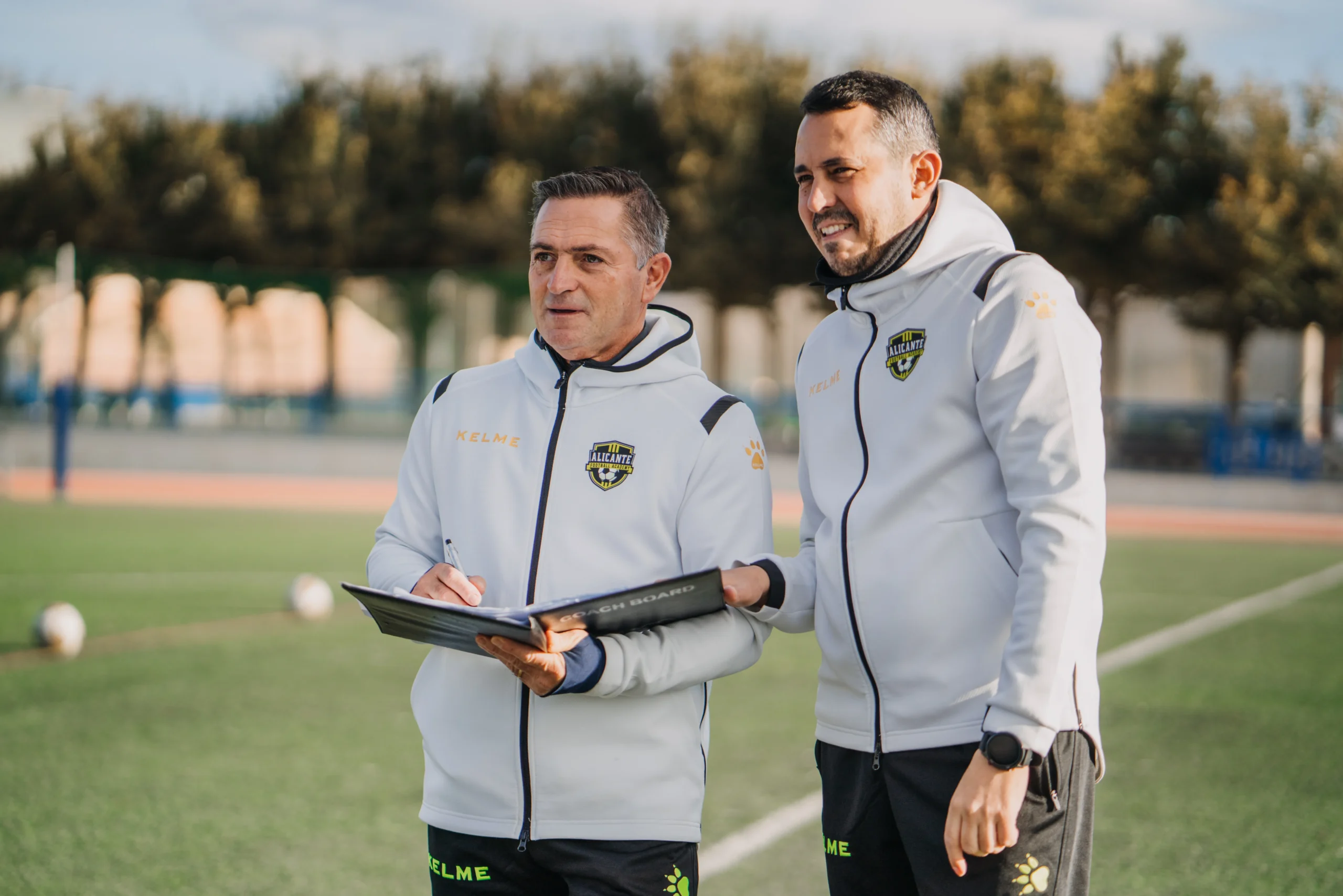
At Alicante Football Academy, we don’t claim to offer “injury-proof” football because that isn’t possible. Instead, we focus on what we can control:
- Our professional coaches teach safer techniques for tackling and landing.
- We use a structured weekly schedule to help players avoid sudden jumps in intensity.
- Our warm-up routines and strength training are designed to protect knees and ankles.
- We give honest feedback so players don’t ignore warning signs and risk serious injury.
If you want to improve as a player without taking unnecessary risks, having the right environment matters just as much as talent.
Why Are Some Football Injuries Described As Horrific Or Gruesome?
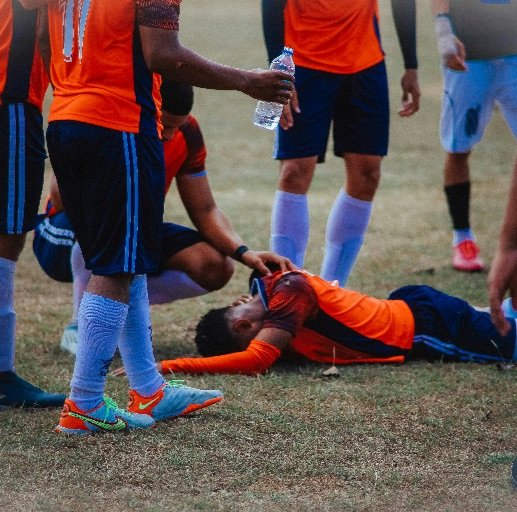
Some football injuries are called “horrific” because they look so shocking. This can mean a visible deformity, a limb bent the wrong way, or an incident so serious that the match stops immediately, with teammates turning away or urgently calling for medical help. Broadcasters often avoid showing replays of the worst injuries, which shows how disturbing they are. But the impact goes beyond that moment. Seeing a serious injury live can quickly change the mood of a match. Players become more careful, tackles are less forceful, and the atmosphere shifts both on the field and in the stands. These injuries are called scary or brutal because they remind us that football is more than just entertainment. It is a physical sport with real and sometimes lasting consequences.
Which Body-Part Injuries Are The Worst In Soccer?
Serious soccer injuries often happen to the legs because the sport depends on running, stopping, turning, and physical contact.
The legs, knees, and ankles are the most at risk for injury.
These parts of the body are vulnerable for several reasons:
- The foot is often firmly on the ground when contact occurs.
- Players often slow down quickly and turn sharply.
- Landing awkwardly after a jump can also cause injuries.
- Even slight loss of control can put too much stress on a ligament or joint.
Football relies heavily on movement.
Unlike some sports where you can “play around” an injury, football punishes limitations:
- If your ankle is unstable, you cannot change direction quickly.
- If your knee is weak, slowing down becomes difficult.
- If you do not trust your joints, you will not play with confidence.
Recovery complexity by body part
- Knee injuries can affect cutting, turning, and confidence.
- Ankle injuries can hurt your balance, slow your acceleration, and reduce the quality of your first touch.
- Groin/hip injuries can ruin kicking mechanics and sprinting rhythm.
- Hamstring injuries can make players less confident when running at top speed.
Injuries can change how a player moves and how confident they feel on the field.
This is why some players come back but do not look the same. They may be medically cleared, but they do not:
- Go all out in sprints,
- Press opponents as aggressively,
- Challenge others in one-on-one situations,
- Hit the same angles when striking the ball
Which Injuries Are The Most Dangerous Or Fatal In Football?
The most serious football injuries involve the brain, internal organs, or heart. These injuries are much rarer than ankle sprains or pulled muscles, but when they do happen, the effects can be life-changing or even deadly. They are especially dangerous because they are not always easy to notice right away.
Head injuries and concussions are a major concern because symptoms can appear later and may get worse if a player returns to the game too soon. A concussion is not “just a knock.” Headaches, dizziness, confusion, sensitivity to light, or changes in behavior can show up hours or even days after the injury. This is why football authorities take concussions seriously. FIFA gives clear advice on what to do if a concussion is suspected and how players should return safely. IFAB has also created formal concussion rules, including extra permanent substitutes for concussions in some competitions. These actions show that head injuries are now taken very seriously in football.
Internal injuries are dangerous because they often do not look serious from the outside. There may be no visible signs, but the damage can still be severe. If a player has strong stomach or chest pain after contact, trouble breathing, dizziness, confusion, or symptoms that get worse, these should never be ignored. These signs could mean internal bleeding or organ damage and need quick medical attention.
Sudden heart problems are rare in football, but they are the most serious emergencies on the field. If someone has a sudden cardiac arrest, it is important to act quickly. Survival depends on recognizing the problem fast, doing CPR, and having a defibrillator close by. This is why every serious football setting needs emergency plans, trained staff, and the right medical equipment.
In summary, these injuries are not common, but knowing the signs, spotting them early, and responding the right way can prevent a serious situation from becoming a tragedy.
PRESENT YOURSELF LIKE A SERIOUS PLAYER
If you’re pushing hard for trials, your communication matters. This guide shows how scouts typically reach out and how to reply professionally.
Read the scouting contact guide
Which Famous Football Injuries Shocked The World?
When injuries shock the world, it’s usually because everyone sees them happen and reacts immediately.
Here are some examples people often mention. They are not seen as “entertainment,” but as reminders of the extreme risks in football.
- Eduardo da Silva (2008): widely reported as a serious leg fracture; UEFA reported he was diagnosed with compound fractures of the tibia and fibula. (Source: https://www.uefa.com/uefachampionsleague/news/01ca-0e6f0cb672e0-db5ea869b394-1000–eduardo-recovering-after-surgery/
- Luke Shaw (2015): ESPN reported a broken leg/double fracture during a Champions League match vs PSV. (Source: https://www.espn.com/soccer/story/_/id/37434059/luke-shaw-suffers-broken-leg-man-united-vs-psv)
- Aaron Ramsey (2010): The Guardian reported a serious injury incident that evoked memories of previous compound fractures. (Source: https://www.theguardian.com/football/2010/feb/27/stoke-city-arsenal-premier-league-match-report)
- Christian Eriksen (Euro match collapse): AP reported his return to the Euros after a cardiac arrest and resuscitation on the pitch. (Source: https://apnews.com/article/43f9a5933f8089614af10285e38f6987)
Why do these moments draw attention from people all over the world?
- The game stops immediately.
- The atmosphere in the stadium shifts instantly.
- Videos of the incident are shared widely.
- The story becomes bigger than just football.
How rules and safety measures have changed
Serious injuries have led to faster changes in several areas:
- There is now more awareness of concussions and new rules for substitutions.
- People expect quicker and better medical responses.
- There are more discussions about how to protect players, especially from dangerous tackles.
Is The ACL The Worst Football Injury For Players?
Many players see an ACL injury as the most dreaded injury in football. It might not look dramatic on the field, but it can change a career. The ACL, or anterior cruciate ligament, is crucial for knee stability, especially when pivoting, cutting, slowing down, or landing in an awkward way. When it tears, the main worry isn’t just the pain or the surgery. It’s whether the player can get back to playing football at the same level.
Players coming back from an ACL injury often say the hardest part is learning to trust their knee again. They also find it tough to make quick changes in direction and to go all out in fast, challenging plays. Even if their knee feels strong, some hesitation can remain, and in football, even a split second of doubt can matter.
Most ACL tears need surgery and a long recovery. Many players have surgery to rebuild the ligament, then spend months in rehab. The time it takes to come back is different for everyone, but being ready for football is more than just healing. Players need to regain strength, coordination, balance, and the ability to make quick decisions at game speed, not just run straight ahead.
ACL injuries often happen during fast and agile movements. Football is full of hard stops, quick turns, and sudden bursts of speed. That’s why wingers and midfielders, who depend on being quick and explosive, often feel the effects of an ACL injury the most.
Compared to other serious injuries, the ACL stands out. Some injuries hurt more, some look worse, and some are more dangerous right away. But an ACL injury means a long time away from the game, tough physical demands when coming back, mental hurdles, and worries about knee health in the future. That’s why players fear it more than almost any other injury in football.
Can You Be 100% After An ACL Tear In Soccer?
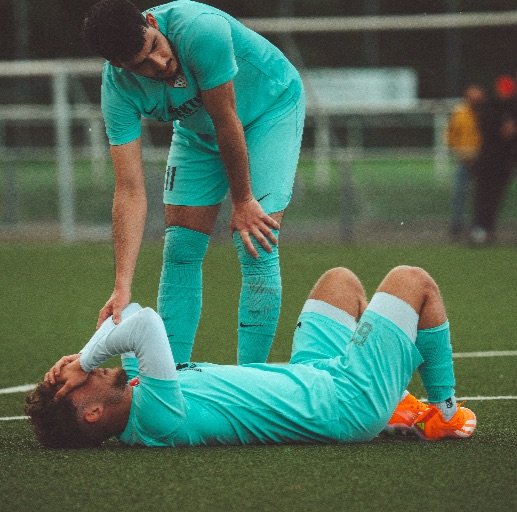
Many players return to high-level football after ACL reconstruction, but getting back to “100%” depends on the person, their rehab, and what “100%” means in football. A 2025 review by PubMed found that over 92% of professional footballers played again after ACL surgery, and about 80% reached their pre-injury level. This is good news, but it also means a full return is not certain.
In real football, the players who come back strongest are not just those who regain fitness. The best returns happen when players rebuild strength, improve movement, and control their bodies under pressure. Running fast or passing medical tests is not enough if quick turns, stops, and reactions still feel shaky.
Rushing a comeback is one of the most common mistakes. Coming back early for a trial, a big game, or because of outside pressure often leads to setbacks and a higher risk of getting hurt again. In our experience, confidence returns when the body is truly ready, not before. The return should follow a criteria-based approach, guided by qualified medical and performance experts. It is more important to meet clear strength, movement, and football-specific goals than to return just because a certain amount of time has passed.
Why Are Football Injuries Considered A Major Risk Of The Sport?
Football injuries are a big risk because the game involves quick movements, frequent contact, and lots of unpredictability. Players almost never move in straight lines or in controlled situations. They have to make split-second decisions while reacting to opponents, the ball, and contact all at the same time.
Every football match is physically tough. Players sprint at full speed, stop quickly, change direction fast, jump and land, and get involved in tackles and collisions. All these actions put a lot of stress on muscles, ligaments, joints, and the nervous system, especially when players get tired.
Injury data shows that injuries happen much more often during matches than in training, which proves that risk is always part of football. The high intensity, emotional stress, and unexpected contact in matches all make injuries more likely. Large studies by PubMed Central highlight this difference and remind us that while we can’t avoid all risks, we can reduce avoidable ones with better preparation.
The effects of injuries can last well beyond a single season. Some injuries might permanently affect joint stability, cause lasting pain, damage knee or ankle health, and make players less confident in their movements. For some, losing trust in their body can be just as limiting as the injury itself.
Football safety is getting better. The sport now uses improved warm-up and injury-prevention programs based on research, better concussion recognition and return-to-play education from FIFA, and clearer substitution and concussion rules from IFAB. These changes don’t remove all risk, but they help protect players much more when injuries happen.