Key Takeaways
- The best position for you is one where your strengths are frequently evident during actual matches, not just in stellar moments.
- Attacking players put you in the spotlight, midfielders shape the game, defenders provide structure, and goalkeepers take on a huge responsibility.
- Numbers like 6, 8, or 10 can have different meanings depending on the team's system. Focus on understanding the role, not just the title.
- During training, try two different positions before deciding which one suits you best.
- Choose one primary and one backup position for the trials. This will give you more options and help the team have greater squad flexibility.
Table of Contents
What Is The Best Position In Football?
The best football position varies for everyone. It depends on your strengths, your team’s needs, and the level you play at.
Usually, the best position is where these factors come together:
- Your strongest habits, or what you do naturally without thinking
- How you respond under pressure, whether you take risks or prefer to play it safe
- Your team’s playing style, such as focusing on possession or direct play, or using a high press or a low block
Every position has its own pros and cons:
- Striker or wide forward: You may not touch the ball as often, but your actions can decide the game.
- Central midfield: You’ll be involved more and have greater influence, but you need to always scan the field and make quick decisions.
- Defenders: Your decisions are often clearer, but mistakes can be costly.
- Goalkeeper: The most specialized role.
Here’s an easy way to help players find their best position:
- If you’re calm on the ball and always looking around, try playing in midfield (positions 6, 8, or 10).
- If you’re quick and can run up and down the field a lot, try fullback, wingback, or winger.
- If you’re good at one-on-one battles and can spot danger early, try centre-back or defensive midfield (the 6).
- If you’re good at finishing and timing your runs, try playing as a striker or wide forward.
Don’t pick your position too early. Try out two or three roles in training and games, then choose the one where your strengths show up most when it matters.
What Are The 11 Critical Football Positions And What Does Each One Do?
In 11-a-side football, each team has 11 players, including a goalkeeper. Formations such as 4-3-3, 4-2-3-1, or 3-5-2 change how the team is set up, but players still work together in groups: the back line, midfield, and front line. Defenders keep the team safe and help start attacks. Midfielders connect the team and manage transitions. Forwards create chances and score goals. When the team loses the ball, everyone works together to defend.
The goalkeeper’s main jobs are stopping shots, organizing the defense, and passing the ball out. Center backs protect the space behind the team, win tackles, and help start attacks. Fullbacks or wingbacks defend the sides of the field and help move the ball forward. In midfield, players are often called the 6, 8, or 10. The 6 protects the defense and stops counterattacks. The 8 links defense and attack and supports play. The 10 creates chances between the lines and connects with the forwards. Up front, wingers or wide forwards stretch the field, attack the wide areas, and press the opposition. The striker finishes chances, makes runs behind defenders, and links up play.
You can see these connections in common formations. In a 4-3-3, the center backs and the 6 make up the team’s spine. Fullbacks and wingers provide width, the 8s connect the play, and the 9 finishes attacks. In a 4-2-3-1, two midfielders protect the defense and link play, while the 10 connects with the front three. In a 3-5-2, three center backs add security, wingbacks provide width, and two strikers share the attacking responsibilities.
Keep in mind that the 6, 8, and 10 roles can mean different things depending on the coach and the system. Rather than memorizing the labels, focus on the main ideas: which areas you cover, whether your job is to protect, connect, or make decisions, and what you do right after your team wins or loses the ball.
WANT A COACH TO CONFIRM YOUR BEST POSITION?
A position should fit your habits in real games, not just what looks good on highlights. In our sessions, we often test players in two roles and give clear feedback on what stands out in their decisions, touches, and off-ball movement.
Our approach to player assessment
Which Position Is The Best In Soccer If You Love Attacking Play?
Striker (9): freedom vs responsibility
- Freedom: you usually have the most freedom to stay up the field and focus on getting into the box.
- Responsibility: your actions can decide the game, so you need to finish chances and make runs behind the defense.
- Most rewarded: finishing, moving well in the box, timing your runs, and linking play with quick, simple touches.
Winger / Wide forward: freedom vs responsibility
- Freedom: you can take on defenders one-on-one, make runs behind, and drift inside based on your team’s setup.
- Responsibility: you need to create attacking threats and also help defensively by pressing, tracking back, and recovering.
- Most rewarded: dribbling, speed, creating chances with crosses, cutbacks, or final passes, and making smart runs off the ball.
Attacking midfield (#10): freedom vs responsibility
- Freedom: you have less freedom to stay up the field because you need to connect the team and be available for passes.
- Responsibility: you link the build-up to the attack, receive the ball under pressure, and make quick decisions between the lines.
- Most rewarded: creativity, quick passing combinations, awareness, receiving on the half-turn, and timing your final pass.
If you want both goals and to be involved in the build-up play
- Try using a wide forward who cuts inside. This gives you more shots while still getting plenty of touches.
- Or use a number 10 who arrives late in the box. This leads to more touches and goal chances from cutbacks or second waves.
- A simple rule: If you want the most shots, choose a striker. If you want shots and one-on-ones, go with a winger. If you want touches, creativity, and still some goals, pick a number 10 who arrives late.
What Is The Best Position To Play Football If You Prefer Defending And Structure?
If you like stopping attacks, there are three roles that usually suit you best. Each one is satisfying in its own way:
Centre-back (CB)
- What you stop: through balls, crosses, direct strikers, and second balls.
- What feels satisfying: winning key duels, protecting the space behind, and keeping the whole team calm.
- Besides tackling, you control the defensive line with good positioning and leadership by stepping up, dropping back, and organizing your teammates. You also help start attacks with your passing, whether by switching play or making line-breaking passes into midfield.
Fullback / Wingback (FB/WB)
- What you stop: 1v1s in wide areas, overlaps, cutbacks, back-post runs.
- What feels satisfying: locking down a winger, timing a tackle, and recovering to kill transitions.
- Besides tackling, you impact the game with your positioning, knowing when to stay back or push forward. Smart support runs for width or overlaps, along with good passing choices like simple progressions or cutbacks, help turn defense into attack quickly.
Defensive midfield (6 / DM)
- What you stop: counterattacks through the middle, passes into the striker/10, second balls.
- What feels satisfying: intercepting before danger starts and “cleaning up” transitions so the team can stay attacking.
- Besides tackling, you organize the team’s defensive shape by screening and communicating. You also control the game with your passing, whether by resetting the tempo, playing forward when possible, or helping the team play out from the back.
Here’s something important: great defenders often tackle less because they get there early, read the play, and control space. As The FA’s coaching resources point out, good defending is about clear roles and responsibilities in the team press, not just making tackles.
What Is The Most Important Role In Football For Controlling The Game?
If being the “most important” means controlling the tempo, then central midfield is where it happens. As a midfielder, you link defense and attack. You take the ball under pressure, connect with forwards, and decide when to slow or speed up the game.
FIFA’s World Cup 2022 analysis found that central and defensive midfielders ran the most, with some covering over 13km in a match. But running distance is just one part. What really makes midfielders stand out is how often they make decisions. Scanning early, getting into position, and making quick choices are more important than just running fast.
A strong central player helps teammates by making it easier to find passing options.
- They position themselves at the right angle so defenders have a safe option to pass out.
- They stay available as a bounce pass to help keep possession under pressure.
- They move to become the free player, making the next pass simpler and quicker.
What Is The Most Popular Position In Football And Why Do Players Choose It?
“Popular” can mean two things: the roles kids most want to play and the ones coaches assign most often based on team needs. Kids usually want to be strikers or wingers because scoring goals and making assists are easy to see, get lots of praise, and feel like instant proof of a good game. In youth football, coaches often put the most confident, fastest, or physically developed players in attacking positions early on, since these players can help win matches right away.
But the truth is, the most satisfying position in the long run is the one that matches your strengths. We’ve worked with players who didn’t like the pressure of being a striker but enjoyed the freedom of playing as a wide forward. They quickly became more confident and consistent.
How To Pick A Football Position That Matches Your Strengths?
Start by taking a moment to reflect on your abilities. Rate your speed, stamina, strength, agility, vision, first touch, passing, confidence, communication, and scanning as low, medium, or high. Then, consider if you like taking risks, such as making the final pass or shot, or if you feel more comfortable focusing on control, like keeping your team’s shape or protecting space.
At tryouts, coaches look for players who make smart choices under pressure, work hard to press and recover, and know how to use space instead of just chasing the ball. These skills are important in different ways for each position. Defenders should focus on positioning, winning duels, communicating, and passing from the back. Midfielders need to scan the field, make quick decisions, and find good angles to connect play. Attackers should be able to take on defenders one-on-one, move well, finish chances, and press high up the field.
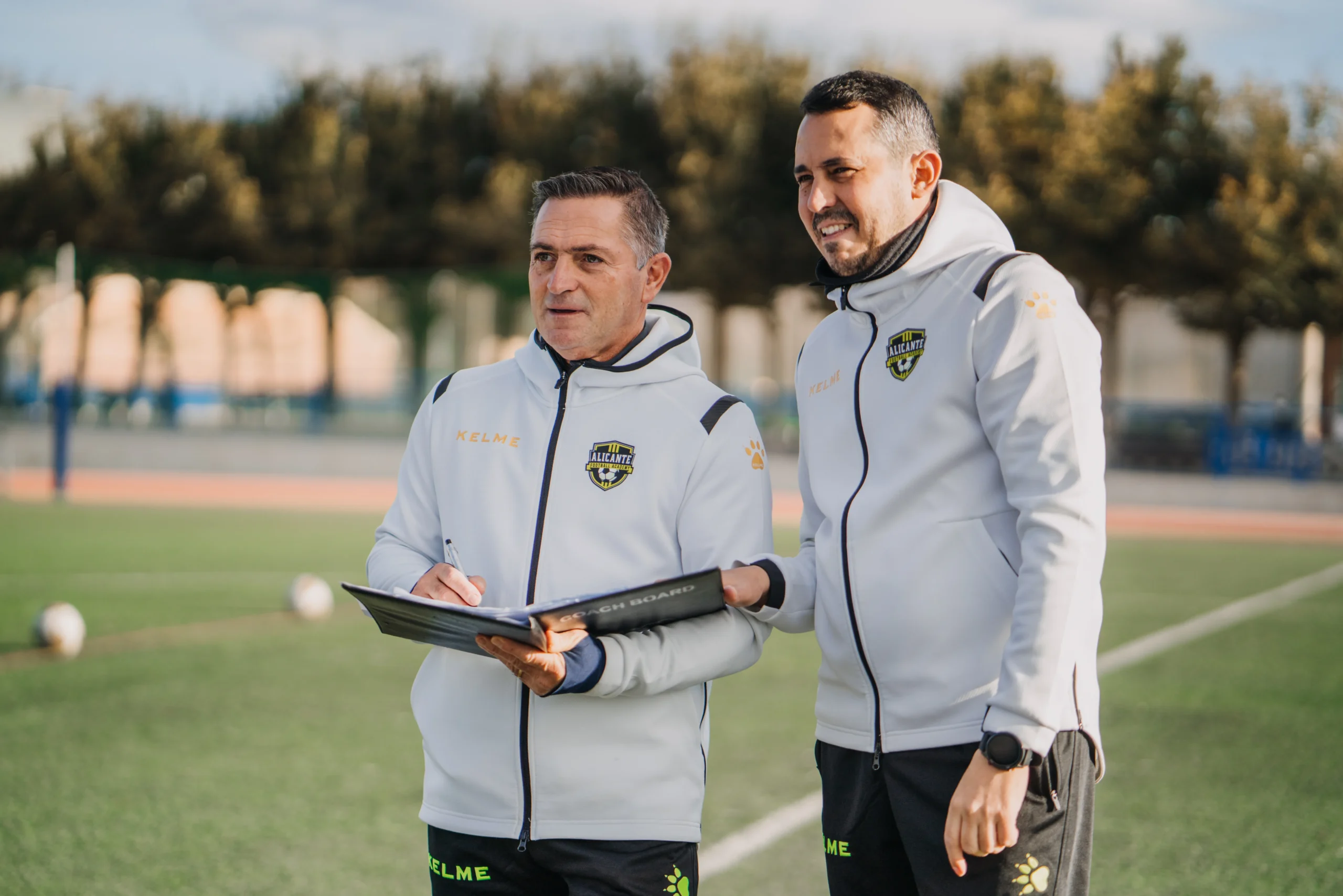
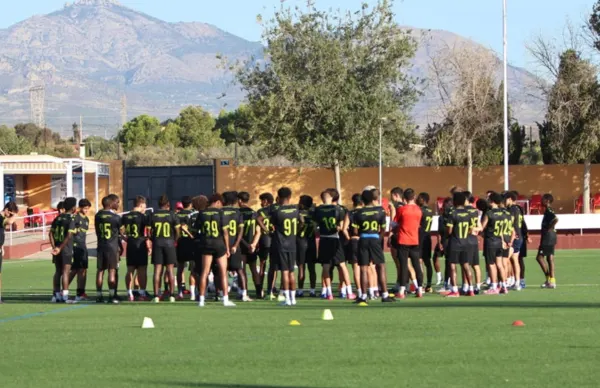
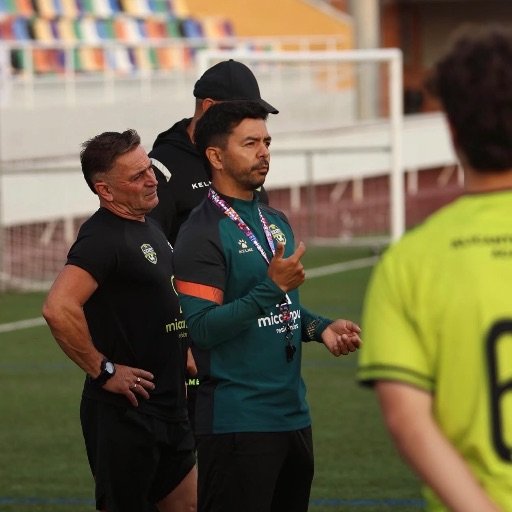
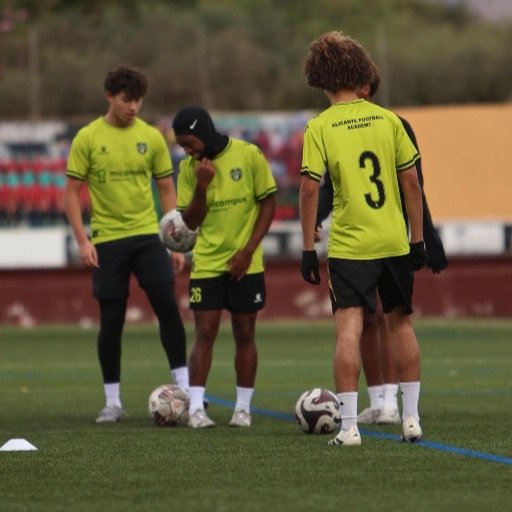
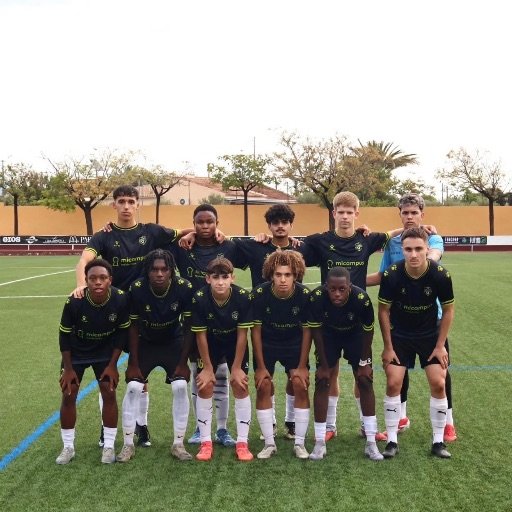
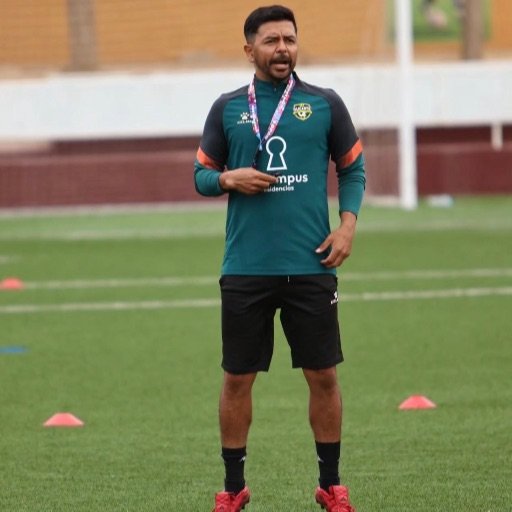
Rather than guessing your best position, try playing in different roles. At Alicante Football Academy, we let players try two positions during training and small-sided games. We give clear feedback on your touch, scanning, decisions, work rate, and positioning to help you find your best fit faster than just watching highlights. After each session, ask your coach and a teammate for one piece of feedback: what did you do well, and what should you work on next?
If you try a new position, keep your confidence up by following a simple plan. In your first two sessions, play it safe by using two touches and picking easy passing angles. In sessions three and four, add one new skill, like carrying the ball, crossing, making a forward pass, or intercepting. From session five on, focus on building good habits, such as pressing at the right time, covering angles, and scanning the field. Track your progress by noticing three things you do well repeatedly, instead of worrying about one mistake.
What Position Do The Best Soccer Players Play And Does It Matter?
You can find elite players in every position, but each one stands out in its own way. Attackers shine by scoring goals and making assists. Midfielders run the game through their touches, pace, and choices. Defenders show their strength by stopping threats early. Goalkeepers prove themselves with big saves when it matters most.
That’s why coaches often put their most versatile player where they can make the biggest difference, usually in central midfield. Sometimes, though, the team needs a top scorer up front or a strong leader in defense. In the end, the team’s needs matter more than what any one player prefers.
READY TO APPLY FOR A PLACE AT ALICANTE FOOTBALL ACADEMY?
If you’re serious about improving faster, the first step is sharing your background, goals, and what roles you’re currently playing. We’ll use that to understand where you are now and what you need next.
Apply to Alicante Football Academy
What Position Passes And Tackles The Most In Football?
Touches and tackles vary depending on the team’s system, but some clear patterns stand out.
An analysis of Copa América 2019 showed that central midfielders made the most passes on average (52.36 per match) and also had a high number of tackles (4.74). Forwards, on the other hand, averaged fewer passes (28.23).
| Position group (per 90) | Passes (mean ± SD) | Tackles (mean ± SD) |
|---|---|---|
| Central defenders | 44.69 ± 19.28 | 2.51 ± 2.17 |
| Wide defenders | 49.67 ± 17.92 | 3.74 ± 2.27 |
| Central midfielders | 52.36 ± 15.12 | 4.74 ± 2.86 |
| Wide midfielders | 36.71 ± 13.22 | 2.94 ± 1.68 |
| Forwards | 28.23 ± 9.78 | 2.09 ± 1.63 |
Physical demands vary by role. FIFA reports centre-backs and defensive midfielders cover 70–85% of their high-intensity and sprint distance without the ball, while centre and wide forwards cover 60–70% with the ball.
What Position Gets The Most Tackles In Football And Why?
Fullbacks and defensive midfielders often face the most duels because they play in dangerous areas. Fullbacks handle constant wide 1v1s, while defensive midfielders stop attacks through the middle. In modern pressing systems, tackle chances move higher up the field. When the team presses high, wingers and midfielders often win the ball first by setting press traps, counter-pressing, and forcing rushed passes.
If you enjoy tackling, focus on building these three habits:
- Timing: Wait for the attacker to take a big touch or when their head is down.
- Body shape: Approach from the side and guide the attacker where you want them to go, down the line or inside, before you commit.
- Recovery runs: Run first and tackle second. Sprint back into position, then pick the right moment to step in.
What Is The Best Scoring Position In Football?
Strikers and wide forwards usually get the best chances to score because they start closer to the goal and attack the most dangerous areas, like the six-yard box, the penalty spot, and the far post. Still, any position can score if the player is in the right place at the right time. Centre-backs go forward for set pieces, 8s arrive late for cutbacks, and 10s find space between defenders to shoot or make a pass.
Team tactics are important as well. Good teams create scoring chances for players who are not forwards by using set-piece routines like screens, blockers, and second-phase crosses. They also use cutback patterns, where a winger or fullback passes to the edge of the box for a late runner, and overloads that give a midfielder space at the top of the box. The best chance to score is not about where you start, but where you move to when the opportunity comes.
What Is The Easiest Position In Football And What Makes A Role Feel Easy?
What feels easy depends on your skills, and each position has its own hidden challenges that you only notice during real games. Some roles are more physical, some are more mental, and some are less forgiving when you make mistakes.
- Striker usually means less running overall, but the pressure is high. You might not get many touches, and people often judge you based on how well you finish chances.
- Winger or fullback roles need a lot of physical effort, with lots of sprints, recovery runs, and many one-on-one situations.
- Central midfield is the position where you make the most decisions. You have to scan the field all the time, handle the ball under pressure, and solve problems every few seconds.
- Centre-back decisions might be simpler, but mistakes are costly. One wrong move can give the other team a chance to score.
- Goalkeeper needs special skills and comes with high-pressure moments. If you make a mistake, everyone notices it immediately.
Learning a new position takes time. Most players need a few weeks to feel comfortable in a new role, and a few months before it feels natural. The hardest part is figuring out where to be and what to do, not just the ball skills.
Here are some tips to help make any position feel easier:
- Look around early so you know your next pass before the ball gets to you.
- Practice your first touch, trying to move the ball away from pressure and into open space.
- Keep things simple when you’re under pressure. Use one or two touches and play to the safe side first.
- Talk to your teammates early, before any danger happens, not after.
What Position Is The Most Versatile In Football?
Some roles work well in different formations like 4-3-3, 4-2-3-1, or 3-5-2. These are usually:
Fullbacks or wingbacks defend out wide and provide width in attack. They fit into both four- and five-player defenses.
Central midfielders (6 or 8) scan the field and connect play, which is important in any formation.
Two-way wingers press, make runs behind the defense, and track back. These skills fit most pressing systems.
Versatility is important because it helps teams handle injuries, adjust tactics during a game, and make substitutions easier. One versatile player can solve two problems without changing the whole system.
Here’s a simple plan to become more versatile:
- Choose one main position and one backup position, like fullback and winger or number 8 and number 6.
- During training, set two goals each week: one that applies to any position and one that is specific to your chosen role.
- For transferable skills, work on your weaker foot, get in the habit of checking your shoulders, and practice taking your first touch away from pressure.
- If you’re a fullback, focus on your body shape when defending one-on-one and on timing your overlapping runs.
- For midfielders, practice receiving the ball on the half-turn and making quick bounce passes.
- If you play as a winger, work on producing results in one-on-one situations and recognizing when to press or track back.
- During games, track your progress by repeating three key actions from each role, rather than just focusing on highlights.
What kind of role sounds most natural to you in real games?
Which strength shows up more often when the pressure is on?
Solution:
Your best fit is likely central midfield, especially as a 6 or 8. This suits players who like controlling tempo, helping teammates play out, and making good decisions again and again. Use one main role and one backup role, such as 6 and 8, then build habits around scanning, body shape, and quick support angles.
Solution:
Your best fit is likely defensive midfield or centre-back. This suits players who enjoy structure, protecting space, and stopping attacks before they become dangerous. Keep one as your main role and the other as your backup, then focus on positioning, communication, timing, and simple progression passes.
Which strength shows up more often when the pressure is on?
Solution:
Your best fit is likely as a number 10 or an inside forward. This suits players who want attacking freedom but still like linking play, receiving between the lines, and making the next action clear. Build around one creative role and one secondary attacking role, then work on half-turns, final passes, late box arrivals, and quick combinations.
Solution:
Your best fit is likely winger, wide forward, or fullback depending on your pace and work rate. This suits players who can compete physically, press aggressively, recover fast, and still create danger in transitions. Choose a main wide role and a backup one, then focus on 1v1 defending, pressing triggers, recovery runs, and attacking the space behind.
What Is The Most Fun Position In Soccer ?
Everyone finds something different that makes soccer fun. Some players like to get lots of touches and stay involved, like midfielders. Others enjoy the freedom and creativity of playing on the wing or as a number 10. Some players love the challenge of defending and winning battles, like center backs, fullbacks, or defensive midfielders. There are also those who live for the big moments, like strikers and goalkeepers. What you enjoy might also depend on how much risk you want to take. Do you like trying bold passes or shots, or do you prefer to play it safe and make steady choices?
It also helps to be versatile. If you can play two or more positions well, you become valuable to different teams and can find more ways to enjoy the game. Pick main and secondary roles that match your personality, not just what looks exciting in someone else’s highlight video.
What Football Position Should I Go Out For In Hs Or College Tryouts?
Tryouts favor players who show good habits all the time, not just one impressive moment. Coaches notice things like effort, speed in different situations, and how you compete for the ball. They also want players who listen and use feedback right away. Understanding the game is key, like knowing where to be, when to move, and making simple choices. Working hard, pressing, and recovering are important too. Choose a position where you can show your value every minute by making smart decisions, keeping good spacing, and giving steady effort, not just by making one big play.
Think about your main position and also have a backup in mind. Being flexible can improve your chances.
Here are some useful habits for each position:
- Defenders should talk to teammates early, help organize the back line, pass accurately, and try to win their first challenge.
- Midfielders should check their surroundings before getting the ball, look to play forward when they can, and support teammates right after passing.
- Forwards should keep making runs, press with a goal in mind, and finish quickly when they get a chance.
If you want to play college soccer in the U.S., look at the NCAA recruiting calendars and guides to learn the rules and important dates.
WANT A CLEAR PLAN FOR ACADEMY TRIALS AND CLUB PATHWAYS?
Choosing a position helps, but coaches select players based on repeatable value and decision-making. Use our guide to understand how academy pathways work and what to prepare before you step into a trial environment.
How academy trials and club pathways work