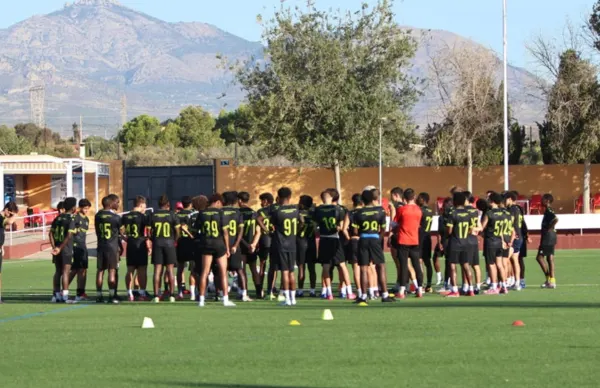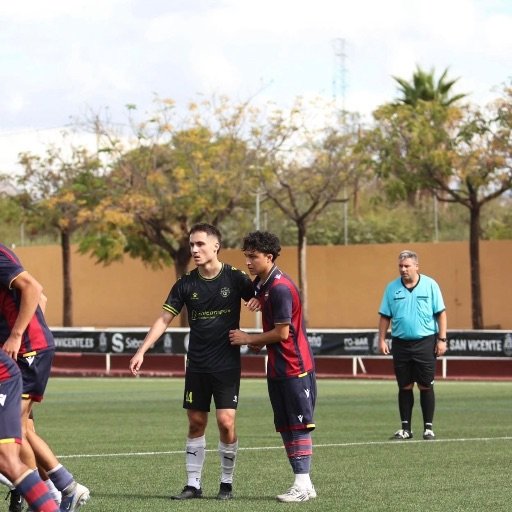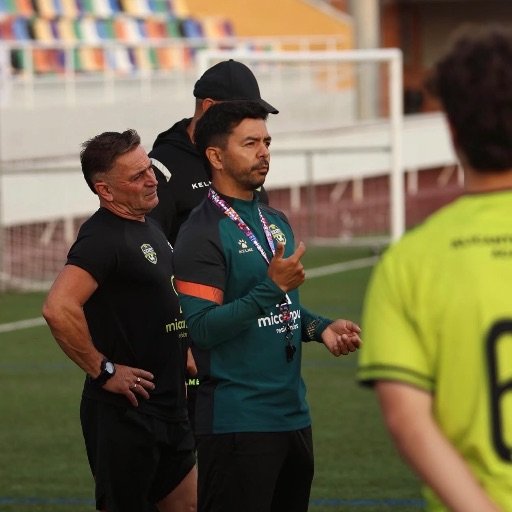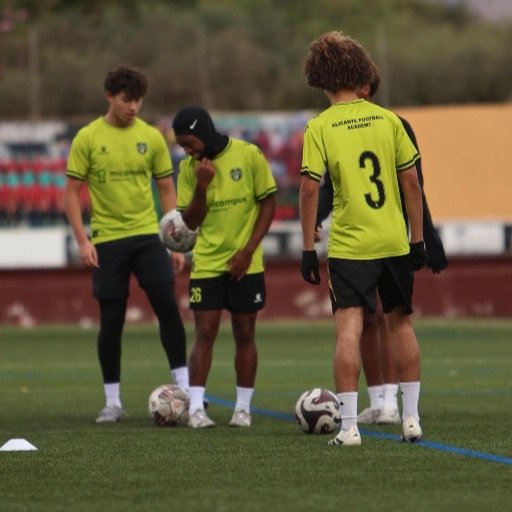
Key Takeaways
- Starting a football career at 13 is possible if you spend the next three to five years working hard and focusing on your development.
- Players improve fastest when they join the right club or academy, train regularly and follow a clear development plan.
- Football is very competitive and it can be hard to get noticed without the right connections. Our academy helps by introducing players to clubs, trials and scouts.
- Even if you don’t get a professional contract, following a good development plan will help you build valuable life skills.
Table of Contents
How To Become A Footballer At 13?
At 13, your focus shouldn’t be on being “a pro”. It should be about joining a good football environment and starting to build good habits every week.
Here’s the simplest path we recommend:
- School or local community football.
- Competitive local club or academy team.
- Join a regional or full time academy environment.
- Look for trials and opportunities at professional or semi pro clubs.
You can’t jump from playing in the park to joining a top club. You move up one level at a time.
If you’re 13, start by making a list of local clubs and academies that have teams for your age. Try attending a few open training sessions or trials at those clubs. At home, add some extra practice, like ball work, juggling, wall passes or simple strength exercises. Record a short highlight video from your matches or training, even a basic video is a good start. The aim isn’t to be perfect just yet but to go from just thinking about football to playing in the best place for your current level.
How To Join A Local Team And Academy At Age 13
If you’re looking for clubs for 13 year olds, start by checking your local football federation or league website. These usually list teams by age group, so look for U13 or U14. You can also search online for “football academy” with your city or region, then see which age group and trial options each academy offers. Community clubs are often easier to join and you can find them through school, local sports centers or youth football groups that welcome players of all skills.
Once you find a club or academy, the trial process is usually straightforward. For 13 year olds, trials often take place during normal training sessions. Coaches look at the player’s skills, decision making, attitude and how they get along with the team. Sending a short highlight reel can help when you first reach out but most clubs still invite the player to join a few training sessions.
Training schedules can differ but most U13/U14 teams practice two or three times a week and play matches on weekends. Parents or guardians should plan for regular trips to training and games, staying in touch with coaches and sometimes travelling to away matches. Some academies may ask for extra commitments like extra fitness sessions, working with schools or going to tournaments but these details are usually explained clearly after the player joins.
Across Europe, UEFA describes elite youth programs where top clubs focus on long term development, they combine strong coaching with education and life skills. This is the kind of environment you should look for when choosing an academy.
PLAN YOUR STEP INTO EUROPEAN FOOTBALL
Alicante Football Academy is for players 16+, but the work you do at 13–15 sets you up for that opportunity. See what the pathway looks like so the next few seasons have a clear direction.
See the pathway
How Does Football Training For 13-Year-Olds Work?
By age 13, players can handle tougher training but it’s still important to keep sessions varied and fun.
A good training week should include:
- 2 or 3 team practises each week
- Time to set aside for studies.
- 1 match
- Basic exercises for strength, speed and mobility.
- Enough time for recovery.
Here’s a simple weekly micro cycle structure you can adapt.
| Day | Focus | Example |
|---|---|---|
| Monday | Recovery + light technique | Easy juggling, wall passes, mobility, stretching |
| Tuesday | Team training | Warm-up, position-specific drills, small-sided game, finishing |
| Wednesday | Individual skills | 45–60 mins ball mastery: dribbling patterns, 1v1 moves, weak-foot passing |
| Thursday | Team training | Tactical work: pressing shape, build-up patterns, set-pieces |
| Friday | Speed + finishing | Short sprints, acceleration drills, shooting from different angles |
| Saturday | Match day | Pre-game activation, game, cool-down |
| Sunday | Rest or active recovery | Walk, light cycle, stretching, video analysis |
How To Focus On Your Abilities?
If you’re 13 it’s completely normal not to know your best position yet. To help figure it out, ask yourself: Where do I usually play? Which parts of the game feel easiest for me? What do coaches like about me?
After you have a sense of your position, choose one thing to work on each week. For example, a full back can practice 1v1 defending and crossing. A winger might focus on first touch and dribbling. A striker could work on finishing.
Once you pick what to work on, come up with simple drills to practice it. At our academy, we say: “One focus, many repetitions.” It’s much better to repeat one key skill 200 times than to try 20 different skills with less repetitions.
How To Use Training Games Effectively?
Kids pick things up faster when they learn by playing games. Rather than doing the same drills over and over, try adding some rules to your games:
- You can limit players to two touches or even just one touch. This helps them play more quickly.
- Ask players to move the ball forward within 5 passes. This encourages a more attacking approach.
At Alicante Football Academy, we use small sided games in almost every session because they:
- Help players stay aware and look around.
- Give them more chances to make decisions and compete.
- Keep the sessions intense while still being fun.
What Are Essential Football Skills For 13-Year-Olds?
By the time players turn 13, they should have a solid base in four main areas.
Technical
- First touch under pressure.
- Passing short and medium distances with both feet.
- Basic long passes and switching play.
- Finishing from various angles inside the box.
- Defending one on one and tackling with good technique.
Tactical
- Knowing when to press and when to drop back.
- Learning simple patterns like overlapping and switching play.
- Playing between the lines or creating width.
- Not to lose position.
Physical
- Being agile and able to change direction quickly.
- Basic strength core.
- Good habits for sleep, hydration and nutrition.
Mental
- Staying focused throughout the whole game.
- Bouncing back after a mistake.
- Good communication with teammates and coaches.
Natural talent helps, but the players who have a good attitude and are eager to improve are the ones that stand out and master the basics better than anyone else.
WHAT SCOUTS START NOTICING BEFORE 16
At this age it’s less about highlights and more about fundamentals: first touch, decision speed, work rate, and response to mistakes. This guide breaks down what tends to stand out early.
Read the age‑11 scouting guide
How To Maintain The Right Mindset At Age 13 In Football
At 13, your feelings can change fast. A good game might make you feel amazing while not getting picked can make you doubt yourself. That’s why we use three simple mindset pillars to help players stay steady and motivated.
The first is to focus on growth, not status. Instead of asking, “Am I better than everyone?”, try asking, “Am I better than I was a few months ago?”
The second is to see feedback not failure. Getting subbed out, not making a team or starting on the bench is not the end. Instead of dropping your head down, ask your coach, “What can I do better”? “How can I improve?”
The last one is to truly love the game. The players who go the furthest are the ones that really love training, even when it’s hard. Keeping that joy helps you avoid burning out when things get tough.
Parents also play a big role. The car ride home after training or match should feel safe and supportive, not like a press conference. A calm environment helps young players stay confident and steady. This approach matches what FIFPRO highlights about the emotional needs of young players.
Is 13 Too Late To Start Playing Football?
No, it’s not too late to start taking football seriously at 13. You’ll need to work hard but there’s still time to commit, train and give yourself a real chance. Many players who join a full time program at 13 or 14 quickly catch up in skills, learn tactics and reach levels they didn’t expect.
The key difference is that you’ll need to be more focused and consistent from this point forward.
If you start at 13, here’s a realistic timeline: Between 13 and 14, join the best local club or academy where you can focus on your habits and technique and play regularly. At 15 or 16, if you’re ready, move to a more competitive environment, such as a regional or national academy, a stronger league or a tougher training program. From 16 to 18, clubs start making decisions about contracts, scholarships and U19 squads.
If you wait until 17 to get serious, it’s much harder. But if you start at 13, you still have a full development window ahead of you.
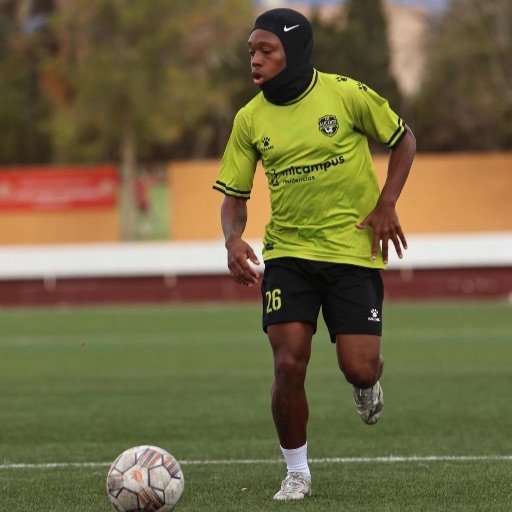
What Are The Physical Abilities And Limitations Of 13 Year Olds In Football?
Many 13 year olds go through a growth spurt, which brings both positives and some difficulties.
Strengths:
At this age, they can run faster, handle more structured training and their improved coordination makes it a great time to practice technical skills and pick up new tactics.
Limitations:
Growth can make kids a bit clumsy for a while and raise the risk of knee or heel issues. According to a sports medicine review on growth, maturation and injury risk in youth football, rapid growth phases can increase the chances of overuse injuries, especially in the lower body. Lifting heavy weights, training too often or playing on several teams can cause injuries too. They still need a lot of sleep, healthy food and regular breaks.
Warning signs to slow down:
Look out for pain that sticks around for days or constant tiredness.
At 13, the focus should be on steady, healthy progress instead of trying to get quick results by pushing too hard.
How To Set Realistic Goals For Parents Of 13 Year Olds In Football
Parents often ask us, “What should we expect?” To keep things simple, we divide development into three stages.
Season goals last 6 to 10 months. At this stage, a player might focus on improving their weaker foot, earning more game time and experience or trying to move up a level by the next season.
Medium term goals usually take 2 or 3 years. This could mean progressing from local to regional level, joining a well known academy or catching up physically with stronger or older players.
Long term goals span four to five years or more. Here, the focus is on preparing to trial for professional or semi pro clubs or aiming to play at U18 or U19 elite level.
This structure helps parents understand what progress really looks like over time.
Safety First?
Going after your goals matters but your safety should always come first.
Each week, make sure you add these steps to your training:
- Begin with a good warm up, such as a light jog, dynamic stretches and a few ball drills. You can also follow a simple injury prevention warm up used in FIFA’s Youth programme.
- End your session with a cool down.
- Don’t take on too much training at once.
- To stay healthy, get enough sleep, eat balanced meals and drink plenty of water.
If a coach ignores pain, tells you to play through injuries or tries to motivate with humiliation, consider looking for a better place to train.
What Is The Appropriate Gear For 13-Year-Olds In Football?
Having the right gear won’t make you a star but the wrong gear can slow you down or even lead to injuries. If you’re 13 start with the basics. Choose football boots that match the surface you play on, like firm ground, artificial grass or soft ground and make sure they fit well so your toes aren’t squeezed and your heel doesn’t slip. Always wear shinguards. Use the correct ball size for your league, usually size 4 or 5. Some useful extras like a refillable water bottle, a small foam roller and a notebook or app to keep track of your training.
How Do I Get Noticed By Football Scouts At 13?
When you’re 13, scouts look for potential rather than offering contracts. They watch for good technique under pressure, smart choices, physical ability and a positive attitude. Your effort, body language and response to mistakes matter just as much as your skills.
To get noticed, play where scouts are looking. They often attend competitive leagues and organized tournaments. Trusted showcases, trial events and academy competitions can lead to real chances.
At Alicante Football Academy, we help increase these opportunities. We bring in club coaches and scouts to watch our players, set up trial matches and training weeks with local teams and advise families on which chances are real and which are just marketing. Football is a connected world. Talent matters but contacts and trust are what open doors.
Being seen is just one step. What truly sets players apart is being consistent and professional. Scouts pay attention to your effort, attitude and communication and how you deal with mistakes or pressure.
Why Should 13 Year Old Footballers Stay Engaged In Sports?
Choosing to play football is a great decision, even if you never become a professional player.
Here’s what you get from it:
- You build healthy habits and fitness routines that stick with you for life.
- You learn discipline by going to practice and following routines.
- You develop teamwork and leadership.
We always remind our players that football gives you two important things at once:
- A real chance, even if it’s a small one, to go after a dream.
- It also helps you build a strong foundation as a person. Being a part of a structured environment, like a good local club or academy, keeps your options open.