

Key Takeaways
- Learn the basics by taking scouting courses like PFSA Level 1 in Talent Identification.
- Gain experience by volunteering with local academies, attending matches and writing structured scouting reports.
- Build a portfolio of player reports to show you ability to analyze players objectively.
- Advance your qualifications through PFSA Level 2 or national association courses.
- Keep networking by attending tournaments, connecting with scouts and staying active on LinkedIn.
- Use modern tools like Veo and 360Player to analyze performances and support your observations with real data.
- Stay consistent and patient, the best scouts keep learning, refining their methods and developing evidence based eyes for talent.
Table of Contents
How To Become A Football Scout
Football scouting is more than just watching games. It’s about finding, evaluating and reporting on players who could fit a club’s style or recruitment needs.
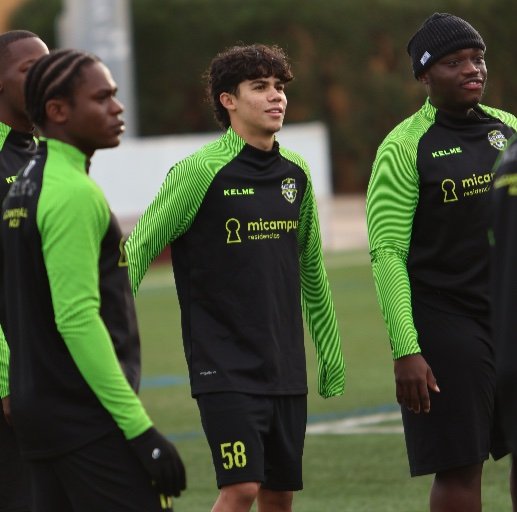
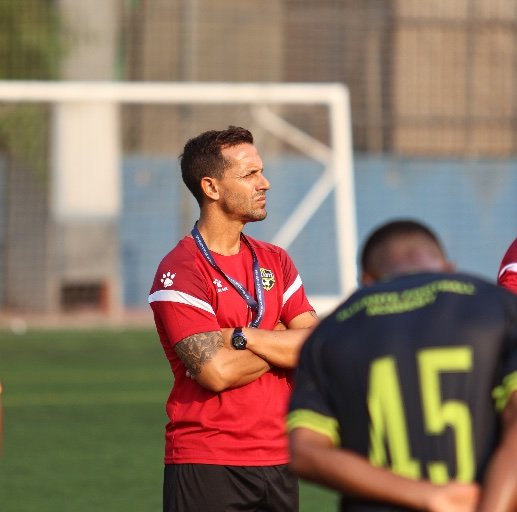
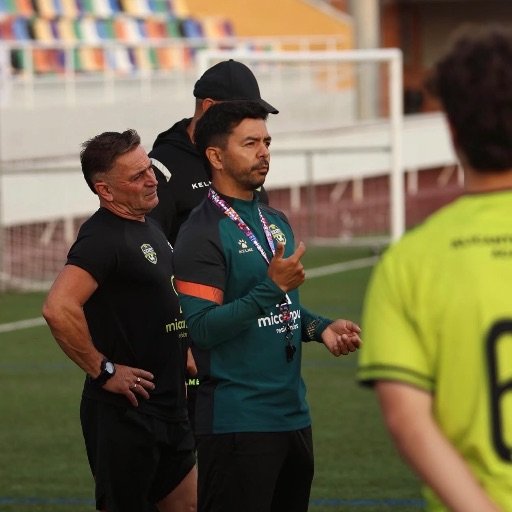
We see scouts at our training sessions and matches in Alicante. They are always watching, not just for goals or tricks, but for small details like positioning, decision making and communication. This is what scouting is all about.
Most scouts follow a step by step guide to get started:
- Begin at grassroots level: Volunteer with local academies, help write match reports and learn to notice football intelligence, not just athletic ability.
- Build your foundation with formal learning: Take courses like the PFSA Level 1 in Talent Identification to learn how to observe and evaluate players.
- Practice writing clear and structured reports: Watch real matches and write scouting reports that focus on technical, tactical, physical and mental qualities.
- Build a portfolio: Get five to ten strong reports that show your attention to detail and your ability to describe players fairly.
- Keep networking: Contact coaches and club recruiters, attend webinars and join online groups. Most scouting jobs come through referrals.
- Apply for roles with clubs or agencies: Entry level jobs often begin with part time or freelance match watching before you move into regional or national roles.
From what we see when scouts visit our academy, the most successful ones are curious, consistent and humble. They keep learning and improving with methods even after earning their first certificate.
How To Become A College Football Scout?
College football scouts mainly recruit players and make sure everyone follows the rules, instead of focusing on long term player development. They travel a lot, stick to the evaluation schedules and must understand all academic requirements.
Club scouts usually report to sporting directors. College scouts, on the other hand, work closely with coaches and admissions staff. They consider a player’s performance, academic readiness and personal discipline.
The recruiting calendar often lines up with competition seasons. The busiest periods are during national tournaments and scouting events. Scout reports usually include academic notes, test scores, personal interviews and technical observations.
SEE TALENT ID UP CLOSE IN A REAL ENVIRONMENT
If you want to understand how players are evaluated (and how trials actually work), start here. It’s the closest thing to “learning scouting” without guessing.
Explore our trial environment
PFSA Level 1 Course Overview
The PFSA Level 1 in Talent Identification introduces the basics of scouting. If you love football, you can join with no professional experience needed.
The course includes topics like:
- How to watch players and make player profiles.
- Understanding a player’s physical, technical, tactical and mental qualities.
- Learning why ethics and confidentiality matter in scouting.
Once you finish Level 1, you can begin making your own sample reports and volunteering with local academies or clubs.
PFSA Level 2 Advanced Scouting Course
The Level 2 Advanced Course teaches structured observation models and advanced reporting techniques. Scouts will learn to assess match context, tactical fit and a player’s potential to improve.
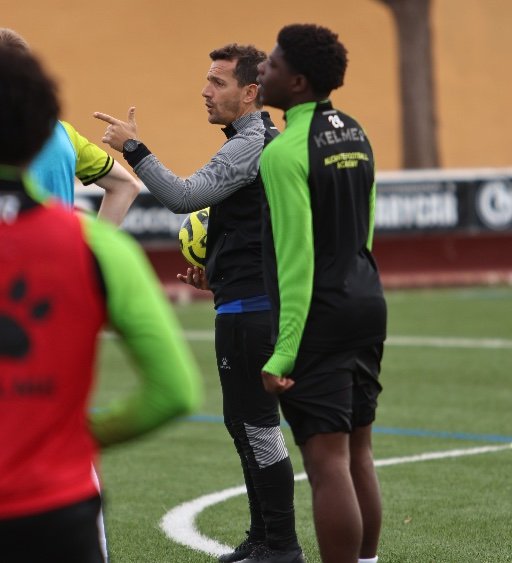
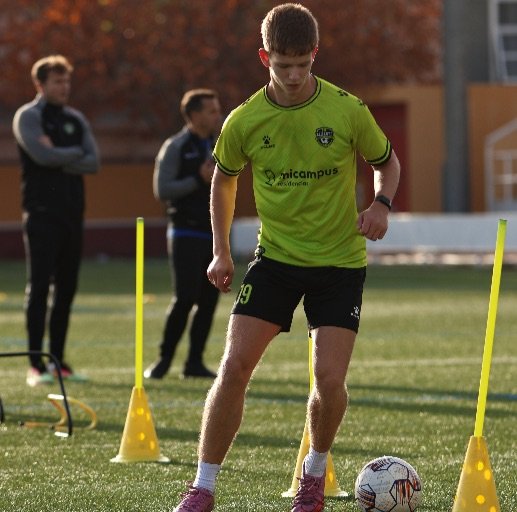
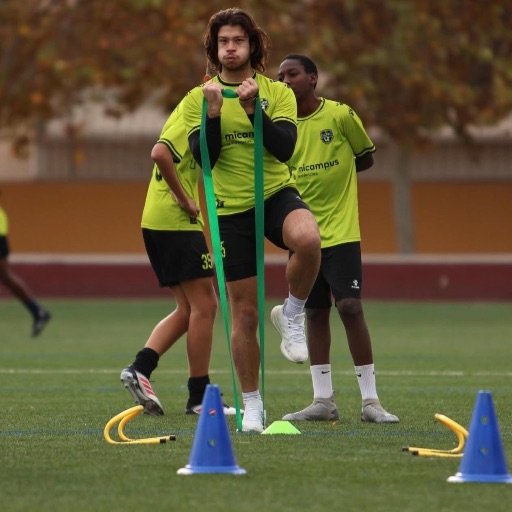
We recommend practicing these skills in different match situations, like youth academy games, semi pro leagues or training where players face pressure.
These experiences help basic observations into professional level analysis. Every club values this skill in new recruits.
How Does Talent Identification In Football Work?
Talent Identification is about looking beyond a player’s current form or performance to predict their future potential. A player who is not fully developed physically yet might already show strong tactical awareness, good decision making or a strong work ethic. These qualities often lead to long term success.
Scouts observe how players develop over time, focusing on their physical growth, technical skills and tactical understanding. That’s why they attend multiple matches and training sessions before making a decision about a player.
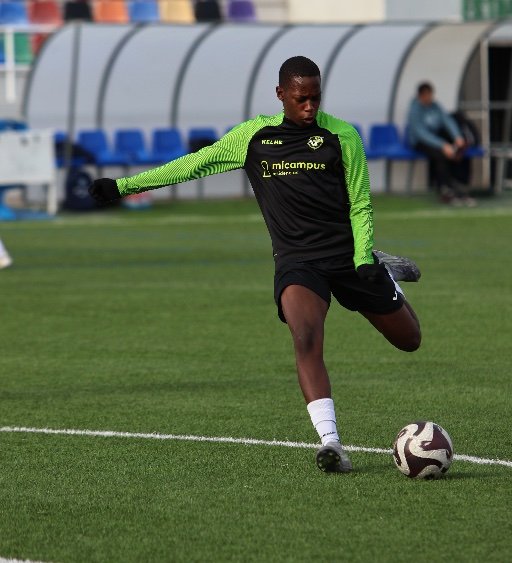
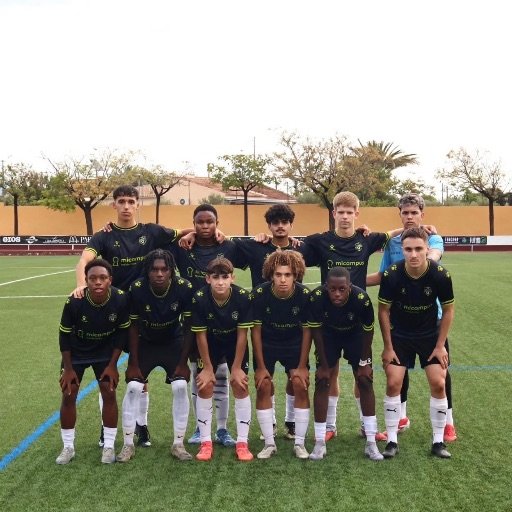
At Alicante Football Academy, we see this process in action every day. Scouts notice small details, such as how a player reacts to mistakes, how they take tactical advice or their energy off the ball. These attributes can reveal as much about a player’s potential as statistics do.
Using Data Analysis
Scouting nowadays relies on both watching games in person and using real data. Tools like Veo Camera and 360Player let scouts record, highlight important moments and track player trends more objectively.
At Alicante Football Academy, we use Veo and 360Player to record all our training sessions and matches. This way, players and scouts can watch clips, review decisions and learn from real performance data.
By using both statistics and watching games, reports become more accurate. This approach also helps scouts develop a better evidence based sense for finding talent.
Build Your Professional Network
Building a strong network is essential for anyone working in scouting, since football is all about connections. Try setting a weekly goal for yourself. Reach out to a new coach , scout or recruiter, attend a webinar or online event and follow up with people you have already met.
Many scouts who have come to our academy have met their employers at youth tournaments, coaching seminars or even casual matches. In football, any conversation can lead to new opportunities.
Use LinkedIn To Create A Professional Profile
LinkedIn is now a top place for football recruiters and analysts to connect.
Here are some tips to help you improve your profile:
- Headline: Keep it clear. For example, you could use “Aspiring Football Scout”
- Featured section: Show examples of your scouting reports, analytics charts or short insights.
- Recommendations: Ask coaches or mentors you’ve worked with to share their feedback.
Share short, professional thoughts on matches or scouting insights regularly. Don’t post confidential information, but stay active so people in the community notice you.
Develop Key Personal Attributes
You can learn technical skills, but it’s your attitude that really makes you stand out as a scout. It’s important to be persistent, pay close attention, stay humble and adapt to new situations.
We’ve seen scouts travel hundreds of kilometers to watch a single youth game in the rain and still take detailed notes even when it’s tough. These habits build credibility and consistency, which clubs always value.
Be Persistent And Self-Motivated
Getting started in professional scouting can take a while. At first, you might not hear back after applying. Keep track of what you achieve, celebrate small successes and keep working on your skills.
Set goals like:
- Write a detailed report each week.
- Go to a match every weekend.
- Update your portfolio monthly.
Taking small, steady steps helps you build a reputation and can open doors to bigger opportunities.
How Much Do Football Scouts Get Paid?
Scouting salaries vary depending on your workplace, experience, job type, country and league tier.
- Grassroots and part time scouts are usually paid per game, with stipends ranging from 25 pounds to 70 pounds.
- Academy or regional scouts typically earn 850 pounds to 1700 pounds per month.
- Scouts at professional clubs or in top leagues usually make 21 000 pounds to 43 000 pounds a year, with experienced scouts earning even higher salaries.
- Heads of recruitments or lead scouts at elite clubs can earn more than 63 000 pounds a year.
| Grassroots / Local Scout | £25–£70 per game | Part-time, freelance | Paid per match |
| Academy / Regional Scout | £850–£1,700 per month | Fixed salary | Covers youth leagues |
| Professional Club Scout | £21,000–£43,000 per year | Full-time | Travel and match coverage |
| Head of Recruitment / Lead Scout | £68,000+ per year | Senior management | Strategic recruitment planning |
Pay can also depend on travel, the number of matches covered and how big the scouting department is. Freelance scouts work for several clubs at the same time.
WANT AN HONEST EVALUATION OF YOUR OWN LEVEL?
Many people research scouting because they’re trying to get noticed themselves. An evaluation and plan will give you clearer next steps than forums ever will.
Request an evaluation
How Scouts Diversify Their Income
Many football scouts look for ways to earn money to gain more stability and become better known in the industry. Besides their main scouting jobs, they often do freelance match analysis or consulting, help train new scouts, write paid reports or articles in websites and lead training sessions on video analysis tools. By doing extra jobs, they not only balance their finances but also grow their network and reputation in the football world.
What Qualifications Do You Need For A Football Scout?
No single certificate guarantees a job in scouting, but having the right qualifications shows professionalism and knowledge. Clubs usually look for PFSA or national association Talent ID certifications, coaching badges (often up to UEFA B) to show understanding of tactics and university degrees in sports science, coaching or performance analysis. They also value proven experience, such as match reports and player evaluations.
At Alicante Football Academy, many scouts we work with have different backgrounds. They might be former coaches, players or analysts who combine their on field experience with formal education to build strong well rounded scouting careers.
What Qualifications Are Needed To Join The UEFA Elite Scout Programme?
The UEFA Elite Scout Programme is a top level certification meant for scouts who already have experience working with clubs or national teams.
To apply, you usually need to meet these requirements:
- A certain number of years as a professional scout.
- Completion of national scouting courses at the intermediate level.
- A solid portfolio of scouting reports and references from clubs.
The programme offers valuable benefits, such as mentorship, networking opportunities across Europe and the qualification is officially accredited through the UEFA Academy, providing European recognition.
Scouting in football can be very challenging. It requires patience, close attention, empathy and the ability to notice potential that others might overlook.
At Alicante Football Academy, we work daily with scouts from professional squads who are always searching for the next great player. Seeing their process up close has taught us how much focus and dedication good scouting takes.
If you want to become a scout or simply understand how scouts think to help your own football career, the basics are the same. Keep learning, pay close attention to the game and stay involved.