Key Takeaways
- In standard outdoor soccer, each team can have up to 11 players on the field, including the goalkeeper.
- Normally, during a game there are 22 players on the field, 11 on each team.
- Team size and roster size differ. In professional leagues, teams typically have a 25-player roster limit, but this number can vary depending on the competition's rules.
- A football match cannot start or continue if one team has fewer than 7 players.
- Youth matches, futsal, and reduced-size game formats use fewer players to promote their development, allow for greater contact with the ball, and make the game more intense.
- Substitution rules vary depending on the competition, but many leagues allow teams to use up to 5 substitutes.
- These are some important terms that we use in academia.
- Knowing these terms will facilitate understanding.
- Starting XI: the 11 players who start the match on the field in an 11 vs 11 game.
- Bench / substitutes: The players listed will come in later.
- Matchday squad: all players available for a match, including both starters and substitutes.
- Squad / team: the full group registered/training during the season.
Table of Contents
How Many Players On A Soccer Team?
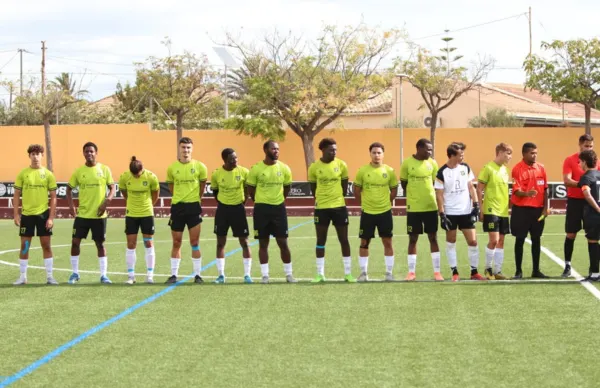
In 11-a-side football, each team has up to 11 players on the field at once, including one goalkeeper. This is the usual rule in professional football and most adult leagues.
The word “team” can be confusing because people use it in more than one way:
- It might mean the 11 players who are on the field right now, or
- It can refer to the whole squad or roster that trains and plays together during the season.
So, even though only 11 players are on the field, the full roster is bigger. In competitive football, players compete for a starting spot and playing time because injuries, player performance, and match schedules can affect who plays.
In addition to the 11 starters, teams have substitutes on the bench. We’ll explain how substitutions work soon.
Official rule (Law 3): https://www.theifab.com/laws/latest/the-players/
The same rule applies to other versions of the game:
- 7v7 = 7 on the pitch
- 9v9 = 9 on the pitch
- Futsal = 5 on the pitch
How Many People Are On A Soccer Field At Once During A Game?
In a standard soccer game with 11 players on each team, there can be as many as 22 players on the field at once.
This means each team has 11 players on the field.
Each team’s lineup includes:
- 1 goalkeeper
- 10 outfield players
The number of players can go down if someone is sent off with a red card or if a team does not have enough players to continue.
People often ask about the officials. There is usually a team of referees on the field, but they are not counted as players for either team.
WANT MORE FOOTBALL GUIDES LIKE THIS?
Small details matter when you’re building your pathway. Browse our guides on trials, scouting, and training so you can move with clarity.
How Many Players Are On A Professional Soccer Team Roster?
Professional teams keep more than 11 players to make sure they have enough options. Throughout the season, the lineup changes often based on players’ fitness, form, and the schedule.
Clubs get ready for a few key situations:
- Injuries and suspensions
- Rotating players to keep performance high
- Using different tactics for different opponents
- Playing in several competitions, like the league, cup, or European tournaments
There isn’t one set roster size for all teams. It depends on the league and competition rules. For example, the Premier League has a 25-player limit for senior players, while Under-21 players are counted differently (see the official Premier League squad list rules). In the UEFA Champions League, List A is also limited to 25, with extra requirements for locally trained players (see UEFA Champions League player list regulations).
A lot of people aren’t sure about the difference between the season roster, the matchday squad, and the on-pitch team. The season roster is the full group of players for the whole season. The matchday squad is the group available for a specific game, and the on-pitch team is the players actually playing at any moment. In academy football, we explain this early so players focus on earning playing time within the squad, not just aiming to be one of the 11 starters.
How Many Starting Players Begin A Soccer Game?
In 11v11 soccer, each team begins the game with 11 players. This group is known as the starting lineup or starting XI. The rules allow only 11 players from each team on the field at once. The starting XI includes all positions, with one goalkeeper and ten outfield players spread across defense, midfield, and attack.
The other players are either substitutes listed on the bench or part of the larger roster but not picked for the matchday squad. In professional games, a “starting XI” graphic is often shown before kick-off to display the players who will start the match.
READY FOR A PROFESSIONAL TRAINING ENVIRONMENT?
If you’re serious about improving, you need more than random games. We train you daily, put you into competitive matches, and give honest feedback on your level.
Apply to join
How Many Positions Are There On A Soccer Team?
There are 11 players on the field. In an 11v11 game, you have one goalkeeper and ten outfield players. The names of the positions describe what each player does.
Teams are usually set up in four main lines:
- Goalkeeper
- Defenders
- Midfielders
- Forwards
Within these lines, you’ll often hear about roles such as:
- Centre-back, full-back / wing-back
- Defensive midfielder, central midfielder, attacking midfielder
- Winger / wide forward, striker
- Formations simply change how many players are in each line, like 4-3-3 or 4-4-2, but there are always 11 players on the field.
Why is this important, especially if you want to try out for a team? Many players think a position is just a label, but coaches see it differently:
- Where you receive the ball
- What spaces you attack and defend
- What decisions you make under pressure
- How you react when your team loses the ball
At Alicante Football Academy, players improve quickly by learning how their roles change in different systems. If you want to understand the game this way, you’re welcome to join us. We’ll guide you through positional play in real training, matches, and trial settings.
How Many Players Are Needed To Legally Play A Soccer Match?
This rule matters because it addresses a common “what if” scenario:
- If a player receives a red card, the team can continue playing with ten players against eleven.
- If there are injuries and no substitutes available, your team might have to play with nine against eleven.
- However, if your team falls below seven players, the match must stop according to the 11-a-side rules.
Small-sided football and futsal have different minimum player requirements, so it’s best to check your competition’s rules.

How Many Men Are On A Soccer Team In Official Matches?
In official 11v11 matches, men’s football follows the same player count rules as women’s football. Each team can have up to 11 players on the field, including a goalkeeper. Although people often use gendered terms when searching, the rule is the same for men’s, women’s, or youth football, whether it is professional or amateur.
How Many Players Are Used In Different Soccer Formats And Age Groups?
Not all matches use 11 players per team. Small-sided and youth formats help players get more touches, make faster decisions, and learn more clearly, especially while they are still growing. These formats follow specific rules designed for each age group and learning goal.
Major organizations set up games in different sizes. For example, U.S. Soccer uses small-sided models like 4v4 without a goalkeeper (see the small-sided development model guidance). In England, The FA offers youth competitions in formats such as 5v5, 7v7, 9v9, and 11v11 (see the FA youth formats and standard code of rules). Futsal is different: The FA futsal Laws allow up to 5 players per team, with at least 3 needed to play (see Futsal Law 3: number of players). FIFA also provides updates on futsal laws (see FIFA’s overview of futsal law updates).
We often use 7v7 and 9v9 in training because it is easier to teach spacing, scanning, and pressing. Players can then use these skills in 11v11 games. Formats and age groups may vary by country and competition, so check your organizer’s rules before the season starts.
| Format | Players per team on the pitch | Goalkeeper? | Minimum players (if defined) |
|---|---|---|---|
| 11v11 (outdoor) | 11 | Yes | 7 |
| 9v9 | 9 | Usually yes | Competition rules vary |
| 7v7 | 7 | Usually yes | Competition rules vary |
| 5v5 | 5 | Sometimes | Competition rules vary |
| 4v4 (some youth models) | 4 | No | Competition rules vary |
| Futsal | 5 | Yes | 3 |
CHECK PROGRAMME OPTIONS AND PRICING
The right option depends on your timeline. Compare what’s included in our 1, 4, 6, and 10 month programmes before you decide.
View pricing
How Do Substitutes And Bench Players Affect Team Size?
Substitutes do not add extra players to the field. Instead, they replace players who are already playing, whether for tactical reasons, tiredness, injuries, or to manage the game. The main change is how many different players you can use in a match.
This is the main difference to remember:
- The number of players on the field depends on the game format, like 11v11 or futsal.
- How many players you can use in a game depends on the substitution rules, or how many changes you are allowed to make.
- Competition rules decide how many players you can name for a match, which sets your bench or matchday squad size.
Substitution limits and bench sizes can vary depending on the competition, like league or cup games, or whether it’s a pro or youth level. Always check the specific rules for your tournament or league.
How Many Substitutes Are Allowed In A Soccer Match?
In official competitions, FIFA, confederations, or national associations set the number of substitutes based on the Laws of the Game. Many competitions now allow up to five substitutes, though three was the standard for many years. Some competitions still use different limits.
- If teams are allowed five substitutes, they usually have three chances to make changes during the match, plus the option to do so at half-time.
- Competitions also need to say how many substitutes each team can list, which is often between 3 and 15.
- Return substitutions, also called re-entry, are only allowed in some categories like youth or grassroots matches if the rules allow it.
For players, this rule can change how you approach a match. With only three substitutes, coaches tend to be more careful. With five, they can change the game’s flow and protect players more easily. In some youth or grassroots games, re-entry is allowed, which changes how teams manage intensity and risk.