Key Takeaways
- Being a professional involves different levels. While few reach the top leagues, even the lower professional levels demand a lot from the players.
- Training harder isn't enough. You need to play real matches, be consistent, and demonstrate your progress.
- The talent scouting process is slow. Clubs look for players they can rely on, not just someone who performs well once.
- Many players drop out of competition due to injuries, exhaustion, financial problems, or lack of planning.
- You can't control luck, but you can control how well you prepare and how often you expose yourself.
Table of Contents
How Hard Is It To Go Pro In Football?
Breaking into professional football is extremely difficult. Millions of people play worldwide, but only a few reach the top. Pro teams have limited spots, and most are already filled by contracted players. Each season, only a handful of openings are available, and you’re competing with players from all over for those spots.
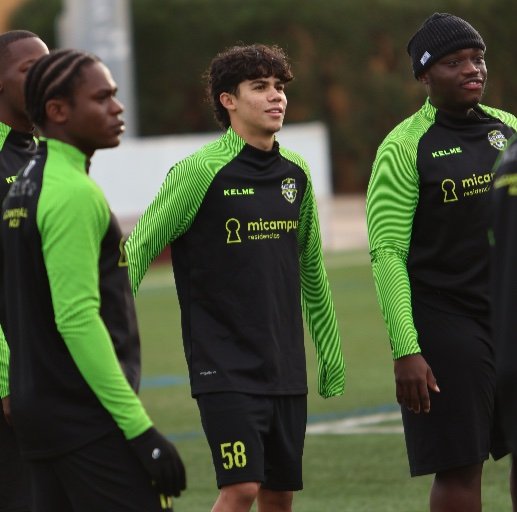
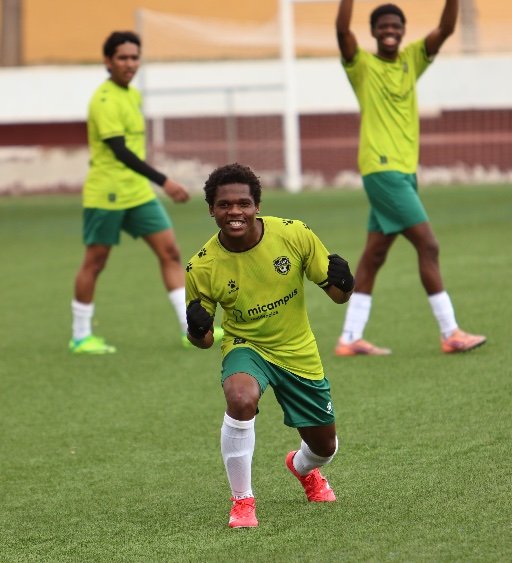
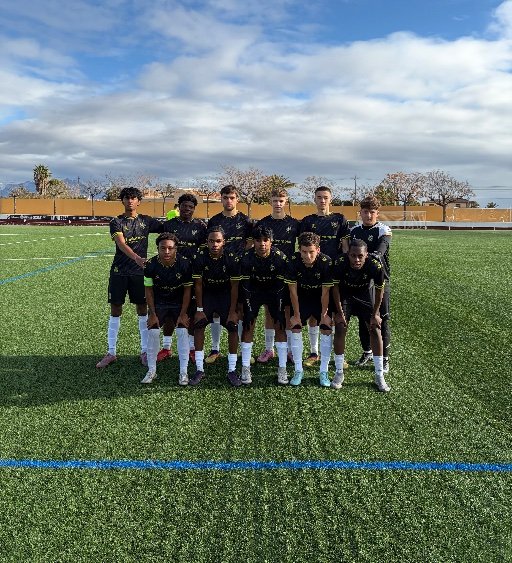
Our academy brings together players from many countries and backgrounds. Many were the best in their hometowns. Here, though, everyone was the best somewhere else, which makes football even more challenging.
If you want to go pro, it’s not enough to just be “good.” You need to be:
- Effective in matches, not just during practice
- Consistent every week
- Physically ready to compete at the adult level
- Professional in your actions and lifestyle
You can still chase your dream, and we’re here to help. But you need to approach it with a realistic attitude, clear goals, and openness to honest feedback. If you don’t meet these standards, a club will choose someone else. It’s not personal; it’s just business.
How Hard Is It To Go Pro In Soccer Specifically?
Every country has its own system, and the lower leagues in those systems affect how many chances players really have.
In most European countries, football uses a club pyramid with promotion and relegation. Academies start training kids early, and players are always judged on their performance. Each year, teams get smaller as clubs focus on winning and selling players. If you are not making an impact, someone else is ready to take your place.
In our experience working with international players, in the US and Canada, the soccer system works differently. There are more school and college options, as well as showcases and a bigger semi-pro scene that gives players extra chances. The downside is that the path is less straightforward, and getting noticed often depends on being in the right competitions and knowing the right people.
No matter the system, the main point stays the same: you need to be in an environment with strong weekly matches, clear steps forward, and real visibility. Opportunity comes with the level of competition.
READY FOR A PROFESSIONAL FOOTBALL ENVIRONMENT?
If you want to test yourself in a real football environment, you need structure, matches, and honest feedback. Apply to train with us in Spain and we’ll guide you through the next steps.
Apply to join
How Rare Is It To Go Pro In Football?
FIFA reported 128,694 professional male footballers across 3,986 clubs in 135 countries.
FIFA’s Big Count survey (2006) estimated that there were around 265 million footballers worldwide.
Even if these numbers are not perfect, they show one thing: millions play football, but only a few get paid. What people expect and what really happens are often not the same.
Instead of asking, “What are the odds?” ask yourself, “What can I do to improve my chances compared to most players?”
Most players do not follow a training plan, avoid difficult match situations, and have nothing to show, such as a video or CV, when an opportunity comes up.
What Does It Take To Go Pro In Soccer?
Becoming a professional footballer is a way of life, so putting in only casual effort will not get you there.
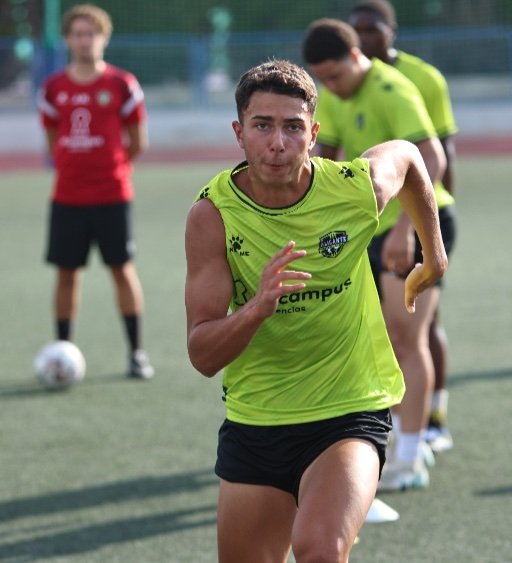
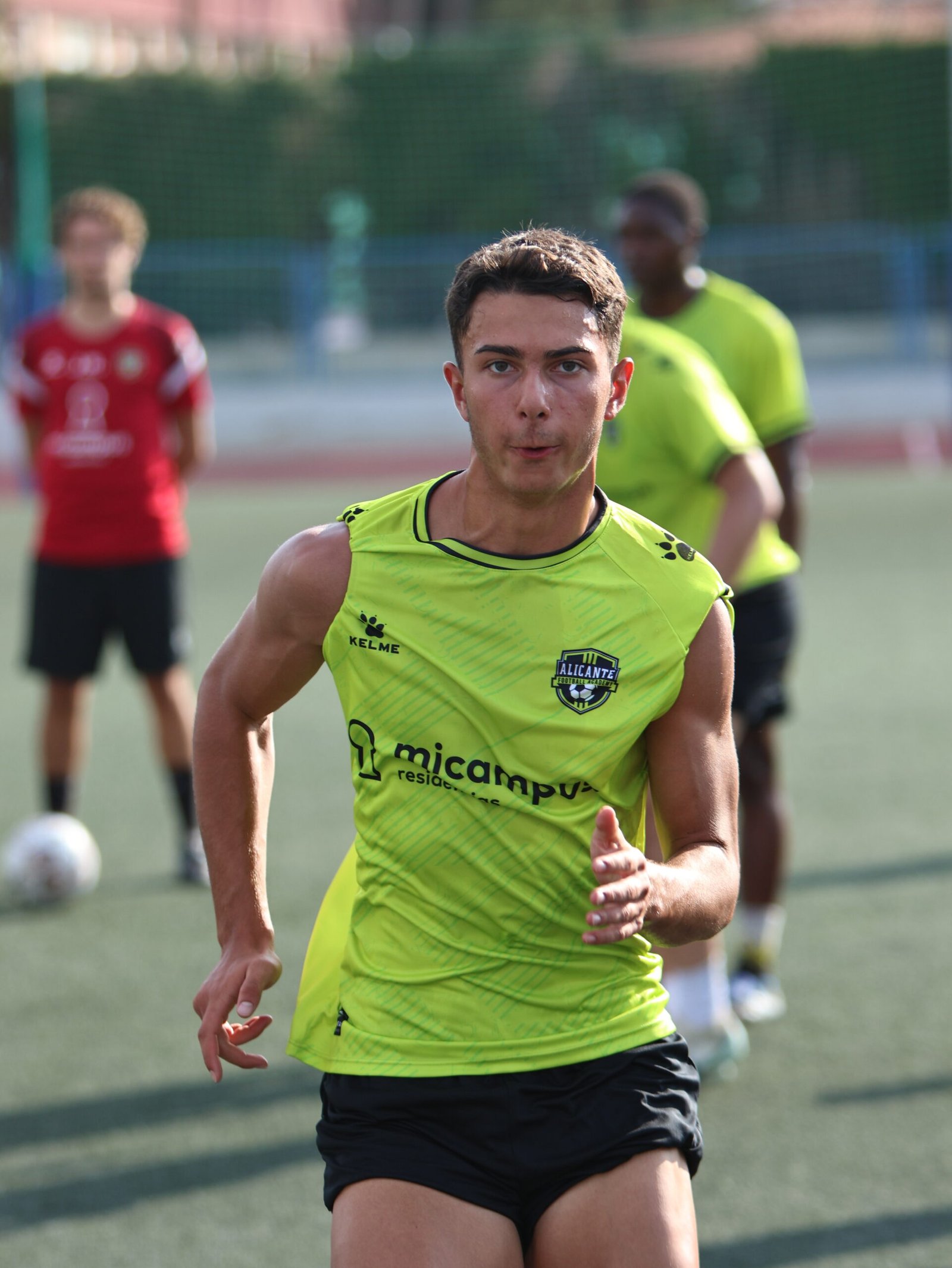
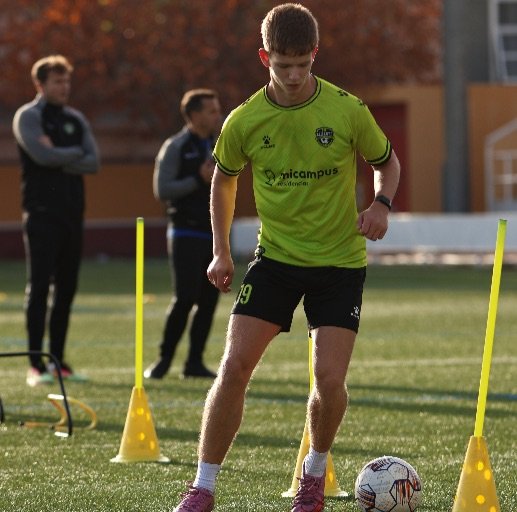
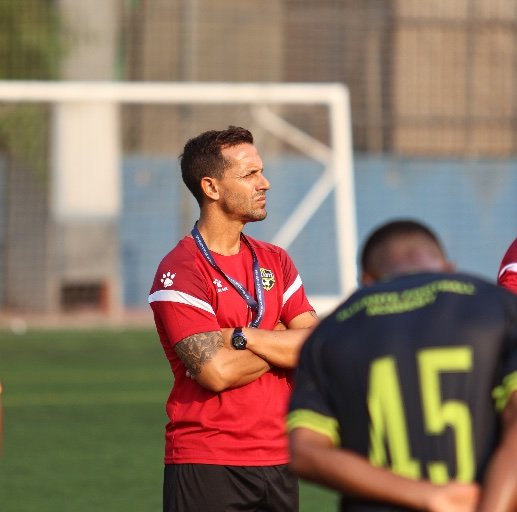
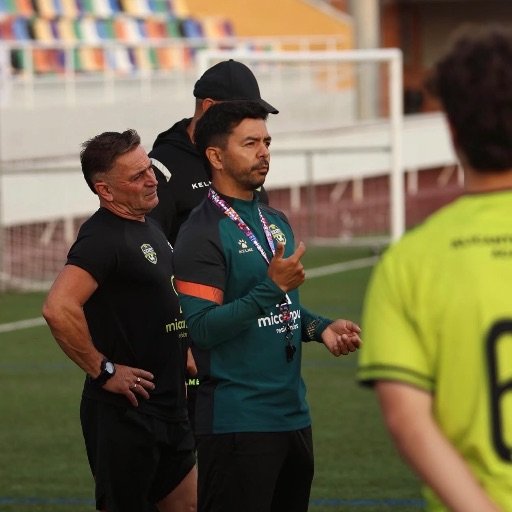
At Alicante Football Academy, our UEFA-PRO licensed coaches follow each player’s progress through match analysis and physical tests. Training hard once in a while is not the same as showing up every week. As our Sporting Director Alberto Rubio says, “We’re not judging you on day one, we’re judging how much you grow by day thirty.”
The level of coaching matters as well. If you want to learn what UEFA coaching licences (C, B, A, Pro) mean, you can find an explanation from UEFA here: UEFA coaching licences.
Players who make the quickest progress usually share these qualities:
- Coachability: they take feedback well and do not let their ego get in the way.
- Good habits: they pay attention to sleep, nutrition, and recovery.
- Match focus: they stay focused even when the game is challenging.
That’s what sets them apart. Casual players train only when it’s easy, but professionals build routines they follow consistently.
WHAT A SERIOUS TRIAL ACTUALLY LOOKS LIKE
A proper trial is judged in training and matches, not one good 10-minute moment. Learn how trials in Spain usually work and what to prepare before you arrive.
Read the trials guide
How Long Does It Take To Go Pro In Football?
For most players, it takes years, not months. What looks like “overnight success” usually comes after a long period of hard work that people don’t notice.
Here’s a simple timeline:
- Ages 8 to 12: learning the basics and developing a love for the game
- Ages 13 to 16: building intensity, speed, and learning tactics
- Ages 16 to 18: attending trials, joining high-level leagues, and gaining exposure
- Ages 18 to 23: playing senior football and signing contracts
Why Most Players Quit Before Reaching The Pro Level
We notice the same reasons coming up again and again:
- Injuries and poor recovery
- Burnout
- Money pressure
- No pathway
- Ego, meaning not being able to handle competition or take feedback
Another big reason, which often surprises people, is the gap between being seen as “talented” at 14 to 16 and actually performing in adult football. The game gets faster, more physical, and more demanding. Only those who can deliver in real matches, week after week, make it through.
Motivation alone isn’t enough. What really makes a difference is having structure.
What Are The Main Pathways To Becoming A Professional Footballer?
There’s no sure way to get a contract, but picking the right path can save you a lot of time.
| Pathway | Best for | The benefit | The risk |
|---|---|---|---|
| Club academy route | Younger players already in strong clubs | Direct scouting and structure | Released quickly, needs backup plan |
| Residency academy / private programme | Players who need a stronger environment | Pro-style training + matches + exposure | Must choose a serious programme |
| University / college | Players who want education + football | Balance and future security | Pro transition still needs performance |
| Semi-pro route | Late developers and strong athletes | Adult football experience | Can get stuck at one level |
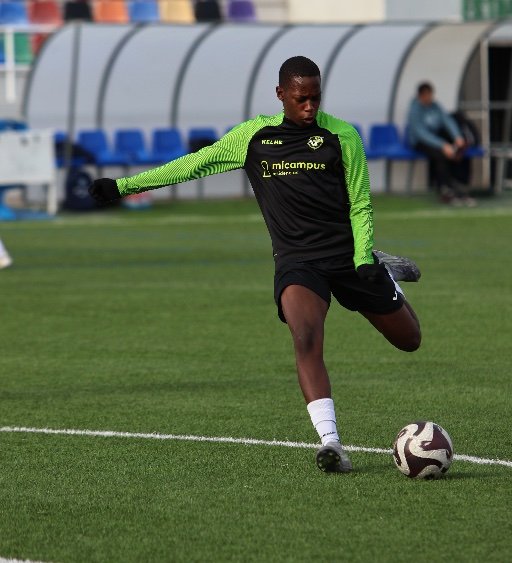
Our academy helps players grow by providing a professional setting. We give structured training, organize competitive matches, and offer honest feedback. We also prepare players for trials and show them how to present themselves in a professional way.
Best Age To Get Scouted For Football
There’s no single perfect age, but there are some typical timeframes to consider.
- Under 12: This is a great time to build coordination and learn new skills quickly.
- Ages 13 to 16: These years are often the most important for selection and filtering.
- Ages 17 to 19: Players are usually getting ready for adult football.
- Age 20 and up: It’s still possible, usually by performing well in senior football.
The right timing depends on your country and its system. In many European clubs, being selected for an academy between 13 and 16 is especially important. In college-based systems, like in parts of the US and Canada, players can still get noticed later, between 18 and 22. In countries with strong senior leagues, players who develop later can still be picked up if they perform well in adult matches.
Some people say, “if you’re not scouted by 14, it’s over.” That’s a myth. The truth is, as you get older, there’s less time for slow development, so it’s important to have a clear plan and play in competitive matches.
Keep in mind that contracts and transfers follow specific rules. For the official details, check the FIFA Regulations on the Status and Transfer of Players.
What Percentage Of Youth Footballers Ever Turn Professional?
There isn’t one global percentage, because each country and club has its own system. Still, research shows that very few make it through, and most players drop out at certain ages.
One 12-year study followed 537 academy players and found that only 53, or 10%, earned a senior professional contract at that club (Progression from youth to professional soccer, PubMed).
The process works like a funnel:
It begins with academy intake at ages U12 to U14, then moves to the main filtering years at U15 to U16. After that comes the transition phase at U17 to U19, then senior minutes, and finally a pro contract.
At each stage, fewer players move forward. Most drop out when the game becomes faster, more physical, and roles on the field get more specialized. It’s not because they suddenly lost their talent.
The process works like a funnel:
It begins with academy intake at ages U12 to U14, then moves to the main filtering years at U15 to U16. After that comes the transition phase at U17 to U19, then senior minutes, and finally a pro contract.
At each stage, fewer players move forward. Most drop out when the game becomes faster, more physical, and roles on the field get more specialized. It’s not because they suddenly lost their talent.
CHECK PROGRAMME OPTIONS AND PRICING
Different players need different timeframes. Compare short stays, camps and longer programmes, what’s included, and which option fits your current level and goals.
View pricing
Drop-Off Rates From Grassroots To Elite Levels
At each stage, fewer people remain:
- Grassroots participation
- Registered competitive teams
- Elite academies
- Professional contracts
- Long-term professionals
This is why early participation numbers can give the wrong impression. Most grassroots players do not train in top-level environments, do not play elite matches every week, and are not competing for the same few spots. As you move up, the standards rise and the number of players drops quickly.
England is a good example. The Premier League says that many professional contracts in the Premier League and English Football League go to homegrown players. Over 90 clubs run licensed academies through the Elite Player Performance Plan (EPPP). This shows how structured development pathways narrow opportunities to only a few places.
How Much Does Luck Matter In Going Pro In Soccer?
Luck plays a role. Things like injuries, timing, coaches, and where you are can make a big difference.
Still, you can give yourself more chances by focusing on what you can control. Get more time in real competition, stay fit, and train where people can watch your performance.
How Geography Affects Your Chances Of Going Pro In Football
Geography affects opportunity, not because people in different countries have different talent, but because the number of opportunities is not the same everywhere.
Some regions have fewer competitive leagues, clubs, scouts, and high-level matches where players can show their skills. In countries where football is more popular, there are more clubs, bigger league systems, more games each week, and more fans. This means players have more chances to be noticed and judged during real matches.
This is why many players want to go to Spain. The football culture is strong and there are lots of competitive matches. The downside is that the competition is also harder. Training in a new country helps players become more adaptable, which is an important skill for professionals.
RUN YOUR PLAYER PROFILE THROUGH A SCOUT CHECKLIST
Most players send messy videos and long messages, then wonder why nobody replies. Use our guide to build a simple CV, full-match video and a clean message that coaches can review quickly.
Read the scouting guide
What’s The Hardest Sport To Go Pro In Compared To Soccer?
Football is unique because it is played by millions of people around the world, making the competition truly global. You are competing not just with players from your own area, but with people everywhere for a limited number of contract spots.
Compared to other global sports like basketball, rugby, cricket, or ice hockey, becoming a professional football player is often less straightforward and more competitive. There are many players, early selection in some systems, and new talent joining academies each year. Even with many professional leagues, only a small number of players earn paid squad spots compared to how many people play.
There are chances to succeed in football, but it is especially challenging because the path gets harder quickly. To stay in the running, you need to keep improving and prove your skills in competitive matches at the right level.