Key Takeaways
- You can get scouted in high school, but most recruiting happens through club soccer, showcases and ID camps.
- Scouts evaluate everything: technique, decision making, positioning, game intelligence and physical profile.
- To get noticed you must be proactive: join the strongest club or academy you can, play showcases and ID camps, create a highlight reel.
- Club soccer is the main pathway.
- Long term success needs a realistic pathway (D1-D3, NAIA, JUCO, academy), good grades and professional habits, not just talent.
Table of Contents
Can You Get Scouted In High School Soccer?
Yes it’s possible but you usually need to find ways to get more exposure.
According to NCAA participation research from NCSA, the majority of college soccer players played both high school and club soccer.
Here’s why this is important:
- At club showcases, college coaches can watch hundreds of players in just one weekend.
- Top club tournaments usually have a higher level of play than most high school leagues.
So where does high school fit in?
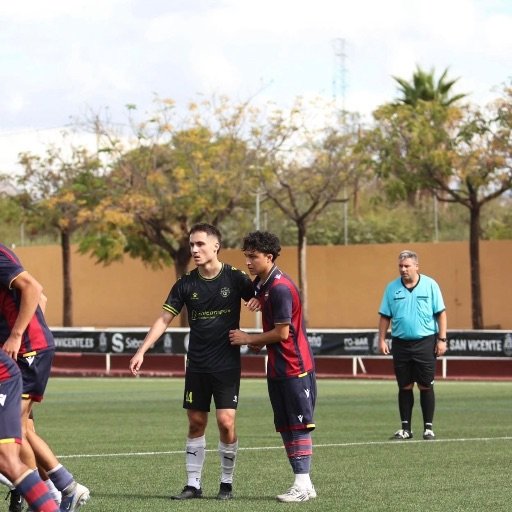
- It’s often the first environment where you play in front of big crowds and under pressure.
- Coaches and scouts can see leadership, competitiveness and resilience more clearly.
- In some regions, a few high profile high school programs do get regular visits from college coaches.
The real path from high school to getting noticed is not like a scout just showing up at a random game. It starts with playing well for your high school team, gathering good game footage and putting together a strong highlight reel. Coaches often watch you at club events. ID camps or showcases to see how you stack up against other players. High school can help you get noticed, but you still need to make sure coaches see you play in person.
What Do Scouts Look For In High School Soccer Players?
When scouts and coaches watch you play, they pay attention to more than just goals. They ask themselves, “Can this player make a difference at the next level?”
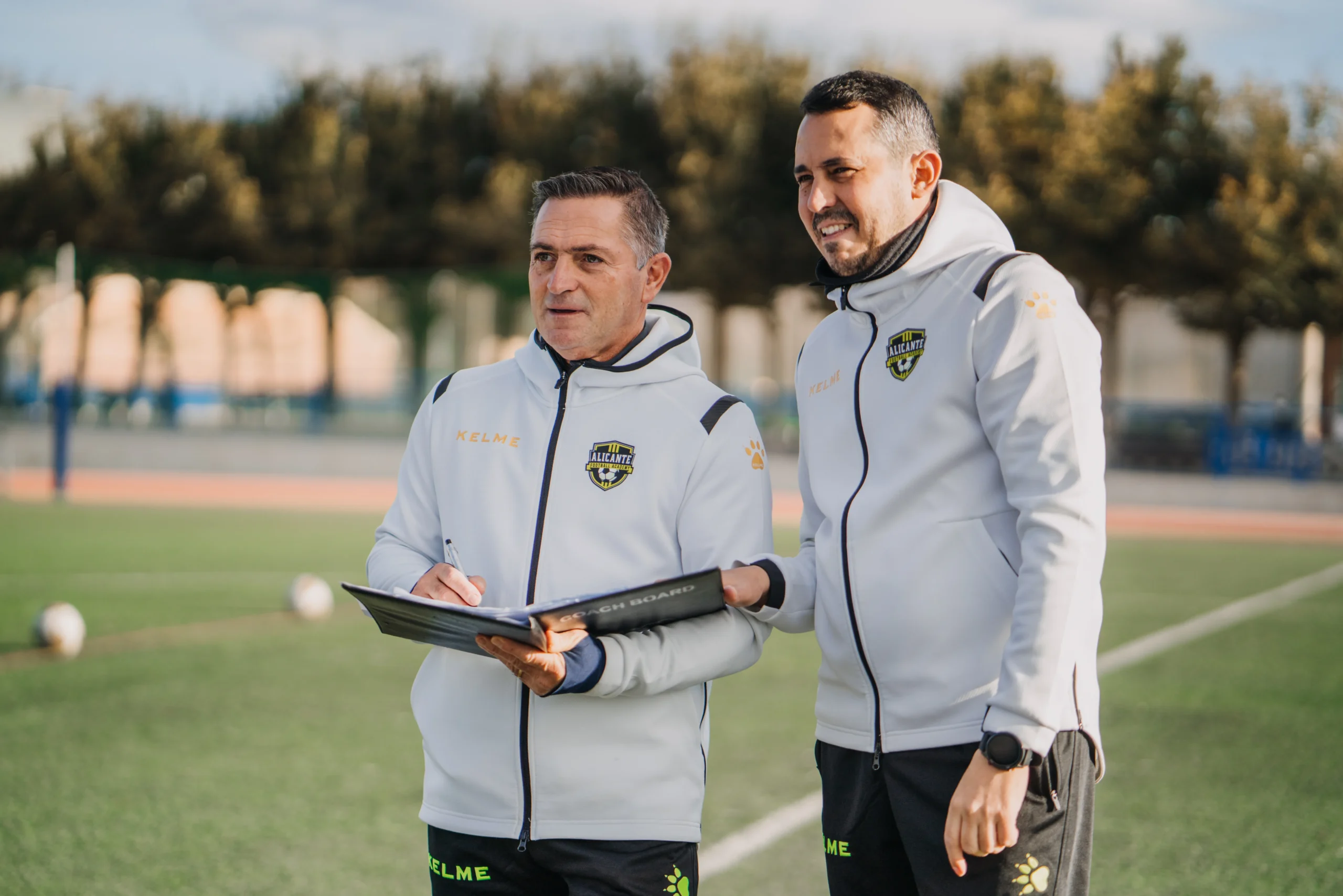
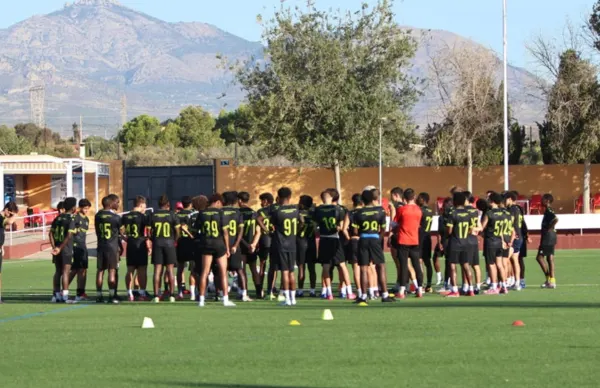
At Alicante Football Academy and based on what top scouts say, there are five main things scouts look for:
- Technique: first touch, passing, controlling the ball under pressure, finishing and defending one on one.
- Decision speed: how fast you see your options and make the right choice.
- Positioning and game intelligence: reading the game, predicting where the ball will go, timing your runs, staying organized in defense and understanding your role on the team.
- Physical profile: speed, quickness, endurance, strength and being able to work hard again and again during a match.
- Mentality and character: how hard you work, your willingness to learn, how you recover from mistakes and how you treat your teammates and referees.
Top scouts care more about how you play throughout the whole game and over several matches rather than just a few isolated highlights.
TURN EXPOSURE INTO REAL TRIAL OPPORTUNITIES
High school football can help, but most pathways still rely on strong match environments and clear evaluation. See how our Spain programme is built around development and trials when you’re ready.
Explore football trials in Spain
How To Get Scouted In High School?
Instead of hoping that someone magically shows up and signs you, focus on doing as much as possible from your side and giving your absolute best every week. Set goals for your season and focus on making a real impact for your team. Aim to be one of the fittest players so you can perform until the end of every game. Ask your coaches how you can help the team win. Keep track of your key contributions, such as important passes, ball recoveries, pressing and your overall influence on the game, not just goals and assists.
Put yourself in the best environment possible. If you want to play in college or go pro, try to join the strongest club or academy you can and compete in regional or national tournaments where coaches and scouts are likely to watch.
During the season create a highlight reel and save a few full game videos. Make sure your games are filmed from a wide angle so coaches can see how you move and make decisions.
Getting personal feedback on your video and résumé is important. Many players miss out not because they lack talent but because their highlights don’t clearly show their skills. At Alicante Football Academy, we offer short recruiting videos and résumé reviews. Our staff looks at your footage, points out what stands out and what could be better, suggests edits or clips to add and helps you present yourself as a serious prospect. Even one round of professional feedback can make your next email to a coach much more effective.
How To Get Recruited For College Soccer?
Getting recruited to play college soccer is tough. Official NCAA estimates show that only a small percentage of high school athletes ever compete in college sports. But that doesn’t mean it’s impossible. You just need a clear plan.
Step 1, Figure out where you realistically fit:
- Division I: You’ll need a top athletic profile, a strong club background and to stand out at national showcases and high level ID camps.
- Division II or strong NAIA: These are still high level, but there’s more variation in size, speed and skill.
- Division III, other NAIA or JUCO: These programs focus more on academics or player development.
Step 2, Make a smart list of colleges:
- Reach schools: These are your dream programs that might be a bit of a stretch.
- Target schools: These are programs where your current level is a realistic match.
- Safety options: These are schools where you’re confident you could play and get accepted.
Step 3, Learn the rules and timeline:
NCAA contact rules can change, so always check the latest info on the official NCAA website.
- Direct recruiting contact usually picks up during your sophomore or junior year, depending on the division.
- Unofficial contracts, like camps, questionnaires or general info, can happen earlier.
Step 4, Get noticed and communicate clearly:
Coaches won’t just find you on their own. They look for clear signals, like:
- A strong highlight video and a complete player profile.
- Emails that include key details: your position, graduation year, GPA, test scores, club or high school, schedule and a link to your video.
Do You Have To Play Club Sports To Get Recruited In High School?
You don’t have to play club soccer but for most players, it’s almost essential. College coaches usually recruit at club tournaments and showcases instead of regular high school games and top programs want to see that you’ve faced strong club competition. Still we’ve helped players who couldn’t join a club team but found opportunities by attending college ID camps and regional development programs, working hard on their fitness and skills, making strong highlight videos and asking their high school coaches to recommend them. If you can’t play club soccer, you’ll need to focus even more on your training, videos, attending the right events and getting honest recommendations from your coaches to stay competitive.
APPLY FOR OUR PROGRAMME
If you’re considering a gap year or a development season in Europe, start with the application. We’ll review your profile and explain which option makes sense for your position and level.
Apply to the academy
What Are The Benefits Of Playing High School Soccer?
While club soccer is usually the primary path of recruiting, high school soccer offers benefits that club teams might not.
- You get to play under real pressure, like in rivalry games, in front of crowds and with school pride on the line.
- Leadership experience, captaining your school, helping young players, dealing with local media or making announcements.
- You also get to practice time management by balancing training, homework and your social life, which is similar to what you’ll face in college.
How Can My Son In Highschool Get Scouted For Soccer?
As a parent, you can’t score goals for your child but you can make their journey smoother. Your role is to create the right environment, while your child puts in the effort.
Begin with an honest talk about your child’s goals. Do they want to play college soccer, go pro or maybe spend a gap year in Europe to develop further? Help them look into realistic programs instead of just aiming for the top five schools and support them by joining a competitive club or academy if you can. Many young players also need help with practical tasks like travel, registrations, video recording, paperwork and meeting deadlines. Your support in these areas really matters. Keeping an eye on stress and burnout also matters; FIFPRO’s mental health research shows that a large share of professional players experience symptoms of anxiety or depression during their careers.
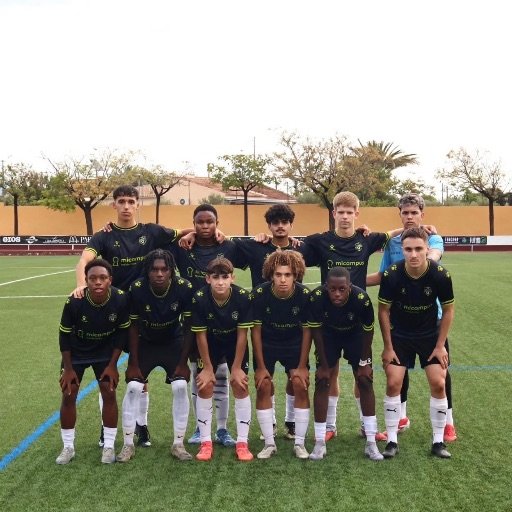
If your child is thinking about a gap year in Europe, Alicante Football Academy has a structured program that has helped many families. We have supported players who spent a year in Spain, training daily, playing matches against Spanish clubs and choosing academic, language or coaching classes. These players became more confident, developed physically and gained real experience in European football. They got trials and some even signed contracts with local teams. We know this path works because we have seen the results ourselves.
At our academy, the players who improve the most, often have parents who are involved but not controlling. These parents ask questions, stay informed and support their child but they also understand how important it is to let their child take charge of their own development and soccer career.
How Do I Get My Child Scouted At 7, 8, 9 And 10 Years Old In Soccer?
At that age, the main goal shouldn’t be to get noticed by scouts. It’s more important to help players enjoy the game and keep improving as they grow. This matches FIFA’s talent development approach, which focuses on long term pathways and equal opportunities rather than early selection.
Here are a few things to keep in mind:
- Encourage fun and creativity by letting players have lots of time with the ball, play small sided games and enjoy free play.
- Focus on the basics, such as balance, coordination, ball control and learning to use both feet.
- Build a positive environment with patient coaches, supportive teammates and less pressure to win.
For kids ages 7 to 10, early scouting usually means being invited to better training sessions, not signing pro contracts. What matters most is helping them love the game.
How Do I Get Scouted At 16, 17, 18, 19, 20 And 21 Years Old In Soccer?
When you turn 16, scouts begin to ask if you’re ready to play with adults. If you look at Transfermarket data on Premier League squad ages, most first team players are already in their early to mid 20s, which shows how many years of work go in before that.
This is where places like Alicante Football Academy can really help. Training and playing in Spain puts you in a fast paced, tactical and challenging football setting and gives you clear ways to join a local club.
At this stage, focus on making an impact in full 11v11 matches, find the position and role that suit you best instead of trying to play everywhere and work on building a strong highlight reel and CV. It’s also a good idea to pick trials, showcases and ID Camps that match your goals, rather than going to every event.
Finally, stay open to other options, like junior college or taking a gap year in Europe. If you use these paths well, they can lead to opportunities.
Here’s a simple overview of what to emphasize at different ages.
| Age range | Main focus | Key actions |
|---|---|---|
| 7–10 | Love the game & basic skills | Fun training, lots of touches, small‑sided games, multiple sports |
| 11–14 | Technical base & game understanding | Join best local team, work on both feet, start watching games tactically |
| 15–17 | Match impact & exposure | Become key player for team, play club/showcases, build highlight reel |
| 18–21 | Professional habits & targeted pathways | Strength/fitness program, adult‑level matches, ID camps, gap year/academies |
Can High School Coaches Help You Get Scouted?
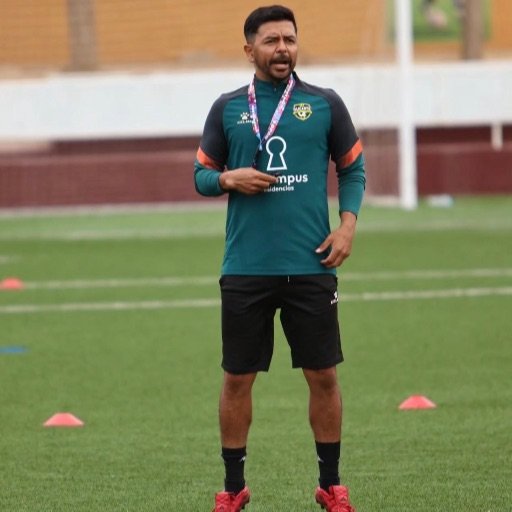
High school coaches can help you get noticed by scouts but it’s important to know how to make the most of their support. They can give you honest feedback about your abilities, help you understand your strengths and weaknesses, introduce you to coaches they know and provide strong references about you. Coaches are much more likely to go the extra mile for players who are reliable, hardworking and respectful every day, not just when scouts are watching.
Why Are ID Camps And Showcases Important For Getting Scouted In Soccer?
ID camps and showcases have become important places for college and club coaches to find new talent. These events gather motivated players in one spot, which makes it easier for coaches to see everyone’s skills. Instead of traveling to lots of high school games with different levels of play, coaches can watch top prospects compete together, run drills and see how they perform in tough situations. Camps also give players a chance to talk directly with coaches, learn where they stand and get honest feedback about their strengths, weaknesses and next steps.
To get the most out of these events, preparation is key. It’s important to be in top physical shape, since coaches notice players who can keep up their energy all the game. Coaches pay attention to body language, communication, work rate and how coachable you are, not just your technical skills. Showing energy, leadership and professionalism can help you stand out.
MAKE YOUR VIDEO EASY TO SAY YES TO
Coaches decide quickly. Use a clean structure: best clips first, show decision making, and include one full match link. This guide explains what scouts typically want to see.
See how scouts review footage
How Do I Create A Soccer Highlight Reel That Impresses Scouts?
You don’t need special effects for a good highlight reel. The most important thing is that it’s easy to follow and shows what matters.
Here are some basic tips that coaches suggest and that we know work well:
- Keep your video between 3 and 5 minutes. That’s enough time to show your skills without making it drag on.
- Put your best moments in the first 30 seconds. Coaches usually decide quickly if they want to keep watching.
- Show not only goals but also defending, pressing, teamwork and switching play.
- Context: add simple labels like the competition and the level of your opponents.
Use stable and clear HD footage if possible. Include your name and contact details at the beginning and end of your video.
How Do I Contact Soccer Coaches Directly While In Highschool?
Reaching out to college or club coaches is common but the way you do it matters. Keep your message short and professional. Start with a clear subject line that includes your graduation year, position and a link to your highlight video. Introduce yourself with your name, where you’re from and important academic details like your GPA. Give a brief overview of your soccer background, such as your high school or club team and main achievements. Be sure to add direct links to your highlight reel, a full game and your player profile.
Finish your email with a polite line such as, “I’d appreciate your feedback on whether I could be fit for your program.” Coaches usually respond more to messages that are personal, clear and brief, which makes it easier for them to review and reply.
QUICK SELF‑CHECK BEFORE YOU TRAVEL
Before you commit to showcases, camps, or trips, pressure-test the basics: fitness, match minutes, role clarity, and recovery habits. This guide helps you spot gaps fast.
Do the readiness check