Key Takeaways
- The best academies are judged by player production, international impact and long term consistency.
- England’s top academies, like Chelsea, Man City and Man United are known for their strong structure and the opportunities they offer.
- La Masia remains the most influential in football history, shaping how the modern game is played.
- Ajax, Sporting CP and Clairefontaine stand out for technical excellence and clear player pathways.
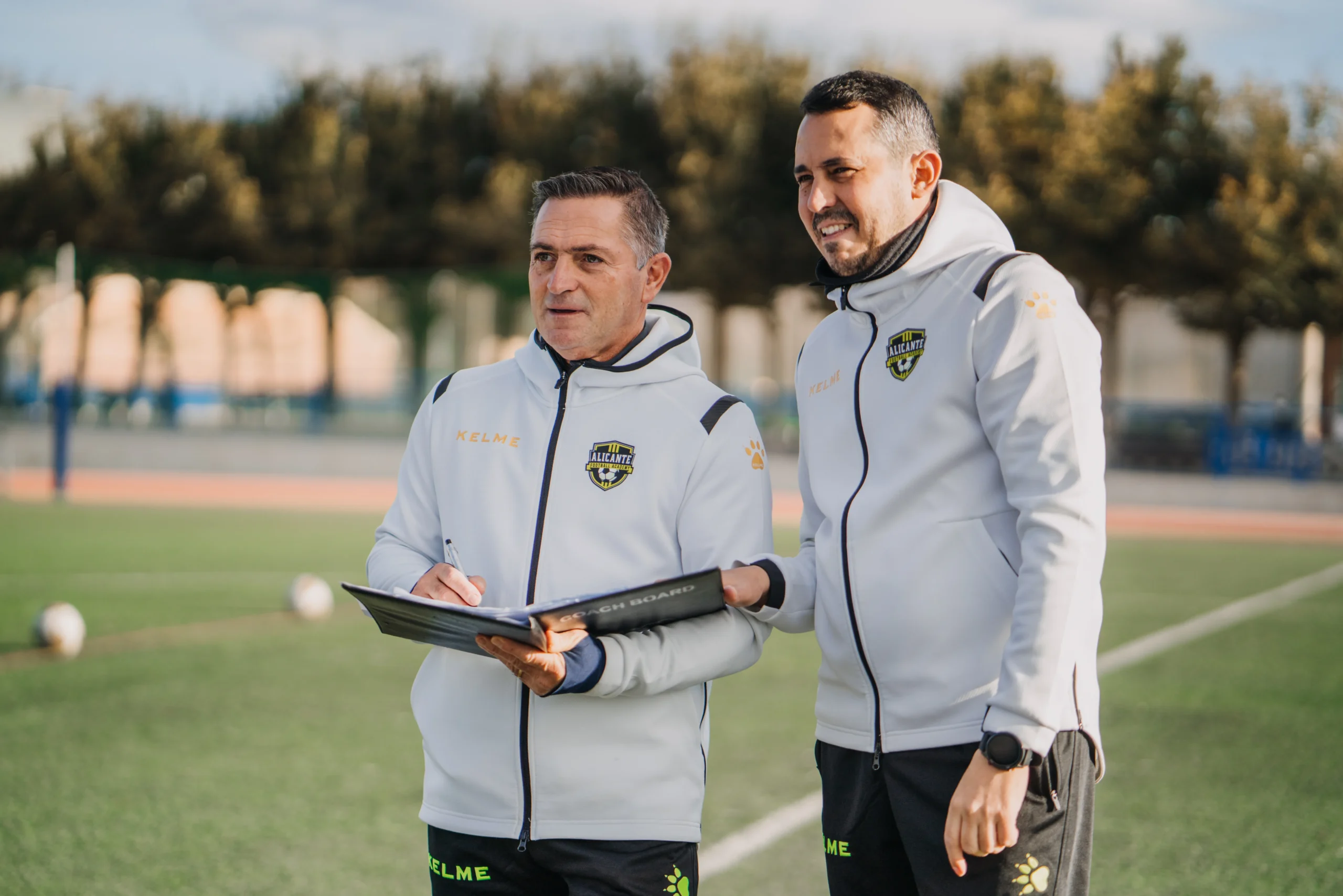
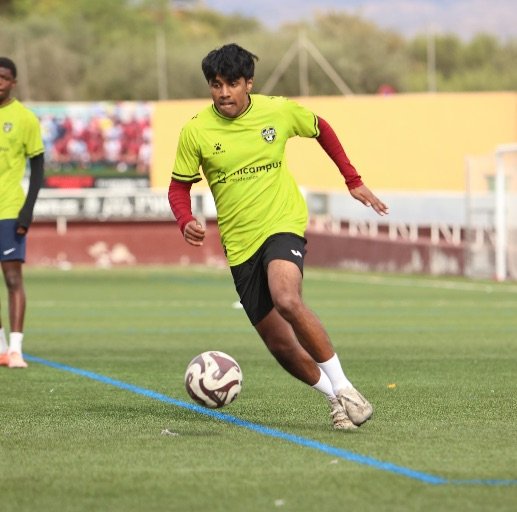
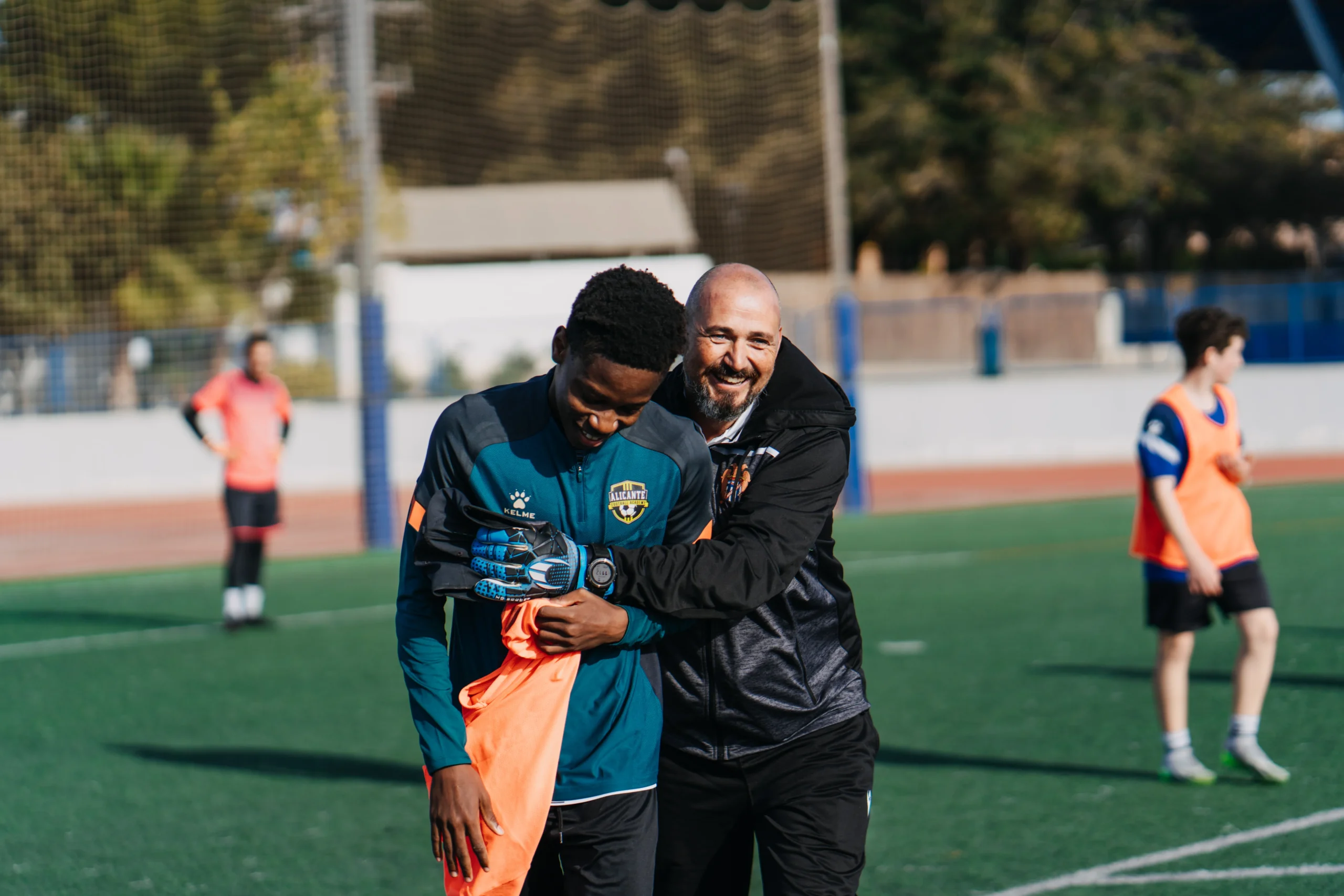
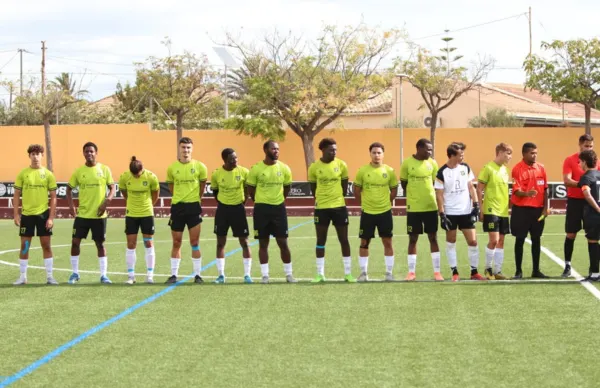
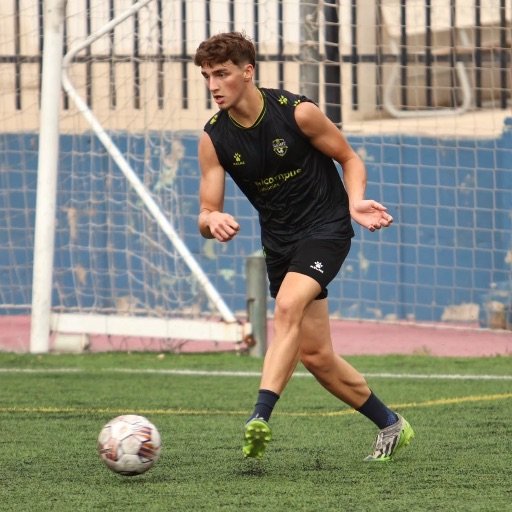
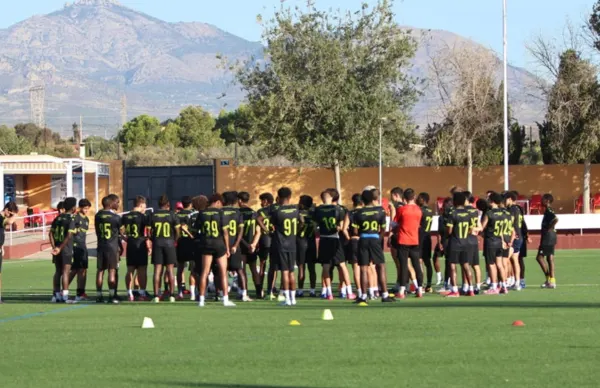
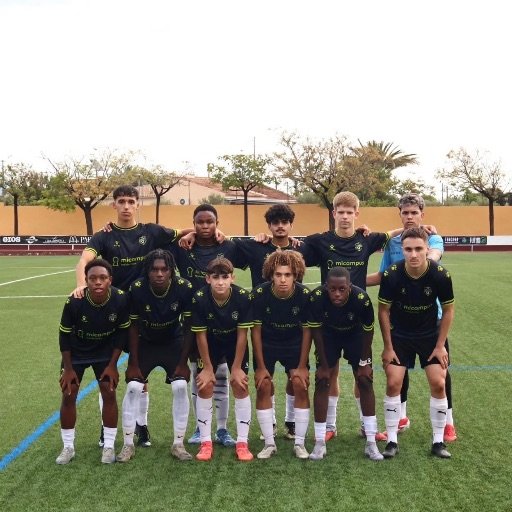
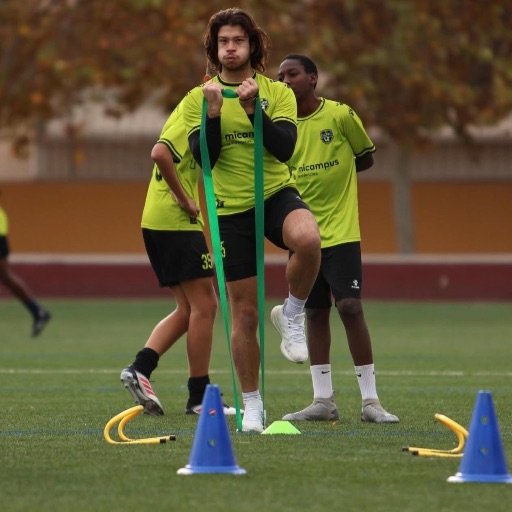
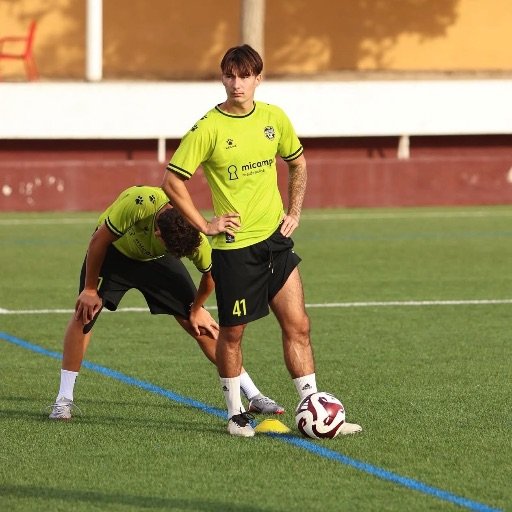
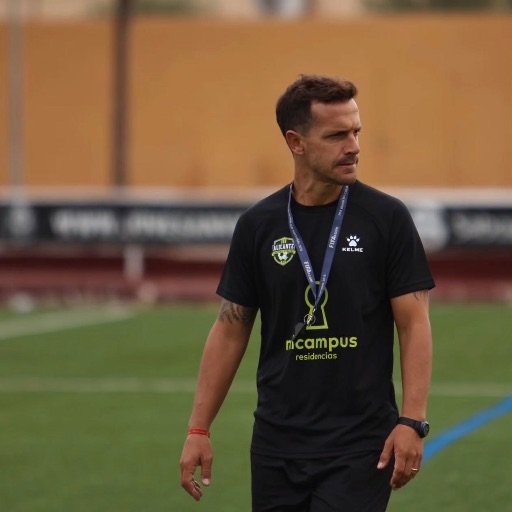
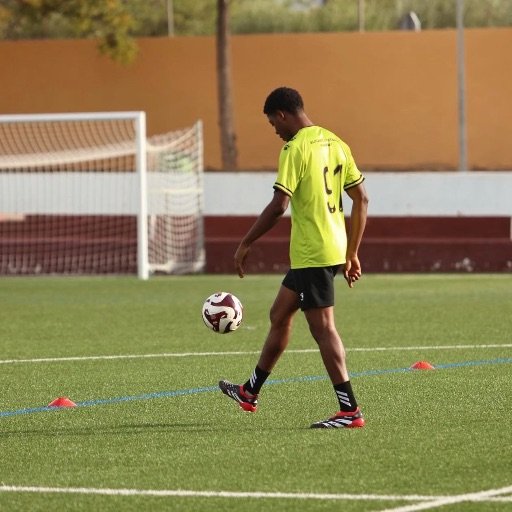
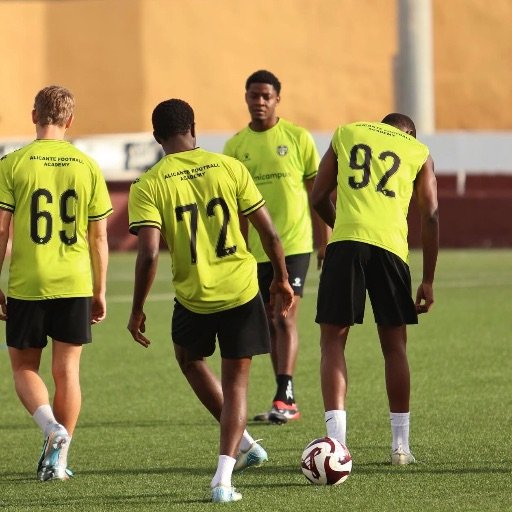
- Alicante Football Academy in Spain is an example of a new international model that brings together elite coaching, education and connections to Spanish Clubs.
Table of Contents
Best Football Academy In The World
Deciding which football academy is the best in the world really comes down to how you define and measure “best”. Is it about producing Ballon d’Or winners, earning the most from transfers or bringing through the most first team players? In reality, it’s a mix of player production, development quality and global influence.
How we define “Best”:
You can measure how good a football academy is by looking at clear data based criteria.
- First team minutes: This shows the game time academy players get at the highest level. The CIES Football Observatory shares these rankings every year.
- National team representation: This looks at how many academy graduates go on to play for their national teams.
- Transfer revenue: This tracks how much the academy earns from selling players who trained there. CIES 2025 ranked Benfica 1st (516m), Ajax 2nd (376m) and Lyon 3rd (376m) as global leaders in revenue from academy trained players.
- Longevity and continuity: This measures how regularly the academy produces talented players over the years.
- Philosophy and education: This includes the quality of coaching, the values taught and the educational support players receive.
In 2025, the CIES Football Observatory reported that academies like Ajax, Benfica, Sporting CP and Barcelona continue to lead in these areas. With their graduates making the most appearances at the top level worldwide.
When looking at academies around the world, you need to consider how strong the leagues are and how hard it is for players to move abroad. For example, producing five top players in Brazil or Portugal can be just as impressive as producing ten in England, where players have more opportunities.
To keep the rankings fair, recent results count for more (60%), such as first team minutes and transfers in the last five years. Historical legacy also matters (40%), rewarding academies that have influenced world football for many years.
Which Are The Top 10 Football Academies In England?
England’s academy system is one of the best organized in the world, largely because of the Elite Player Performance Plan (EPPP). Clubs are ranked 1-4 across coaching, facilities and player development, with Category 1 at the top.
Here’s a look at the English academies that are considered the top performers today:
- Chelsea FC Academy stands out for investing heavily in young players and getting great results, The Cobham facility has produced talents like Mason Mount, Reece James and Declan Rice. With excellent facilities, a strong technical program and European experience, Chelsea sets the standard in England.
- Manchester City Academy is a state of the art program where players learn directly from Pep Guardiola’s football philosophy. Graduates like Phil Foden and Rico Lewis show how City connects youth football with top level tactical training.
- Manchester United Academy became famous with the Class of 92 during Sir Alex Ferguson’s era. Today, United still has one of the longest runs of academy players making first team appearances.
- Arsenal Academy focuses on technical skills and creativity, producing players like Bukayo Saka and Emile Smith Rowe. Their approach helps young players build confidence, make good decisions and pass quickly.
- Liverpool Academy is known for developing players who are mentally tough and work well in a team. Trent Alexander Arnold and Curtis Jones are a great example of this focus.
- Southampton FC Academy is known for turning local talent into premier league material. Gareth Bale, Theo Walcott and James Ward Prowse all began their careers there.
- West Ham United Academy combines street football with discipline and has produced players like Frank Lampard and Joe Cole.
- Aston Villa Academy is becoming a rising force, with strong youth recruitment and modern coaching methods. Players like Jacob Ramsey and Carney Chukwuemeka show the academy is moving upward.
- Leeds United Academy has a reputation for hard work. The club develops players who are ready for professional football, with Kalvin Phillips as an example.
- Brighton & Hove Albion Academy is the newest member of England’s top academies. It stands out by finding undervalued talent and developing them using smart coaching.
All these academies share one thing, they give young players a clear path from youth teams to the first team, with support in education, psychology and tactical training.
What Is The Greatest Football Academy In History?
When talking about the greatest football academy in history, FC Barcelona’s La Masia always comes up. Its influence is more than just producing great players, it changed the way football is played.
From the 2000s to the early 2010s, La Masia produced a full first team core: Messi, Xavi, Iniesta, Busquets, Piqué and Pedro. They all trained with focus on possession. No other academy has shaped football as much as this group of players.
But there are other strong contenders in football history:
- Ajax’s De Toekomst changed youth in the 1970s and still supplies top European clubs with talent.
- Sporting CP’s Alcohete Academy produced stars like Cristiano Ronaldo, Luís Figo and many other Portuguese internationals.
- Clairefontaine helped shape the way the modern French national team is built.
- Manchester United’s Academy has developed many generations of English footballers.
In the end, the greatest academy is not just about trophies or famous players. It is about changing the game itself, and La Masia`s impact on modern football is still unmatched.
| La Masia (FC Barcelona) | Spain | Messi, Xavi, Iniesta, Busquets | Positional play, intelligence, teamwork | Consistent tactical education from youth to senior level | Revolutionised modern football with possession-based play |
|---|---|---|---|---|---|
| De Toekomst (Ajax) | Netherlands | Cruyff, Bergkamp, De Ligt, De Jong | TIPS model – Technique, Insight, Personality, Speed | Structured player identity and role continuity | Pioneer of “Total Football”; global influence on coaching |
| Sporting CP (Alcochete) | Portugal | Ronaldo, Figo, Nani, Moutinho | Technical precision and athletic profiling | Individual creativity within tactical structure | One of Europe’s most productive academies per capita |
| Clairefontaine | France | Henry, Mbappé, Anelka | Technique, discipline, intelligence | Combines academic education with elite training | Model for national football-federation academies |
| Manchester United Academy | England | Beckham, Scholes, Rashford | Mentality, consistency, tradition | Longest run of homegrown players in first-team squads | Symbol of English youth development heritage |
Which Academy Is Best In The Premier League?
Based on recent results, Manchester City is now the leading academy in the Premier League. They use the same academy philosophy with their first team, so players at all ages learn the same tactics. The progress of Phil Foden, Rico Lewis and Cole Palmer shows their system works well.
Chelsea and Arsenal also succeed with homegrown players and player sales. Still City stands out because they have stayed consistent for years and put a lot of resources into their academy.
If you want to join top academies, preparation is important. Learn how clubs judge players, looking at both skills and attitude. Programs like Alicante Football Academy can help you get ready for trials and turn your goals into real chances.
LOOKING FOR A EUROPEAN ACADEMY EXPERIENCE?
If your goal is to train in Spain with a structured weekly schedule and competitive matches, see what our residential programme includes and how players progress.
Explore the residential academy
Which Football Academy Did Ronaldo Come From?
Cristiano Ronaldo started his journey at Sporting CP’s Alocochete Academy in Portugal. He joined when he was just 12, leaving his hometown Madeira to chase his dream.
Right from the beginning, his mindset stood out. Coaches recall him staying on the field long after training, repeating drills until he got them right. Each session was a personal challenge and a test against himself. His eagerness to improve, even in the smallest details, quickly made him different from his teammates.
Sporting’s focus on speed, technical skills and discipline matched his relentless attitude. By the time he was 16, Ronaldo had played at every level in the club, from U16s to the first team. This record showed both his talent and his unstoppable drive. His time at Alcochete shaped not just a footballer, but a mindset of a world champion.
Which Football Academy Did Messi Go To?
Lionel Messi moved from Rosario to Barcelona at age 13 to pursue his dream by joining La Masia. The academy provided excellent training and supported his growth hormone treatment, creating a strong bond between Messi and the club.
At La Masia, Messi developed both as a player and as a person. Coaches recall his quiet determination and focus, which drove him to practice his first touch, balance and finishing for hours. Playing with teammates who valued teamwork and possession, he learned to think fast and use tight spaces well.
The academy’s mix of structured positional play and creative freedom shaped how Messi played. He became known for his close control, speed and calmness under pressure. La Masia improved his skills and gave him the mindset to influence modern football.
APPLY FOR THE NEXT INTAKE
Applications help us understand your position, level and timing. Once we review your details, we’ll explain the best route. Short stay, camp, or longer programme.
Apply now
How Is The La Masia Football Academy In Spain?
La Masia. FC Barcelona’s famous academy, teaches a style built on positional play, intelligence and humility. Even the youngest players learn to understand the reasons behind their movements. They work on reading spaces, angles and timing.
All teams use the same tactics as the first team, making it easier for players to move up from the youth squads to Barça Atlètic and then to the senior team. Along with football skills, players receive education, psychological support and life lessons. These values are summed up in Barça’s motto: “More than a club”.
La Masia is not just about training footballers. It helps players think for themselves and truly understand the game.
How Is The De Toekomst (The Future) Ajax Youth Academy?
Ajax’s academy, De Toekomst, is known worldwide for its scientific approach to developing players. It uses the TIPS model, which stands for Technique, Insight, Personality and Speed, to guide and assess each player as they progress.
Ajax’s training follows a clear style that focuses on short passes, smart positioning and encouraging players to take initiative. The roles remain consistent across all age groups, so a player learns the same tactics from U-13s up to the first team.
Players progress from the youth teams to Jong Ajax in the Dutch second division, where they gain real match experience before joining the senior squad. This system helps the club continue to produce skilled and adaptable professionals.
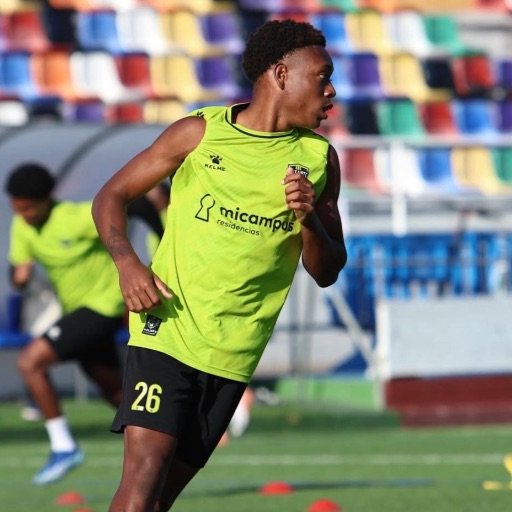
How Is The Sporting CP Football Academy In Portugal
Sporting CP’s Football Academy in Alcochete keeps Portugal’s tradition of focusing on technical skills and athletic assessment. Coaches pay attention to each player’s coordination, agility and decision making from a young age to support their physical and mental growth.
The academy’s training encourages players to be creative while following a clear tactical plan. Graduates such as Ronaldo, Luís Figo, Nani and Moutinho are examples of this balance. The academy links youth teams coaches with first team coaches, so talented teenagers can train with professionals. This approach keeps Sporting among Europe’s top clubs for developing players.
How Is France’s Clairefontaine Football Academy?
Clairefontaine is a national training center run by the French Football Federation. It brings together the best 13 to 15 year old players from all over France for two years before they go back to their home clubs. Players are chosen for their talent, academics and their maturity, making this one of the most selective programs in Europe.
There, players work on technical skills every day, such as first touch, quick passing and understanding space. They also focus on their education and personal development. The players study, train and live together, following a philosophy that values intelligence, discipline and teamwork.
Graduates such as Thierry Henry and Kylian Mbappé show how successful the academy is.
NO ACADEMY BACKGROUND? START HERE
Many players don’t come through a top system. This guide shows how to build your own pathway. Training structure, match minutes, and practical steps toward trials.
Read the non‑academy pathway
What Is The Best Soccer Academy In The U.S.?
Youth football in the United States has improved a lot thanks to MLS backed academies and private programs that use European style training. Now, instead of focusing on college, more players are developing professionally and becoming skilled enough to become worldwide.
Some of the top academies are:
- Philadelphia Union Academy is known for guiding players from youth teams all the way to MLS and even the U.S. national team.
- FC Dallas is recognized for developing players such as Weston McKennie and Ricardo Pepi, who have gone on to play in Europe.
- LAFC Academy encourages creativity, possession based play and a modern tactical approach.
- IMG Academy in Florida offers full time education along with top level international training, similar to the boarding style academies found in Europe.
MLS clubs are investing more in facilities, analysis and partnerships with international teams. This gives young American players access to resources that used to be found only in Europe.
What Are The Best Schools To Attend For Football Training
Young players who want to balance school and serious football training can now find schools worldwide that offer both. These programs help students grow as athletes and as people, getting them ready for life on and off the field.
Leading Football Programs Worldwide
- IMG Academy in the USA is a top residential sports school. It offers academics alongside daily football training with experienced coaches. Students live on campus, work on personal growth and play in tournaments both in the U.S. and overseas.
- Brooke House College in the UK is a boarding school where students take regular classes and train with UEFA qualified coaches. Many graduates go on to professional trials or earn sports scholarships at leading universities.
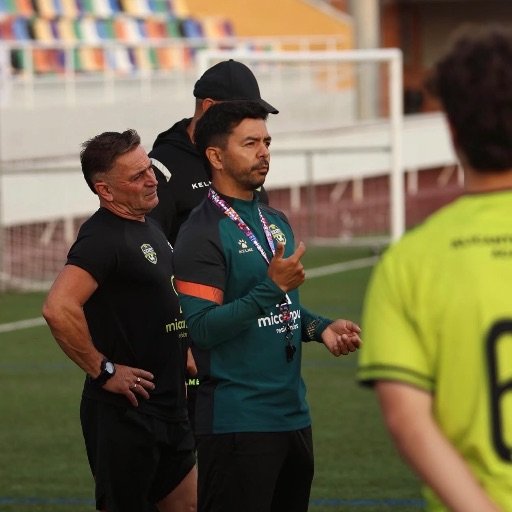
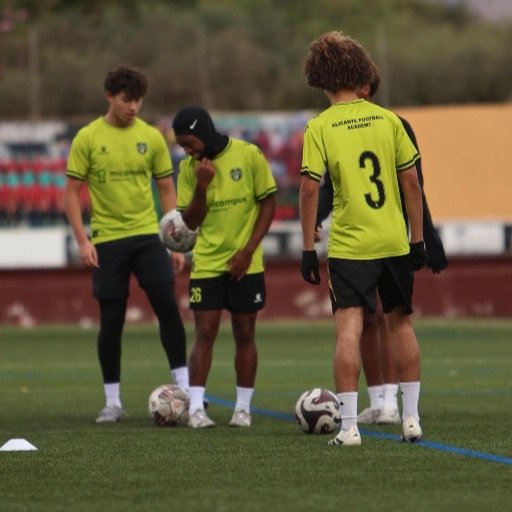
- Alicante Football Academy in Spain is located near Alicante on the Mediterranean coast. It gives international players a full residential program with professional coaching, education and opportunities to connect with Spanish clubs.
Players train daily with UEFA Pro licensed coaches in a Spanish style program that focuses on possession, tactics and technical skills.Training takes place at modern facilities and includes gym sessions, recovery, spanish language lessons and coaching school to get a better understanding of the game.
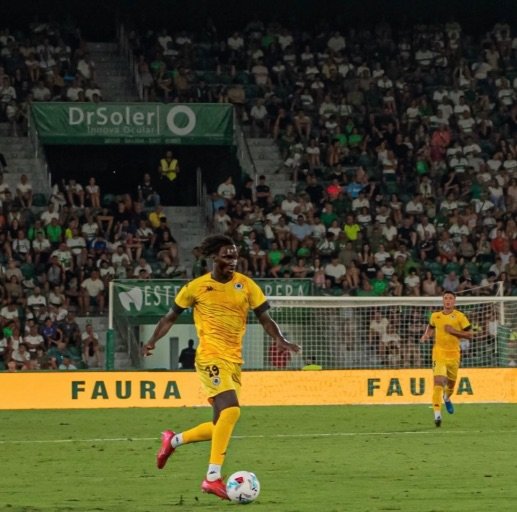
AFA is well known for its strong ties to local Spanish clubs, which gives players opportunities to participate in showcase trials and scouting events during the season. The academy welcomes players aged 16 and up, with programs from one month to a full season.
Alicante Football Academy combines high football standards with personal growth. It gives motivated players a real path into European football and supports their progress on and off the field.
Which Club Can Boast The Greatest All-Time XI Of Academy Graduates?
If you had to choose a team of legends from any academy, Barcelona’s La Masia would likely be at the top.
Valdés, Puyol, Piqué, Alba, Busquets, Xavi, Iniesta, Messi, Fàbregas, Pedro, Bojan
This group has won over 30 major trophies together, a record unmatched by any other team in football history.
Ajax and Manchester United have come close, but neither has shown the same consistent excellence built on a single philosophy.
WHAT REALLY HAPPENS AT 16?
The jump from youth football to scholarships and contracts is where things get serious. Here’s how payments, allowances and agreements typically work in the UK system.
Understand academy pay