Key Takeaways
- A formation shows how players spread out on the field, rather than having them stay in one spot.
- The best 7v7 teams keep their players wide, have some players stay back, and make sure everyone is ready to help each other.
- Most goals are scored when teams don’t react well just after they win or lose the ball.
- Youth teams improve faster when players know their roles and practice them regularly.
- Competitive teams do well when pressing and covering feel natural to their players.
Table of Contents
7v7 Soccer Formations
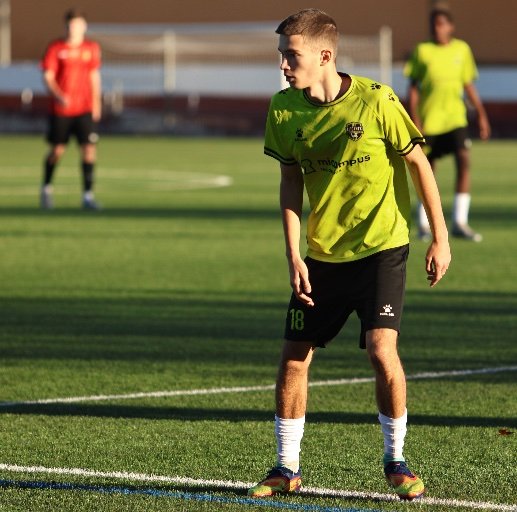
A 7v7 soccer formation means you have six outfield players and a goalkeeper. Because there are fewer players than in 9v9 or 11v11, mistakes stand out more and can quickly turn into chances for the other team.
In our 7v7 sessions, we often notice the same problem. Players bunch up around the ball and leave the far side open. When they try to fix it by running more, it often makes things worse.
We solve this by teaching a few simple positioning rules:
- Keep two players wide on the touchlines.
- Have one player stay behind the ball.
- Assign one player to stay high up the field as an outlet.
With those four positions set, the other two players can move more freely, which helps the team stay organized.
Why Are Soccer Formations Important In 7 V 7 Games?
Formations matter in 7v7 because they help balance attack and defense, and give players simple roles to remember. This structure helps players make good decisions and keeps the game organized instead of turning into lots of 1v1 matchups.
A clear team shape helps in a few key ways:
- Build-up: Players know where to look for a safe pass.
- Pressing: Players know who should press first and who should cover behind.
- Development: Kids learn about triangles, spacing, and how to look around the field, all without needing complicated tactics.
Every season, we see the same thing: teams that look “tactical” in 7v7 are usually just the ones doing the basics well and doing them every time.
TAKE YOUR 7V7 GAME IQ INTO A FULL‑TIME ACADEMY ENVIRONMENT
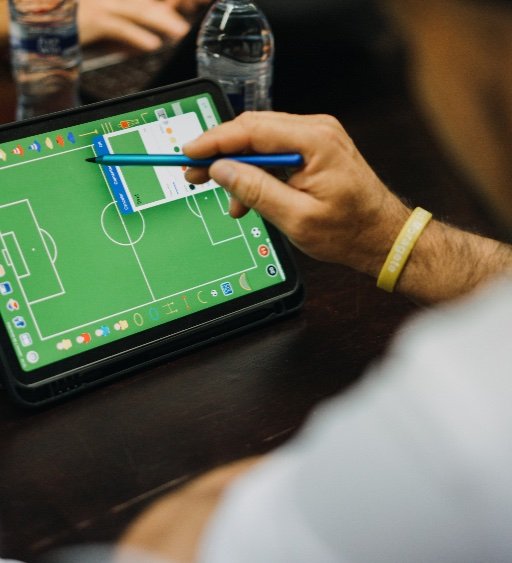
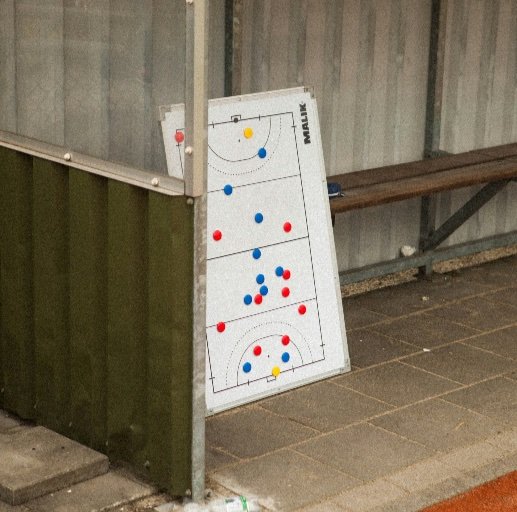
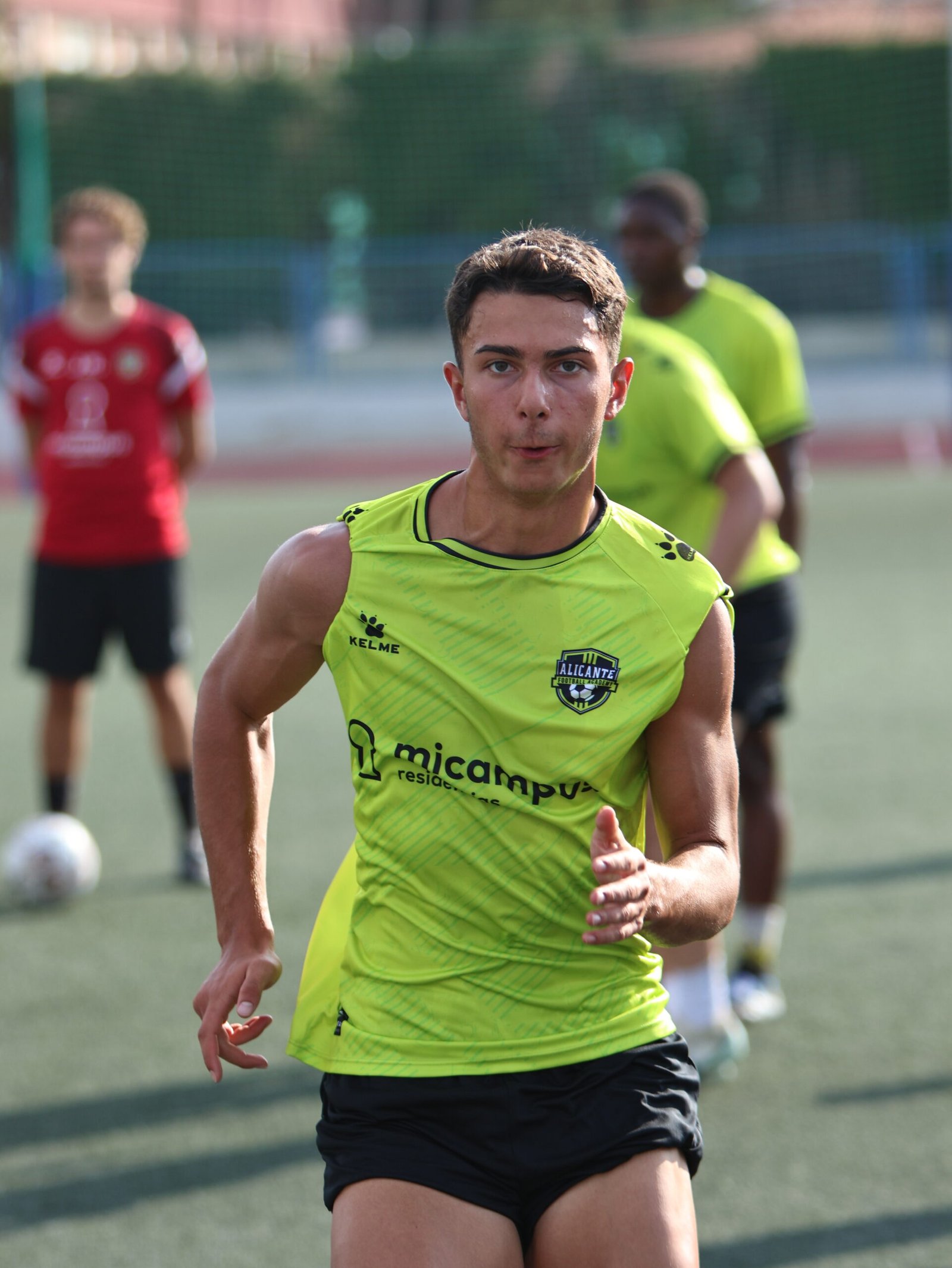
If you’re already thinking about build‑up patterns, pressing triggers, and how your team keeps its shape, you’re past “just playing.” At Alicante Football Academy you train every day in a structured system, so ideas like width, cover and transitions become automatic instead of something you only talk about on a tactics board.
How Do You Choose The Best 7v7 Formation For Your Team?
The best 7v7 formation depends on your players and what you want to achieve, whether that’s long-term growth, quick wins, or a bit of both. There’s no single perfect setup. Begin with a simple structure that matches your team’s strengths, and teach one or two clear rules so players can handle pressure during games.
First, think about what kind of team you have right now. If your team likes to keep possession, you need players who are calm on the ball, have good first touches, and are patient enough to recycle play. If your team plays more directly, you’ll benefit from fast runners, forward passes, and strong finishing, even if you don’t keep the ball as much. A team that is strong defensively might be disciplined and organized but still working on creativity in attack. Your formation should match these strengths, not work against them.
Next, choose what you want your team to get better at this month. Are you working on building from the back with confidence? Do you want to press and win the ball back quickly? Or is your main goal to create more chances in attack? You can use the same 7v7 formation for different goals, depending on what you practice in training.
The key question is what your players can really do when they’re under pressure. If your team can only remember two things during a game, keep them simple, like basic spacing rules instead of complex movements. For example, “stay wide” and “one stays back” are much more effective than detailed instructions that are hard to follow when the game gets fast.
Finally, decide how you want your team to defend. If you want to defend high up the field, your formation should help your team stay close together and press quickly. If you defend in the middle or near your own goal, you’ll need balance and protection behind the ball. Once you have a clear defensive plan, the right 7v7 formation usually becomes obvious.
What Is The Best Formation For 7v7 Soccer Overall?
A lot of teams see the 2-3-1 as the best all-around formation for 7v7. It helps players make triangles, gives the team more width, and makes defending easier. As players get older, this setup also works for 9v9 and 11v11.
For youth matches, The FA’s U9/U10 guide suggests using a 60 by 40 yard pitch and goals that are 6 by 12 feet.
Here’s how your team lines up in the 2-3-1 formation:
- 2 defenders cover the back and help start attacks
- 3 midfielders support teammates and put pressure on the other team
- 1 striker leads the attack and stretches the field
That’s why many academies use this formation. It helps players learn important skills like finding support, scanning the field, and playing under pressure. If you want to stand out at tryouts, knowing how to use the 2-3-1, especially pressing and spacing, shows coaches you’re ready to learn.
SEE IF YOUR TACTICAL LEVEL HOLDS UP IN REAL TRIALS
Understanding a 2‑3‑1 or 3‑2‑1 on paper is one thing; applying it when the game gets fast is what coaches really judge. Our football trials in Spain put you into high‑intensity sessions and matches where your positioning, pressing choices, and reactions under pressure are all evaluated by real club coaches.
Learn how football trials with Alicante FA work
What Are The Most Effective 7v7 Formations Used In Competitive Matches?
In 7v7 soccer, the best formations help your team press and defend well, not just look good on paper.
Here are the most common formations you’ll see and what each one is best at:
| Formation (GK + 6) | Best for | Main strengths | Common risks |
|---|---|---|---|
| 2-3-1 | Most teams | Width + triangles, easy pressing lanes | Midfield can get stretched |
| 3-2-1 | Defensive teams | Compact, strong cover vs counters | Can lack attacking width |
| 2-2-2 | Direct teams | Two forwards, quick combinations | Middle can get empty |
| 1-3-2 | Possession teams | Midfield overloads | Single defender exposed |
This is how we make things easy on game day:
- Choose the 2-3-1 formation if you want steady build-up play and more chances to use the wings.
- Go with 3-2-1 when you need to protect a lead or play against a team that is strong on counterattacks.
- Pick 2-2-2 if you have two main attackers and want your team to play quickly.
- Use 1-3-2 only if your forward is confident and your midfielders are good at winning the ball back quickly.
Here are two coaching tips we use during practice:
- Your team’s shape changes when you have the ball. Show your players how to move together instead of staying in one spot.
- Plan your rest defense before the match. Decide who will stay back to stop a counterattack.
To help players grow, UEFA’s Grassroots Charter suggests using small-sided games on smaller fields. This makes the game more fun and helps with development.
Which 7v7 Soccer Formations Work Best For Youth Teams?
The 2-3-1 and 3-2-1 formations are great for youth teams because they help players spread out and understand their roles. For U9 and U10 teams, building good habits matters more than memorizing set rotations.
When we teach formations to young players, we focus on three main goals:
- One player stays up the field to give the team depth.
- Two players help the team stay wide by not moving into the middle.
- One player stays behind the ball to give cover and stay involved in the play.
If a player forgets their role, we don’t stop the game for a long talk. We just pause, quickly show the spacing problem, and then keep playing. This helps kids learn where to be on the field.
How Do Youth Soccer 7v7 Positions Differ By Age Group?
As players grow, it’s important to make positions in 7v7 soccer more organized.
- With U8 teams, focus on teaching zones such as ‘wide’ and ‘central’ rather than giving players strict positions.
- For U9 teams, introduce a connector or pivot so the team always has a safe option when building up play.
- With U10 players, start teaching them how to form triangles, switch the play, and build good habits for transitions.
If you’re coaching, a simple way to help your team get better is to keep the same basic shape but change your focus each week. For example, you could have a “width week,” then a “support week,” and then a “press and cover week.”
What Are The Official Position Names And Numbers In 7v7 Soccer?
There isn’t one official numbering system for 7v7 soccer, but using the same numbers as 11v11 can help players learn and grow.
Here’s an easy way to name each position:
- 1: goalkeeper, who begins the play from the back
- 4/5: center backs, who defend and often make the first pass forward
- 6: pivot, who links the team together and helps teammates when they’re under pressure
- 7/11: wide midfielders or wingers, who stretch the play and help out on defense
- 9: striker, who adds depth and leads the first press
Remember, rules like offside can be different in small-sided leagues, so always check your competition’s rules. For the main guideline, see IFAB Law 11.
TURN YOUR 7V7 IDEAS INTO BETTER TRAINING SESSIONS
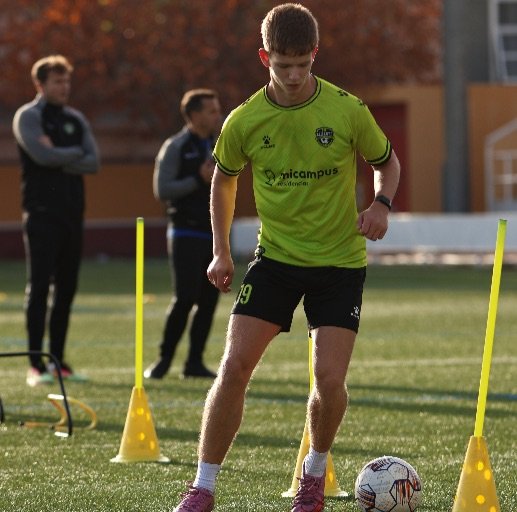
Formations only help if your training actually rehearses them. Instead of running random cone drills, use sessions that build the same spacing, triangles and pressing cues you want on match day. This article walks through the football training drills we use at Alicante FA to connect practice with game reality.
Read our Football Training Drills guide
Which Indoor Soccer Formations Are Best For 7v7 Play?
In indoor 7v7 football, using compact formations such as 2-2-2 or 3-2-1 helps because the game is fast. Since there’s less time to reset, it’s even more important to keep good structure and spacing than when playing outside.
The biggest change indoors is how players handle their spacing. Staying close helps teammates support each other and recover quickly after losing the ball. If players leave large gaps, opponents can quickly take advantage.
Teams also need to play more directly indoors. If space opens up behind the defense, it should be used right away. Passing too much or moving the ball too slowly often leads to losing possession and facing counter-attacks.
On defense, protecting the middle is most important indoors. The central areas are risky because of fast passes and rebounds, so players should stay compact in the center before moving out to cover the sides.
What Formations Work Well In 7v7 Soccer Tactically?
Formations work best when you connect them to key principles, rather than treating them as fixed setups.
- Begin by spreading out wide, then look for chances to play the ball inside.
- Make sure there is always a pivot player behind the ball to offer support.
- Have one player press while another covers. Avoid having everyone press at once.
- When you win the ball, attack quickly if the other team is not set up.
Here’s a practical tip: in 7v7, pressing is more about using angles than speed. If your striker presses straight, the other team can pass through. But if your striker presses at an angle, you can force play wide and win the ball as a team.
If you want simple ideas for small-sided practices, check out FIFA’s Training Centre. They have helpful grassroots resources you can use and adapt.
Where Should Weak Players Be Placed In 7v7 Soccer?
When coaching a 7v7 team with players of different skill levels, it’s important to keep less experienced kids involved instead of leaving them in defense the whole time. In small-sided games, everyone gets involved because the ball moves quickly and there’s lots of open space.
Picking the right position matters. Wide midfield in a 2-3-1 is a good choice because the sideline helps limit defensive angles and gives clear spots to focus on. You could also try them as a second forward in a 2-2-2, where their main jobs are to press the first pass, support the attack, and stay connected to the team.
It’s usually not a good idea to put the least experienced player as the only defender in a 1-3-2 setup. That position needs quick decisions, lots of running back, and strong one-on-one defending under pressure. For most young players, this is too much to handle and can hurt their confidence instead of building it.
How Should Training Drills Match 7v7 Formations?
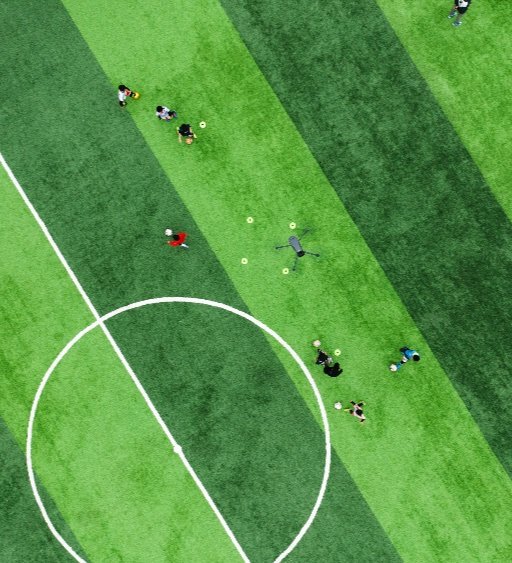
Make your training feel like real game situations by focusing on build-out, width, defending counters, and transitions. Players learn best with small-sided games that have clear rules, rather than long cone drills.
Try these three simple drills:
- Build-out game: Play 4v3 or 5v4. Set a rule that the first pass must go wide to help players learn spacing in a 2-3-1 formation.
- Transition game: Set up a 3v3 with 2 neutral players. When a team wins the ball, they have 5 seconds to counter. This helps players develop quick reactions and defensive recovery.
- Finishing game: Play 3v2 to goal. If defenders win the ball, they counter to mini-goals. This drill teaches decision-making under pressure.
We also recommend a “shape drill” that keeps things interesting. Play 6v6, and give each team two wide channels that only wide players can use. This helps players learn width without constant reminders.
Research supports this method. A review on PubMed found that small-sided games improve aerobic capacity as well as tactical and technical skills.