Key Takeaways
- Prioritize accuracy over power. Once you master the technique, your power will improve naturally.
- Your first touch is important. If your initial touch is incorrect, your shot is likely to be too.
- Practice under pressure by adding time limits and defenders to your drills.
- Work progressively, starting without opposition, then adding movement, pressure, and finally, game situations.
- Keep track of your progress, such as shots on goal, corner kicks, or your conversion rate.
Table of Contents
How To Improve Shooting In Football?
Start by making your shooting technique consistent. After that, practice at game speed so you can perform well when it matters.
We break finishing down into four connected skills:
- Technique: how you strike the ball
- Accuracy: where the ball goes
- Power: how fast the ball travels
- Decision-making: when to shoot and which type of finish to use
If you only work on one skill, your results won’t be steady. Players who focus on power often lean back and lose control. Those who only practice accuracy in easy drills struggle when a defender is present or when they have to shoot quickly.
Proper practice helps you improve faster by giving you good repetitions with feedback. Over time, you add speed and challenges like movement, time limits, and pressure. This is how you turn clean strikes in drills into a real match finish.
Here’s a simple step-by-step plan to take you from the basics to real game situations:
When you add movement, use your weak foot, or practice under pressure, it will feel harder at first, and your accuracy might drop for a bit. But if you stick with the progression, your finishing will become reliable at game speed.
How Can I Improve My Shooting In Football Through Proper Fundamentals?
Fundamentals are the key to consistent shooting because they don’t change, even when you’re tired or feeling pressure. When the game gets faster, your body falls back on habits, so strong basics help you finish reliably.
Common problems we see when players skip basics:
- Leaning back: the ball goes too high
- Plant foot too far away: the shot slices or pulls
- Loose ankle: weak contact and no clean strike
- Head lifts early: poor timing and mis-hits
Check these fundamentals every time you practice:
- Approach slightly from the side
- Plant your foot next to the ball
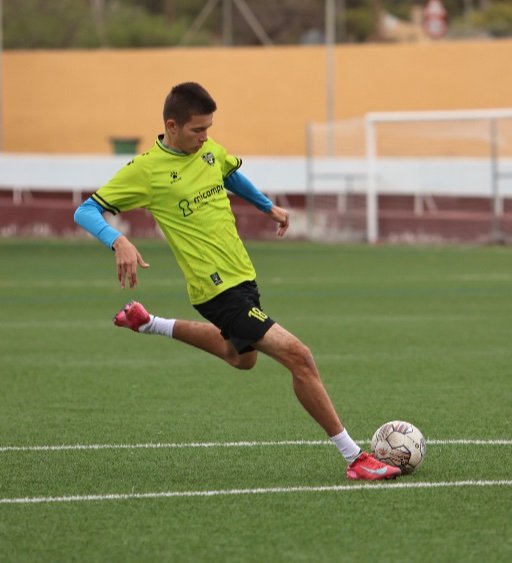
- Knee and chest over the ball (for low, driven shots)
- Lock the ankle at contact
- Strike through the middle of the ball
- Follow through toward the target
Repetition is important. Use this checklist for every rep until it feels automatic. Over time, strong fundamentals help your technique stay steady during fast play, improve your accuracy when you’re tired, and keep you from having to fix your shot often.
Here’s a quick self-coaching tip: film five shots from the side and pause the video right when you strike the ball. If your plant foot is close, your chest is over the ball, and your ankle is locked, you’re usually 80% of the way there.
READY TO TRAIN FINISHING LIKE A PRO?
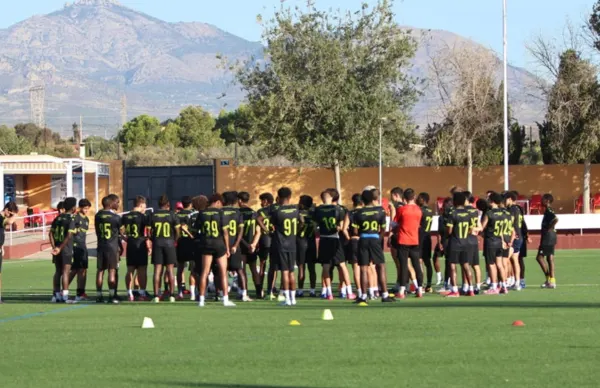
If you want structured shooting sessions, match scenarios and coach feedback, the next step is an application. We’ll review your level and explain how our programme works in Alicante.
Apply to join
How To Improve Shooting Accuracy In Football Consistently?
Shooting accurately in football means putting the ball exactly where you want it. It’s not just about hitting on target, but picking a spot like the low far corner, low near corner, or sending it past the goalkeeper.
Accuracy is more important than power. If you place your shot well, the goalkeeper has to move and it’s harder for them to save. But if you shoot hard right at the keeper, it’s usually easy for them to stop.
To shoot accurately every time, use the same technique for each shot. Keep your approach, plant foot, body position, and where you strike the ball the same. If you change your technique, your shot will change too.
Here’s an easy drill to practice accuracy: take 5 shots at the low far corner, 5 at the low near corner, and then 10 shots switching between corners. Before each shot, pick which corner you’ll aim for. Keep score as you go. Give yourself 1 point for hitting the target and 2 points for getting the ball into your chosen corner. As your score improves, so does your accuracy.
How To Shoot A Soccer With Accuracy Under Pressure?
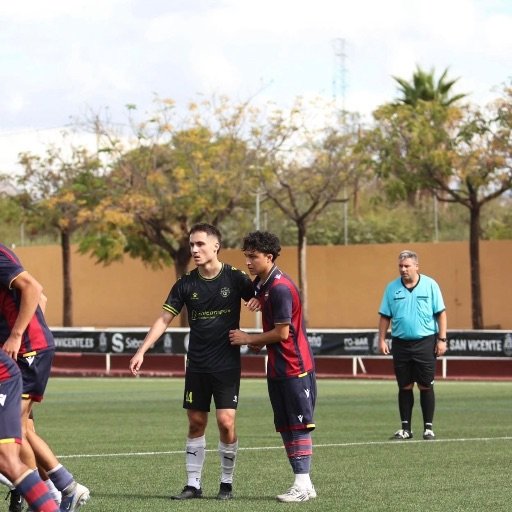
To stay accurate when the pressure is on, use a simple routine and practice it in situations that feel like real games. Each time, scan the keeper and defender, decide early how you want to finish, and then commit to your shot. Add pressure step by step, such as using a 2-second shot clock, having a defender chase you, or making the last attempt count for the win. Mental fatigue can hurt your shooting (points per shot and shot speed), so include scanning and decision-making in your finishing drills, not just clean technique (PubMed meta-analysis).
What Training Drills Improve Shooting In Football Most Effectively?
The most effective shooting drills are organized to help you build real skills. They get you ready to finish under real game conditions, including movement, timing, and pressure. Shooting randomly doesn’t help as much because you don’t repeat patterns, track your progress, or focus on fixing one thing at a time. As a result, you might keep making the same mistakes.
Here are five drills we practice often:
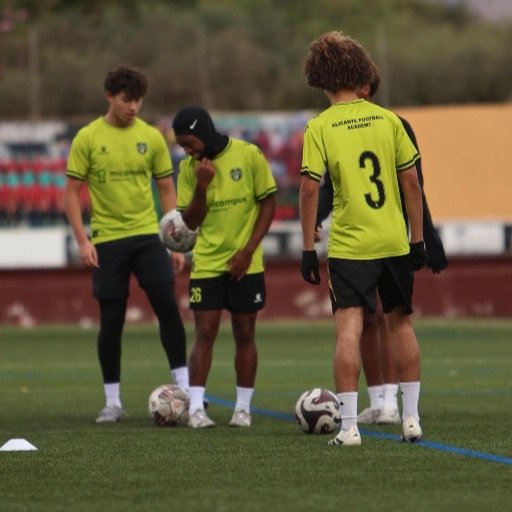
- Receive and finish (two-touch): Take your first touch to move the ball out from your feet, then use your second touch to score. To make it more challenging, try finishing with only one touch.
- Cutback finishing: The wide player passes the ball back, and the finisher arrives late to meet it. To make it harder, add a defender who is trying to recover.
- 1v1 decision finish: Create an angle and choose whether to shoot at the near post, far post, or chip over the keeper. To make it more difficult, start closer to the goal so you have less time to decide.
- Rebounds: The first shot is meant to be saved, and you try to score from the rebound. For an extra challenge, add a second ball right after the first shot.
- Weak-foot blocks: Do 15 to 20 repetitions, focusing on making clean contact with your weaker foot. To progress, add movement or try finishing with one touch.
If you want official session examples, the FA Boot Room “Set and shoot” is a good reference for finishing patterns (FA Boot Room – Set and Shoot). FIFA’s Training Centre also shares finishing exercises that focus on creating an angle before the strike (FIFA Training Centre – Create and Finish).
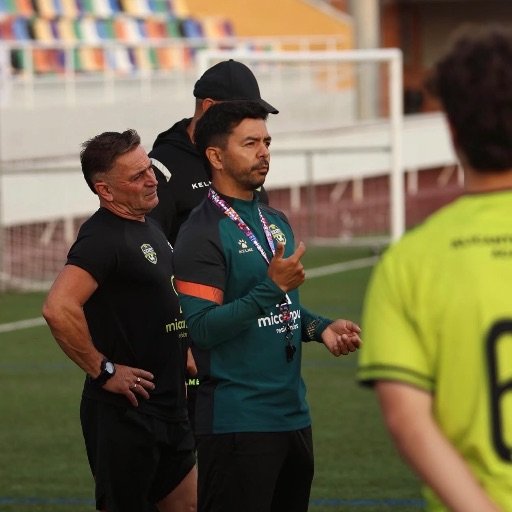
In our academy sessions, we stand out by giving feedback right away. We make sure you don’t keep making the same mistake for weeks. Our coaches help you adjust things like your plant foot, body angle, and first touch so you improve your finishing in the same session. If you want to get better at shooting faster, you can join our academy and learn directly from our coaches in a high-level training environment.
BUILD A FINISHING ROUTINE YOU CAN FOLLOW THIS WEEK
If you’re training alone or with a friend, our finishing drills guide gives you clear sessions and progressions. Use it alongside this article to structure your week.
See the finishing drills guide
Which Shooting Drill Progressions Match Each Skill Level?
Progressions help you avoid bad habits. Start with the basics and move on to faster drills as you get better.
Beginner
- Practice finishing while the ball is still.
- Work on receiving the ball and finishing using two touches.
- Focus on aiming your shots into the low corners with your weaker foot.
Intermediate
- Practice finishing after you dribble or change direction.
- Work on finishing from cutbacks and time your runs well.
- Practice finishing with your first touch when you get a square pass.
Advanced
- Try 1v1 situations against the keeper with a defender recovering.
- Practice rebound sequences, finishing the first shot and then going for the second ball.
- Play small-sided games where you have to finish under certain rules.
Common shooting problems and quick fixes
| What you notice | What it usually means | Quick cue |
|---|---|---|
| Ball flies over | Leaning back / lifting head | Chest over the ball |
| Shots keep going wide | Plant foot / hips misaligned | Plant toes at target |
| Shot feels weak | Loose ankle / poor contact | Lock it and strike through |
| Needs too many touches | Poor first touch / late scan | Touch into your shooting lane |
| Training good, matches poor | Not enough pressure work | Same technique, less time |
How Do Game-Based Shooting Drills Improve Match Finishing?
Game-based drills reflect real scoring patterns. According to FIFA’s technical analysis of the FIFA U-20 Women’s World Cup 2024, attempts inside the penalty area increased from 52.1% to 56.5%, and 22.6% of goals came from open-play crosses. This shows the importance of practicing arriving finishes and cutbacks. UEFA found a similar trend: crosses and cutbacks accounted for 29.3% of goals in the 2019/20 Champions League.
To help players make better decisions under pressure, set clear rules that make them look up, choose, and commit to their actions. Remind them to avoid weak or hesitant shots.
How Does Shot Power Affect Soccer Shooting Performance?
Power helps because it gives the goalkeeper less time to react, but it only counts if your shot is on target.
To get more power, use your whole body:
- Stable plant foot
- Hip rotation
- Fast swing
- Locked ankle
- Clean contact
A good rule is to use 80% power and aim for a corner, rather than using full power and aiming anywhere else.
If you want more power without losing accuracy, keep your technique the same and slowly increase your speed. Don’t change your strike just to try to hit it harder.
How Does Body Positioning Influence Shooting Accuracy?
The way you position your body changes how the ball moves. Even if your swing is good, you can lose accuracy if your torso and hips are not lined up.
Try these three tips to solve most common problems:
- Put your plant foot close to the ball.
- Keep your chest over the ball when you want to hit a strong, low shot.
- Use your arms to stay balanced and avoid leaning to the side.
Researchers have studied where to put your support foot. One study on instep kicking found that ball speed and accuracy got better when the support foot was next to or just in front of the ball’s center, with a small gap to the side (about 27-37 cm).
CHECK PROGRAMME OPTIONS AND FEES
Some players need one month. Others need a full season. Compare timeframes and what’s included so you can plan properly before you commit.
View pricing
Why Is Ball Control Essential Before Shooting?
Ball control links your skills to real chances during a match. A strong first touch gives you more time, better balance, and a clearer shot, so you can finish calmly. To get better, practise receiving passes from different directions, take your first touch into open space, and then shoot at a target, aiming for the low corners. If you only practise shooting from a stationary ball, games will always feel harder than training.
What Factors Contribute To Shooting Accuracy In Sports?
Accuracy relies on your mechanics, how you see the game, and how well you handle pressure.
These are the key factors to focus on:
- Your technique matters, especially where you place your plant foot, how you strike the ball, and keeping your balance.
- Good decision-making is important, like knowing the right moment and place to finish.
- Training under pressure helps, such as practicing with time limits, facing defenders, and thinking about the score.
- Managing fatigue is key, especially when you need to finish strong late in the game.
- Using the same equipment each time can help you stay consistent.
The ball you use also matters. According to IFAB’s Laws of the Game, a match ball must be 68 to 70 cm in circumference and weigh between 410 and 450 grams.
TEST YOUR FINISHING IN A SERIOUS CAMP ENVIRONMENT
A camp is a fast way to feel the training intensity and see how your shooting holds up under pressure. Our camps run year-round in a real academy environment.
Explore our camps