How To Become A Football Scout For College And Club Careers
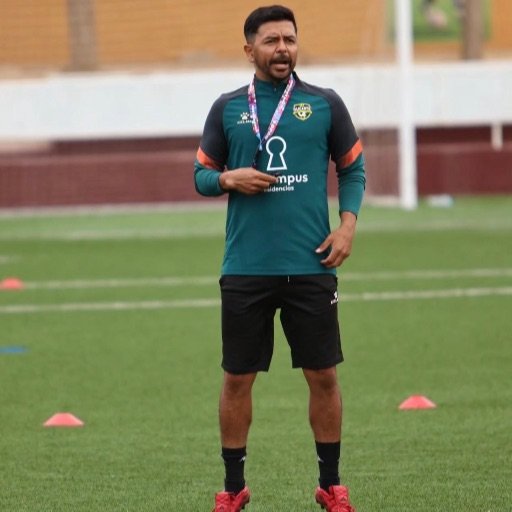
Many professional players begin their careers when a scout notices their talent. Scouting combines intuition, analysis and football expertise.
At Alicante Football Academy, we work with scouts from clubs in Spain and across Europe. They regularly attend our training sessions and matches to look for new talent. We’ve collaborated directly with over 25 scouts from top divisions in Spain. This gives us a good understanding of what scouting is all about, including the skills and mindset you need to succeed.
In this guide, we explain how to become a football scout, which courses and qualifications matter, how talent identification works and what salary and opportunities you can expect in this exciting career.
How To Become A Footballer Without An Academy? Train Smart, Join Clubs, And Go Pro
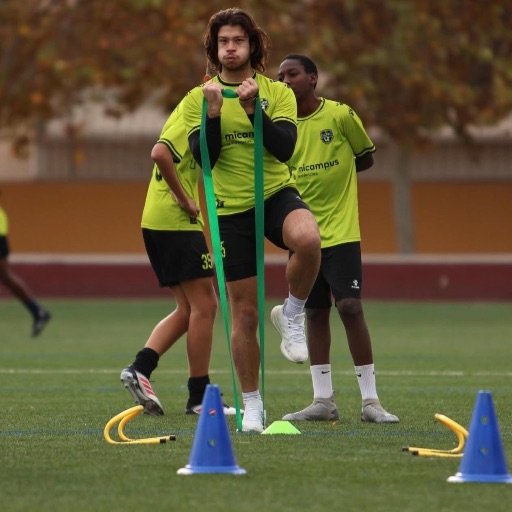
If you haven’t joined a big club academy but still dream of playing professional football, you’re not the only one. Every year, we meet players who started late, weren’t picked early or come from places with a poor football background and they still want a real chance.
You don’t need to play for a famous club to start your football career. What matters most is:
- Having a clear plan.
- Playing in competitive matches where you can show your skills.
- People with real contacts in football for when you are ready to get trials.
In Alicante Football Academy, we work with players with these profiles. Like late starters, those who haven’t joined clubs or players with limited local options. We’ve seen that with the right training, club choices and football network, you can turn a lack of opportunities into real trials and chances.
This guide will show you the same steps we use with our players, how to train, which clubs to target, how to get ready for trials and how to market yourself so coaches and scouts notice you.
How Do Football Scouts Contact You? Get Noticed And Invited Fast

We work closely with professional scouts from LaLiga, Premier League Youth Programs and semi pro clubs throughout Europe. The insights shared here are based on our real experience from helping players get noticed, contacted and invited to official trials.
To get noticed by football scouts, you need more than talent. You have to stand out, act professionally and be prepared for any opportunity. Scouts often work with clubs, watch matches and only contact players through official channels, a process we see daily when our academy players are evaluated by visiting scouts and recruiters. Whether you play for a local team or an academy, understanding how scouts reach out and how to reply can help you get a trial instead of missing out.
What Do Football Scouts Look For In 11 Year Olds To Stand Out?
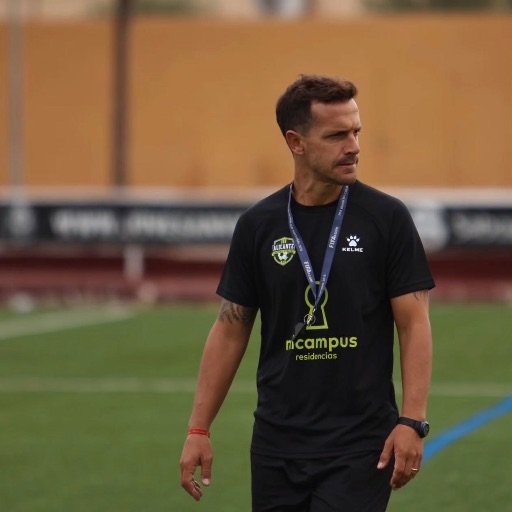
When a player turns 11, football begins to feel more serious. You start hearing about academy trials. Other parents talk about scouts watching from the sidelines and it can seem like your child’s dream now has a deadline.
The problem is, most families are just guessing. One coach says your child needs to be stronger. Another says they need more skills. Someone else might say they’re too small and shouldn’t try yet. With all these opinions, it’s tough to know what scouts actually want at this age.
This confusion can lead to real problems. Kids might be pushed into extra fitness sessions before they’ve learned the basics. Parents sometimes spend money on the wrong camps or trials. Smaller players or late developers may feel left out, even though scouts know that growth and confidence can change a lot between ages.
At Alicante Football Academy, we help players who want to get noticed by scouts or get ready for future trials. We see what scouts like, what they question and what makes the pass on a player. We also know how important it is to keep football fun and healthy, not just stressful.
In this guide, we’ll explain what scouts look for in 11 year olds, like first touch, game sense, body language, resilience and family support. We’ll help you spot the qualities in your child, train smarter and show how we support players at Alicante Football Academy with real, step by step development plans instead of empty promises.
What Do Football Scouts Look For In 7 Year Olds To Get Scouted Early?

If your 7 year old loves football, you may wonder if others see their talent as well. Maybe they spend hours dribbling in the garden or their coach says they’re really good for their age. Then you hear about another child getting a trial and you begin to ask yourself:
- What are football scouts actually looking for in 7 year olds?
- Are we doing enough to help our child get noticed?
- Is there a right age to be scouted or is 7 too early?
-
Most parents only see the end result, a scout talking to a coach on the sidelines or a message about trial. What you don’t see are the years of small details scouts notice before that conversation. Without this background, it’s easy to focus on the wrong things, like goals, size or winning every weekend and miss what really matters.
At Alicante Football Academy, we work with families who are in this exact situation. Some 7 year olds are ready for more challenges, while others just need time, fun and the right practice to develop. We also know how confusing it is for parents when one coach says, your child needs to be stronger, another says that they are too small and a third says don’t worry, it’s too early anyway.
In this guide, we’ll explain what scouts look for at 7 years old, how the early scouting process works and how you can support your child in a healthy way. We’ll also show how we assess young players and create practical, age appropriate plans instead of making unrealistic promises.
What Qualifications Do You Need To Be A Footballer And Build A Successful Future?

Becoming a professional footballer takes more than just talent. Many dream of playing for a top club but not everyone knows what it really takes. You have to work on your skills, stay in shape and build mental strength and professionalism. Dedication and support are also important. We’ll explain everything you need, including skills, education, career paths and official requirements.