Key Takeaways
- There is no single "best" academy for all players, but rather the one that best suits their individual career path.
- The rankings depend on the data used (minutes played, league level, players produced, transfer value).
- The best academies in Europe win thanks to their systems, not thanks to a single outstanding generation.
- The structure of the tests is important: training, matches and a real evaluation are needed, not just a "camp".
- The protection and well-being of players must be non-negotiable, especially for those under 18 years of age.
Table of Contents
Best Football Academy In Europe
If you’re looking for a clear answer, here’s the truth:
The best football academy in Europe is the one that consistently develops players for top-level football and gives them a real chance to make it.
So, we look at two main things:
- Player production is about how many academy-trained players are actually playing in strong leagues and getting real minutes on the field.
- Development value shows how well an academy turns talent into players that clubs want to invest in.
Here’s a quick note about rankings, so there’s no confusion:
Many websites rank academies by reputation. That can be helpful, but it’s not the whole story. The best data-driven rankings use clear measures like minutes played, league level, and the number of academy-trained players (for example, studies like CIES Football Observatory’s training index).
Before we get to the shortlist, there are two key things that most “best academy” lists overlook. Not all academies operate the same way, and Europe has more than one development system.
Club-run academies such as Ajax, Benfica, and Barça aim to develop players for their own teams or to sell them. Players stick to a weekly routine, play games, and learn a specific playing style. The clubs also control how much players play and handle their contracts.
National or federation programs look for talent and help players grow through training centers, camps, and youth national teams. These programs can help players get noticed and improve, but they usually do not replace the regular club setting where most careers are built.
There are also clear trends based on location. In Portugal and Spain, players often move quickly through B teams, loans, and transfers. The Netherlands uses a very organized, model-based system. In France, the federation’s talent identification works alongside strong club academies. Smaller leagues like Croatia are skilled at quickly developing players who move up fast. In England, there are plenty of resources, but competition is tough, so breaking through often depends on timing and loan chances.
This list highlights some of the top football academies in Europe. They were selected for their strong player development, effective training programs, and clear paths to senior football. The academies appear in no particular order.
SL Benfica (Portugal)
Benfica regularly produces many academy players. In a CIES study of the top 100 academies, Benfica ranked first with 93 trained players active in the leagues studied, and those players also played significant minutes on the field.
Benfica also leads the list of most profitable academies, earning €516 million from academy-transfer revenues over ten years. This shows their strength in developing players and creating market value.
FC Barcelona (Spain)
Barcelona’s academy remains highly respected. In the same CIES ranking, Barcelona placed second, with 76 trained players active in the leagues studied and a high average of minutes played.
Clubs like this stand out because they have a clear identity. They develop players to fit a specific playing style, not just to highlight individual talent.
Sporting CP (Portugal)
Sporting is often listed among the best because they regularly rank high on player production lists. In a CIES ranking of training clubs, Sporting was among the top for the number of trained players active in major leagues.
They are also in the top ten for most profitable academies, which usually means the club has strong development standards and a clear path for players.
AFC Ajax (Netherlands)
Ajax is a good example of a club where the academy is not just for appearances. It is the core of their system.
In the CIES ‘training clubs’ ranking, Ajax was first with 86 trained players active in the leagues studied in that edition. They also ranked highest in the weighted index for sporting level.
Ajax is also second on the most profitable academies list, earning €376 million.
Real Madrid (Spain)
Real Madrid might not be the first club people think of for academy production because of their superstar signings, but they still appear in data-based rankings.
In the CIES training-club analysis for players active in Europe’s ‘big-5’ leagues, Real Madrid ranked first for the number of trained players in that group.
They are also fourth on the most profitable academies list.
READY TO TRAIN IN A PROFESSIONAL FOOTBALL ENVIRONMENT?
If you want structured training, competitive matches, and honest feedback, the next step is an application. We’ll review your details and explain the process clearly.
Apply to join
Dinamo Zagreb (Croatia)
If you want to see a smaller market academy that still competes with the giants, Dinamo Zagreb is a great example.
CIES included Dinamo Zagreb in the global top 10 academies in the referenced edition, which is impressive for a club from a smaller domestic league.
They also hold top positions in weighted training-club rankings.
Olympique Lyonnais (France)
Lyon has a long reputation for player development, and the numbers support this. They are third on the most profitable academies list, with €370 million in academy-transfer revenues over ten years.
This kind of result usually shows a strong mix of recruitment, player development, and first-team opportunities.
AS Monaco (France)
Monaco often focuses on developing and selling high-value talent. They are sixth on the profitable academies list, with much of that coming from the Mbappé transfer.
For players, clubs like this often offer a quick path forward if they can break through.
Atalanta (Italy)
Atalanta is a modern example of a club that turns player development into real performance and value.
They are tenth on the most profitable academies list.
This is often due to a clear coaching structure and a strong transition into senior football.
Chelsea / Tottenham / Manchester City (England)
English academies are often very strong, but the path to the first team can be complicated because of competition and large squad sizes.
Three English clubs, Chelsea, Tottenham, and Manchester City, are in the top ten most profitable academies.
This does not always mean these academies are the best fit for everyone, but it does show they create real value and produce players who succeed in the market.
What we’ve learned about being the “best” from working with players. When players join us in Spain, we usually see one of two situations:
- Some have trained in a good environment but have not played many matches, so they are unsure about what to do next.
- Others have trained a lot but have not received professional feedback, so they are not sure what to work on.
Each week, we focus on how players make decisions during matches, how coachable they are, and how well they adjust to intensity and tactics. The players who improve the fastest are not always the most “gifted.” They are the ones who listen to feedback and use it when the pressure is on.
How To Judge The Best Football Academies In Europe
To make a good decision, pay attention to real evidence rather than just the club’s badge.
Before choosing, look at the coaching quality and setup, the support and facilities, the match schedule and level of competition, a clear path for development, welfare and safety (especially for under-18s), and real signs that players progress, such as playing time, moving up levels, or getting contracts.
If you are a parent, read the safeguarding guidelines from a major federation. For example, the English FA outlines what parents should expect from clubs, such as policies, welfare officers, background checks, and safeguarding training.
| What you’re checking | What “good” looks like | Red flag |
|---|---|---|
| Training quality | Clear weekly plan, coaching feedback, positional detail | Random sessions, no individual feedback |
| Coaching level | Qualified coaches, consistent methodology, clear roles | “Guest coaches”, vague standards |
| Infrastructure & support |
Good pitches, gym/S&C access, physio/medical support, video/analysis basics |
“We train wherever”, no support staff |
| Matches & minutes | Competitive matches or structured friendlies with purpose + real minutes | “Matches when we can” or unclear opponents |
| Competition level |
Named leagues/opponents, age-appropriate level, track record vs strong teams |
Only easy games, opponents not disclosed |
| Pathway | Transparent next steps (trials, clubs, exposure, scouting) | Vague promises like “you’ll go pro” |
| Development tracking | Player plan + KPIs, reviews every 4–6 weeks, clips + written feedback | “Good session” with no tracking |
| Environment | Performance standards + player welfare (support, routines, accountability) | Pressure without support |
| Safeguarding | Clear policy, welfare officer/responsible adults, safe communication | Private DMs from “scouts”, unclear supervision |
| Proof (outcomes) |
Academy-trained players with real minutes, clear levels reached, contracts, and 3–5 year outcomes (who stayed pro, who progressed) |
Only testimonials, no evidence |
Which Is The Best Football Academy In Europe By Year?
Many people overlook how important this is.
Academy rankings change every year because the reasons behind them also change. Sometimes a club has a talented group of young players, known as a “golden cohort,” who increase minutes, transfers, and the number of academy-trained players in top leagues. The next year, those players may have left, and the next group might be smaller, so the ranking falls even if the academy is still excellent.
Opportunities also depend on the club’s situation. The first-team manager’s attitude toward young players, the club’s transfer plans, and league or squad rules all influence how many young players get time on the field.
Different rankings also focus on different things. One list might highlight players trained and playing in top leagues, while another might look at minutes played, league level, and the number of trained players. This is why Ajax might lead one ranking and Benfica another.
When looking at any yearly list, it’s best to check the method first and then look at the names.
CHECK PROGRAMME OPTIONS AND PRICING
Different timeframes suit different players. Compare short stays, camps, and longer programmes, so you can choose what fits your level and goals.
View pricing
Which Is The Best Soccer Academy In The World Compared To Europe?
Europe has many top academies, but it’s worth looking at the bigger picture. According to the CIES training-index ranking, Benfica, Barcelona, and River Plate were the top three, and some South American clubs also made the top 10. So, it’s not really fair to say that “Europe is everything.”
The biggest difference is the environment. In South America, clubs develop top talent by giving players first-team experience earlier and following a strong “sell-to-grow” approach. In Europe, the leagues are stronger, budgets are bigger, and there are more scouts, so the path to top-level football is more centralized. That’s why many of the best young players still move to Europe.
Europe often offers these advantages:
- A more structured path for players, starting in youth teams, then moving to B teams or U23 squads, and finally to senior teams
- Better scouting and More chances to move between leagues, including loans, transfers, and opportunities in other countries opportunities
- Your goal shouldn’t just be to earn a badge. Instead, look for a place where your next step is realistic and you can measure your progress.
How Do World Rankings Of Football Academies Work?
Rankings can be helpful if you know how they work, but they might lead you astray if you don’t.
There are two main types of rankings. Media lists often highlight reputation, well-known names, and stories, but they rarely explain how they weigh these factors. Data-based rankings use clear metrics, such as minutes played, league level, number of academy-trained players, and transfer value, and they make their methods clear.
Two common types of data-based rankings are explained below:
- Training index or player production measures how many “trained” players are active, the level at which they play, and the number of minutes they get. In the CIES methodology, a “training club” is usually the first club a player spent at least 3 years at between ages 15 and 21.
- Rankings of the most profitable academies focus on the transfer revenue earned from players developed at the club, usually those who spent three or more seasons there between ages 15 and 21.
In summary, media lists highlight fame, while data rankings show measurable results. Always check how the rankings are made before you trust their order.
Which Soccer Clubs Have The Best Academies?
European club academies succeed in part because clubs are rewarded for developing their own players. In UEFA competitions, teams must reserve spots for locally trained players, which means those who spent several seasons at the same club between ages 15 and 21. As a result, youth development becomes a real competitive advantage, not just a charitable effort.
This system also encourages clubs to bring academy players into their senior teams. When teams must reserve spots for locally trained players, academy graduates become important first-team members because they help clubs follow the rules and stay competitive. Top clubs do more than just train young players. They give them first-team experience, playing time in cup matches, minutes with B teams or on loan, and a clear path to promotion.
What Are The Best Football Schools And Training Academies In The World?
The terms “football school” and “football academy” can mean different things, so it helps to separate clubs from schools. A club academy connects to a professional club, with players moving from youth teams to reserves and then to the first team. A football school or private academy is independent and usually focuses on developing players and giving them exposure through matches, trials, and connections. In a boarding-school model, education and football are combined in one daily routine.
There are different ways to become a footballer, depending on where you live. In Europe, most players come up through club systems, while some countries also use federation or training center programs to find talent. In the US, the “student-athlete” path links football with education and scholarships.
Entry requirements are usually simple. Players should be the right age and skill level, send a short video or take an assessment, be medically fit to train, and commit to the weekly schedule. Non-EU players also need the right documents for their stay.
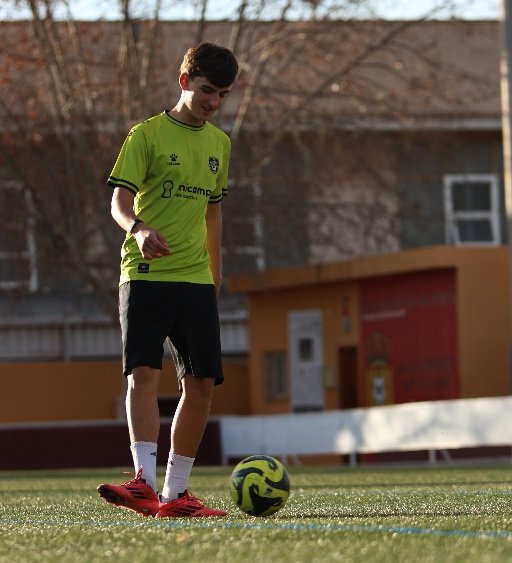
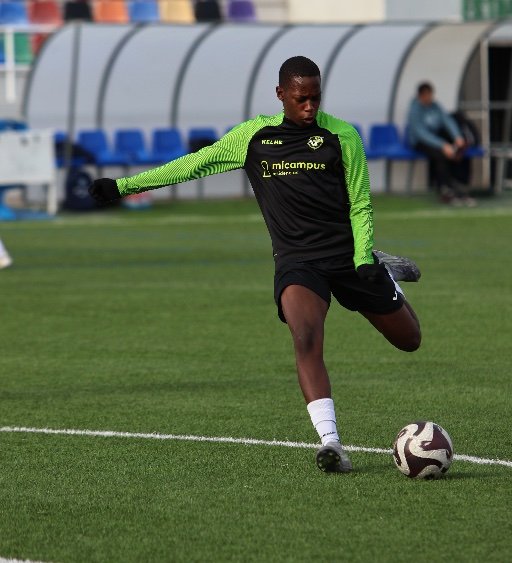
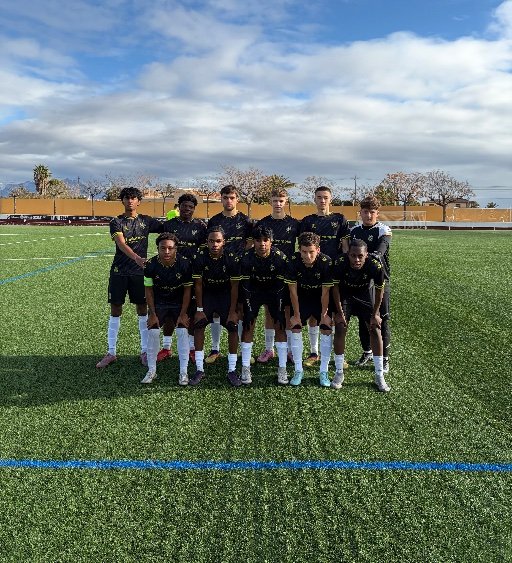
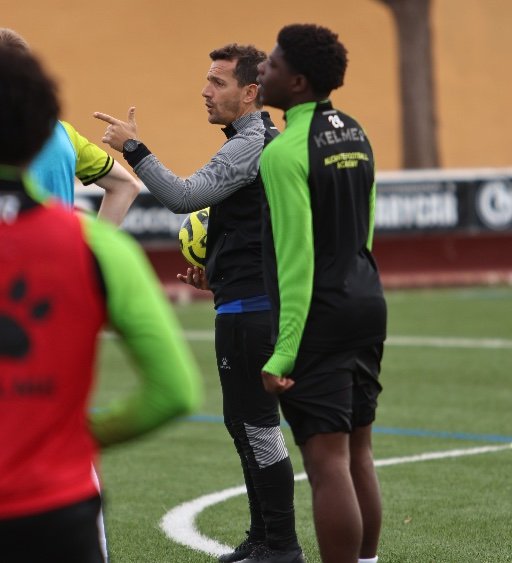
At Alicante Football Academy, we give international players a full professional experience in Spain. Our program includes structured training with real coaching feedback, a match schedule, and clear opportunities for exposure and trials with Spanish clubs. Players follow a steady routine, so their development is consistent, measurable, and always focused on the next step.
NEED A REALISTIC TRIAL PLAN IN SPAIN?
Trials should not feel random. Learn what a serious trial week looks like, what you should prepare, and how we structure exposure in Spain.
Explore our trials
Which Named Academies Dominate European Football Development?
Many academies build their reputation on a clear philosophy. When everyone from youth teams to the first team follows the same approach, players develop faster, coaches work together better, and the path to the top is easier to understand.
FC Barcelona (Spain)
Barcelona’s style focuses on keeping possession. Players are taught to read space, hold the ball under pressure, and make quick decisions in tight areas. This helps the team control the game by staying on the ball.
AFC Ajax (Netherlands)
Ajax teaches positional football. Players improve their technique, learn to scan the field, and understand their roles. This helps them adjust to more complex tactics and different styles of play.
RB Salzburg / Red Bull model (Austria/Germany)
The Red Bull model focuses on high intensity. Players learn to press, win the ball back, move forward quickly, and repeat fast actions with discipline. This approach fits the fast, aggressive style of modern football.
Atalanta (Italy)
Atalanta’s academy mixes physical intensity with strong tactical organization. It is known for tough challenges, clear roles, and a demanding style that often helps players succeed at the senior level.
SL Benfica / Sporting CP (Portugal)
Benfica and Sporting CP develop players for their own senior teams and for the wider football market. They provide a strong structure, clear steps to senior football, and often produce players who move to top leagues.
How Do Analysts Rank Soccer Academies In Europe?
Analysts usually rank academies by looking at measurable factors like these:
- Minutes played by academy-trained players
- League level and strength of those minutes
- Number of academy-trained players active in top leagues
- Transfer value or transfer income linked to developed players
The most important thing to look at is which leagues are included. Rankings can change a lot depending on which leagues are counted and how much each one matters. For example, some rankings use only the top five leagues, while others include all European leagues or several divisions. That’s why two trustworthy rankings can have different winners.
So, when you look at a ranking list, consider these questions:
- What leagues are included, and how are they weighted?
- What time period does it measure?
- What qualifies as “academy trained”?
- Is it based on minutes or just appearances?
- Does it separate academy talent from players signed as established seniors?
PRESENT YOURSELF LIKE A SERIOUS PLAYER
Talent is easier to spot when your video and information are clear. Use this guide to understand how scouts typically reach out and how to reply professionally.
Which Country Has The Best Football Academy System Overall?
This question comes up a lot, but it’s not always asked in the best way. A country doesn’t have a single “academy system.” Instead, it has an ecosystem that includes federation rules, club culture, coach education, youth competitions, and player movement.
Federations play a key role by setting the basics, such as coaching licenses, youth formats, registration rules, safeguarding standards, and talent identification pathways. Clubs then build on this by training players every day and giving them opportunities to join senior teams.
Let’s compare a few countries. Spain is famous for technical football and offers many competitive levels. Portugal is skilled at quickly developing and exporting professional players. The Netherlands uses a very structured, model-based system. France combines strong national talent identification with deep club networks. England has plenty of resources, but its pathways are crowded, making it harder for young players to get early playing time.
Sustainability means what remains strong after a country’s “golden generation” of players is gone. This includes steady coach education, stable competitions, clear paths from youth to senior teams, player protection, and a development model that financially rewards clubs.