

Key Takeaways
- Performance beats papers: clubs value skill, attitude and potential over certificates.
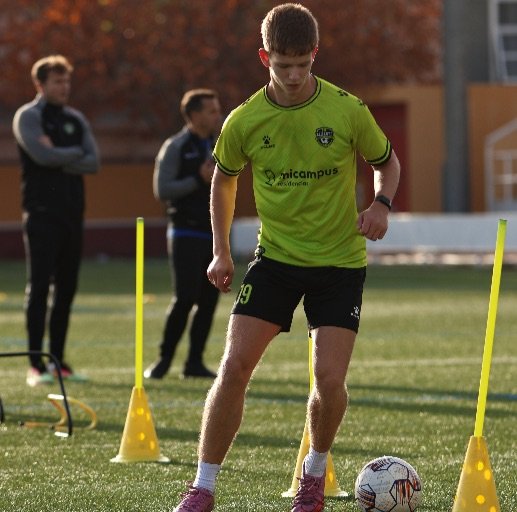
- Train Smart by working on your technique, strength and mental toughness.
- Think about your next step, whether that's joining a local club, an academy or a university program.
- Be ready to pass medical exams, follow the rules and act professionally at all times.
- Adopt healthy habits: eat well, get enough rest and stay hydrated.
Table of Contents
What Qualifications Do You Need To Be A Footballer?
People think that footballers need academic qualifications, but clubs look for performance, potential and professionalism.
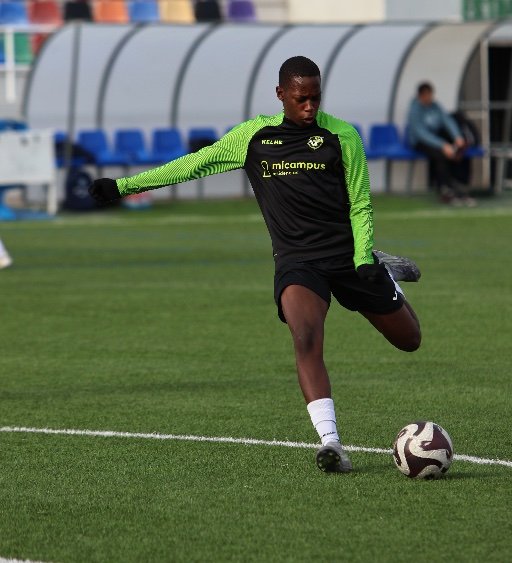
Technical skills like first touch, passing, dribbling, finishing and positioning are essential. A good footballer uses both feet, makes quick decisions and maintains the game rhythm. These qualities can be developed with consistent training and effort.
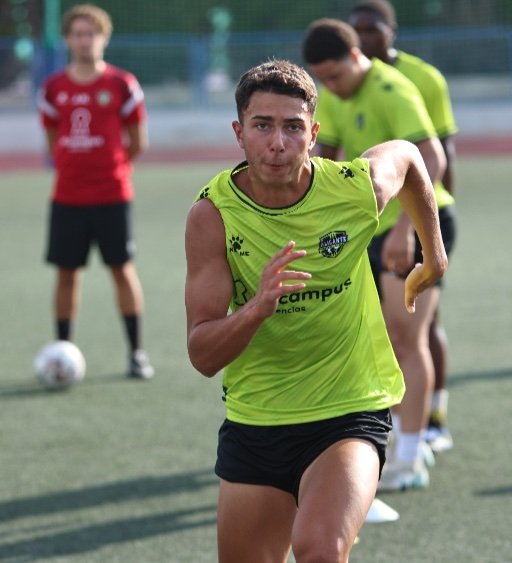
Speed, endurance and strength are extremely important at higher levels. Football fitness comes from specific training such as agility drills, sprints and recovery exercises to build stamina.
Talent means little without proper discipline. Coaches and scouts value punctuality, respect, humility, hard work and focus. These attributes can lead to success in the football world.
Skills alone don’t guarantee success, and in 2026 clubs are still judging players just as heavily on consistency, professionalism, and how they handle real match demands. Clubs value real match experience in competitive leagues, which develops maturity and mental toughness on the field.
At Alicante Football Academy, our UEFA-PRO licensed coaches check each player’s progress every week through match analysis and physical tests. They use technical drills, monitor intensity and collect feedback on player wellness. As our Sporting Director Alberto Rubio often says, “ We’re not judging you on day one, we’re judging how much you grow by day thirty.”
In football, qualifications go beyond certificates. They include performance in matches.
- Selection by academies or clubs
- Medical and safeguarding checks required by federations
Every academy and club has its own criteria. Some require a friendly match, while others decide based on training. What matters most is growth, consistency and adaptability.
What Is Required To Become A Professional Footballer?
Becoming a professional football player means meeting legal, physical and contractual requirements. Playing well is important, but is only a little part of the process.
National laws and association rules set the minimum age for first professional contracts, which is usually 16 or 17, depending on the country. FIFA also limits player contracts to a maximum of 3 years for players under 18 and restricts international transfers. Under 18 contracts require parental consent and are limited in duration. To represent a player, an agent must be FIFA licensed.
Most national associations have two official transfer windows when players can register or change clubs. According to FIFA regulations you can only be registered to only one club at a time and play official matches for a maximum of two clubs per season.
Before signing with a club, players need to complete medical checks. These usually include:
- Heart and cardiovascular tests
- Joint and muscle assessments
- Injury history review
Getting medical clearance helps keep players safe and is required by the federation before you can register.
Once you pass the medical checks, you will take fitness tests to measure things like speed, agility, endurance and recovery. After that the club will register you, give you an orientation in the facilities, provide you with match and training kits and officially welcome you to the team.
READY FOR A PROFESSIONAL FOOTBALL ENVIRONMENT?
If you’re at the stage where you want structured training, matches and honest feedback, the next step is an application. We’ll review your details and explain the process.
Apply to join
Educational And Training Pathways To Become A Footballer
There are many ways to become a professional footballer. The key is to pick the path that matches where you are right now in your process.
Local clubs are great for those who are just starting out. They help you build basic skills and get real game experience. Moving up can be tough since scouts and top level matches are not common in those levels.
Professional academies, like ours, offer a well organized structure, expert coaching and games against strong teams. Players train full time, live on site and have their meals provided. The players also get trials and meet agents, which opens doors to professional football.
Private technification programs are great if you want to improve quickly or get ready for a trial. They help you work on specific skills before an important chance comes up.
Choosing the right path is essential, it depends on:
- Age and experience level
- Geographical location
- Financial resources
If you are under 16, focus on building your skills. If you are 16 or older, start looking for trials or consider joining a professional academy like ours.
Education can play a big role and part of becoming a professional footballer. The players who can balance their studies with football can reach both their academic and athletic goals. While college and university programs may not be as demanding as professional academies, they still help students grow, build discipline and become mentally stronger. These skills are much needed both on the field and in daily life. It helps players prepare for life after football by teaching valuable skills and opening up career options in coaching or management in different sports fields. We understand the value education provides and for that reason we have partnered up with schools and universities to support players as they continue their education alongside their football careers.
Here’s a quick comparison of the main football development pathways to help you choose the right one:
| Local Club | Beginners and young players starting their journey | Builds foundational skills and real match experience | Limited visibility from scouts and fewer professional connections |
| Professional Academy | Players aiming for a professional career | Full-time coaching, structured environment, matches against elite teams, exposure to scouts | Requires commitment, relocation, and often higher costs |
| University or College Program | Student-athletes wanting to combine education and sport | Provides academic qualifications alongside training, builds discipline and life balance | Competitive level may be lower than top academies |
| Private Technification Program | Players preparing for trials or improving quickly | Focused skill development and personalized coaching | Short-term focus; lacks long-term team environment |
How Do Football Apprenticeships Work
Football apprenticeships give young players a pathway from youth teams to the professional level. These are meant for 16 to 18 year olds. The programs combine training, education and important life skills.
During the apprenticeship years the players are expected to:
- Train daily
- Maintain discipline on and off the pitch
- Attend classes
- Show professionalism
Most apprentices train four to six days a week and usually play one official match a week. The sessions include:
- 3-4 technical/tactical sessions
- 2 strength and conditioning sessions
- 1 recovery or analysis session
The clubs usually check players progress by looking at match statistics, individual reports and end of season reviews.
CHECK PROGRAMME OPTIONS AND PRICING
Different timeframes suit different players. Short stays, camps and longer programmes. Compare options and what’s included before you make a decision.
View pricing
What Skills Do You Need To Become A Footballer?
To succeed in football, first focus on perfecting the essentials like first touch, passing, dribbling, finishing and positional play. These help you turn your potential into steady performance.
Your first touch controls the rhythm of your play, a quick touch gives you time and space to make your next move.
Passing connects you with your teammates. Short passes help keep control while long passes can change the flow of the game.
Good dribbling is more about the effectiveness of going through your opponent rather than flashy tricks.
To finish well, stay calm and aim carefully. Prioritize precision over power.
Positional play is one of the most important aspects of the game, knowing where to be on the field matters as much as your technical skills.
After perfecting the essentials we can move onto decision making, scanning/awareness and tactical understanding. These skills come with game experience rather than training and practicing.
Always scan your surroundings before getting the ball, top players always look around them. If you can read the game well, you’ll adapt to any system quickly.
Football moves quickly, so fast decision making is vital. You only get a few seconds to decide what to do.
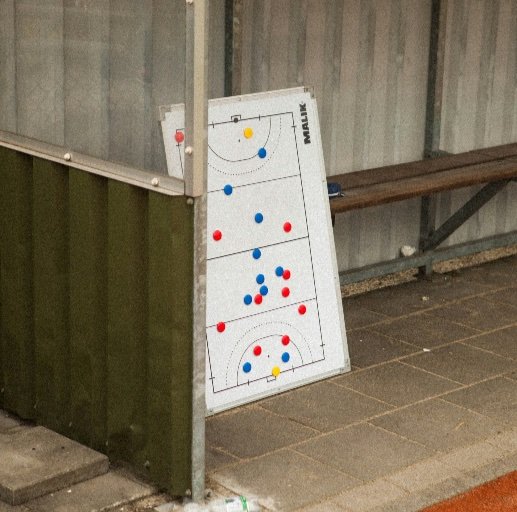
Tactical understanding is about knowing when to press, when to pass and when to slow things down.
Essential Skills And Attributes
To stand out a player needs:
- Consistency in training
- High work rate
- Coachability and being professional
- Awareness of tactical instructions
Physical Standards For Footballers
To play at professional level, footballers must maintain a strong overall conditioning and physical control. These include:
- Endurance
- Speed and acceleration
- Strength and power
- Agility and coordination
- Flexibility and mobility
- Recovery and injury prevention
Mental Requirements
To reach and maintain professional level, footballers must develop strong mental qualities. The most important include:
- Confidence
- Concentration
- Resilience
- Composure
- Discipline
- Adaptability
- Growth Mindset
The following table summarizes the core skill categories every player should develop and why they matter:
| Technical | Passing, Dribbling, Finishing, First Touch | Determines your ability to control the ball and impact the game directly |
| Physical | Speed, Strength, Endurance, Agility | Affects your performance intensity and recovery during matches |
| Tactical | Positioning, Decision-Making, Awareness | Helps you read the game, adapt to systems and support teammates effectively |
| Mental | Confidence, Focus, Resilience, Composure | Keeps your performance stable under pressure and during challenges |
| Professionalism | Discipline, Coachability, Teamwork | Builds trust with coaches and scouts, showing readiness for higher levels |
What Are The Restrictions When Becoming A Footballer?
Anyone who wants to play football officially needs to follow a few important rules.
Players need to sign up with their country’s football federation before they are eligible in official matches.
Players can only move to a new club during specific periods known as transfer windows.
There are strict rules to protect young players, especially minors and make sure they are safe and well cared for.
Before training or playing, players need to get a medical check up, as required by their federation’s licensing rules.
Players are expected to behave professionally, not just during games but in their everyday lives too.

How To Maintain A Healthy Lifestyle As A Footballer So That You Get Qualified
If you really want to improve as a footballer, healthy living is important. Eating a mix of lean proteins, complex carbs and healthy fats gives you energy for training and recovery. Drinking enough water helps you stay hydrated during practice and games. Getting good sleep lets your body recover and get stronger after tough sessions. Stretching, working on mobility and using tools like foam rollers or ice baths can help you prevent injuries. Most importantly, pay attention to your body and balance your training so you keep making progress without burning out.
At Alicante Football Academy, we work with players to build these habits every day. This way, you not only train like a professional but you also live like one.
What Are The Age Restrictions To Qualify As A Footballer?
Players can start their football journey in professional academies when they are as young as six or seven. At this stage, they begin building their technical skills and learning about the game. Most players join senior teams between the ages of seventeen and twenty, depending on their progress. FIFA rules limit international transfers for players under 18, except special situations like family moves, to keep young players safe. Youth competitions are grouped by age such as U12, U14, U19 and U19, before players move up to senior football.
We welcome players starting at sixteen. This is a great time to prepare for professional opportunities while growing in a supportive, structured environment that encourages both football skills and personal development.
PRESENT YOURSELF LIKE A SERIOUS PLAYER
Even talented players get ignored if their video and information are unclear. This guide shows how scouts typically reach out and how to reply professionally.
Read the scouting contact guide
The Importance Of Education For Post-Football Life
A football career doesn’t always go as planned. Injuries, tough competition or getting older can bring it to an early end. That’s why having an education matters for life after football. Learning about sports management, coaching or business helps players prepare for new careers when their playing days end.
We encourage all our players to continue their education while they train with us. One of our former academy players, Prajval, earned his coaching license during his time at Alicante Football Academy and went to coach the Indian Women’s National Team. A perfect example of how education and football development can go hand in hand. Many of our graduates have followed similar paths, becoming coaches, analysts or agents after their professional careers.
Quick Self-Check: Are You Ready To Qualify As A Footballer?
Ask yourself these questions honestly:
Do you train at least four to five times per week?
Do you play competitive matches regularly?
Have you received professional feedback or scouting evaluations?
Are you physically prepared and medically cleared to perform at a high level?
Do you stay mentally strong and constantly work to improve?
If you answered yes to most of these, you are already on the right track. With the right support, you can make even faster progress. If you are not there yet on a few points, we are here to help you get there.
No one becomes a professional overnight, it takes time. When you build good habits, train wisely, keep learning and find mentors, you put yourself ahead of those who only dream of success.