
Key Takeaways
- The center backs protect the most dangerous areas of the field, mainly the center and the penalty area.
- Good centres prevent threats in advance by observing the field and positioning themselves well, rather than waiting to make tackles at the last second.
- Today's centres need to handle the ball well during build-up play, demonstrating good first touch and passing skills, even under pressure.
- Your role may vary depending on the team's system, such as playing in a four-man or three-man defense, or using a high defensive line or a low block.
- Set pieces are important, so centres must be strong in making the first contact and handling second balls.
- Consistency and leadership are the qualities that make a central defender someone the team can fully trust.
Table of Contents
Center Back Soccer
A CB, center back, or centre back, is the defender who plays in the middle of the back line. Your main job is to stop goals by protecting the central areas, defending the box, and tracking strikers and runners.
If your team uses a back four, you usually play next to another center back. In a back three, you might be in the middle or on the side. No matter what your title is, your main job is always to defend the area where most good chances happen.
What Does CB Mean In Soccer?
CB stands for center back. You will see this term on team sheets, in formation graphics such as 4-3-3 or 4-4-2, and in scouting notes.
If you are new to the game, remember that CB does not mean defensive midfielder. A center back is part of the defensive line and usually plays closest to the goalkeeper.
What Other Names Are Used For The Center Back Position?
The names for these positions can vary by country and by the tactics a team uses.
- Central defender or centre-half is a common term in coaching and analysis.
- A stopper is a defender who plays aggressively and steps forward to win challenges.
- A sweeper, also called a libero, plays behind the main defenders and clears up any danger. This is considered a more traditional role.
- A ball-playing center-back helps start attacks by passing and carrying the ball forward.
Teams use different names for this position because they want different skills. Some teams need a player who can win physical battles, while others prefer someone who organizes calmly. Now, most teams look for both qualities in one defender.
READY TO TRAIN LIKE A MODERN CENTER BACK?
Great center backs win time by reading the game early, scanning, communicating, and staying composed when things get chaotic. If you want structured coaching that builds those habits under real pressure, apply and see if our program is a fit.
Registration Form
What Is A Central Defender In Soccer?
A central defender is the formal name for a defender who plays in the middle of the field. Usually, this is the same as a center back.
Is Center Back A Defensive Position In Soccer?
The center back is part of the defensive line and is mainly responsible for protecting the goal.
The main difference between a center back and a fullback is the part of the field they defend.
- Fullbacks usually defend against wide players and try to stop crosses into the box.
- Center backs deal with threats in the middle, like stopping through balls, defending inside the box, and facing strikers one-on-one.
Because of these duties, playing center back carries a lot of responsibility.
What Skills Do Center Backs Need?
A reliable center back needs four main skills: technical, tactical, physical, and mental. We focus on all of them because any weakness will show at the professional level.
Technical (what you can execute)
- First touch that takes you away from pressure
- Passing: choose safe short passes or switch play with longer passes when the other team is pressing hard.
- Heading: timing and contact (defensive and attacking corners)
- 1v1 defending: body shape, patience, clean tackling
- Clearances should have a purpose, not just be kicked anywhere.
Tactical (how you read the game)
- Scanning before the ball travels (know where the danger is)
- Keep good spacing with your partner, stay compact, but don’t get too close.
- Timing: know when to step in and intercept, and when to hold back and protect.
- Communication:talk about runners, the defensive line, cover, and set pieces.
Mental (how you stay stable)
Composure
-
- under pressure
Resilience
-
- after mistakes
Leadership habits: give clear, simple information during every phase of play.
In training, we teach defenders the “3-check habit”: look around before the pass, as the ball moves, and on your first touch. It sounds simple, but it really helps. Center backs who scan early can defend more quickly and play forward more often.
Modern defenders also need to be good with the ball. A large Premier League tracking study examined 14,700 matches over seven seasons and included 3,792 observations of central defenders (see the PubMed record). You can find the link by searching online.
How we develop centre backs
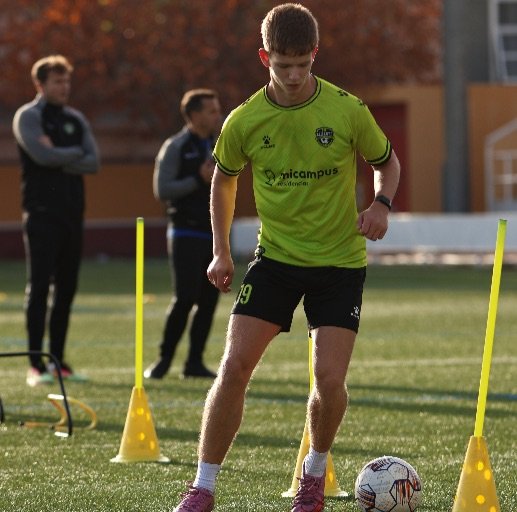
If you want to get better as a center back, you have to practice under pressure. Easy drills without real challenges aren’t enough.
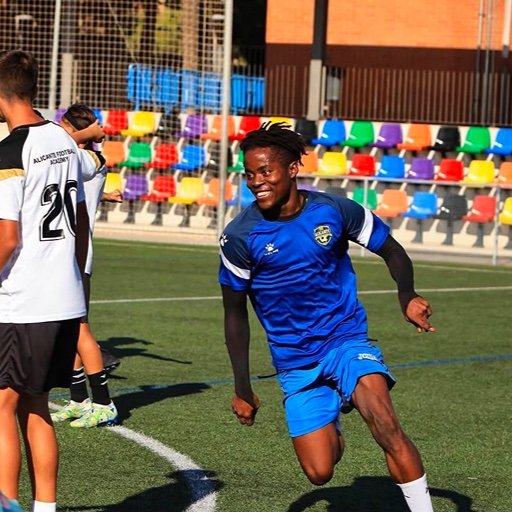
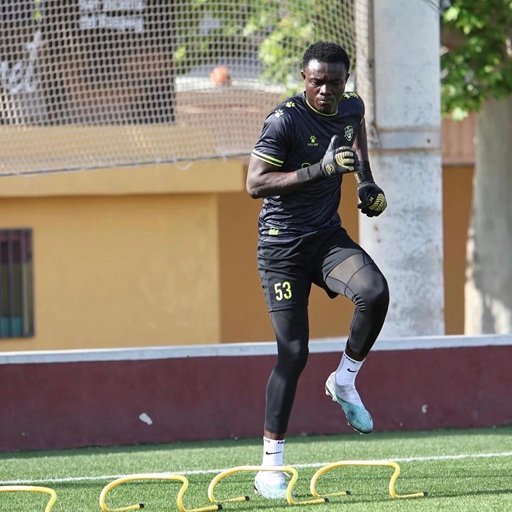
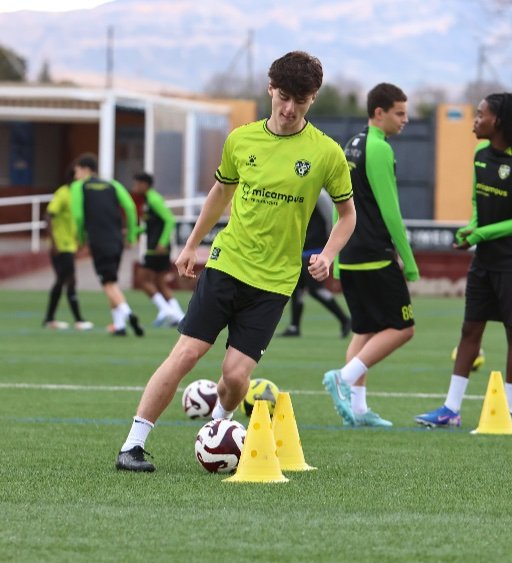
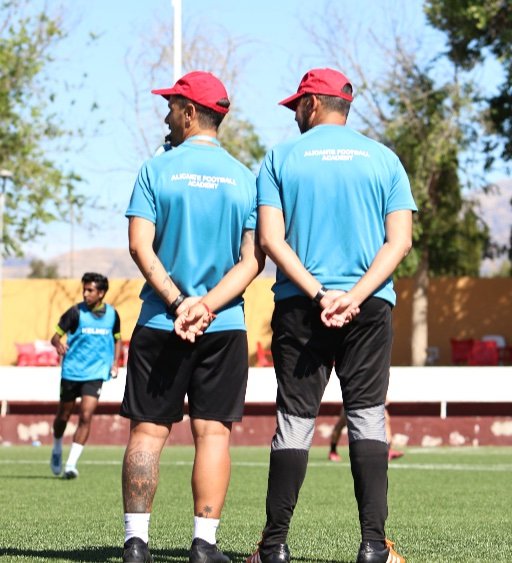
At Alicante Football Academy, we put defenders in real-game situations, such as building play under pressure, defending transitions, and organizing the line during matches. We also use video feedback, so you can see what you missed and know what to improve next time.
AIMING FOR TRIALS IN SPAIN?
Book a free consultation call today — no strings attached.
Football Trials In Spain
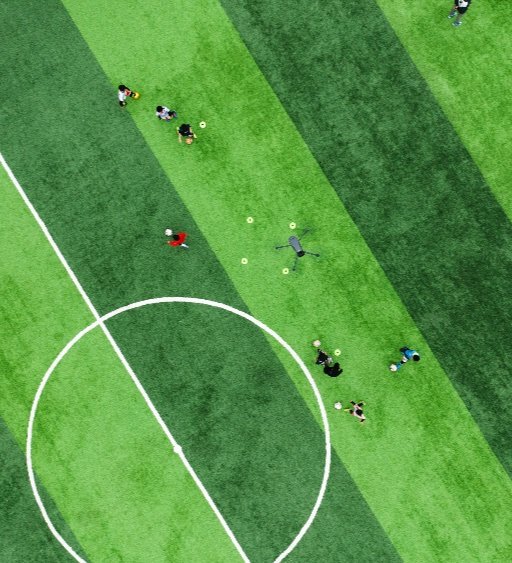
Where Is The Center Back Positioned On The Field?
As a center-back, you usually begin in the defensive third, right in front of the goalkeeper. Your position changes depending on where the ball is, where the striker is, and how much space is behind you.
A simple rule can help you with positioning:
- Always protect the middle first.
- When the ball moves out wide, shift together as a group.
- Keep close to your center-back partner and the midfielder ahead of you.
The size of the field affects your positioning. In international matches, the Laws of the Game set the touchline between 100 and 110 meters, and the goal line between 64 and 75 meters (see IFAB Law 1 – The Field of Play).
FIFA recommends a standard professional pitch size of 105 by 68 meters (see FIFA stadium guidelines on pitch dimensions).
Understanding these field sizes helps you judge the right distances. If you and your partner stay close enough to cover each other, you can play more aggressively. But if you are too far apart, you might let through balls get past you.
What Position Is Center Back In Soccer Formations?
Back four (4‑4‑2, 4‑3‑3, 4‑2‑3‑1)
- The two center-backs still need to work as a team in 2026, especially now that more sides expect central defenders to manage build-up pressure, cover space aggressively, and stay connected when the line moves. When one steps up to challenge an opponent, the other should stay back and provide cover.
- It’s important to coordinate with the number six. If they are screening, you should hold your position. If they move out of position, you need to cover the open space.
Back three (3‑5‑2, 3‑4‑3)
- The middle center-back is usually responsible for organizing the defense and protecting the central area.
- The outside center-backs defend the wider areas and often carry the ball forward more than the middle center-back.
Left vs right CB
- Playing on your natural side makes it easier to find good passing angles.
- You can also play on the opposite side, but you need to pay extra attention to your body position and first touch.
| System | Main CB responsibilities | Common mistake |
|---|---|---|
| Back four | protect central lane, manage striker, cover partner | getting dragged wide and leaving the middle |
| Back three | defend channels, cover wingback space, step into midfield when possible | outside CB isolated 1v1 in space |
| High line | defend space behind, recovery runs, strong offside line communication | poor line coordination leads to through balls |
| Low block | box defending, crosses, second balls, clearances | ball-watching and losing blind-side runners |
What Does A Center Back Do In Soccer?
A centre back’s role can change with the situation, but some responsibilities never change. The top priority is defending the box. This means protecting the area between the ball and the goal, winning the first challenge with headers, blocks, or tackles, and then clearing loose balls or stopping cutbacks before they become easy goals. At both youth and senior levels, most goals are scored not through great play, but because defenders react too slowly after the first challenge.
Managing the defensive line is just as important. The back line is strongest when it stays together. Principles like compactness, cover, and balance, as explained by England Football Learning, are key. If one centre back steps up while the other drops back, or if gaps between players get too wide, the line breaks and space appears. Good centre backs always adjust their position based on the ball, their partner, and the fullbacks to keep the team close.
Good defending starts with communication. Giving clear and early instructions helps everyone. Simple calls like “hold,” “step,” “drop,” “runner,” or “man on” prevent hesitation and help organize teammates before problems happen. At higher levels, centre backs act as on-field coaches, always watching and guiding the defense through every stage of the game.
In modern football, centre backs also help start attacks. They need to handle the ball under pressure, play forward when they can, and help create extra numbers in the first phase. UEFA Champions League technical observers often say top central defenders need “an extra side” to their game: composure on the ball, awareness of angles, and the courage to break lines with passes at the right time.
Finally, centre backs need to be strong on set pieces, since matches are often decided by them. The FIFA Club World Cup 2025 technical analysis showed that 37 goals came from corners and free kicks (24 from corners and 13 from free kicks), showing how important these moments are according to research from the FIFA Training Centre. In our set-piece sessions, we teach two simple rules to stop easy goals: win the first contact and react first to the second ball. Never stand and watch your header.
Is Center Back A Hard Position In Soccer?
Yes, because you’re guarding the most dangerous part of the field, even small mistakes can have big consequences.
These are the three main challenges we see when helping center-backs improve:
- Timing when to step up, whether it’s going too early or too late
- Scanning the field, especially making sure to watch your blind side
- Defending during transitions, like when your team loses possession
If you want to improve quickly, don’t worry about flashy tackles. Focus on the basics: check early, keep the right distance, have a calm first touch, and communicate clearly.
What Physical Attributes Do Center Backs Need?
To be a top center back, you need more than just height. You have to handle physical contact well and know how to manage space on the field.
- Strength and balance help you win duels and protect the ball from opponents.
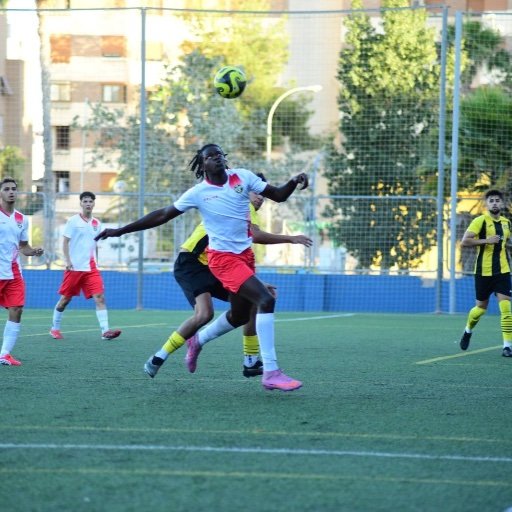
- Timing your jumps and making contact in the air are key skills in both penalty areas.
- Quick acceleration is important for recovery runs and moving quickly during transitions.
- Agility and hip mobility help you open up, turn quickly, and defend one-on-one situations.
- Defending often requires making several sprints in a row, not just counting on one big play.
Who Are The Greatest Center Backs Of All Time?
Every era has its own style, but the top center-backs always show calm decision-making, good timing, and strong leadership.
Some of the greatest center-backs include Beckenbauer, Baresi, Maldini, Nesta, Cannavaro, and Sergio Ramos.
We encourage our defenders to focus on building good habits, not just chasing highlights. Scan the field early, move early, and communicate early.
BUILD A SIMPLE DEFENDING PLAN THIS WEEK
Pick one focus (1v1 defending, heading, positioning, or recovery runs) and train it at game speed, not in comfortable drills. Use our defending drills guide to structure your week and track progress across four sessions.
What Equipment Is Best For Center Backs?
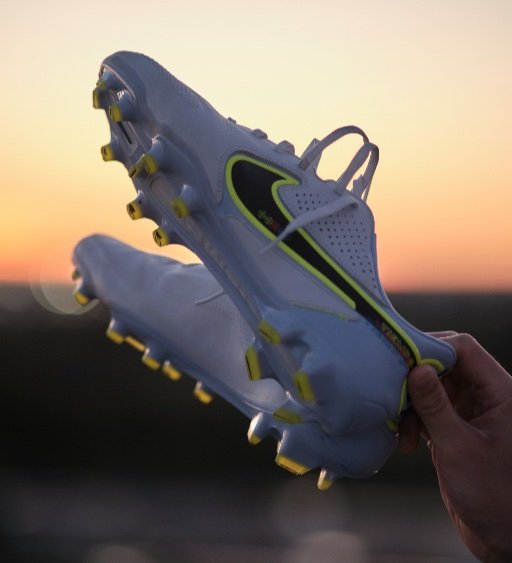
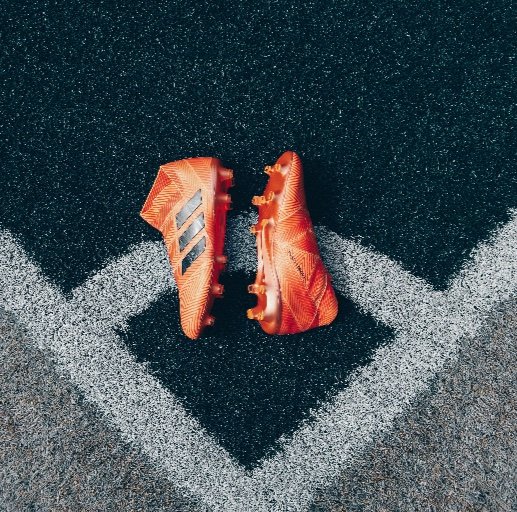
- Wear boots with good grip so you can keep your balance, turn quickly, and stay steady when you make contact.
- Pick shin guards that protect your legs well.
- If you have had ankle issues before, think about using tape or extra support.
For helpful learning resources, check out official analysis libraries. FIFA’s Training Centre has free technical breakdowns and trends (start here: FIFA Training Centre).